
“Traveling – it leaves you speechless, then turns you into a storyteller.”
— Ibn Battuta
Imagine what he would say now, if he saw how his country, and the world he knew and travelled, has evolved over the centuries with all its diverse cultural influences, whilst still maintaining its rich essence.
Dare I say it? He was the first Hodie, my eternal inspiration. His travels and continued search for knowledge and enlightenment have never been matched, not even by Marco Polo…
Ibn Battuta was a Maghrebi Muslim traveller, explorer, and scholar from Tangier, Morocco, whose 14th-century journeys covered around 117,000 km over 30 years — surpassing all other pre-modern explorers. His travels spanned much of Africa, the Middle East, Asia, and the Iberian Peninsula, documented in his famous work The Rihla, offering invaluable insights into the cultures, politics, and societies of the medieval Islamic world.
Today, anyone can travel as much as he did and much, much more. It’s easier, faster, more access is available, ready at a click of the mouse — and our only limitations are time and money.
However, are we really travelling? Are we observing and studying the countries, their peoples and traditions, learning and evolving? Or are we just ticking off a list of objectives, getting that must-have picture on the Insta? Do we come back home with full hearts and many memories?
This is what we should all aspire to — find the love everywhere, no matter what colour or creed you may be getting to know. Some of my most intense, deep moments have been with people I may never see again in my life. I still remember the toothless old man in the Khartoum market, cigarette in his hand, talking about life. The amazing gentleman in Taghit who took a painting off his wall and gave it to me, because I liked it and asked where I could find the artist. I still have it, with its amazing colours. Or having people come to me, asking to take their picture, and not giving me any contact so I can send the picture to them.
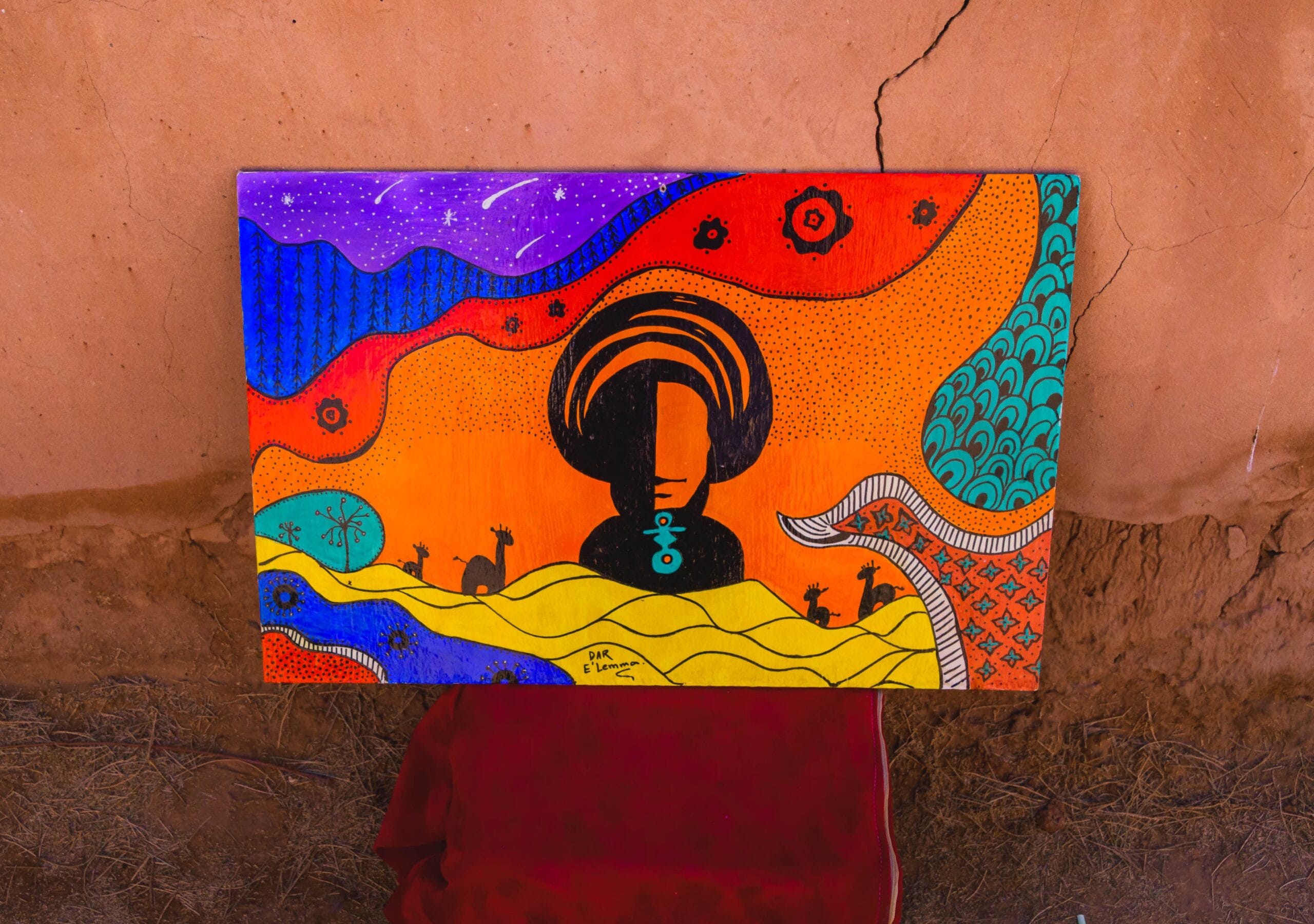
You too can have such experiences if you want — every country can offer you this if you seek it. But there is one area of the world which is particularly fascinating to observe and feel. From the peoples, food, sounds and smells, timeless and eternal cities… The Maghreb has it all.
The Maghreb is the region of North Africa bordering the Mediterranean Sea — the Africa Minor of the ancients. It now comprises essentially the Atlas Mountains and the coastal plain of Morocco, Algeria, Tunisia, and Libya. To the north, the region is bounded by the Mediterranean Sea, and to the west by the Atlantic Ocean. The eastern boundary is geographically open, and some medieval Arab geographers placed its start as far east as Alexandria in Egypt.
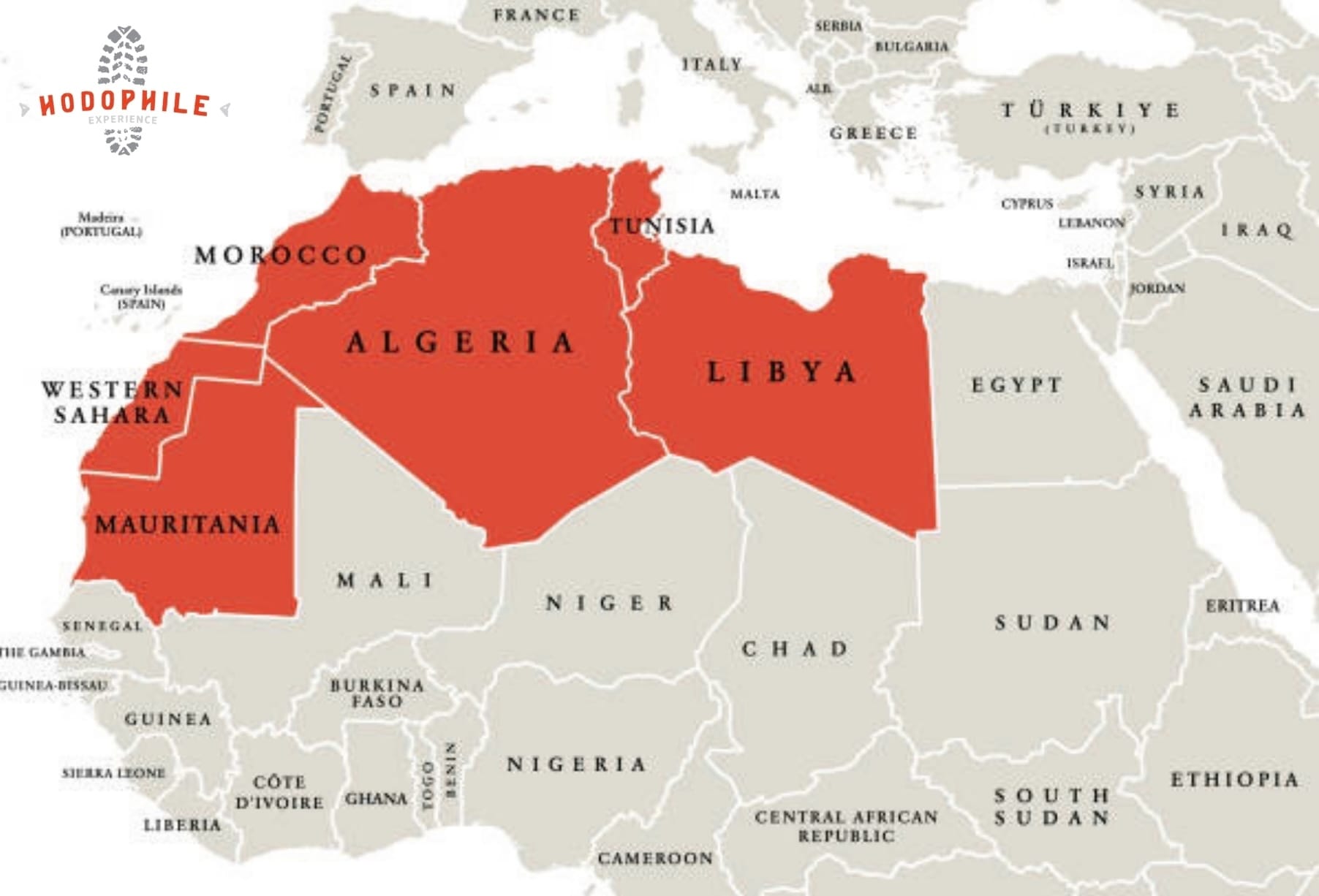
Where else can you find people with the heart of Africa, the influence of the Middle East and the unmistakable marks from the Europeans? Only in the Maghreb…
The best conserved and most complete Roman ruins can be found in Algeria and Libya. European influences in the architecture are visible in all major cities, but it is the diverse peoples who truly imprint on us.
The tribes of the Maghreb represent a rich tapestry of the region’s indigenous Amazigh (Berber) groups and later migrating Arab tribes. Over centuries, these groups formed extensive tribal confederations, blending indigenous traditions with successive waves of Middle Eastern and Andalusian migrations.
- Tuareg: Known as the “blue people” of the Sahara Desert, renowned for their indigo-dyed clothing and nomadic lifestyle. They primarily inhabit the southern desert regions of Algeria and Libya.
- Kabyle: Located primarily in the mountainous Djurdjura region of northern Algeria, they have fiercely preserved their language and culture.
- Chaoui: Concentrated in the Aurès Mountains of eastern Algeria, they are the second-largest Amazigh group.
- Rifians: Primarily inhabiting the Rif mountains of northern Morocco, known historically for their fierce resistance against colonial rule.
- Chleuh (Shilha): Residing in the High and Anti-Atlas Mountains of Morocco, known for their settled agriculture and rich musical traditions.
- Zenata: One of the largest historical Berber groups, who traditionally practiced transhumance and historically founded several medieval dynasties in the region.
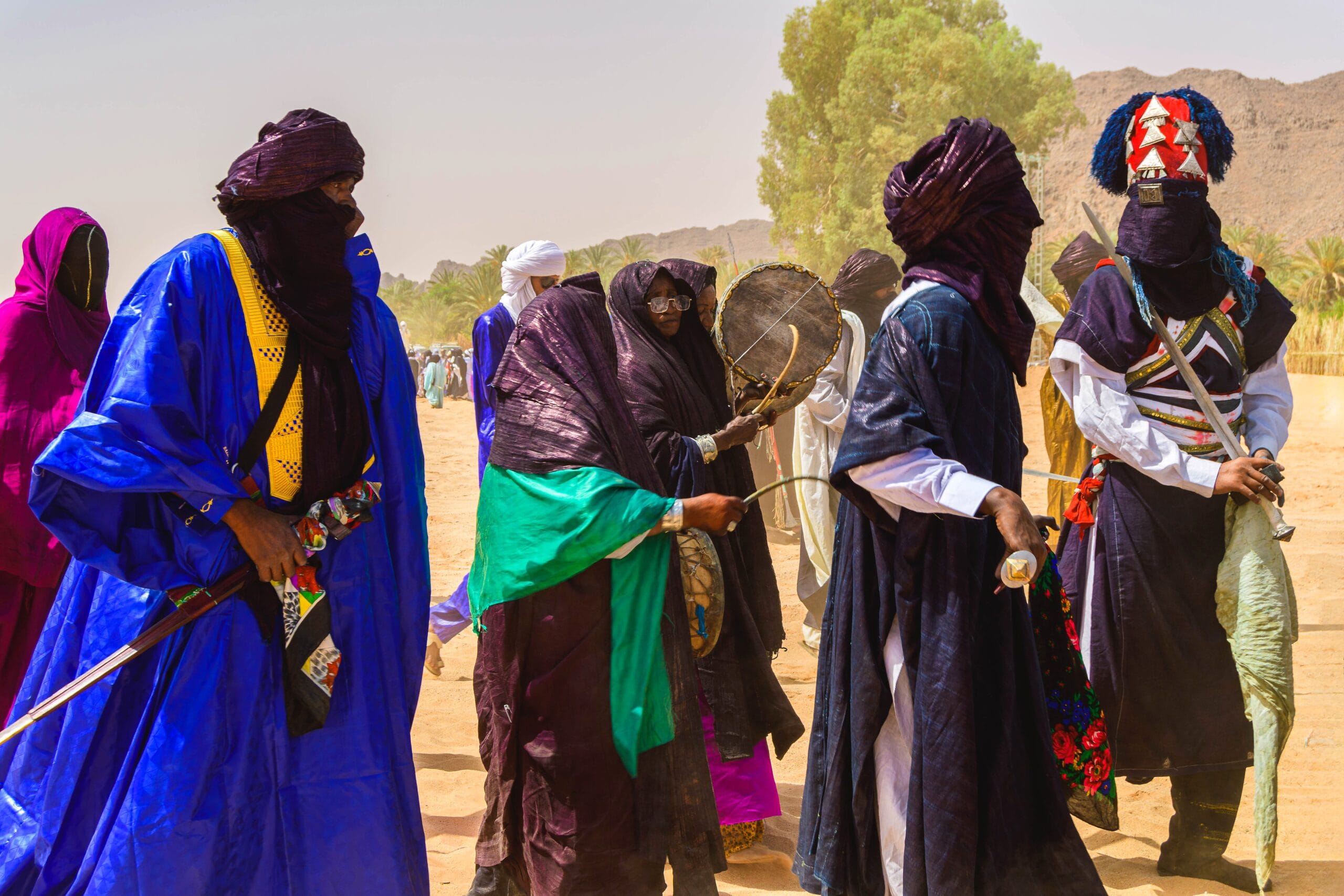
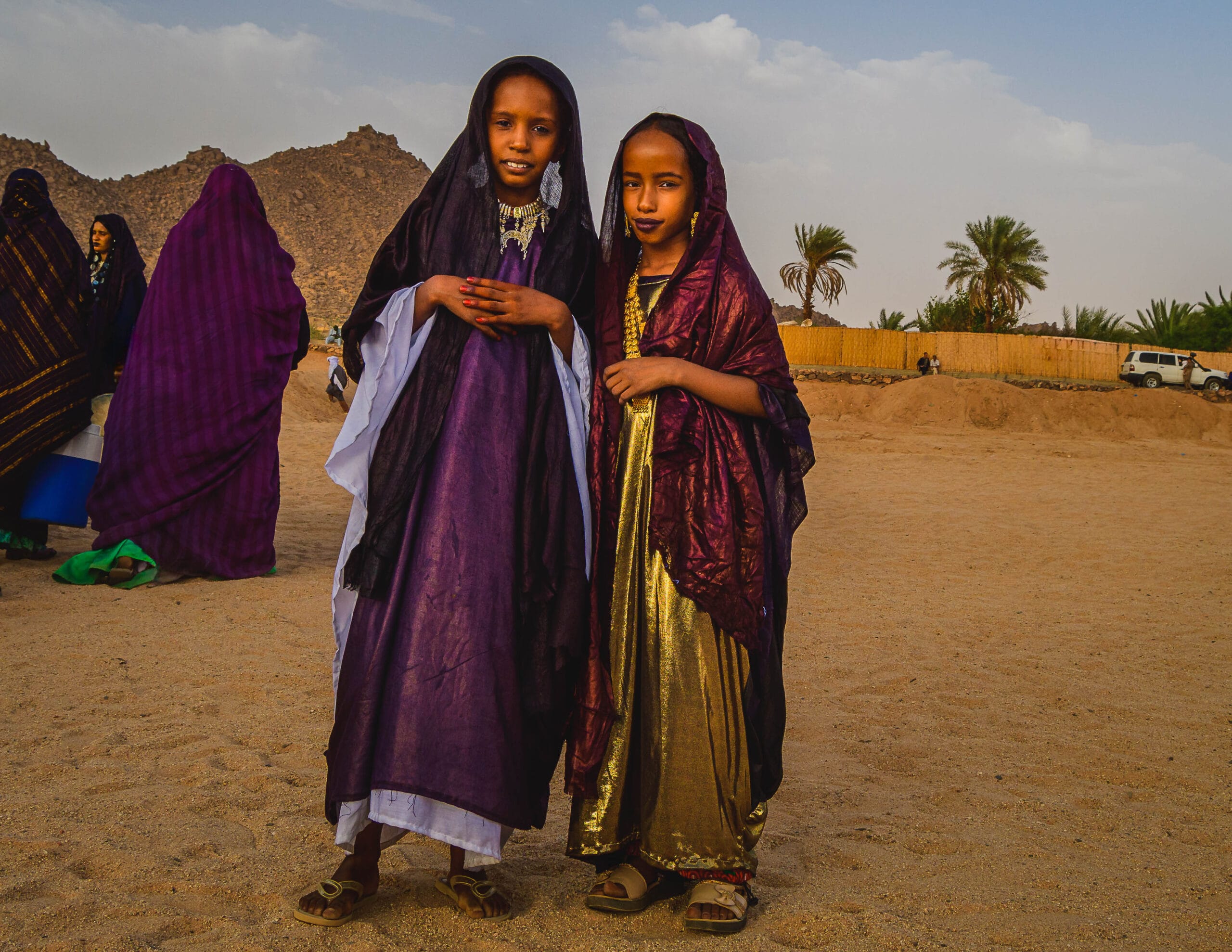
Morocco is the country with the most tourism, with regular flights operating daily from everywhere, all year round. Very popular for short breaks and its music festivals. Tunisia is also quite popular, although more expensive. Algeria is easily accessible, and yet it still remains under the radar for tourists — they have no idea what they are missing! I’ve visited Algeria three times so far and am already wondering when to go again.
Libya is probably the most intriguing historically, although it intimidates tourists… it is safe to travel there. It’s mandatory to always have security to accompany you, and this is mostly for the tourist’s peace of mind. Of course, there are still areas where it is not recommended to visit, for diverse safety and security reasons, but you can get to know quite a bit of the country within a 7-day period.
And then there is the Sahara Desert — it traverses all of the Maghreb up to and including Egypt. Its sands and dunes are different in each country, and it is worth your while to travel the long distances to see the golden and red sands. A few days here and it seems like you have rested an entire week! You have no choice but to follow the local pace.
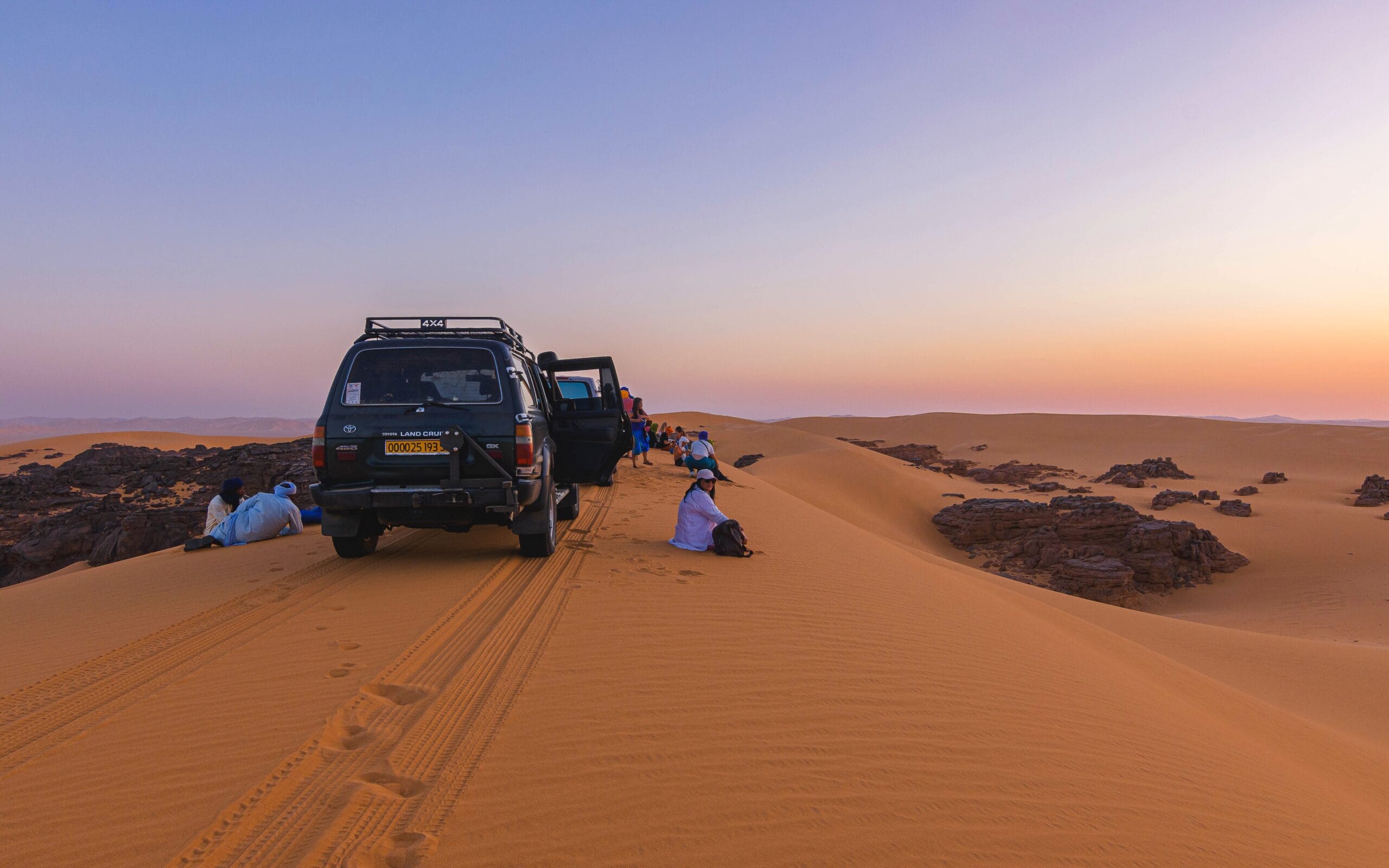
I can go on and on, but I really recommend you plan a visit to one of these countries. You will not regret it — and I highly recommend the period of October to May, when it is cooler. You will come home with your memory card full of amazing pictures and your heart content, with so many memories to treasure.
Let us assist you with your travel plans — we have a lot to offer, and you can start with our suggested tours. Look forward to seeing you there!
Join me.
Take the step and trust…
Bela