+351 965 133 699 travel@hodophileexperience.com

Login

Sign Up

After creating an account, you'll be able to track your payment status, track the confirmation and you can also rate the tour after you finished the tour.
Username*
Password*
Confirm Password*
First Name*
Last Name*
Birth Date*
Email*
Phone*
Country*
* Creating an account means you're okay with our Terms of Service and Privacy Statement.
Please agree to all the terms and conditions before proceeding to the next step

Already a member?

Login

Login

Sign Up

After creating an account, you'll be able to track your payment status, track the confirmation and you can also rate the tour after you finished the tour.
Username*
Password*
Confirm Password*
First Name*
Last Name*
Birth Date*
Email*
Phone*
Country*
* Creating an account means you're okay with our Terms of Service and Privacy Statement.
Please agree to all the terms and conditions before proceeding to the next step

Already a member?

Login
+351 965 133 699 travel@hodophileexperience.com

Login

Sign Up

After creating an account, you'll be able to track your payment status, track the confirmation and you can also rate the tour after you finished the tour.
Username*
Password*
Confirm Password*
First Name*
Last Name*
Birth Date*
Email*
Phone*
Country*
* Creating an account means you're okay with our Terms of Service and Privacy Statement.
Please agree to all the terms and conditions before proceeding to the next step

Already a member?

Login

If you’ve always been fascinated by different cultures, connected to nature and looking for new amazing experiences, then this is the trip you’ve been searching for! A 3-country cultural bonanza!

A 12-day traditional festival experience of Ghana, Togo and Benin, which includes attending the Benin Voodoo Festival. Visits to Accra, Ashanti Kingdom, Kakum National Park, craft and fetish markets, python temple, amazing beaches, border crossings, traditional villages including some on water, local cuisines, a cultural overload.

BENIN

Benin may have fewer visitors than its larger West African neighbours but that’s no reflection of what it has to offer travellers. This unique country has a fascinating history and culture, with fables of ancient kingdoms, beautiful beaches, incredible wildlife and its status as the birthplace of Vodou.

A pivotal platform of the slave trade for nearly three centuries, Benin is steeped in a rich and complex history still very much in evidence today.

A visit to this small, club-shaped nation could therefore not be complete without learning about spirits and fetishes and the Afro-Brazilian heritage of Ouidah, Abomey and Porto Novo.

Benin is wonderfully tourist friendly. There are good roads, a wide range of accommodation options and ecotourism initiatives that offer the chance to delve into Beninese life. Now is an ideal time to go: the country sits on the cusp of discovery.

TOGO

For those fond of traveling off the beaten track, Togo is a rewarding destination. Lomé, the low-key yet elegant capital, with its large avenues, tasty restaurants and lively nightlife – not to mention the splendid beaches on its doorstep. Its great diversity of landscapes ranges from lakes and palm-fringed beaches along the Atlantic coastline to the rolling forested hills in the centre; heading further north, the mantle of lush forest is replaced by the light-green and yellowy tinges of savannah. It’s an excellent playground for hikers – there’s no better eco-friendly way to experience the country’s natural beauty than on foot.

Benin and Togo share a natural area which is a UNESCO World Heritage Cultural Site – Koutammakou, the Land of the Batammariba. The Koutammakou landscape in north-eastern Togo and neighbouring Benin is home to the Batammariba, whose remarkable mud tower-houses are known as takienta. Nature is strongly associated with the rituals and beliefs of society here. The landscape is exceptional due to the architecture of the tower-houses which reflect the social structure; its farmland and forest; and the associations between people and landscape. The buildings are grouped in villages, which also include ceremonial spaces, springs, sacred rocks and sites reserved for initiation ceremonies.

GHANA

One of Africa’s great success stories, the country is reaping the benefits of a stable democracy in the form of fast-paced development. And it shows: Ghana is suffused with the most incredible energy.

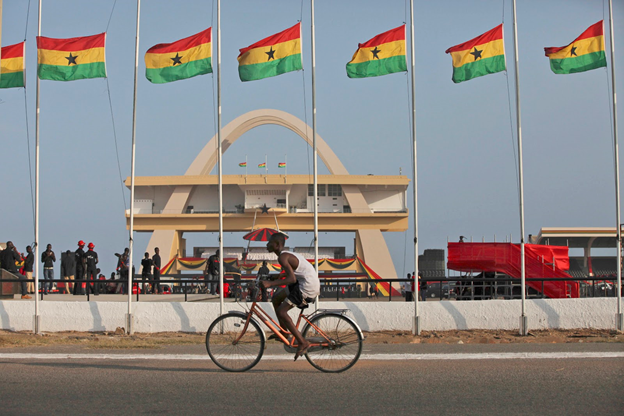
Situated on the coast in the extreme south of the country, Ghana’s colourful seaside capital Accra offers a smorgasbord of African culture and cuisine. Its location within the unusually dry region known as the Dahomey Gap means that precipitation is not as extreme here as it is in other areas of the south. There are also a few UNESCO World Heritage Cultural Sites, some of which we will visit.

Ghana is certainly one of Africa’s top destinations. Planning a trip? The best time to visit Ghana is during the dry season from October to April.

This tour is for travellers who want to get acquainted with this incredible region … and love Africa!

This twelve-day journey moves eastward across three neighbouring West African countries, beginning with Ghana’s modern capital and Atlantic heritage, continuing through the royal heartland of the Ashanti Kingdom, crossing into Togo for Lomé and Togoville, and ending in Benin during the final days of the 2027 Vodun Days celebrations. The route blends major historical landmarks with markets, craft communities, royal traditions, waterways and living spiritual practices — with enough local texture to feel like a journey through connected cultures rather than a checklist of sites.
Voodoo Festival Tour – Ghana_Benin_Togo 12 days 2027

0
  • 12 Days
  • Max Guests : 20
  • Wifi Available
  • Jan 02- 13 2027

Tour Details

If you’ve always been fascinated by different cultures, connected to nature and looking for new amazing experiences, then this is the trip you’ve been searching for! A 3-country cultural bonanza!

A 12-day traditional festival experience of Ghana, Togo and Benin, which includes attending the Benin Voodoo Festival. Visits to Accra, Ashanti Kingdom, Kakum National Park, craft and fetish markets, python temple, amazing beaches, border crossings, traditional villages including some on water, local cuisines, a cultural overload.

BENIN

Benin may have fewer visitors than its larger West African neighbours but that’s no reflection of what it has to offer travellers. This unique country has a fascinating history and culture, with fables of ancient kingdoms, beautiful beaches, incredible wildlife and its status as the birthplace of Vodou.

A pivotal platform of the slave trade for nearly three centuries, Benin is steeped in a rich and complex history still very much in evidence today.

A visit to this small, club-shaped nation could therefore not be complete without learning about spirits and fetishes and the Afro-Brazilian heritage of Ouidah, Abomey and Porto Novo.

Benin is wonderfully tourist friendly. There are good roads, a wide range of accommodation options and ecotourism initiatives that offer the chance to delve into Beninese life. Now is an ideal time to go: the country sits on the cusp of discovery.

TOGO

For those fond of traveling off the beaten track, Togo is a rewarding destination. Lomé, the low-key yet elegant capital, with its large avenues, tasty restaurants and lively nightlife – not to mention the splendid beaches on its doorstep. Its great diversity of landscapes ranges from lakes and palm-fringed beaches along the Atlantic coastline to the rolling forested hills in the centre; heading further north, the mantle of lush forest is replaced by the light-green and yellowy tinges of savannah. It’s an excellent playground for hikers – there’s no better eco-friendly way to experience the country’s natural beauty than on foot.

Benin and Togo share a natural area which is a UNESCO World Heritage Cultural Site – Koutammakou, the Land of the Batammariba. The Koutammakou landscape in north-eastern Togo and neighbouring Benin is home to the Batammariba, whose remarkable mud tower-houses are known as takienta. Nature is strongly associated with the rituals and beliefs of society here. The landscape is exceptional due to the architecture of the tower-houses which reflect the social structure; its farmland and forest; and the associations between people and landscape. The buildings are grouped in villages, which also include ceremonial spaces, springs, sacred rocks and sites reserved for initiation ceremonies.

GHANA

One of Africa’s great success stories, the country is reaping the benefits of a stable democracy in the form of fast-paced development. And it shows: Ghana is suffused with the most incredible energy.

Situated on the coast in the extreme south of the country, Ghana’s colourful seaside capital Accra offers a smorgasbord of African culture and cuisine. Its location within the unusually dry region known as the Dahomey Gap means that precipitation is not as extreme here as it is in other areas of the south. There are also a few UNESCO World Heritage Cultural Sites, some of which we will visit.

Ghana is certainly one of Africa’s top destinations. Planning a trip? The best time to visit Ghana is during the dry season from October to April.

This tour is for travellers who want to get acquainted with this incredible region … and love Africa!

This twelve-day journey moves eastward across three neighbouring West African countries, beginning with Ghana’s modern capital and Atlantic heritage, continuing through the royal heartland of the Ashanti Kingdom, crossing into Togo for Lomé and Togoville, and ending in Benin during the final days of the 2027 Vodun Days celebrations. The route blends major historical landmarks with markets, craft communities, royal traditions, waterways and living spiritual practices — with enough local texture to feel like a journey through connected cultures rather than a checklist of sites.
Confirmed Dates!
From2,900€
Booking Form
Enquiry Form
Full Name*
Email Address*
Your Enquiry*
* I agree with Terms of Service and Privacy Statement.
Please agree to all the terms and conditions before proceeding to the next step
January 2, 2027
Select a package
  • Solo Traveller – on requestStart Time: 11:00Available: 20 seats
  • 02 pax
  • 03-04 pax
  • 05-06 pax
  • 07-10 pax
  • 11-15 pax

Proceed Booking

Save To Wish List

Adding item to wishlist requires an account

2234

Price Includes:

  • Airport transfer
  • Certified Guide and Driver with 24-hour availability (no night driving outside cities)
  • Private ground transportation for the programmed route, including cross-border transfers as finally contracted (including fuel)
  • Mid-range and budget accommodations (double occupancy) with breakfast
  • Staff lodging outside Accra and a meal allowance for your guide Breakfast, Mix of Western and Ghanaian lunch, dinner all days
  • Entrance fees to scheduled sites that are included in the contracted supplier programme
  • Meals as stated in the itinerary- lunches every day except day 1; Dinner – day 1
  • Tours as specified in itinerary
  • Scheduled boat journeys at Ganvié and Atimpoku (Volta river)
  • English-speaking / bilingual local guiding services as appropriate
  • Applicable local taxes and levies included by contracted suppliers
  • Tips in hotels.

Price Excludes:

  • Airline tickets to and from Ghana – approximate fares to be expected• TAP-Air Portugal LIS-ACC €430 per person, one suitcase. ** • British Airways LHR-ACC £480 • Royal Air Maroc COO-CMN-LIS €605, per person, one suitcase. ** Airlines flying to Ghana - British Airways daily from LHR, TAP Air Portugal, Brussels Airlines, Emirates Airlines, Qatar Airways, United Airlines, Delta, Air Italy, Egypt Air, Rwanda Air, KLM, Turkish Airlines. Airlines flying to Benin - Benin Airlines, Air Peace, ASKY Airlines, Air Cote D'Ivoire, Ethiopian Airlines, Afrijet, Brussels Airlines, Turkish Airlines, Air France, Corsair, Royal Air Maroc, Air Senegal.
  • Drinks, Meals not indicated in the itinerary
  • Personal expenses.
  • Ghana, Togo and Benin visas or entry formalities where required by nationality
  • Optional Vodun Days VIP access or premium concert access
  • Private organised cultural performances / ceremonies
  • Taxes on cameras at sites visited where applicable
  • Entry fees to any entertainment centre where applicable
  • Things of personal nature like phone calls, laundry etc
  • Tips for driver, guide and other service providers
  • Between meal snacks/drinks, extra meals, alcoholic beverages
  • Any hotel incidentals
  • Any non-essential public transit taken, for you and your guide
  • Gratuity (tip) for excellent service
  • Travel Insurance

Extra:

– Plane ticket reservation: €30

** Based on the survey done in the month of September 2026

Notes:

  • The 06 January Atimpoku –Lomé sector is a long overland day. Departure must be early and the Lomé city tour may be adjusted according to border processing and traffic.
  • The exact Vodun Days schedule is controlled by the festival organisers; daily activities will be aligned with the official 2027 programme once published in detail.
  • If the Royal Palaces of Abomey remain closed for renovation, one or two private palace visits will substitute. If the main palaces reopen, the programme can be revised.
  • All hotels, cultural experiences and access arrangements remain subject to availability and final supplier confirmation.

Hodophile Experience cannot be held responsible for any travel disturbances, occurred due to very rare but possible flights delays. All participants need to carry travel and medical insurance on all our trips to protect themselves against any extra costs.

Itinerary

Day 1 - 02Jan27 - Arrival in Accra, Ghana

(TAP Air Portugal & Royal Air Maroc flight from Lisbon (LIS) – Casablanca (CMN) – Accra (ACC) arrives at 17:20 02Jan27)

(TAP Air Portugal direct flight from Lisbon (LIS) – Accra (ACC) arrives at 15:30 only on 01Jan27 or 03Jan27)

Once you complete the entry formalities and claim your baggage, you will meet our representative in the airport arrivals. Transfer to the hotel.

Check-in at the hotel and rest after the flight.

The first day is intentionally gentle: time to settle in, recover from the journey and ease into West Africa at the coast. Depending on arrival time and energy levels, the group can unwind at one of Accra’s beach settings before returning to the hotel for the evening.

Optional sunset walk at Labadi Beach. Then a welcome dinner.

Day 2 - 03Jan27 - Accra City Tour - Cape Coast

Breakfast at hotel

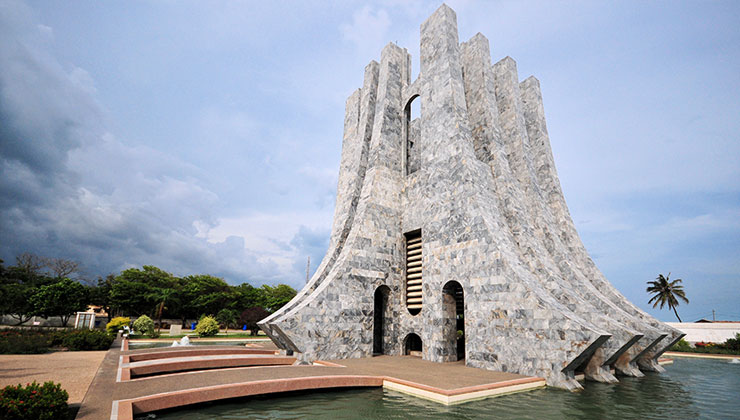
Today opens the story of Ghana through the places where national memory, Pan-Africanism and everyday city life meet. Begin at the Kwame Nkrumah Memorial Park, dedicated to Ghana’s first President and one of the leading voices of African independence, before continuing to the National Museum for a wider introduction to the country’s history and cultural heritage. At the W.E.B. Du Bois Centre, trace another chapter of Pan-African thought and the connections between Africa and its diaspora.

The day then shifts into the living city: Makola Market’s colour and commerce, the craft stalls and creative energy of the Arts Centre, the old coastal neighbourhood of Jamestown, and the remarkable fantasy coffin workshops of Teshie; where carpenters transform memory, profession and personality into sculptural art.

Followed by a quick stop at Labadi beach.

Then a 3.5 hr to Cape Coast for dinner.

Day 3 - 04Jan27 - Elmina - Cape Coast - Kakum - Assin Manso - Kumasi

Breakfast at hotel

Leave at 07 :00 for Elmina. Where some of the most powerful chapters of the Atlantic slave-trade story sit beside rainforest and fishing communities. At the Castle, walk through the courtyards, dungeons and “Door of No Return” while learning how the coast became a major node in the trans-Atlantic trade in enslaved Africans.

Along the Ghanaian coast, Volta, Greater Accra, Central and Western Regions there are Forts and Castles (UNESCO World Heritage Sites) – The remains of fortified trading-posts, erected between 1482 and 1786, can still be seen along the coast of Ghana between Keta and Beyin. They were links in the trade routes established by the Portuguese in many areas of the world during their era of great maritime exploration.

Visit the Elmina fishing harbour and market, where brightly painted canoes and the daily fish trade reveal the working rhythm of the coast.

Next we move towards Kakum National Park (approx. 3–3.5 hr drive)

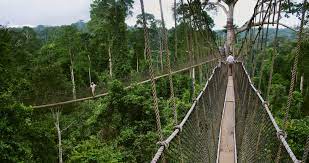
Kakum is a national park that resembles a botanical garden with West Africa’s highest rain forest canopy walkway. It is very beautiful, and there we can see the trees used in traditional medicine, as well as the diseases for which they are indicated. At about 10:30, enjoy canopy walk around 10:30 across seven rope bridges.

Canopies are aerial bridges made of rope, which allow an aerial view of the area and the animals that live there. A series of seven rope suspension bridges connects the treetops, offering panoramic views of the area and its wildlife.

It is one of the most important rainforest parks in the region and is home to around 200 forest elephants. Crocodile ponds and weaver bird community at Hans Botei.

Lunch at Hans Cottage Botel with the crocodile ponds and weaver bird colony.

Following lunch we make our way to Kumasi. First Stop at the Assin Manso Ancestral Slave River (about 1.25 hr), then continue about 3 hr to Kumasi. Assin Manso — the site of the Ancestral Slave River, where captives taken from the interior were bathed and prepared before being marched onward to the coast. The route then enters the cultural landscape of the Ashanti Kingdom.

Day 4 - 05Jan27 - Ashanti Kingdom - Atimpoku

Breakfast at hotel. Depart 07:30 for a morning in the Ashanti heartland.

Kumasi is a city and the capital of the Kumasi Metropolitan Assembly and the Ashanti Region of Ghana. It is the second largest city in the country. Kumasi is located in a rain forest region near Lake Bosomtwe and is located about 200 kilometres (120 mi) from Accra. The city experiences a tropical savanna climate, with two rainy seasons which range from minor to major. Major ethnic groups who live in Kumasi are the Asante, Mole-Dagbon and Ewe

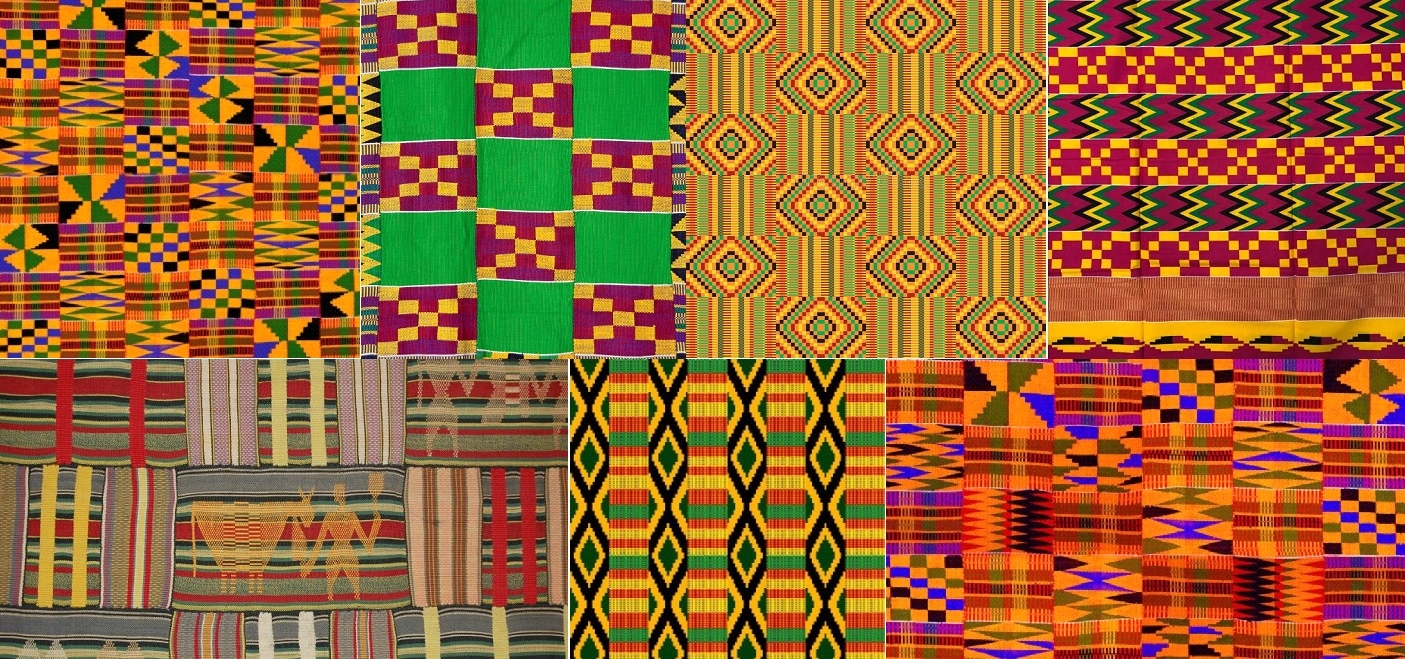
At Bonwire, meet artisans associated with Ghana’s celebrated kente weaving tradition (cloth worn only by Ashanti nobles). See the adinkra (Ntonso adinkra stamping – Ashanti paintings on cloth).

In Kumasi, visit Manhyia Palace Museum to explore the history of the Asante monarchy, then continue to the Komfo Anokye Sword Site, linked to the legendary founding stories of the Ashanti nation. Time permitting, finish with Kejetia Market, one of West Africa’s most famous commercial spaces and an extraordinary window into the scale and rhythm of Kumasi life. The exact sequence may be adjusted around traffic and opening hours.

Leave Kumasi around 13:00 and drive 5.5–6 hr (about 300 km) to Atimpoku, with a lunch stop on the road.

The Asante empire, West African state that occupied what is now southern Ghana in the 18th and 19th centuries. Extending from the Comoé River in the west to the Togo Mountains in the east, the Asante empire was active in the slave trade in the 18th century and unsuccessfully resisted British penetration in the 19th.

Asante Traditional Buildings (UNESCO World Heritage Sites) – To the north-east of Kumasi, these are the last material remains of the great Asante civilization, which reached its high point in the 18th century. Since the dwellings are made of earth, wood and straw, they are vulnerable to the onslaught of time and weather.

Arrive around 19:00 at the Volta River for dinner.

Day 5 - 06Jan27 - Atimpoku - Volta - Lome, Togo

Breakfast at hotel

Depart after enjoying a morning motorboat on the Volta River.

The drive to the Aflao border, Togo, will take about 3.5 hr. Then about 1 hr to cross and process Togo visas.

Then 15 min to Lomé, arriving in Lomé around 13:00 for lunch.

On arrival, begin an introduction to Togo’s capital — a city where colonial-era architecture, seafront avenues, markets and contemporary cultural spaces sit side by side.

The Lomé city tour is expected to include Independence Square, the Grand Marché and the Palais de Lomé, subject to time after the border crossing and local operating conditions. This is a demanding travel day, so the programme will remain flexible enough to protect comfort and avoid unnecessary rushing.

Akodessewa Fetish Market if time allows, then dinner in Lomé.

Day 6 - 07Jan27 - Lome - Ouidah, Benin

Breakfast at hotel.

Depart 08:00 and drive 2.5 hr (about 130 km) to the Hillacondji border, then 1–1.5 hr to cross into Benin.

Arrive in Ouidah around midday.

Afternoon: Ouidah Museum of History, Temple of the Pythons, and the Slave Route to the Door of No Return.

Early night to be fresh for the festival.

Day 7 - 08Jan27 - Voodoo Festival - Ouidah

Breakfast at hotel.

No driving day.

Today we will spend a very special day experiencing the most impressive Voodoo festival.

The experience may include festival squares, temple areas, processions, performances and the coastal zone around the Door of No Return, depending on the published programme. Beyond the celebrations, Ouidah is itself central to the history of the slave trade and to the living practice of Vodun in Benin.

Across the historic city and seafront, public spaces come alive with ritual, music, dance, artistic displays and gatherings connected to Vodun spirituality. The programme will follow the official festival schedule available at the time of travel, allowing the group to experience the most meaningful activities taking place that day.

Voodoo, from the French Creole word “voudou,” in turn from the Ewe Vodu spirit, is a religion originating in West Africa, where it is still practiced today by members of the Ewe, Kabye, Mina, and Fonde ethnic groups in Togo and Benin. This annual festival is the most vibrant and colorful event in West Africa, featuring Voodoo dolls and devotees dressed in animal skins, singing and dancing to the beat of drums, as well as horse racing on the beach, and food and drink.

Visitors to the celebration soon discover that Voodoo is not synonymous with evil. It is often portrayed in the public imagination as a form of ancient African belief carried to Brazil and the Caribbean by enslaved people. High priests and their followers from across Benin, together with visitors from neighbouring countries, gather to honour the deities through songs, dances, drumming, animal sacrifices, libations, and prayers.

Mid-morning, followers of various Voodoo cults will gather at the “Port of No Return,” a monument dedicated to those who left the shores of Benin through slavery, to celebrate the Voodoo Festival. In 1996, the Benin government declared Voodoo, practiced by 60% of the population, the official religion, and every January 10, a grand festival is held to celebrate. Voodoo is among the oldest religions in the world. We will walk the Slave Route to the Door of No Return by the sea.

The slave trade to the Americas produced a strong phenomenon of syncretism between this complex and well-defined Yoruba mythology, along with those of other African cultures and Christian beliefs, as well as with the native religions of the places where the slaves were transported. From here, Haitian Voodoo and a large number of derivatives emerged: the Regla de Ocha or Santeria in Cuba, Santeria in the Dominican Republic, Candomblé, Macumba, Umbanda, Tambor de Mina, and Quimbanda in Brazil, as well as other Africanist manifestations in Colombia, Puerto Rico, and other countries in the Caribbean and South America. What we will experience is beyond description.

Afternoon: ceremonies and rites, including dancers entering a trance as they are said to be possessed by ancestral spirits.

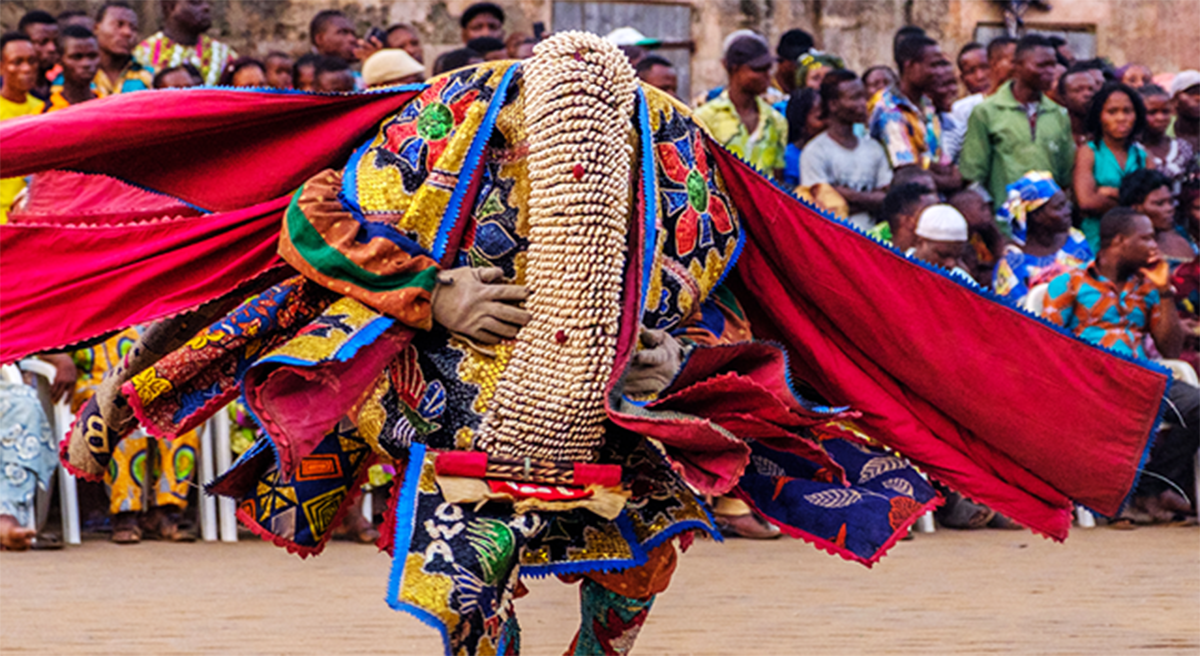
Sunset: Egungun masked dancers in the village square. Ask permission before photographing; fees may apply.

Day 8 - 09Jan27 - Ouidah - Abomey

After breakfast, we travel inland to Abomey, historic capital of the Kingdom of Dahomey.

Depart 08:30 and drive 2.5–3 hr (about 105 km via Allada and Bohicon) to Abomey, arriving around noon.

The former kingdom of Danxome. The name of the country during the French colonial period (until its independence on August 1, 1960, when it adopted its current name, “Benin”) was Dahomey. This name comes from one of its former kingdoms, that of Danxome, a powerful empire that dominated the Gulf of Guinea, destroyed numerous enemy tribes, and even sold many prisoners into slavery. In fact, not only the Portuguese and the French captured Black people for enslavement: some Beninese kingdoms did so as well.

Lunch, then the Royal Palaces of Abomey (UNESCO), where 12 kings ruled from 1625 to 1900.

The museum and bas-reliefs recording each king’s reign.

The Royal Palaces of Abomey are one of Benin’s most important heritage complexes; The Royal Palaces of Abomey (UNESCO World Heritage Site) – From 1625 to 1900, 12 kings succeeded one another at the head of the powerful Kingdom of Abomey. With the exception of King Akaba, who had his own separate enclosure, they all had their palaces built within the same cob-wall area, in keeping with previous palaces as regards the use of space and materials.

The royal palaces of Abomey are a unique reminder of this vanished kingdom.

However, the local partner has advised that the principal public palace sites may still be closed for renovation during the travel period. If the closure remains in place, the day will instead include visits to one or two private palaces connected to local chiefs or kings, offering a more intimate perspective on royal traditions.

The programme will also include the distinctive Vodun church built in the form of a chameleon. If the main Royal Palaces reopen before January, the programme can be revised to reinstate them.

Day 9 - 10Jan27 - Abomey - Ganvie - Cotonou

Breakfast at hotel.

Depart 08:00 and drive 3 hr to Abomey-Calavi, arriving around 11:00.

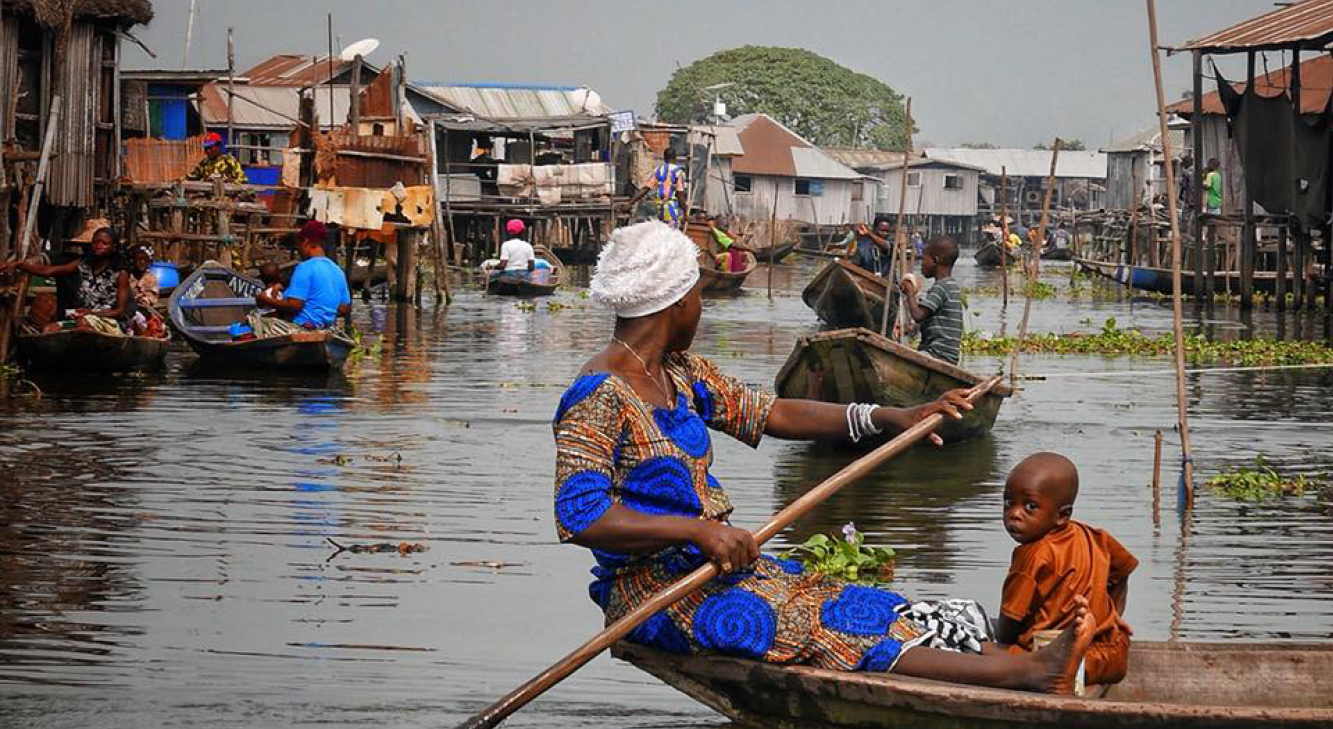
Begin with Ganvié, the celebrated lake settlement often described as the “Venice of Africa.” One of the most impressive places in West Africa. Ganvié (UNESCO World Heritage Site) is a lakeside stilit village of 60,000 inhabitants, founded in the 16th century as a refuge for the Tofi ethnic group, who avoided being enslaved.

Travel by boat through a community built across the waters of Lake Nokoué, where homes, bamboo houses, markets and daily transport are shaped by the lake. The settlement was historically associated with communities seeking refuge from slave raiders and today offers one of Benin’s most distinctive cultural landscapes.

Drive 45 min to Cotonou, with free time at the beach.

Day 10 - 11Jan27 - Porto-Novo Day Trip

Breakfast at the hotel.

Drive 1 hr to Porto-Novo, Benin’s capital

Explore Porto-Novo, Benin’s official capital, a city shaped by Afro-Brazilian, Portuguese, architecture, royal history and vibrant spiritual traditions. Visit the Monument of Zangbeto and see the Brazilian-style mosque.

Visit the Homé Royal Palace and the Ethnographic Museum, the Da Silva Museum and the Great Mosque, with its Afro-Brazilian architecture.

Return to Cotonou (1 hr) in the afternoon, with the evening free.

Day 11 - 12Jan27 - Possotome - Grand-Popo

Breakfast at the hotel.

Depart 08:30 and drive 1.5 hr to Possotomé on Lake Ahémé for a canoe ride past fishing villages.

Lake Ahémé is considered sacred by practitioners of the Vodun religion. It is seen as a meeting point between the spiritual and physical worlds. According to local beliefs, water spirits inhabit this vast body of water and watch over the fishermen. Around forty villages surround Lake Ahémé, many of them fishing communities whose prosperity depends directly on this activity.

Continue 45 min to Grand-Popo for lunch and a walk on the beach.

Afternoon boat trip on the Mono River through the mangroves.

Day 12 - 13Jan27 - Grand-Popo - Cotonou - Departure

(Air France Cotonou (COO) – Paris Charles de Gaulle (CDG) – Lisbon (LIS) departs at 23:50 – scheduled arrival in Lis at 11:20 14Jan)

Breakfast at the hotel.

Depart 08:30 and drive 2 hr back to Cotonou.

Spend the final morning at Dantokpa Market, Cotonou’s vast commercial hub and one of the most dynamic markets in the region. One of West Africa’s largest open-air markets; medicine, fabric, food, fetish objects and everything in between. It is a fitting last stop: fabrics, food, household goods, spiritual items and traders from across Benin come together in a space that captures the country’s everyday energy.

Return to the hotel as time permits, then transfer to the airport for the onward journey home.

The tour ends after twelve days crossing three countries, linking major historical sites with royal heritage, markets, waterways and living spiritual traditions.

Depending on your flight time, we transfer to the airport. The airport is about 20 min away

The tour ends at the airport for check-in and security formalities and to board the flight home.

Safe delivery to airport 2 hours before your evening flight.

Register here for the trip and further details will be sent https://forms.gle/3AkTSZBDDWe2gFhd8
Travel@hodophileexperience.com

Rates:
Solo Traveller – EUR
02 pax EUR3,250.00 per person
03-04 pax EUR2,900.00 per person
05-96 pax EUR2,675.00 per person
07-10 pax EUR2,485.00 per person
11-15 pax EUR2,300.00 per person

Accommodation shared Double/Twin rooms
Single supplement: EUR530

50% payment required on booking

Remaining payments can be done in 2 instalments with the final payment, 25days before departure.

Cancellation fees apply – a cancellation fee (up to 10% of the tour price) and any non-refundable costs like hotel, vehicle rental and domestic airline payment, if any.

For further details on our trips see: https://hodophileexperience.com/index.php/about-our-trips/

Dificulty Level:

Difficulty level 2

Essentials: 

Will be sent with full itinerary when confirmed

Check List: 

Will be sent with full itinerary when confirmed

Passport:

Click here to check the visa requirements

6 travellers are considering this tour right now!
From2,900€
Book Now

Proceed Booking