+351 965 133 699
travel@hodophileexperience.com

Price Includes:

Price Excludes:
Extra:
– Plane ticket reservation: €30
** pricing advised is an estimate value based on survey performed in Jun25.
Register here: https://forms.gle/3AkTSZBDDWe2gFhd8
Email us at: travel@hodophileexperience.com
Meet your arriving flight at Kotoka International Airport in Accra.
If arriving on TAP Air Portugal, arrival time is 15:20LT.
Safe transport to your hotel in an air-conditioned Coaster.
Refresh and relax.
Spend the rest of the day on the beach, Titanic Beach or Bojo Beach.
Overnight at a mid-range hotel, Ibis Hotel or similar
Meals: Dinner
Breakfast.
Today we spend the day in Accra, a city neighbourhoods tour.
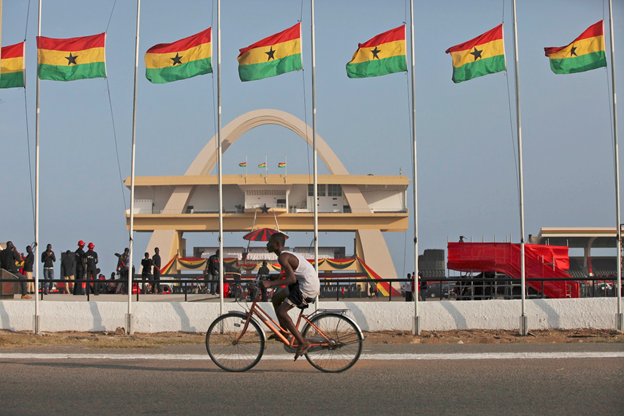
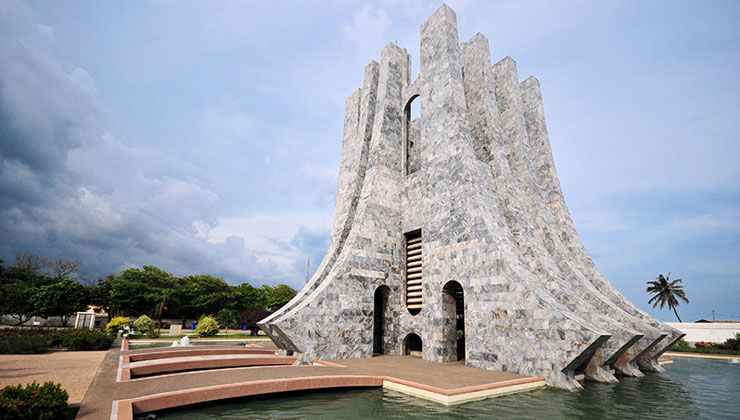
Your heritage adventure begins with an introduction to the history of Ghana’s independence with a visit to Kwame Nkrumah Monument and Independence Square.
Continue with stops at Jamestown & Ussherfort the oldest districts in Accra, Makola Market in central Accra for a wide array of products sold, shopping and drumming lessons at Arts Center, Pan African Culture at W.E.B Du Bois Center.
End your tour at Teshie coffin workshop to witness this amazing craft of coffins being moulded into the professions of the deceased.
Continue to enjoy the rest of the day on the sandy and vibrant Labadi Beach.
Overnight at a mid-range hotel, Ibis Hotel or similar
Meals: Breakfast, Lunch, Dinner
Following breakfast we depart Elmina: The largest slave castle on the African coast.
Along the Ghanian coast, Volta, Greater Accra, Central and Western Regions there are Forts and Castles (UNESCO World Heritage Sites) – The remains of fortified trading-posts, erected between 1482 and 1786, can still be seen along the coast of Ghana between Keta and Beyin. They were links in the trade routes established by the Portuguese in many areas of the world during their era of great maritime exploration.
Following Elmina, we will visit the fish auction market.
Continue to Kakum, where we will have our picnic lunch.
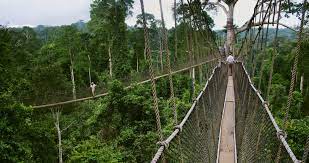
Kakum is a national park that resembles a botanical garden with West Africa’s highest rain forest canopy walkway. It is very beautiful, and there we can see the trees used in traditional medicine, as well as the diseases for which they are indicated.
Canopies are aerial bridges (there are seven) made of rope, which allow an aerial view of the area and the animals that live there. It is one of the most important rainforest parks in the region and is home to around 200 forest elephants. Crocodile ponds and weaver bird community at Hans Botei.
After the visit, we will stay at Mama Lees Lodge in Cape Coast and enjoy lunch and dinner.
Meals: Buffet breakfast, Lunch, Dinner
Early breakfast and departure to visit this ancient kingdom.
Asante empire, West African state that occupied what is now southern Ghana in the 18th and 19th centuries. Extending from the Comoé River in the west to the Togo Mountains in the east, the Asante empire was active in the slave trade in the 18th century and unsuccessfully resisted British penetration in the 19th.
Asante Traditional Buildings (UNESCO World Heritage Sites) – To the north-east of Kumasi, these are the last material remains of the great Asante civilization, which reached its high point in the 18th century. Since the dwellings are made of earth, wood and straw, they are vulnerable to the onslaught of time and weather.
Kumasi is a city and the capital of the Kumasi Metropolitan Assembly and the Ashanti Region of Ghana. It is the second largest city in the country. Kumasi is located in a rain forest region near Lake Bosomtwe and is located about 200 kilometres (120 mi) from Accra. The city experiences a tropical savanna climate, with two rainy seasons which range from minor to major. Major ethnic groups who live in Kumasi are the Asante, Mole-Dagbon and Ewe.
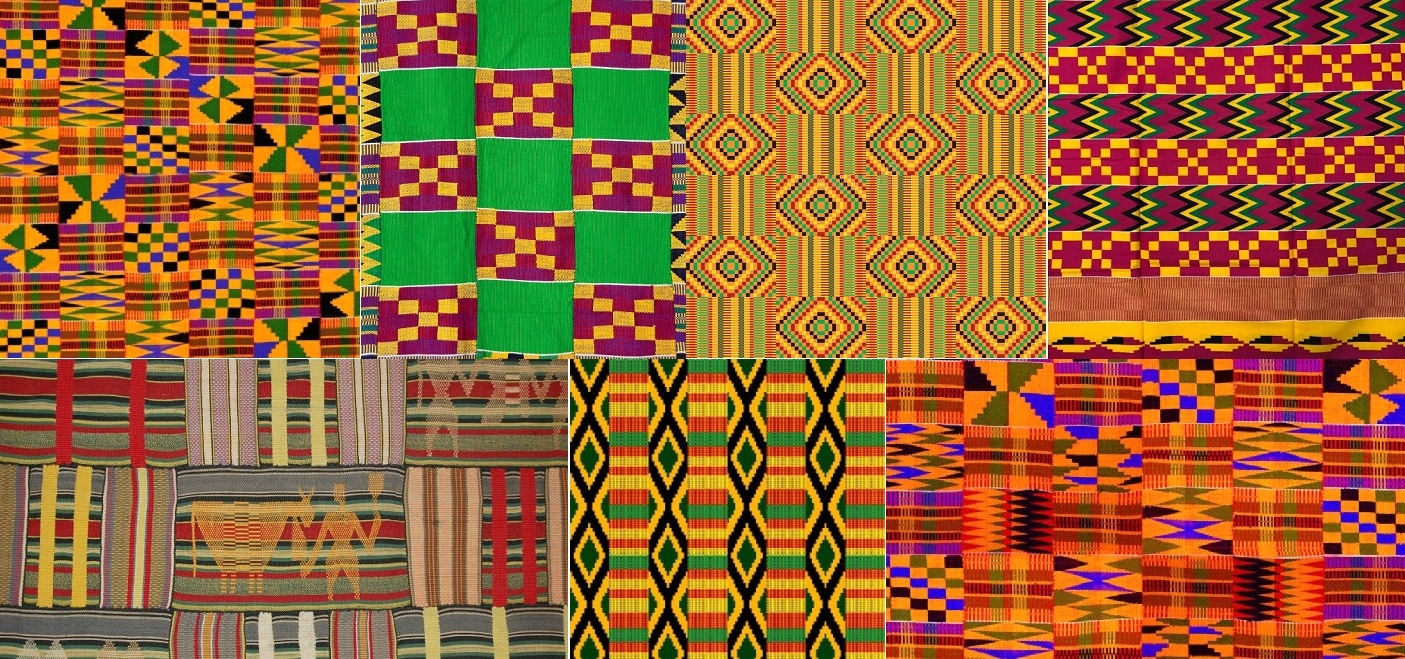
We will visit the Kente artisans (cloth worn only by Ashanti nobles) in the village of Bonwiré. See the adinngra (Ashanti paintings on cloth), the Ashanti Museum, and the sword of Komfoanochi (the all-powerful fetishist who founded the city of Kumasi).
Short break for lunch at noon.
In the afternoon, visit the longest street market in West Africa.
Overnight at the Georgia Hotel. Lunch, dinner, and breakfast included.
Meals: Buffet breakfast, Lunch, Dinner
Breakfast and early departure to the Ghana and Togo borders.
At the border, we will process the visas. We will continue to Lomé, the capital of Togo, approximately five and a half hours away and we should arrive by lunch time.
After lunch, a city tour of Lomé, including lndependence Square, the Grand Marché, Palais de Lomé, formerly a presidential palace, now a contemporary art centre.
Continue to your hotel to refresh and relax.
Accommodation at the Aurore Lome Hotel.
Meals: Buffet breakfast, Lunch, Dinner
Breakfast and depart for Palime.
We will travel along a mountain road, the Fetish Mountains, near the highest mountain in the area, Mount Agu, crossing the tropical forests, with its cocoa, coffee and banana plantations, its small villages with thatched roofs, and its views that will remind us that water and land mix to make the thousands of shades of vegetation and mountains.
On the way, we can visit some markets.
We will park in a small village Akposso, to begin a hike, approximately 50 minutes, through a gallery forest, bordering a river of clear waters and savouring the silence of the jungle until we reach one of the most beautiful waterfalls in the country.
Arrival in Badu.
Accommodation at the Abuta Hotel.
Meals: Buffet breakfast, Lunch, Dinner
Breakfast and departure for Kara, in the Fetish Mountains, crossing the Kutocoli region, where traders and charcoal makers gather thanks to the forests that cover the entire route. Until recently, Kara was a provincial town; today, it is a modern and pretentious city, famous for its lively market. It is the residence of the president.
After a late arrival in the Tatasomba village, explore the indigenous population: the Tamberman or Tata Somba, from the other side of the Atakora (mountain range separating Togo and Benin).
Their architecturally rich houses are protected by large fetishes representing the spirits of ancestors and animals sacrificed during ceremonies. It is one of the best-preserved sites in West Africa.
We will take a 2-km hike to learn about their culture and admire their people and architecture.
Overnight at Tata Somba Camp.
Meals: Buffet breakfast, Lunch, Dinner
Breakfast in the morning. We will then head to the nomadic village of Boukoumbe, located at the Togo and Benin borders, where we will process visas.
This day we will undertake a long hike. We will start from Tata Sumba, Asta Ouidah, we can see more of the Tata’s small villages and some markets we find along the way. It’s a long day, almost 10 hours.
Arrival in Ouidah.
Overnight at the hotel to start taking part in the voodoo festival which begins the same night. Many surprises await you.
Accommodation: Residence 2 M.
Meals: Buffet breakfast, Lunch, Dinner
After breakfast, in the morning, relax at your hotel, preparing for your Voodoo Festival experience.
We will spend a very special day experiencing the most impressive Voodoo festival. Voodoo, from the French Creole word “voudou,” in turn from the Ewe Vodu spirit, is a religion originating in West Africa, where it is still practiced today by members of the Ewe, Kabye, Mina, and Fonde ethnic groups in Togo and Benin.
This annual festival is the most vibrant and colorful event in West Africa, featuring Voodoo dolls and devotees dressed in animal skins singing and dancing to the beat of drums, as well as horse racing on the beach and food and drink.
Mid-morning, followers of various Voodoo cults will gather at the “Port of No Return,” a monument dedicated to those who left the shores of Benin through slavery, to celebrate the Voodoo Festival. In 1996, the Benin government declared Voodoo, practiced by 60% of the population, the official religion, and every January 10, a grand festival is held to celebrate.
Voodoo is among the oldest religions in the world.
The slave trade to the Americas produced a strong phenomenon of syncretism between this complex and well-defined Yoruba mythology, along with those of other African cultures and Christian beliefs, as well as with the native religions of the places where the slaves were transported. From here, Haitian Voodoo and a large number of derivatives emerged: the Regla de Ocha or Santeria in Cuba, Santeria in the Dominican Republic, Candomblé, Macumba, Umbanda, Tambor de Mina, and Quimbanda in Brazil, as well as other Africanist manifestations in Colombia, Puerto Rico, and other countries in the Caribbean and South America. What we will experience is beyond description. At the end, we will spend the night at the Ile Ife Guest House.
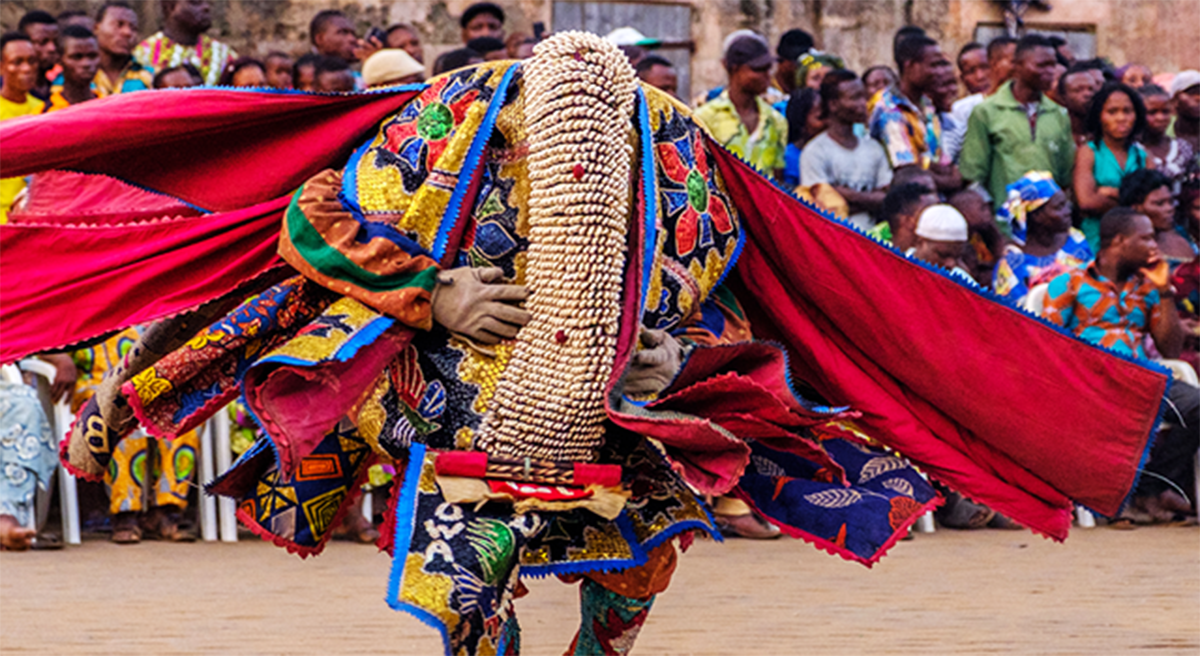
Experience the mysteries of Voodoo as followers of various temples perform their own rites and rituals. In this ceremony, we will witness the dancers enter a deep trance as they are possessed by ancestral spirits. At sunset, we will attend a ceremony of Egungun dancers (masked dancers said to represent the dead in society) in the village square.
Return to your hotel to refresh and relax before enjoying Ouidah’s nightlife.
Meals: Buffet breakfast, Lunch, Dinner
Breakfast and visit to Abomey, the former capital of the Kingdom of Dahomey.
The former kingdom of Danxome. The name of the country during the French colonial period (until its independence on August 1, 1960, when it adopted its current name, “Benin”) was Dahomey. This name comes from one of its former kingdoms, that of Danxome, a powerful empire that dominated the Gulf of Guinea, destroyed numerous enemy tribes, and even sold many prisoners into slavery.
In fact, not only the Portuguese and the French captured Black people for enslavement: some Beninese kingdoms did so as well.
Our destination is the fishing village of Bopa, where an elder specialized in traditional medicine lives and is the guardian of the god Shango (god of thunder).
After the visit, we will head towards Abomey.
Arrival, transfer to the hotel at the Abomey Hostel.
Meals: Buffet breakfast, Lunch, Dinner
Early breakfast.
We will visit the Royal Palaces of Abomey (UNESCO World Heritage Site) – From 1625 to 1900, 12 kings succeeded one another at the head of the powerful Kingdom of Abomey. With the exception of King Akaba, who had his own separate enclosure, they all had their palaces built within the same cob-wall area, in keeping with previous palaces as regards the use of space and materials.
The royal palaces of Abomey are a unique reminder of this vanished kingdom.
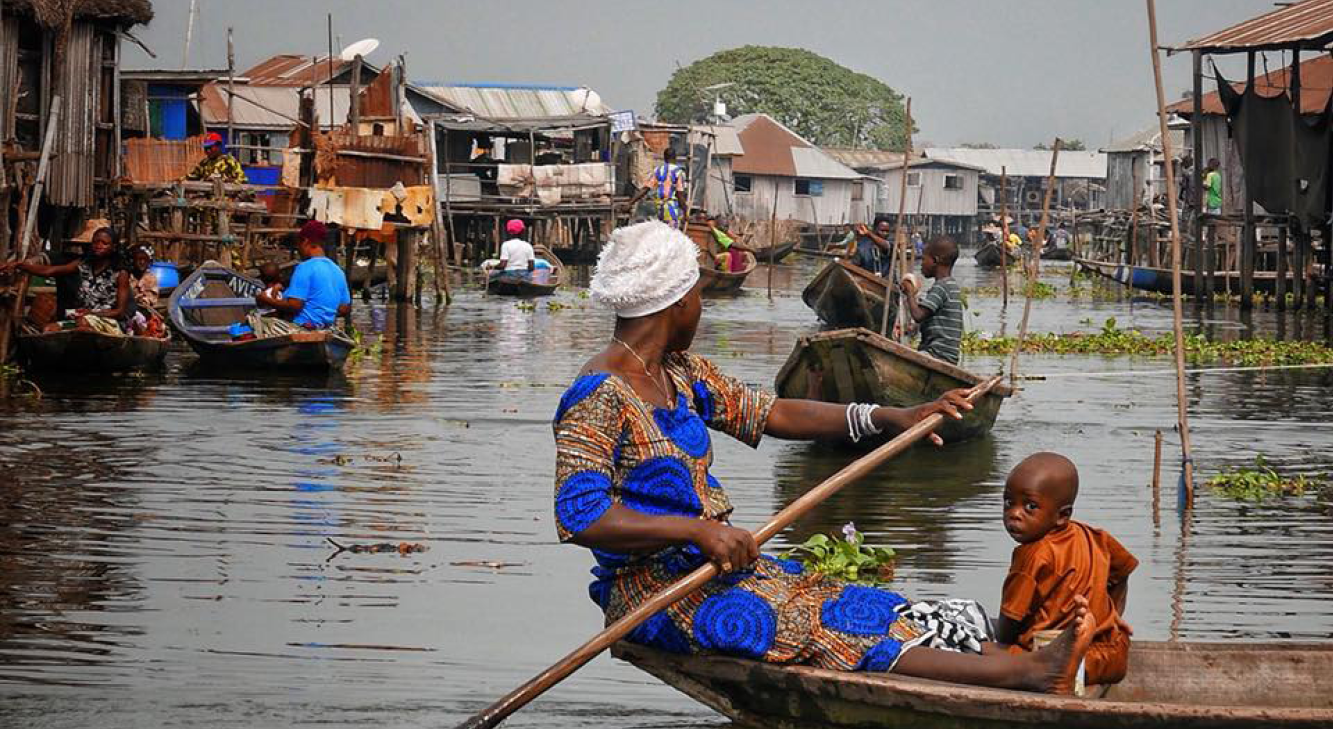
Departure for Ganvie, on the coast of Benin, one of the most impressive places in West Africa, its own Venice.
Ganvié (UNESCO World Heritage Site) is a lakeside town of 60,000 inhabitants, founded in the 16th century as a refuge for the Tofi ethnic group, who avoided being enslaved. It’s fascinating to stroll along the canals and see the daily life of its inhabitants.
We travel by canoe among its bamboo houses and visit the floating market.
Return to Cotonou and overnight stay.
Overnight at Hotel Du Lac
Meals: Buffet breakfast, Lunch, Dinner
We will have breakfast and Visit Dantokpa, Cotonou’s central market, considered the largest in West Africa. This market brings together all the country’s ethnic groups, and is a place where you can find absolutely everything. One of the highlights is the fetish district, one of the most impressive parts of the market.
Return at the Hotel Du Lac, we will rest by the hotel pool until departure time for the airport to take our return flight.
Safe delivery to airport 2 hours before your evening flight.
Meals: Buffet breakfast, Lunch, Dinner.
END
Register here for the trip and further details will be sent
https://forms.gle/3AkTSZBDDWe2gFhd8
Travel@hodophileexperience.com
Rates:
Solo Traveller – on request
02 pax EUR2800 per person
03-04 pax EUR2100 per person
05-06 pax EUR2225 per person
07-10 pax EUR1700 per person
11-15 pax EUR1400 per person
Accommodation shared Double/Twin rooms
Single supplement: EUR150
30% payment required on booking
Remaining payments can be done in 2 instalments with the final payment, 4 weeks before departure.
Cancellation fees apply – for further details see:
https://hodophileexperience.com/index.php/about-our-trips/


Will be sent with full itinerary when confirmed

Will be sent with full itinerary when confirmed