+351 965 133 699
travel@hodophileexperience.com

Price Includes:

Price Excludes:
** pricing advised is an estimate value based on survey performed in May22.
Extra:
– Plane ticket reservation: €30
Register here: https://forms.gle/3AkTSZBDDWe2gFhd8
Email us at: travel@hodophileexperience.com
Meeting at the airport according to the schedule of your arrival.
Transfer to the hotel.
Dinner and overnight at the hotel.
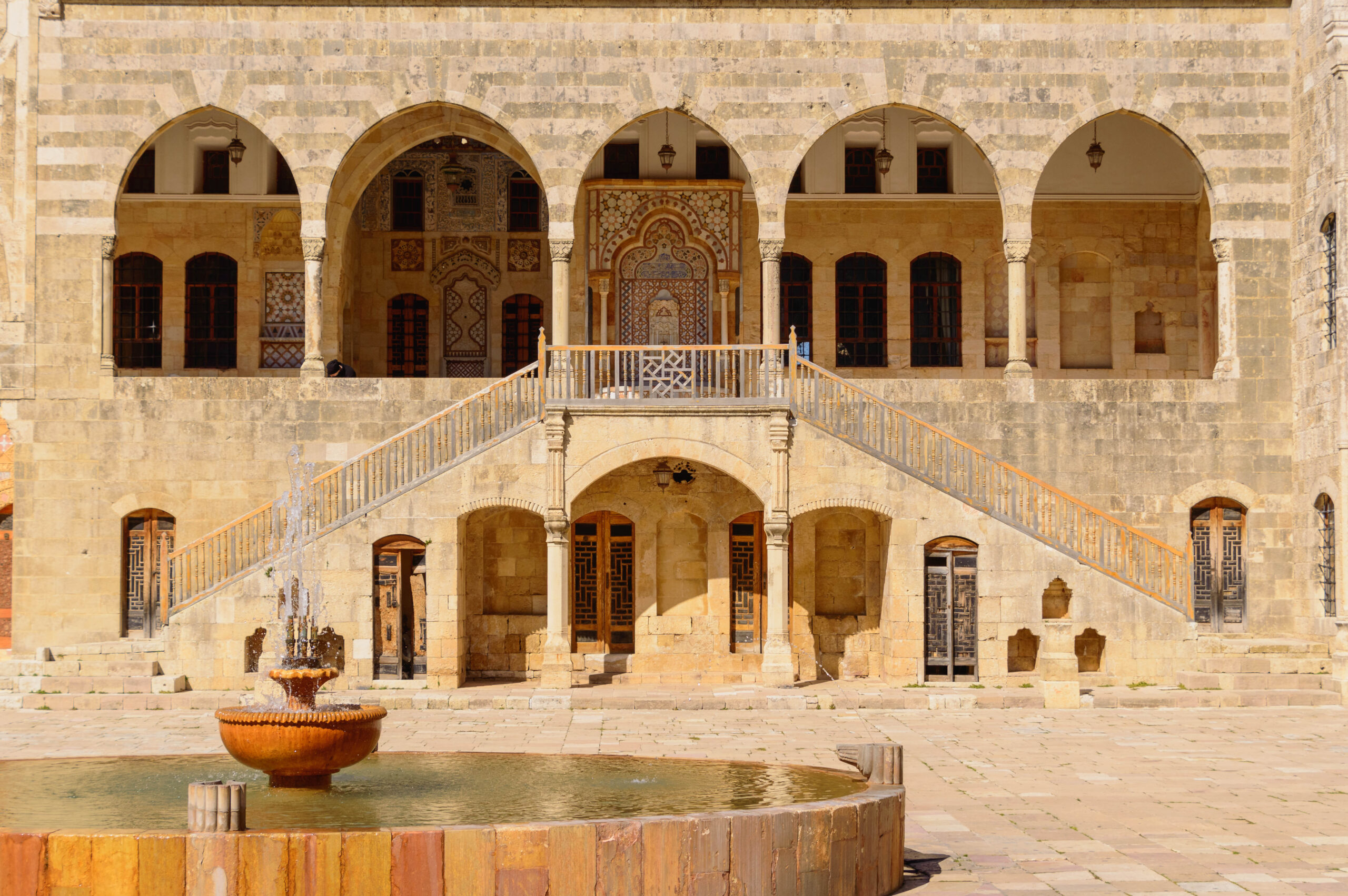
Breakfast at the hotel. Departure towards Beit Eddine and visit of the Palace.
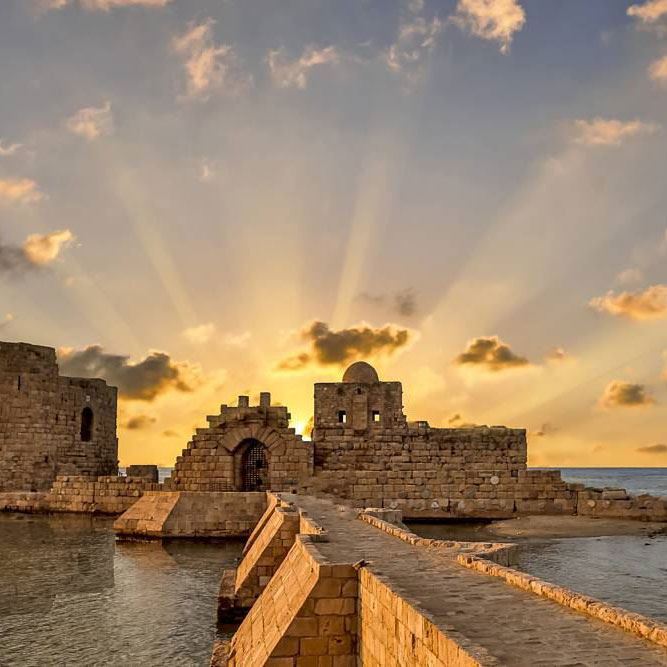
Continue to Sidon.
Sidon (or Saïda): Port city of the Lebanese coast, mentioned to in many documents since the fourteenth century.It was, for a long time, a very active shopping center.
Dominated by a citadel and open to a port, the third in Lebanon, it continues, as in the past, to be surrounded by vegetable gardens, banana and lemon trees. And while its old quarters still retain their medieval charm, its main streets are lined with modem shops where all kinds of goods and pastries accumulate.
To Beirut.
Our final stop will be Chateau Ksara Lebanon’s most famous winery. We’ll visit the natural caves which are used by the winery and enjoy a wine tasting of your choice!
To Beirut. Dinner and overnight at the hotel.
Breakfast at the hotel.
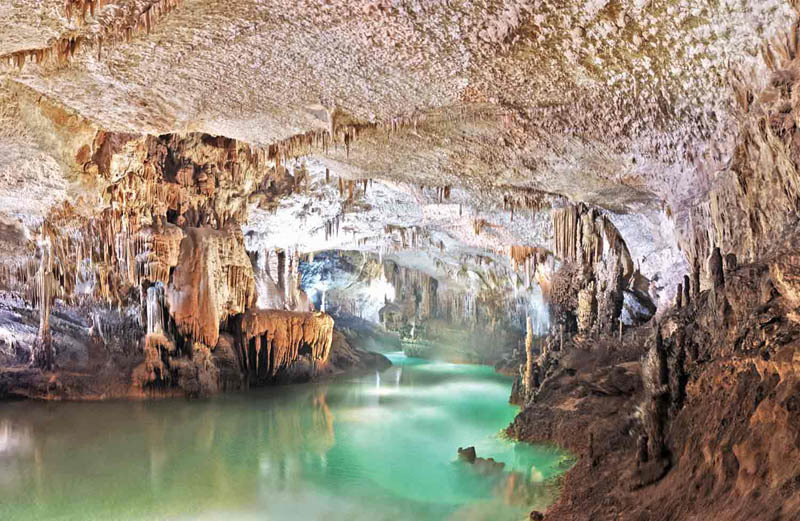
The Jeita Grotto is a system of two separate, but interconnected, karstic limestone caves spanning an overall length of nearly 9 kilometres. The caves are situated in the Nahr al-Kalb valley within the locality of Jeita, 18 kilometres north of the Lebanese capital Beirut.
Though inhabited in prehistoric times, the lower cave was not rediscovered until 1836 by Reverend William Thomson; it can only be visited by boat since it channels an underground river that provides fresh drinking water to more than a million Lebanese.
Continue to Byblos. Lunch along the way.
Located 40 km north of Beirut, Byblos is one of the oldest cities in the world. Human presence has been registered on this same site, since about 9000 years ago. A flourishing city under the pharaonic empire during the 3rd and 2nd millennium BC
It was a prestigious commercial, religious and cultural centre of the Canaaneo-Phoenician coast.
Back to Beirut.
Breakfast at the hotel.
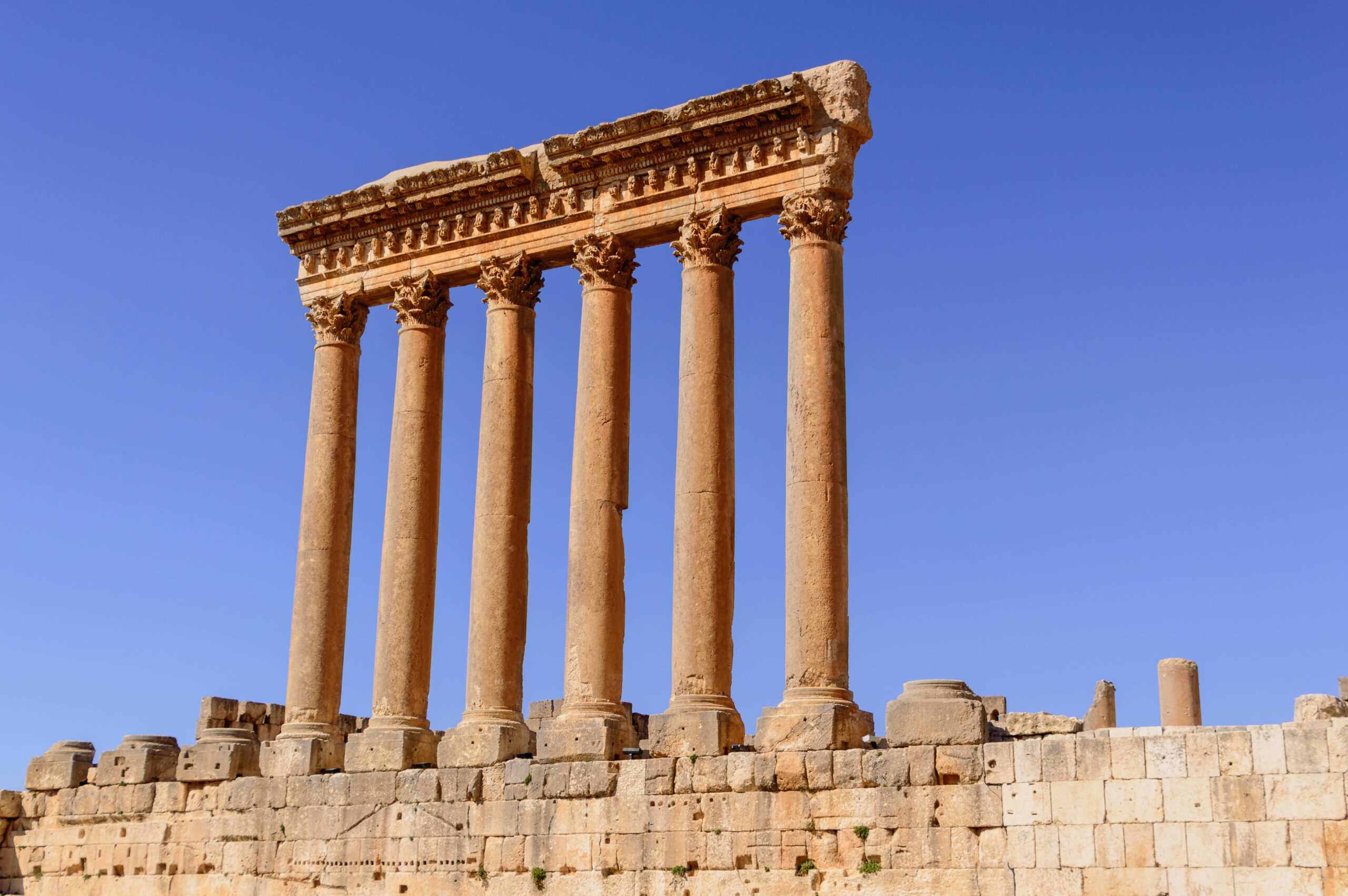
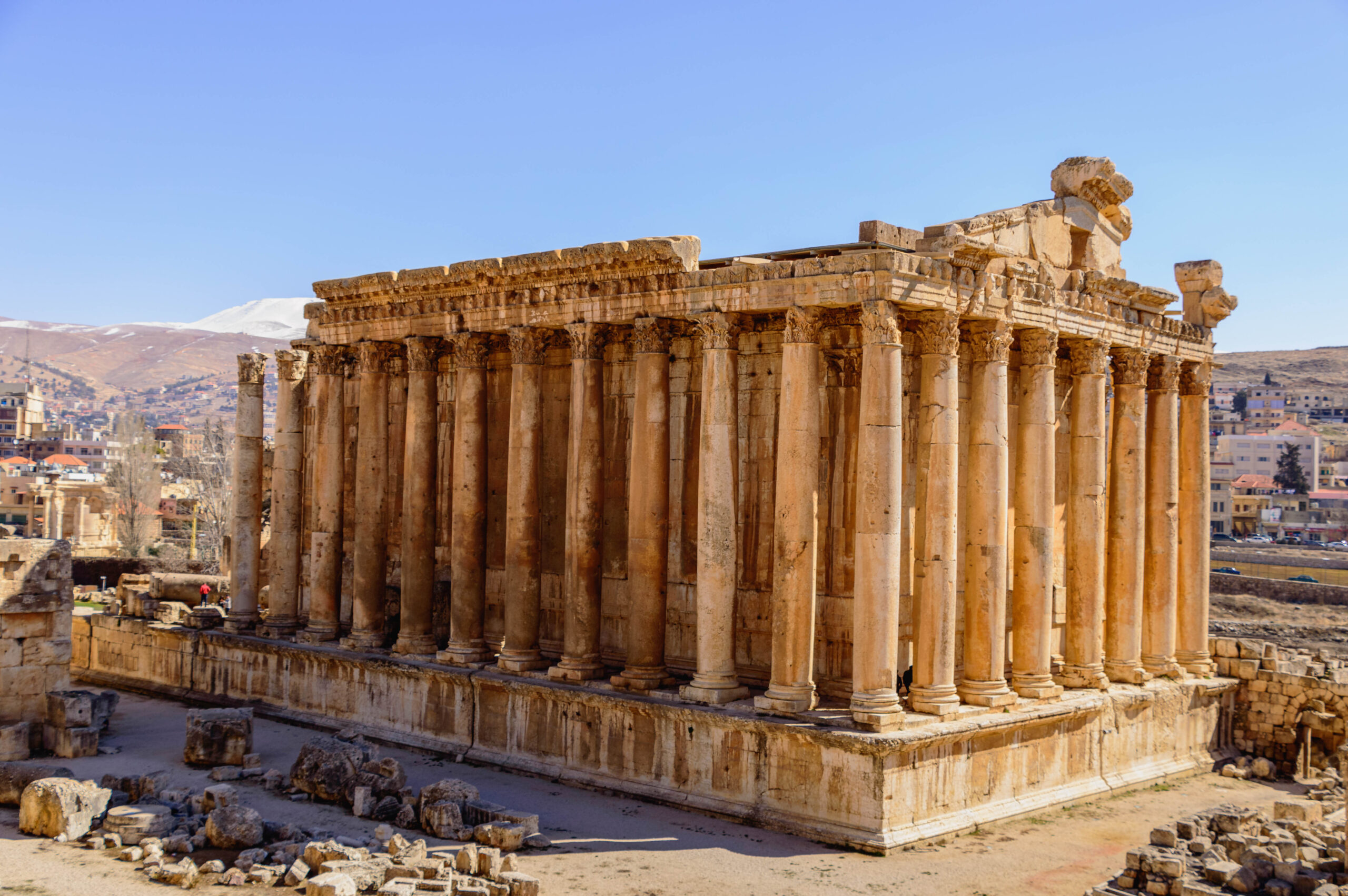
Visit of Baalbek: Baalbek is an emblematic site of Lebanon.
The first traces of human occupation on this site date back to the 3rd millennium BC. AD incorporated into the empire of Alexander the Great, the city was called Heliopolis in tribute to the Sun God. The city was then included in the Roman Empire.
Fabulous buildings were built there. Thus, the temple of Jupiter would have outgrown everything that was built in the Empire, including Rome!
Anjar: Umayyad city dating from the eighth century, it was built under the order of Caliph Walid I. It was located on the caravan route and was therefore an important shopping center.
It owes its name to the source Ayn al-Jar that once fed a lake on which Noah’s Ark had landed.
Continue to Damascus.
Breakfast at the hotel.
Guided tour of Damascus. Lunch during the visit.
The National Museum – Its visit provides an overview of the civilizations that have succeeded in Syrian soil. It contains statues, seals, jewellery, masks, mosaics, tablets and weavings from the most important sites in the country.
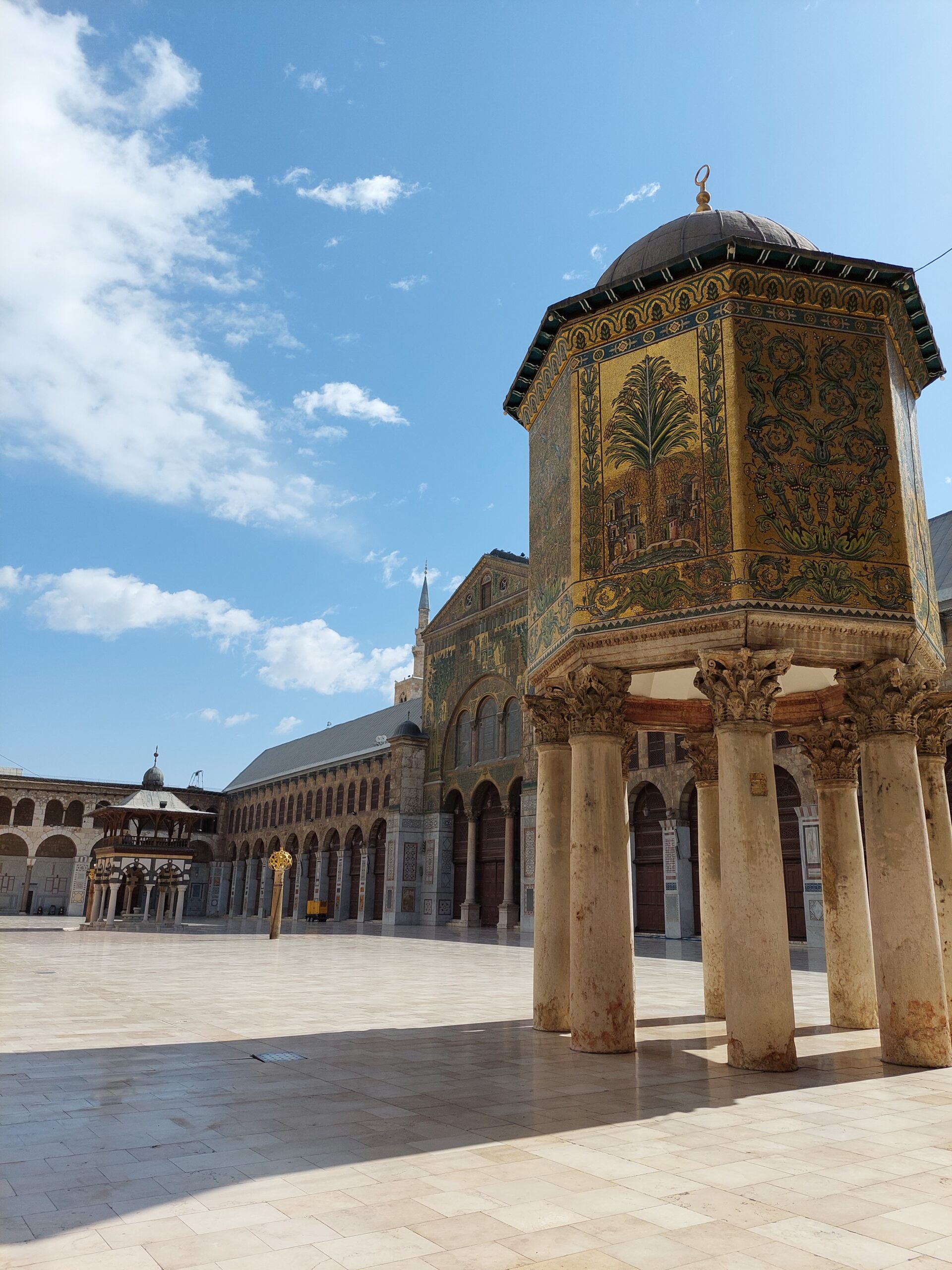
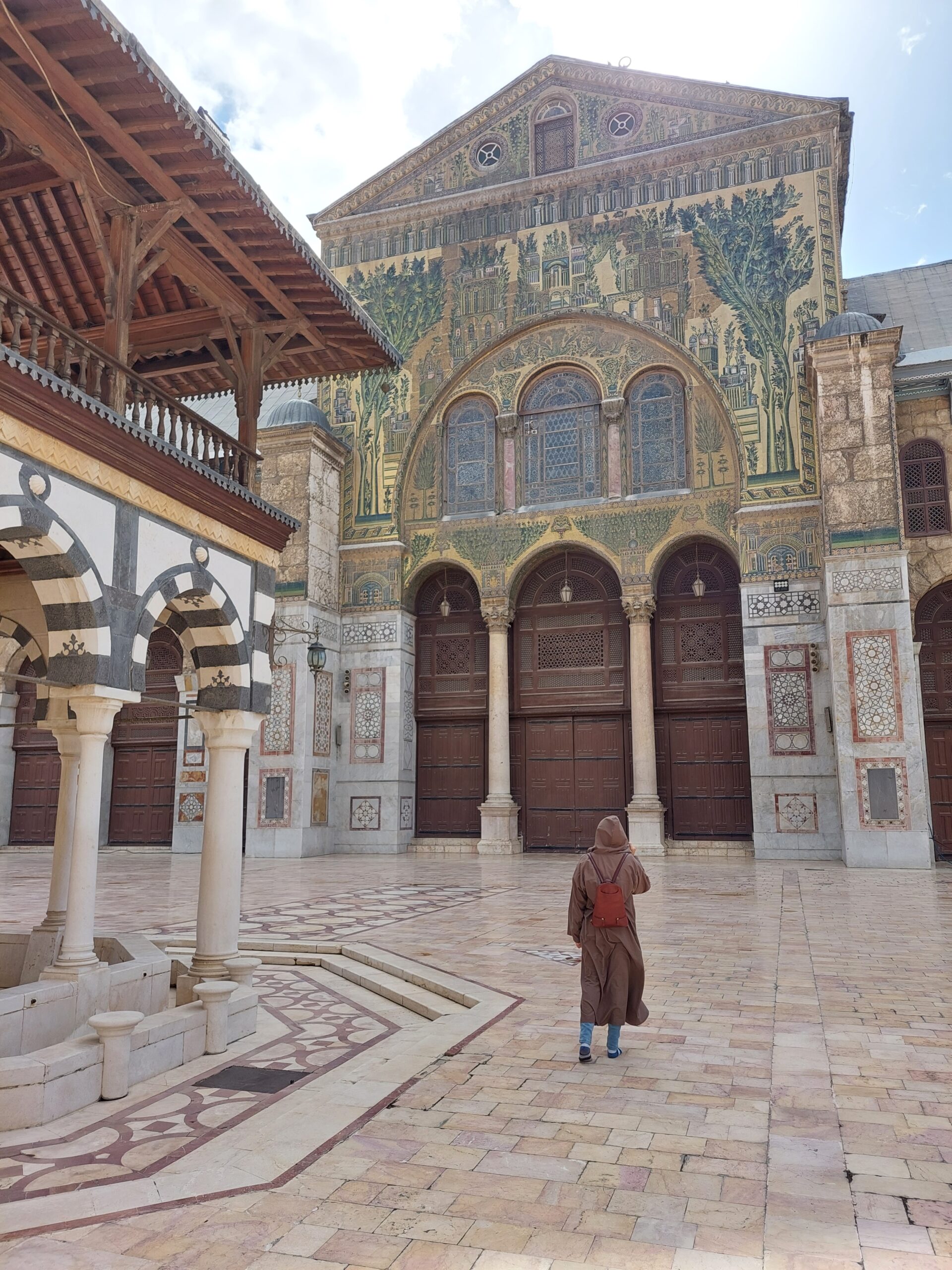
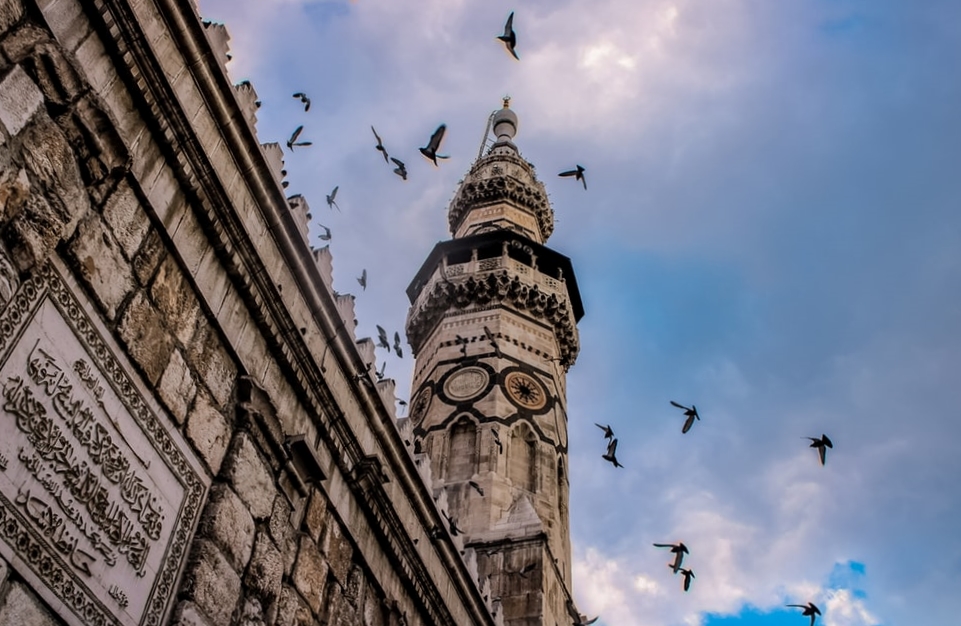
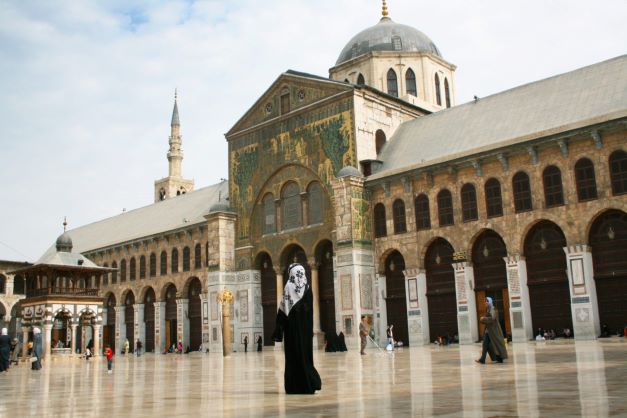
The Umayyad Mosque – Located in the heart of the Medina, the mosque is distinguished by its prayer room, its courtyard and its walls covered with mosaics.
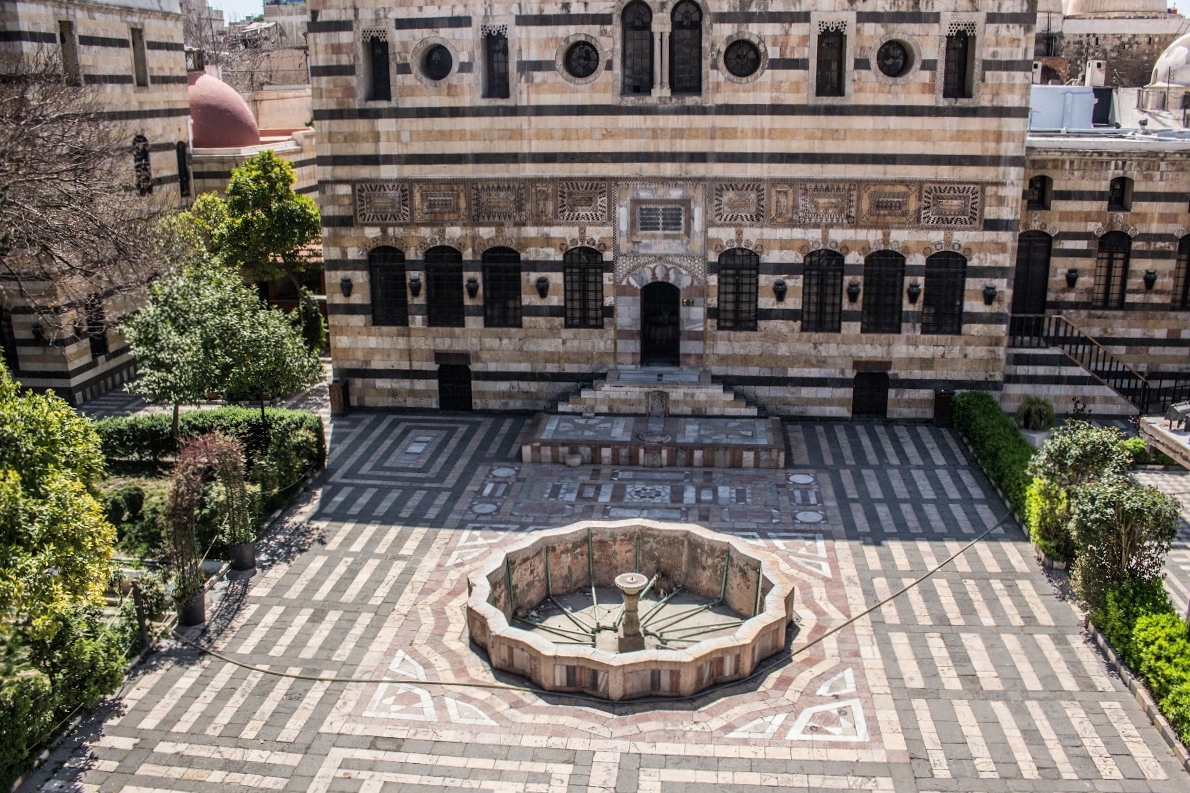
“EI-Azem Palace: Not far from the Great Mosque, in the labyrinth of the souk is the palace EI-Azem. It is considered as the sumptuous model of the Damascene house whose exterior simplicity and sobriety do not suggest anything about a beautiful and rich interior, with many varieties of flowers, fruit trees and water jets”
Saint Ananian Church: lt is of particular importance because it is attached to the memory of Saint Paul. Before his conversion to Christianity, he had a vision here that blinded him for several days and gave him an unshakeable faith.
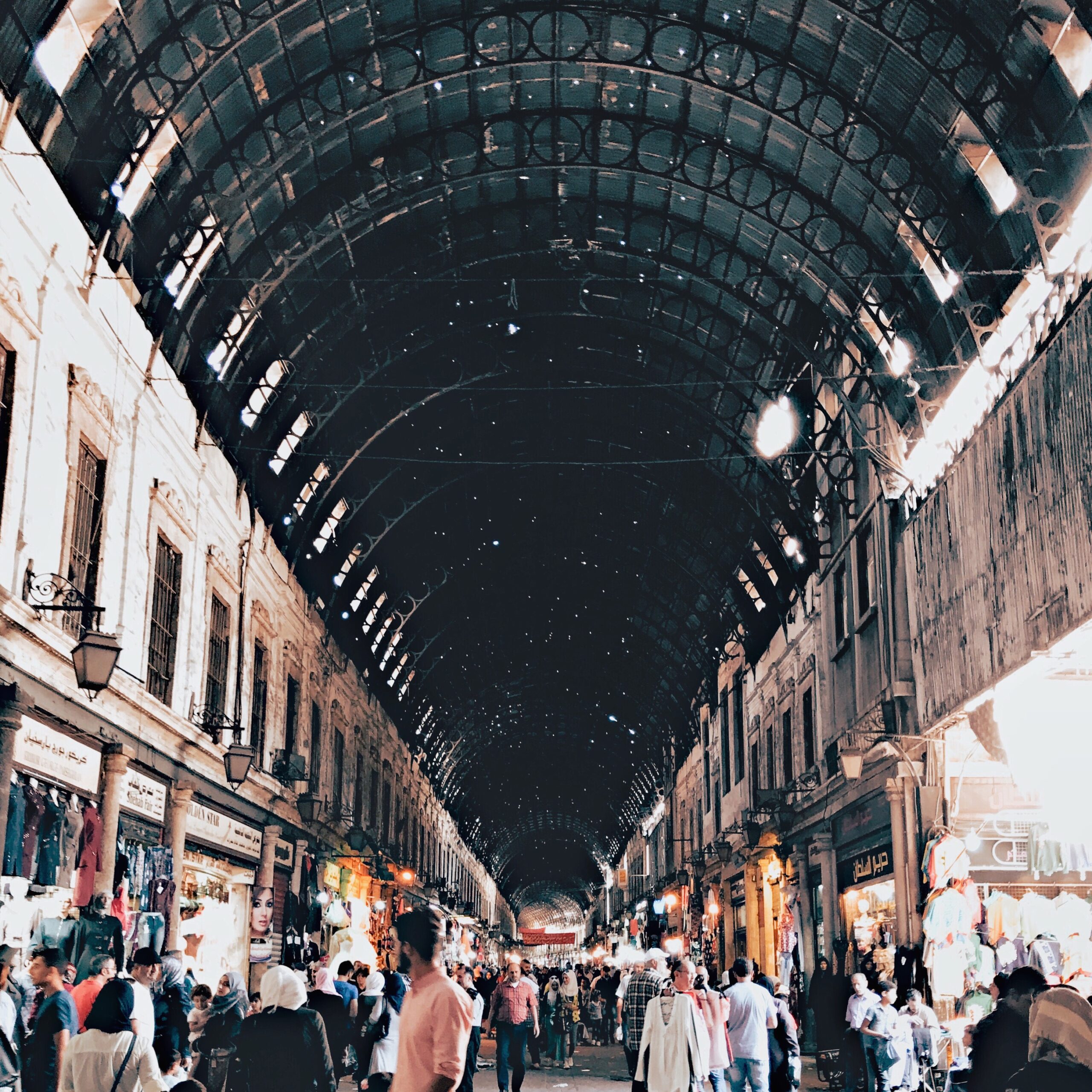
Souk AI-Hamidiye: The most beautiful souk of Damascus. lts shops display ali sorts of goods, especially clothes, fabrics, pastries and handicrafts.
Overnight in Damascus.
Breakfast at the hotel.
Departure towards Maaloula village famous for its houses dug in the rock like beehives and especially because it still speaks Aramaic, the language of Christ!
Visit the Crac des Chevaliers: Most famous Fortress of the Middle Ages. It is the symbol of an era of bloody struggles between Muslims and Crusaders. The crusaders made it the basic element of their system of strongholds on the coast.
It is so vast and so impregnable that it has become the symbol of a whole era of bloody struggles between Muslims and Crusaders.
Continue to Al Mishtaya, overnight at the hotel.
Breakfast at the hotel.
Departure to Palmyra: The one that the Romans baptized Palmyra (the city of palms), and that the Syrians call Tadmor (miracle in Aramaic), is the most important oasis of the Syrian desert.
Located 240 km from Damascus, Palmyra is the city of all superlatives.
It arises in the midst of golden sands that extend to infinity. An oasis of columns, remains and palm trees that testifies to the splendour of this city that made, one day, tremble Rome …
The temple of Bel: It was for the Palmyrenes what Zeus was for the Greeks. Its temple is the largest and most majestic building in Palmyra, a unique example of fusion between Greco-Roman and oriental-inspired architecture.
The theatre and the big colonnade: It crosses the city on more than one kilometre, by which the caravans arriving from the desert, passed.
Tombs: including tombs towers, tombs dug, tombs temples or individual tombs.
Continue to Damascus.
Breakfast at the hotel.
Transfer to the airport according to flight schedule, flight on scheduled flight or transfer back to Beirut.
Group minimum 06
Rates:
EUR1200 Per person sharing
Accommodation in Double/Twin rooms, increment 1 single room.

Will be sent with full itinerary when confirmed

Will be sent with full itinerary when confirmed

Click here to check the visa requirements for Lebanon
Click here to check the visa requirements for Syria
 Trip Highlights:
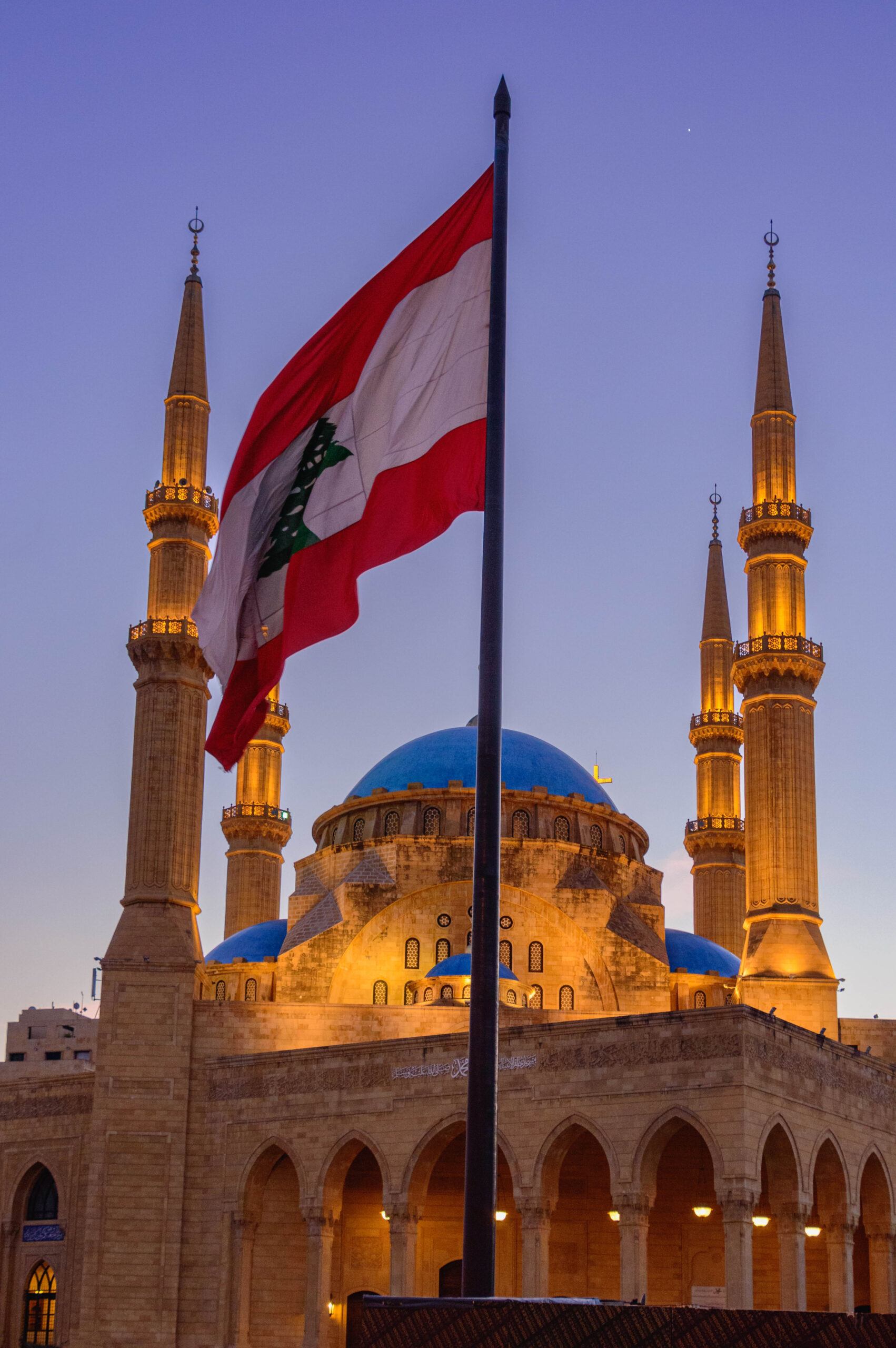
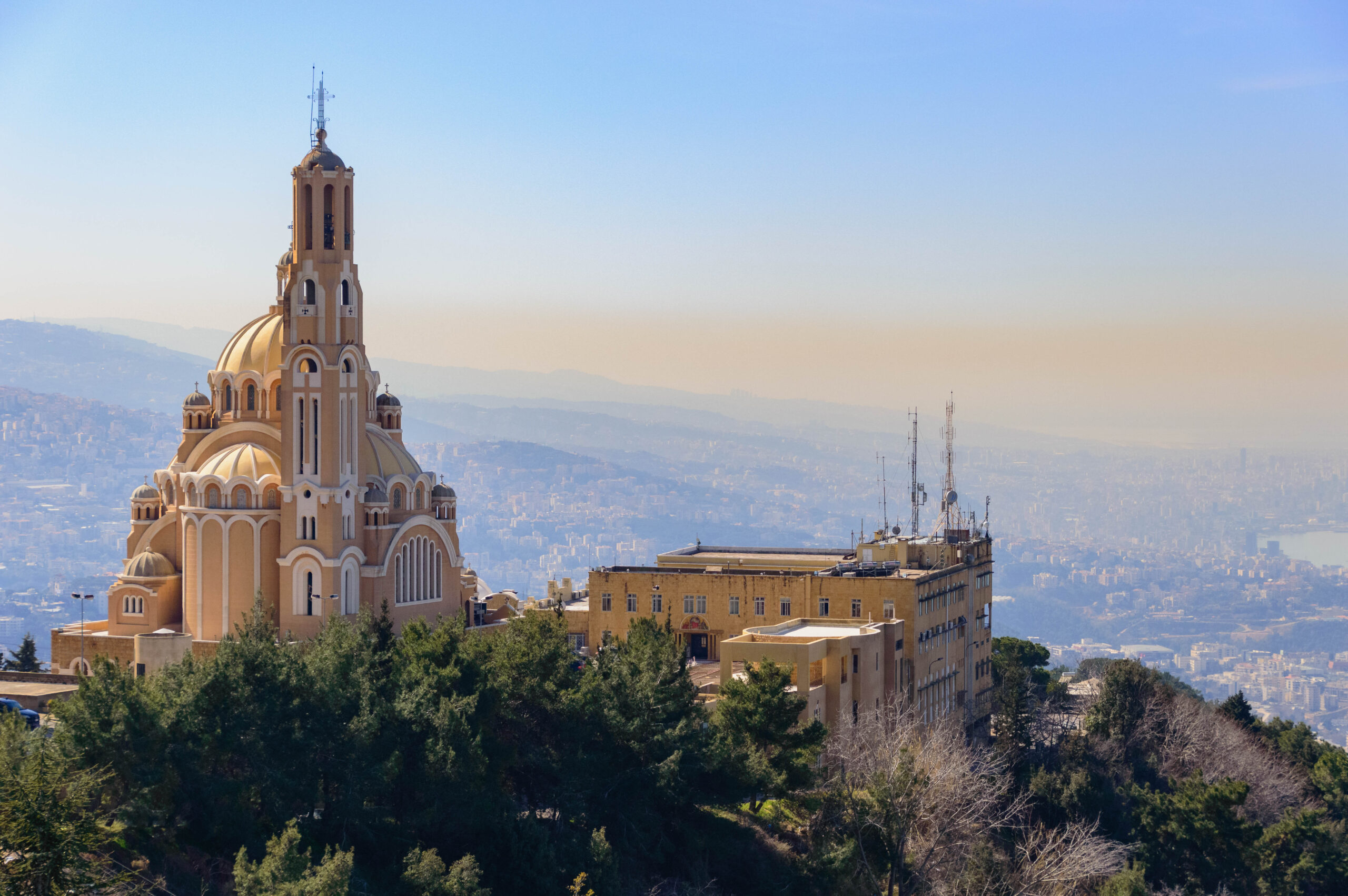
LEBABON
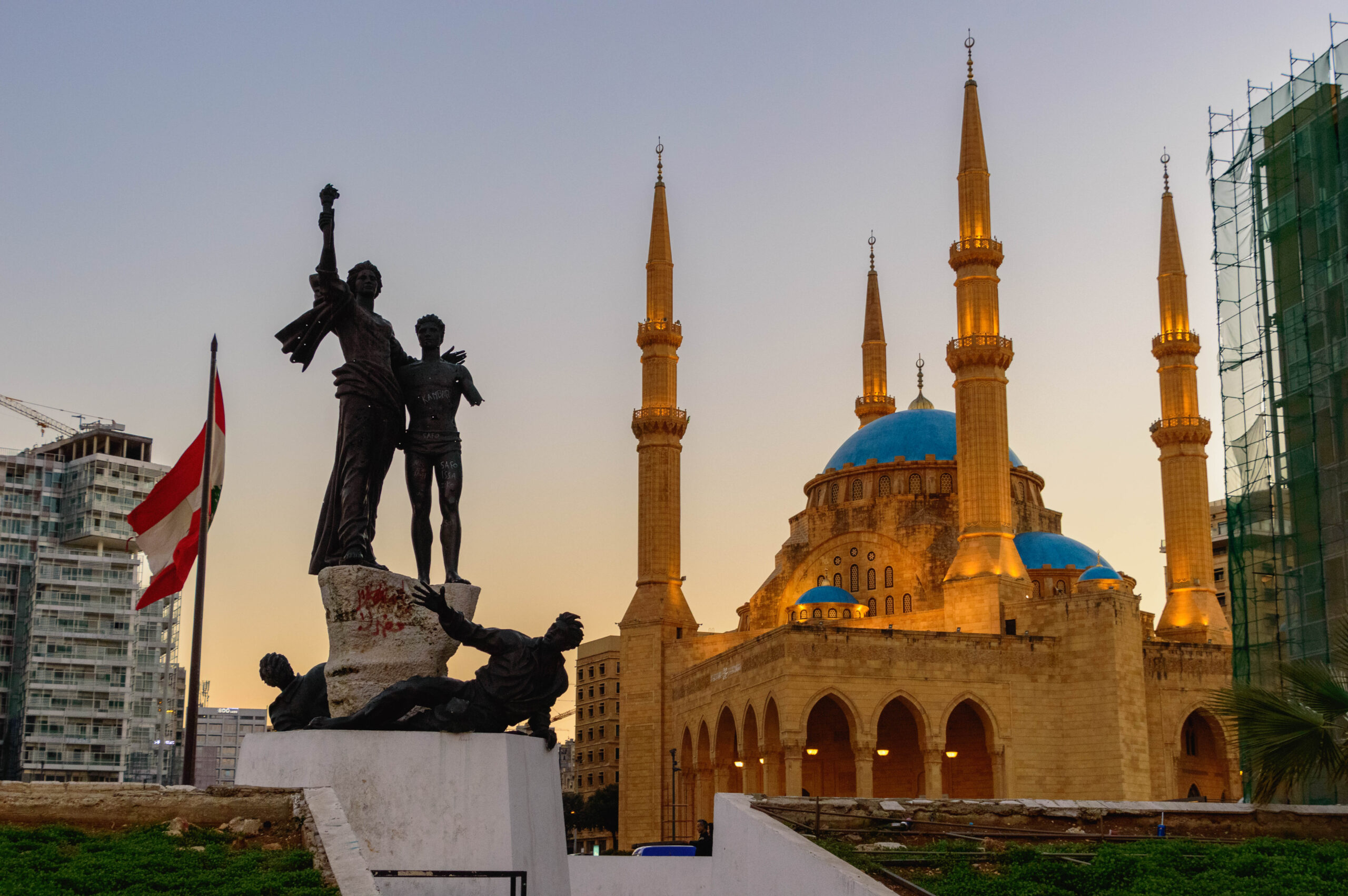
Beirut
Baalbek
Byblos
Jeita
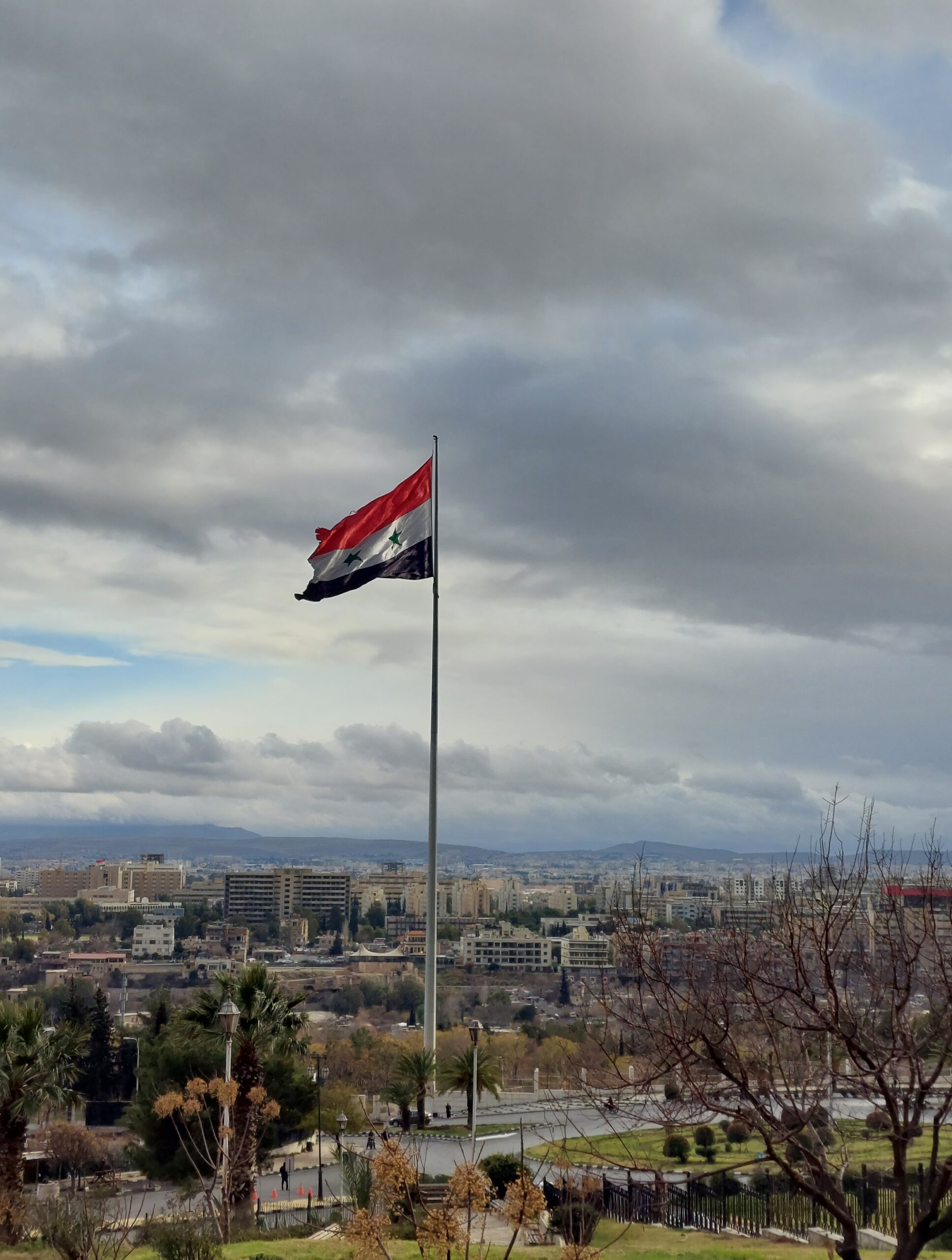
SYRIA
Historically known as the cradle of civilization.
Damascus – old and new
Traditional Souks
Maaloula village
Palmyra
Most famous fortress of the Middle Ages