+351 965 133 699
travel@hodophileexperience.com





Price Includes:

Price Excludes:
** Based on the survey done in the month of April 2026.
Register here: https://forms.gle/3AkTSZBDDWe2gFhd8
Emails us at: travel@hodophileexperience.com
Hodophile Experience cannot be held responsible for any travel disruptions due to very rare but possible flight delays. All participants are required to have travel and medical insurance on all our trips to protect against any additional costs.

Price: €1350 per person (double occupancy)
Single supplement: €325
Departure: For travel at your convenience
To reserve your place, contact us.
Double room accommodation (shared). Single supplement EUR 325.
(Turkish Airlines direct flight from Istanbul (IST) to Damascus (DAM) arrives at 00:30 or 10:35 depending on the day)
Once you complete the entry formalities and claim your baggage, you will meet our representative in the airport arrivals. Transfer to the hotel in Damascus.
Check-in at the hotel and get some rest.
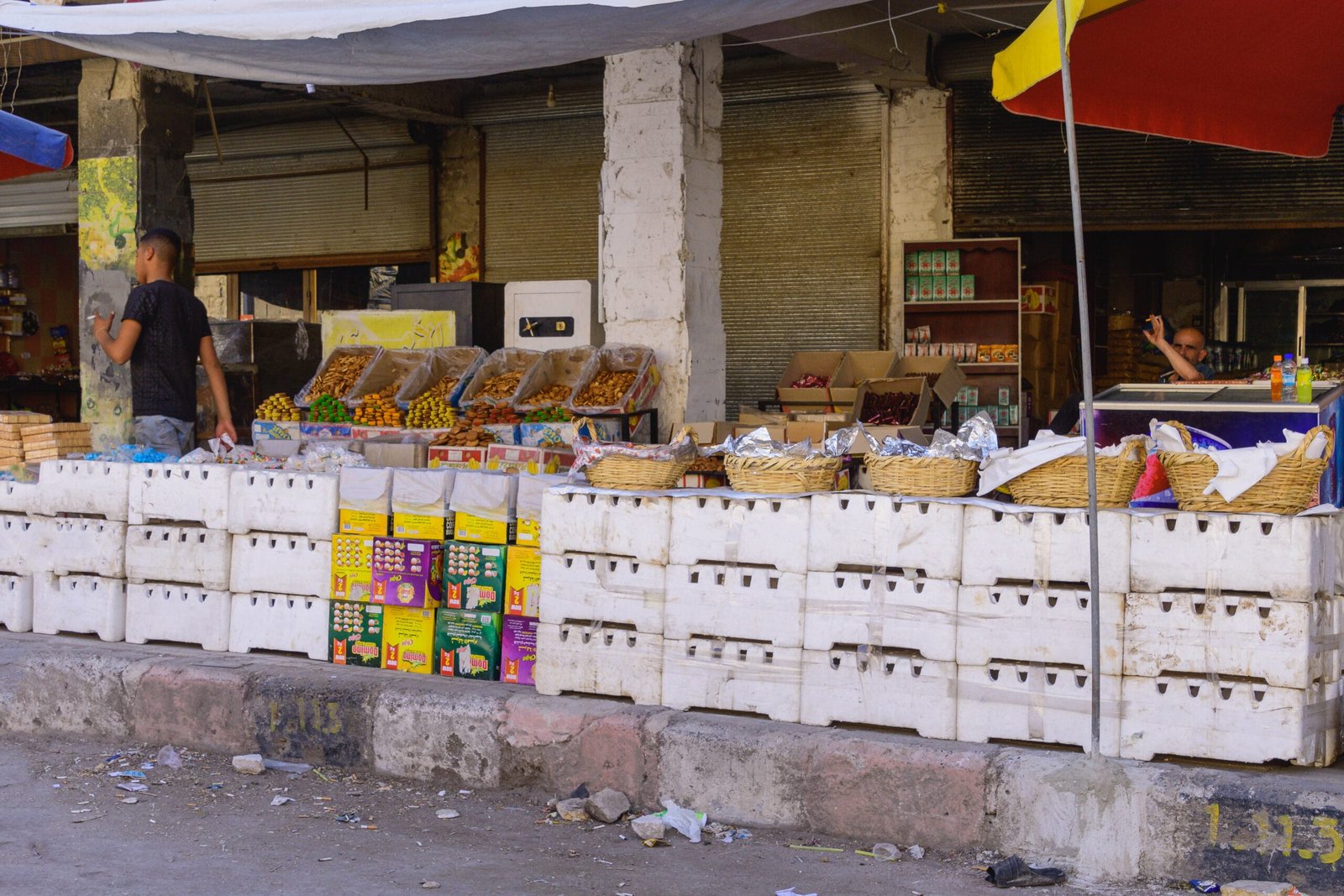
In the afternoon and evening, wander through the alleys of the old town of Damascus, the bazaar, the shopping areas.
Breakfast at the hotel.
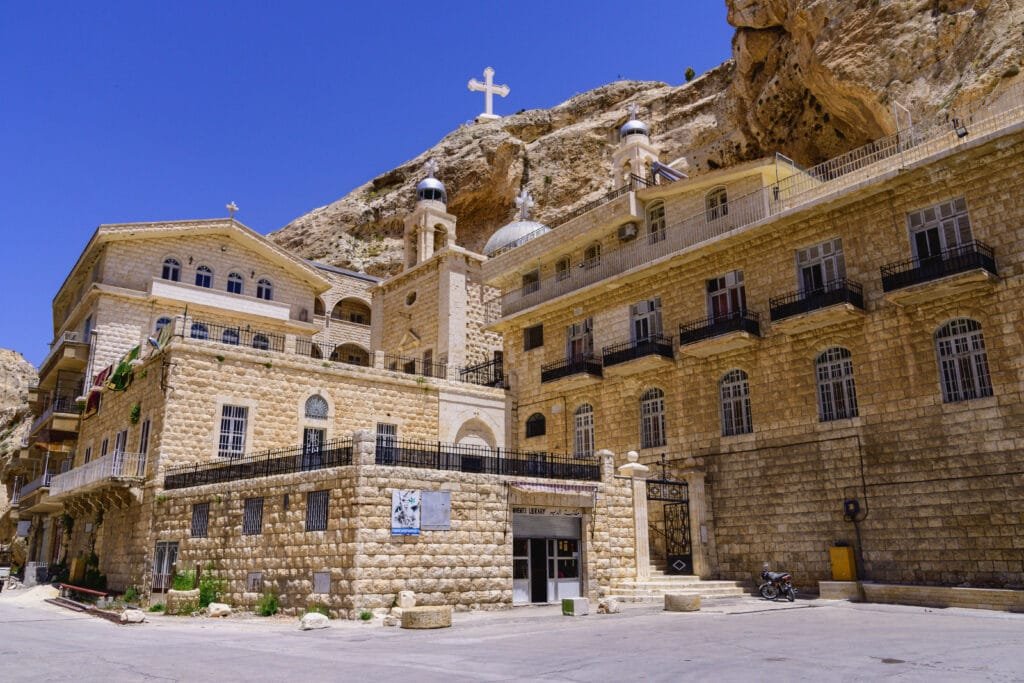
Departure towards Maaloula, a village famous for its houses dug in the rock like beehives and especially because it still speaks Aramaic, the language of Christ!
On the way we stop at Sednaya, a city in the mountains home to the Greek Orthodox Our Lady of Saydnaya Patriarchal Monastery.
Maaloula is one of the last places in the world where the ancient Aramaic language is still alive. The village is also home to the St. Thecla Monastery and the Sts. Sergius and Bacchus Monastery.
Continue to Krak des Chevaliers, the most famous fortress of the Middle Ages and a UNESCO World Heritage Site. The crusaders made it the basic element of their system of strongholds on the coast — so vast and so impregnable that it became the symbol of the Crusader era.
Breakfast at the hotel.
Today we head towards the Mediterranean coast.
Safita: Located 30 km from Tartous, a picturesque town with the Castle Blanc, built by the Knights Templar during the Crusades, offering panoramic views of the countryside.
Amrit: Founded in the Amorite era in the third millennium BC, located 7 km south of Tartus. Rich in antiquities including a Phoenician temple and an Olympic stadium considered one of the oldest sports facilities in the world.
Ugarit: Famous for the discovery of tablets of the oldest consonantal alphabet known to date. The first habitat dates back to the 8th millennium BC.
Overnight in Lattakia.
Breakfast at the hotel.
Saladin Castle (Qal’at Salah El-Din): A UNESCO World Heritage Site, the beautiful citadel built by the Franks on a rocky peak in the middle of the forests. It controlled the roads to and from Lattakia. Saladin seized it in 1188.
Afamia (Apamea): Distinguished by its main street lined with magnificent spiral columns, plus theatre, cathedral, churches, palace and mosaic panels — one of the most remarkably preserved Dead Cities in northwestern Syria.
Arrival in Aleppo.
Breakfast at the hotel.
Aleppo is a UNESCO World Heritage Site. Located at the crossroads of several trade routes from the 2nd millennium BC, ruled successively by the Hittites, Assyrians, Arabs, Mongols, Mamelukes and Ottomans.
The Citadel: Stands in the middle of the city at a height of fifty metres, with admirably designed towers and entrances.
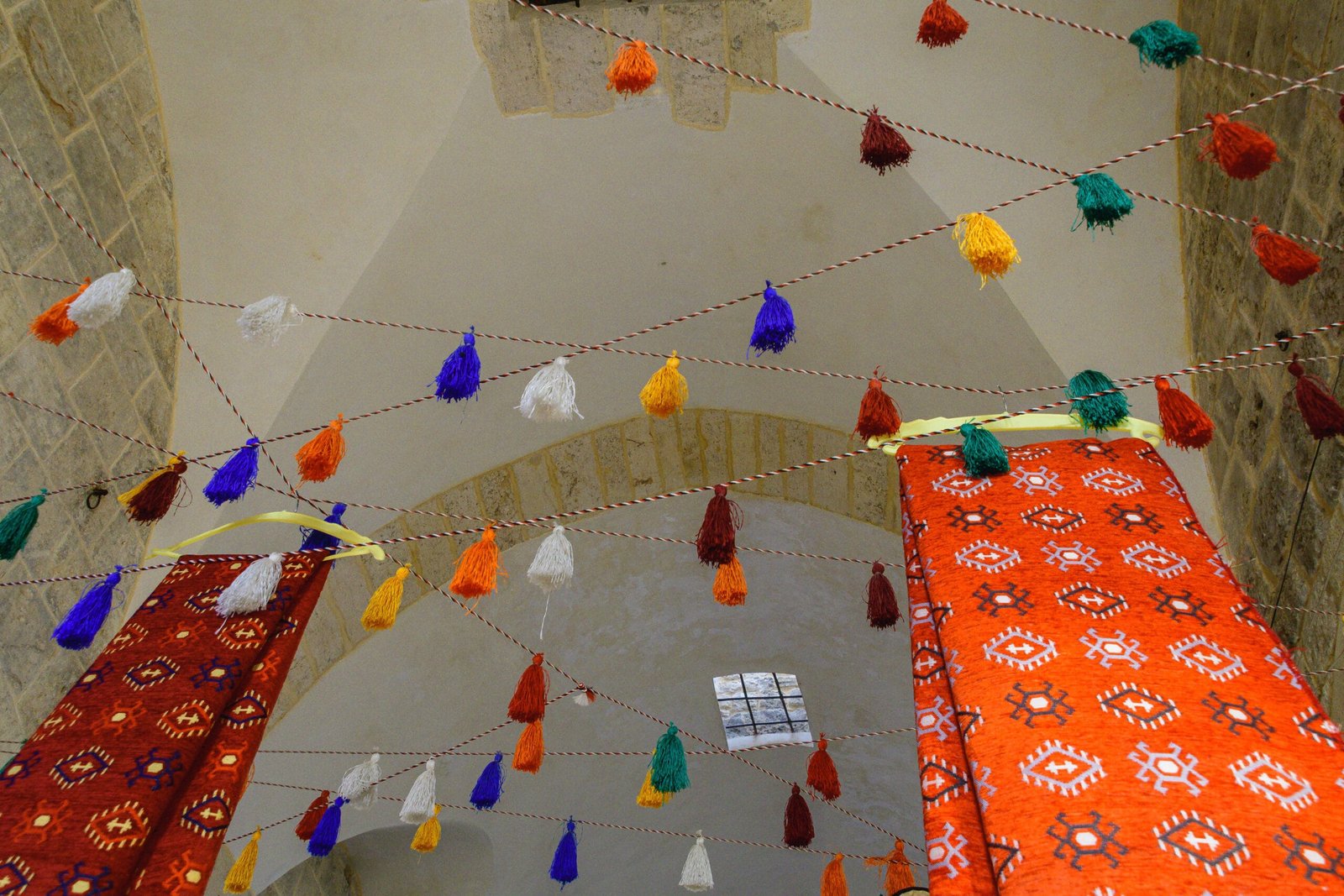
The Souks: The covered souks of Aleppo date back to the 15th and 16th centuries. Their coffered vaults and enormous cupolas are real living museums offering a true image of medieval commercial districts.
Note: Syrian food is amazing, but it is especially delicious in Aleppo.
Breakfast at the hotel.
Serjilla — one of the finest examples of the Dead Cities, a collection of abandoned Byzantine-era villages that thrived between the 1st and 7th centuries AD. Stone walls still stand tall; outlines of homes, bathhouses, churches and public squares remain visible.
Dead Cities: Dating from the 1st to the 7th centuries AD, this region is one of the most important areas in the history of Christianity, including St. Simeon Church, Al Bara, Qalb Lozeh and Kerbizeh.
Hama: Famous for its ancient waterwheels (norias) on the Orontes River, dating back to the 3rd century BC. Visit the Nour Eddine Mosque and Great Mosque.
Homs: Visit the Saint Mary of the Holy Belt Cathedral, one of the oldest Syrian Orthodox cathedrals. Time permitting, also see the Khalid Ibn Walid Mosque.
Onwards to Damascus.
Breakfast at the hotel.
Guided tour of Damascus, a UNESCO World Heritage Site founded in the 3rd millennium BC — one of the oldest cities in the Middle East.
We will visit: The National Museum, The Umayyad Mosque, EI-Azem Palace, Saint Ananias Church, Souk Al-Hamidiye, Caravanserai, Via Recta (Straight Street).
In the afternoon, free time to explore the old town.
Dinner in an Oriental Restaurant in Old Damascus.
Breakfast at the hotel.
Departure towards Bosra. Once the capital of the Roman province of Arabia, Bosra was an important stopover on the ancient caravan route to Mecca. A magnificent 2nd-century Roman theatre, early Christian ruins and several mosques are found within its great walls. A UNESCO World Heritage Site.
Next, we head to Izra. The Church of St. George is one of the oldest churches in the world, built on the site of a pagan temple dating back to before Christ.
Return to Damascus.
(Turkish Airlines direct flight from Damascus (DAM) to Istanbul (IST) departs at 03:05 — schedules subject to change)
Breakfast at the hotel, or collect a breakfast box, depending on your flight departure time.
Depending on your flight time, we transfer to the airport.
The tour ends at the airport for check-in and security formalities and to board the flight home.

Will be sent with full itinerary when confirmed
Will be sent with full itinerary when confirmed
Will be sent with full itinerary when confirmed. Visa required for most nationalities — our team will guide you through the process.
Damascus — one of the oldest continuously inhabited cities in the world
Maaloula — the last village where Aramaic, the language of Christ, is still spoken
Krak des Chevaliers — the most famous Crusader castle of the Middle Ages, UNESCO
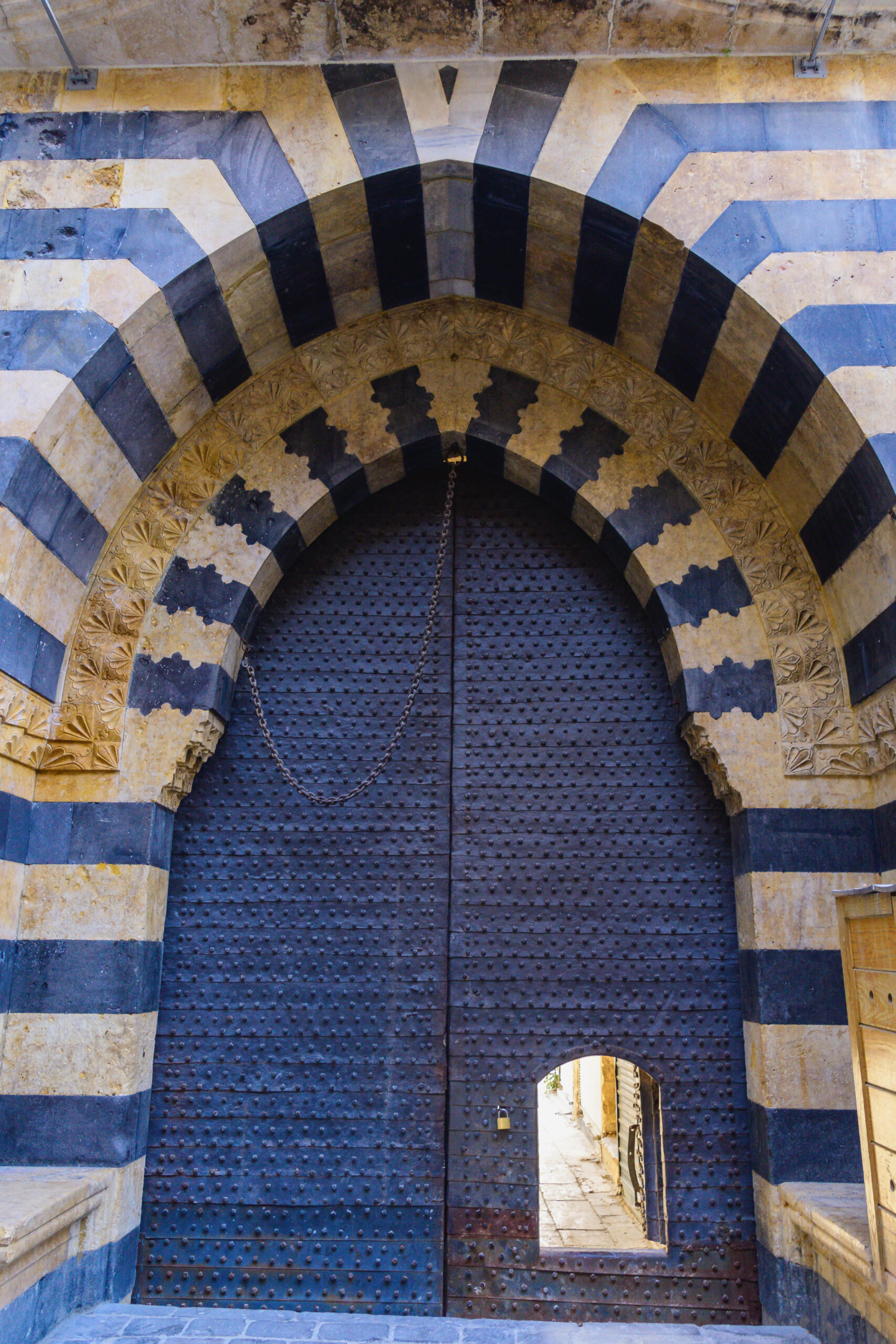
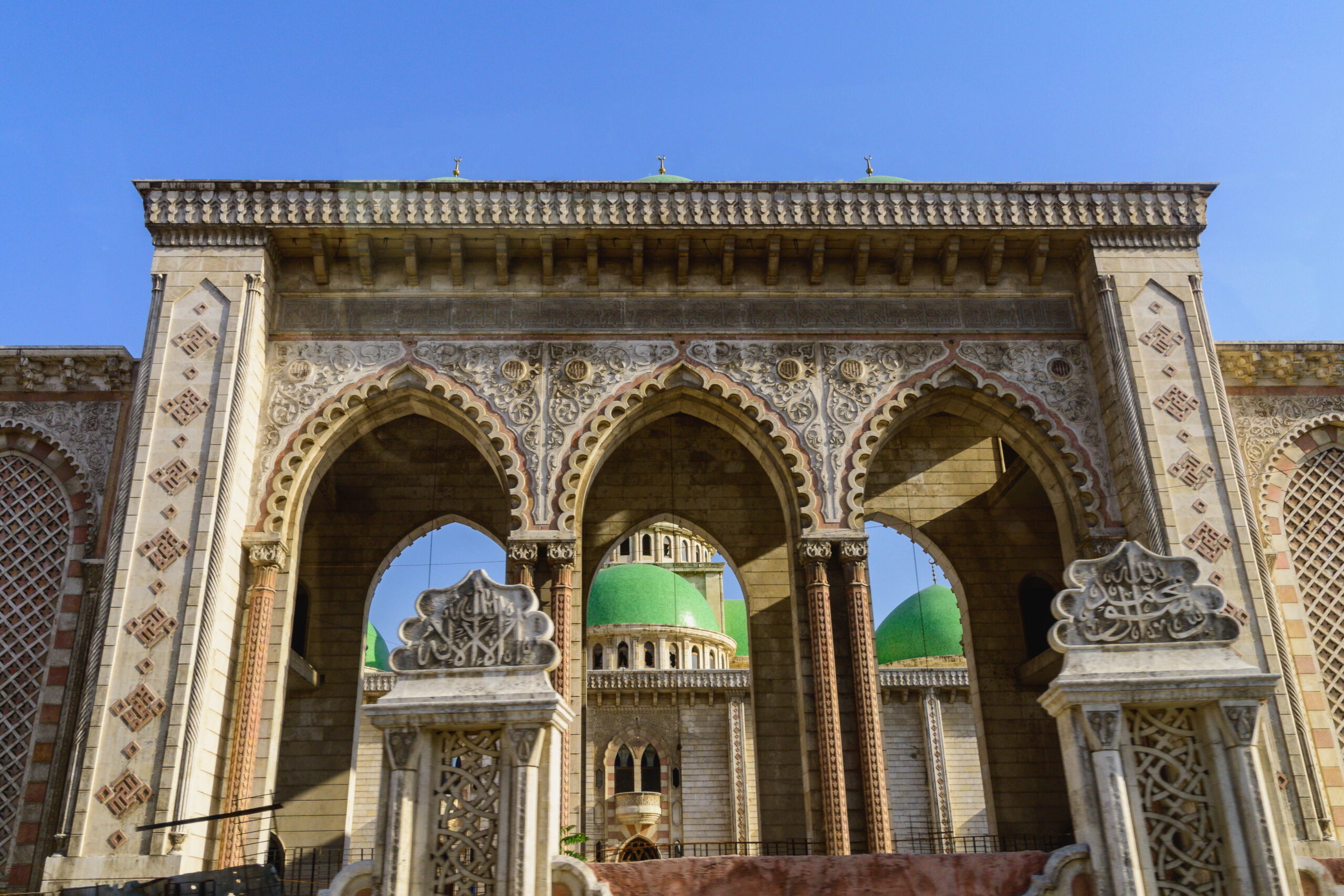
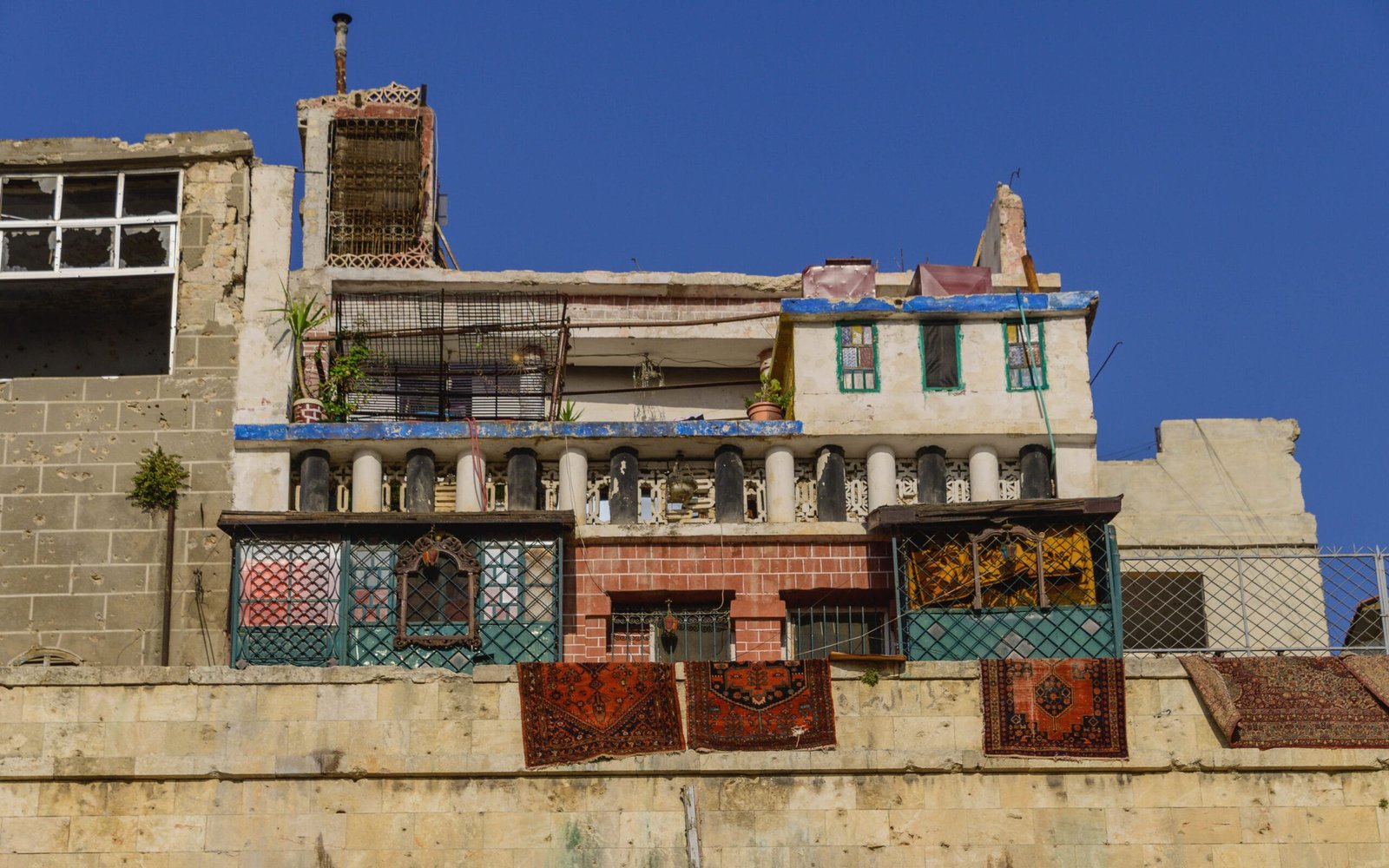
Aleppo Old City — Citadel, Great Mosque and covered souks, UNESCO World Heritage
Dead Cities of Northern Syria — mysterious Byzantine ghost towns, UNESCO
Hama — famous for its ancient waterwheels (norias) on the Orontes River
Bosra — spectacular 2nd-century Roman theatre inside a medieval fortress, UNESCO
Saladin Castle — dramatic Crusader fortress on a rocky cliff, UNESCO