+351 965 133 699
travel@hodophileexperience.com



Price Includes:

Price Excludes:
** pricing advised is an estimate value based on survey performed in Jan24.
· Syrian pounds or USD cash payment (The new version of the dollar)
· In Syria there are no credit and ATM cards services because of the sanctions.
· Be careful your passport does not have Israeli stamps/stickers as you will be refused entry at the Syrian borders and you will be blacklisted.
· There are no vaccine requirements.
Register Here: https://forms.gle/3AkTSZBDDWe2gFhd8
Or email us at: travel@hodophileexperience.com
Meet our representative at the time and place you choose in Beirut and transfer to Damascus.
Overnight at boutique hotel.
Breakfast at the hotel.
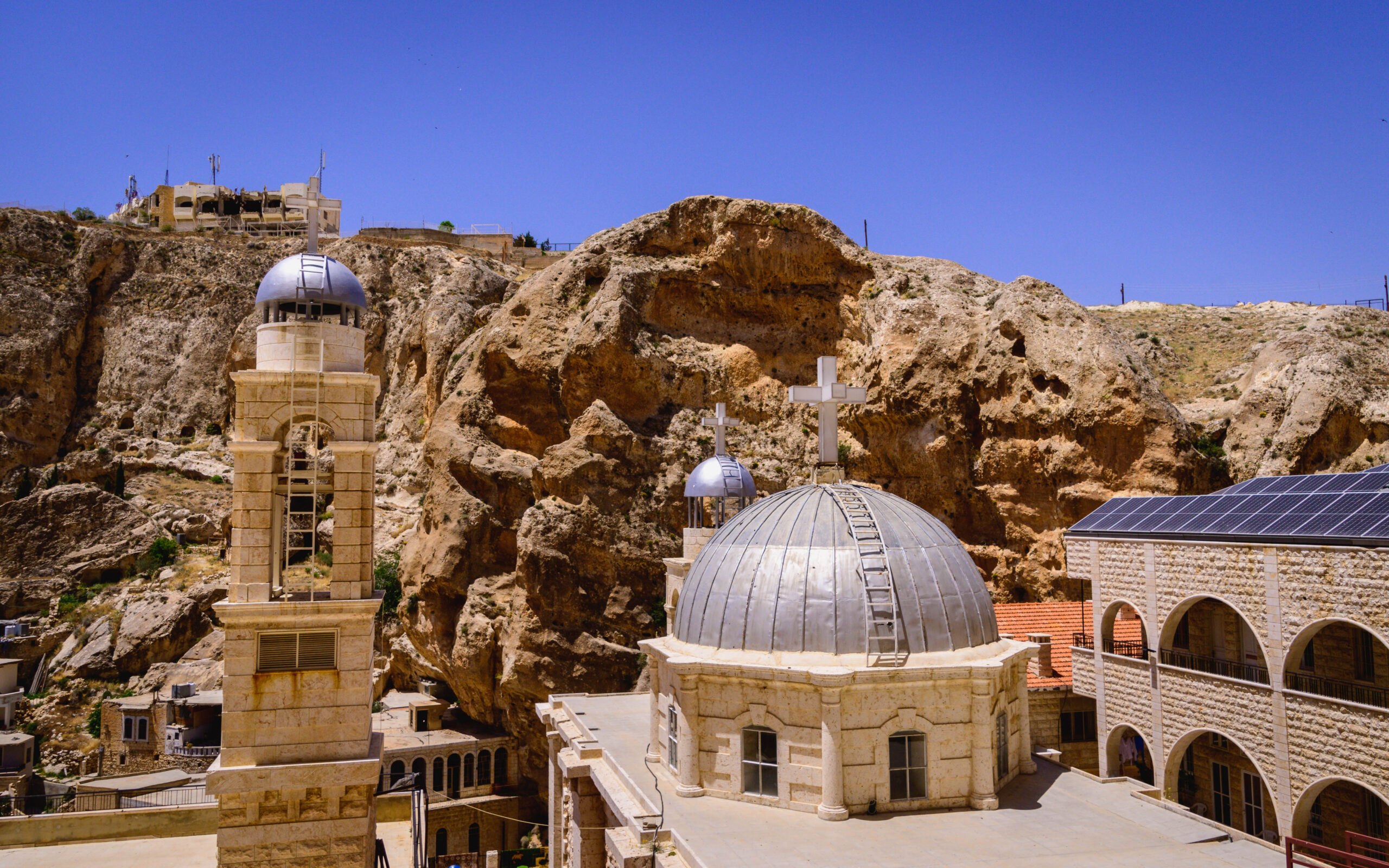
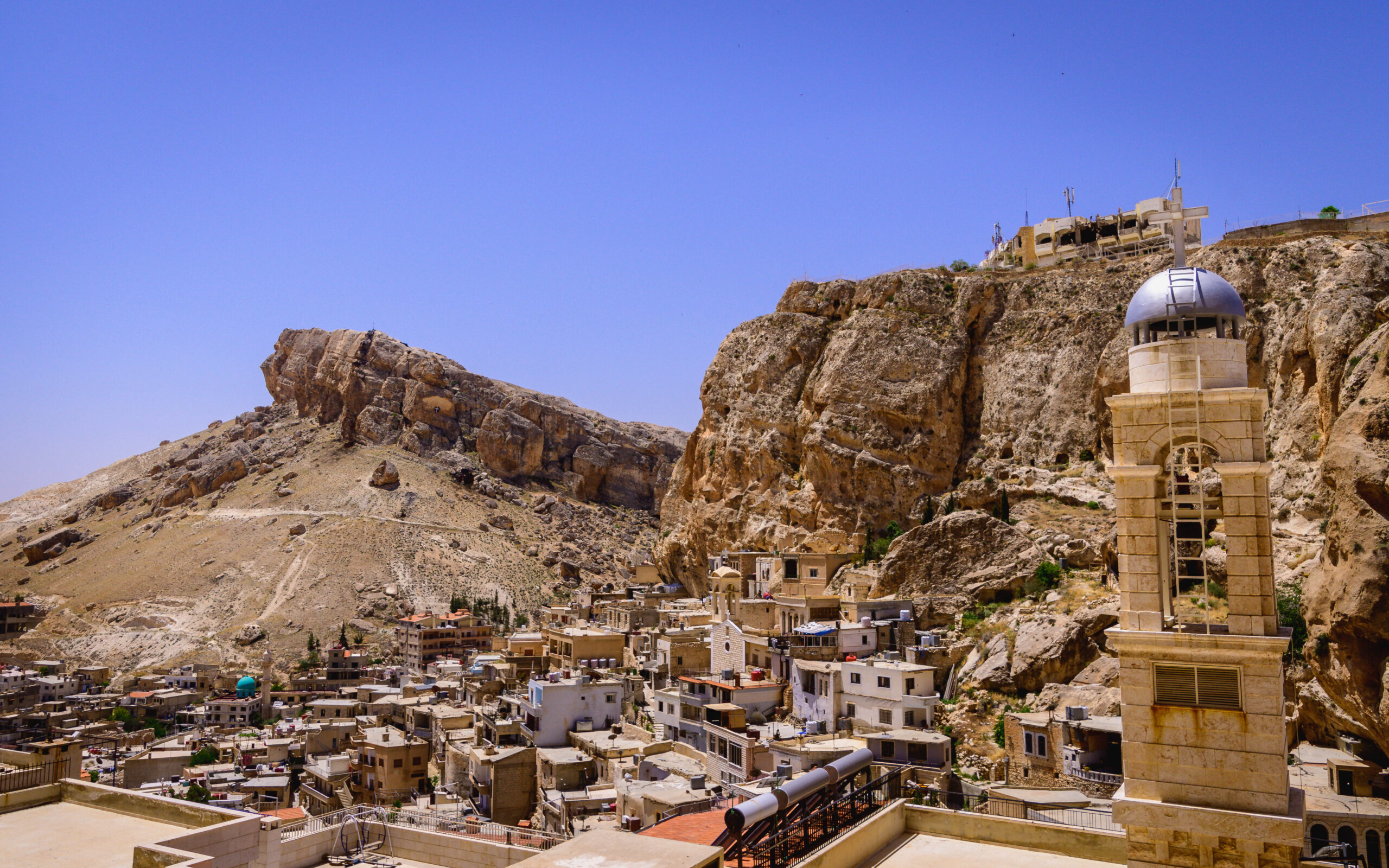
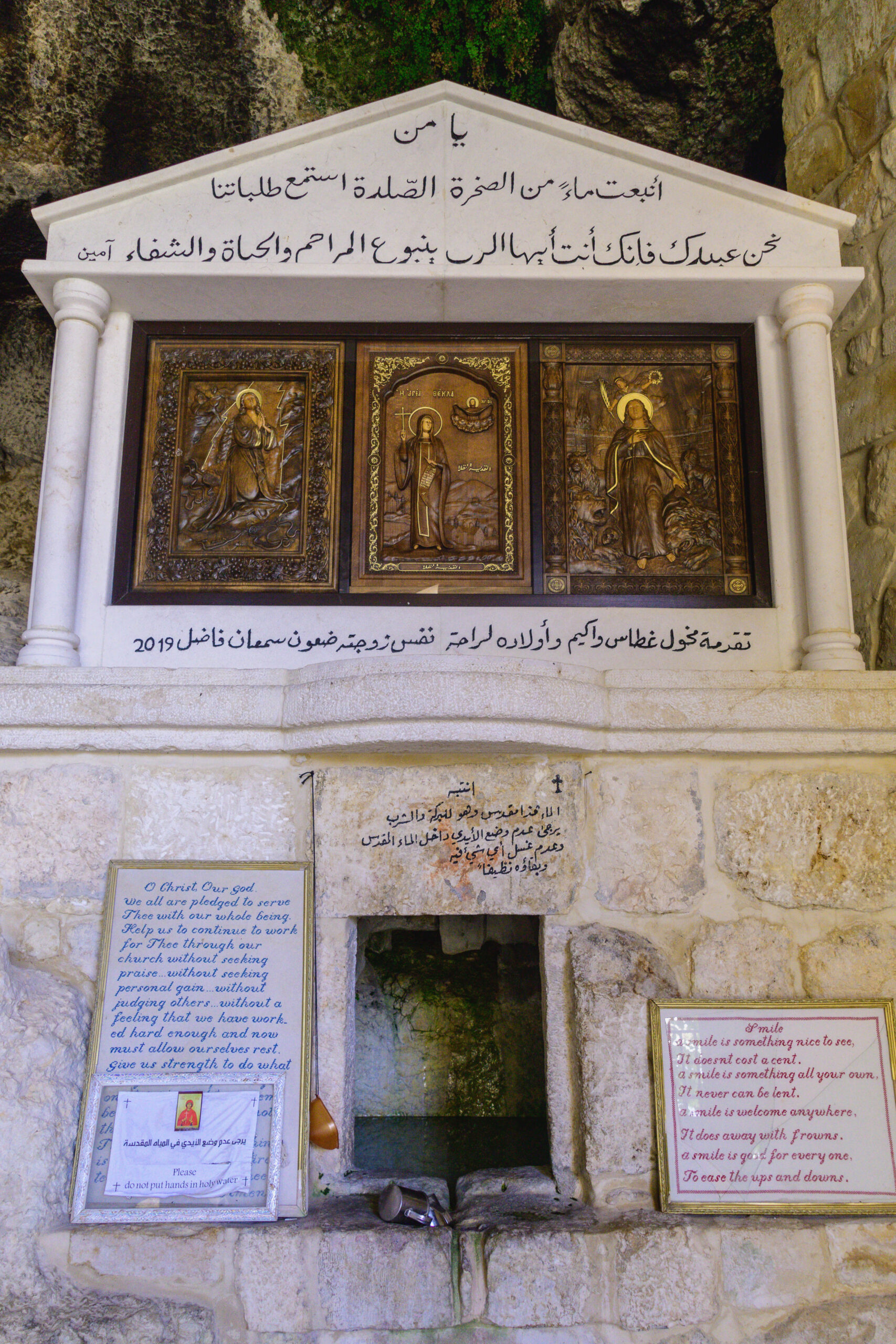
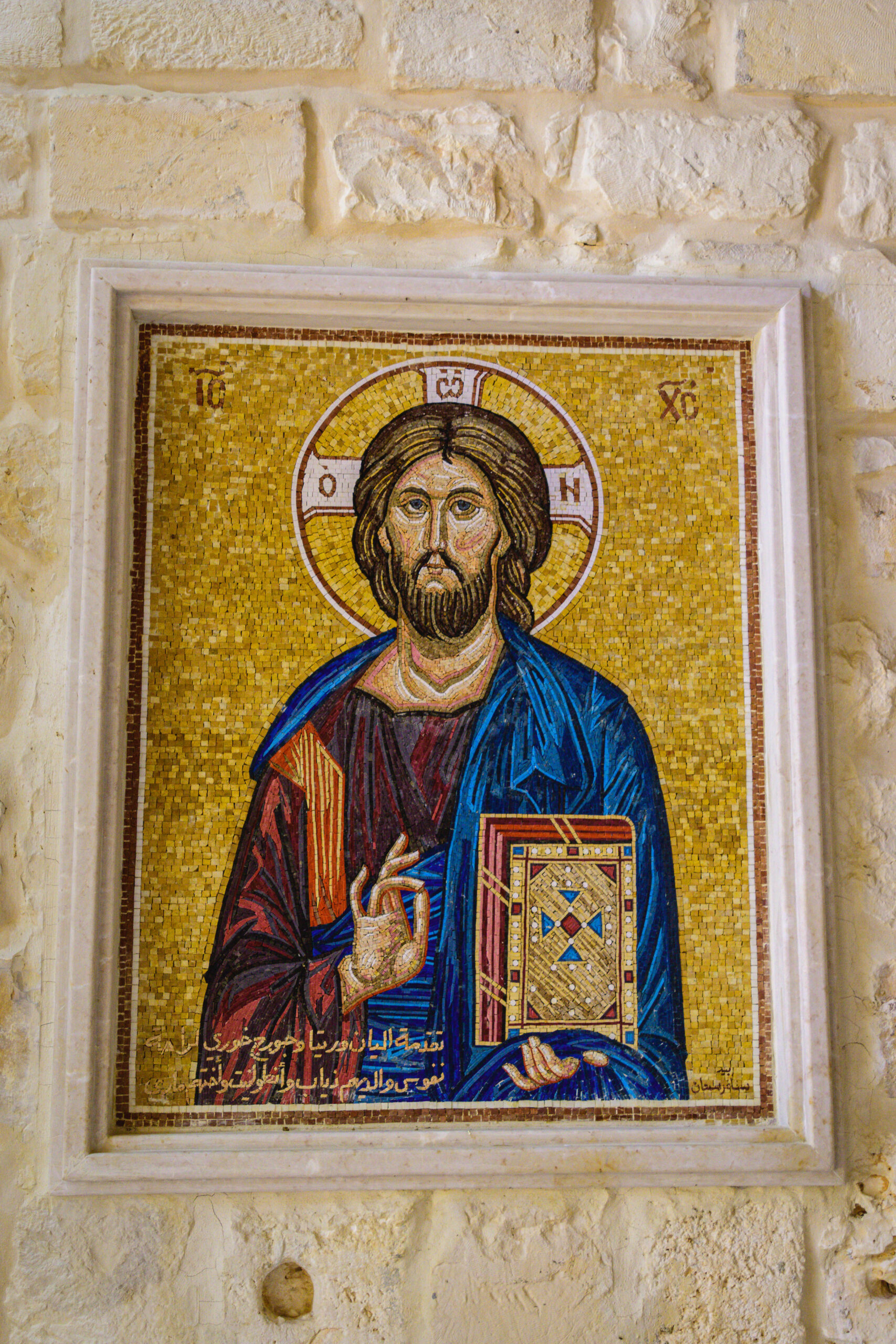
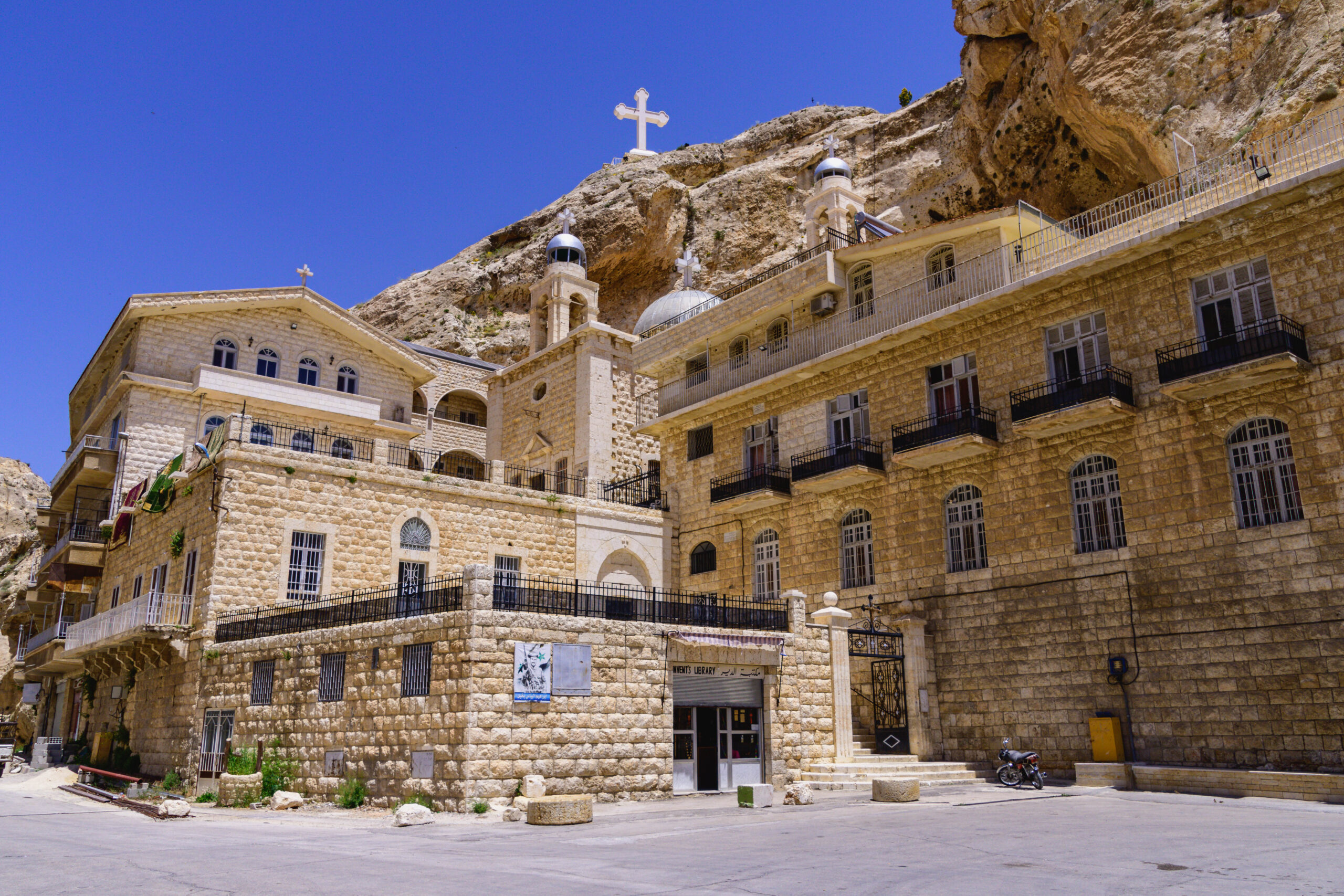
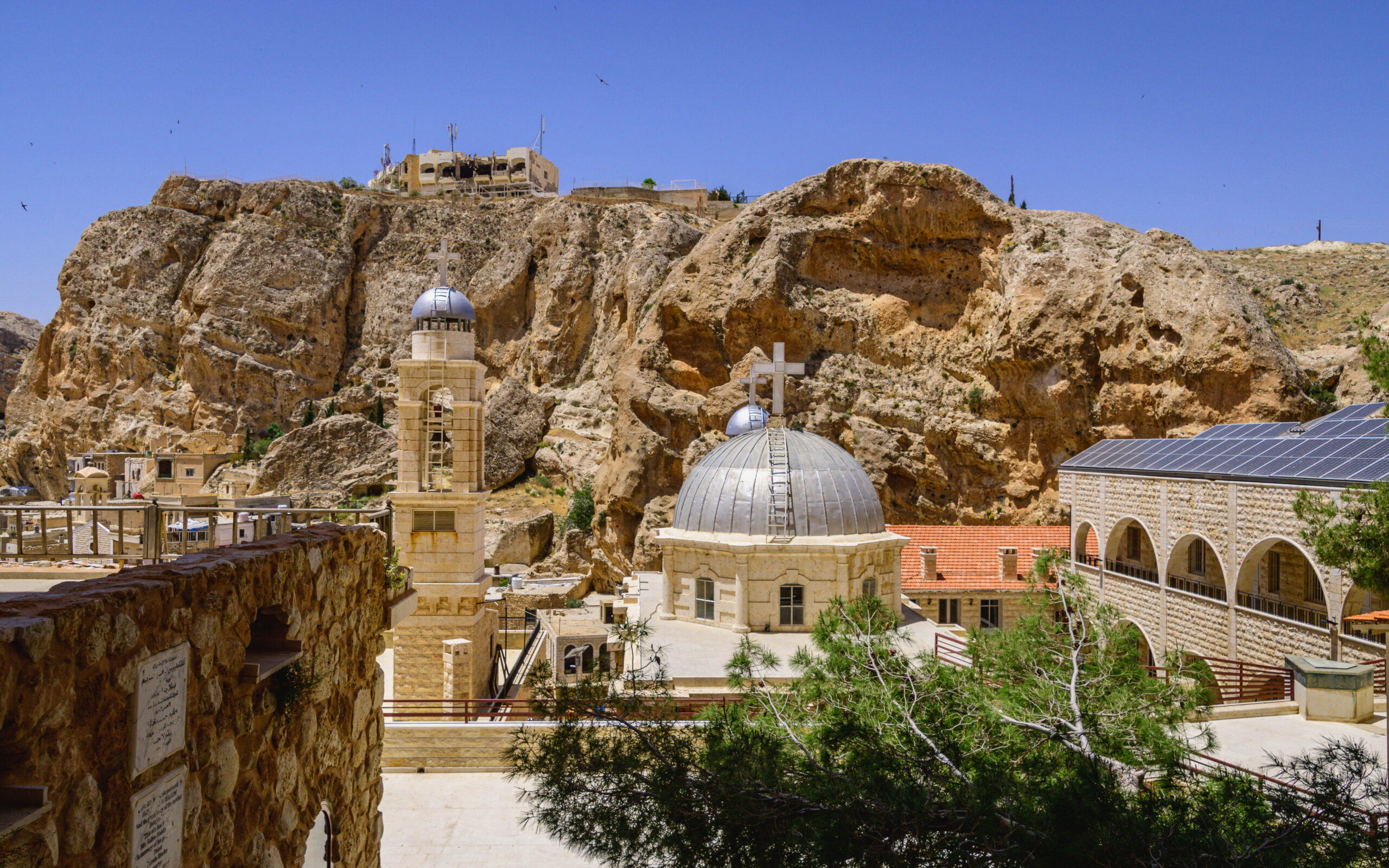
Departure towards Maaloula village famous for its houses dug in the rock like beehives and especially because it still speaks Aramaic, the language of Christ!
The monastery of Maaloula contains a portrait of the Virgin believed to have been painted by St. Luke. The little houses of the village cling to the face of an enormous rock; they look suspended in mid-air. The word Maaloula means “entrance” in Aramaic.
Lunch.
Continue onwards to visit Ugarit, a coastal town north of Lattakia. Ugarit became famous thanks to the discovery of tablets of the oldest consonantal alphabet known to date.
The first habitat, a large fortified village, dates back to the 8th millennium BC. The two immense palaces, later constructions, yielded archives and literary archives, attesting to an astonishing diversity of languages and five writing systems, including the consonantal alphabetical or Ugaritic script which dates from the 14th century BC AD.
Dinner in a restaurant.
Overnight at the hotel
Breakfast at the hotel.
We head out to visit Lattakia, a major Syrian city situated on the Mediterranean Sea.
Lattakia is an important port playing an essential role in the imports and exports for Aleppo (Syria’s industrial capital) and for the Syrian Eastern Region. It is known for its diversity of landscapes, from the green mountains to the sandy beaches, with many important archeological sites like the Saladin Castle.
We the drive towards the Saladin Castle, a beautiful citadel built by the franks in the middle of the forests, on a rocky peak. This allowed for control of the roads coming from and going towards Lattakia.
The history of this stronghold is long The Phoenicians had already fortified the place, Alexander the Great seized it, as well as the Byzantines a few centuries later. It is the Crusaders who, in the twelfth century, will give the castle its current appearance. At the time, it was called “Château de Saône” (named after a crusader).
Its current name was only awarded in 1957, commemorating Saladin’s seizure of the place in 1188.
Amrit was a Phoenician port located near present-day Tartus in Syria. Founded in the third millennium BC, Amrit was the northernmost important city of ancient Phoenicia and a rival of nearby Arwad.
Dinner and overnight in Tartous.
Breakfast at the hotel.
Today we visit Tartous, a city on the Mediterranean coast of Syria. It is the second largest coastal city in Syria (after Lattakia).
The Phoenician founders named the city Antarados meaning “The town facing Arwad”. It is a favourite destination for tourists and a beautiful modern city with its buildings, markets, modern resorts, tourist facilities and port. As for beaches of Tartous, they are a beautiful extension of the Syrian coast, with soft sand, chalets, hotels, cafes and marine restaurants that are scattered on it.
Departure towards Safita Tower, located on a site where the remains of the Phoenician settlement were discovered.
Its square is a chapel dedicated to St. Michael and serving the Greek Orthodox community of the city.
Onwards to Crack des Chevaliers, the most famous fortress of the Middle Ages. The crusaders made it the basic element of their system of strongholds on the coast. It is so vast and so impregnable that it has become the symbol of a whole era of bloody struggles between Muslims and Crusaders.
Departure to Damascus
Dinner at restaurant – overnight at the hotel
Breakfast at the hotel.
Guided tour of Damascus. Lunch during the visit.
The National Museum – lt’s visit provides an overview of the civilizations that have succeeded in Syrian soil. lt contains statues, seals, jewelry, masks, mosaics, tablets and weavings from the most important sites in the country
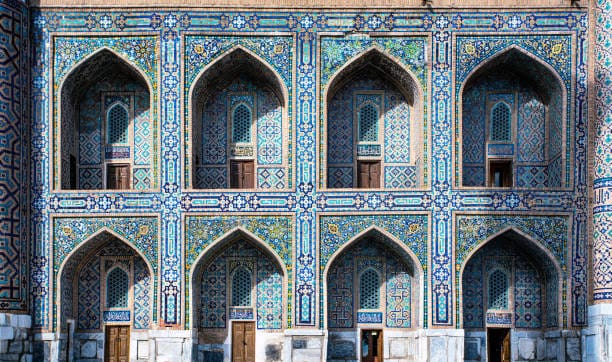
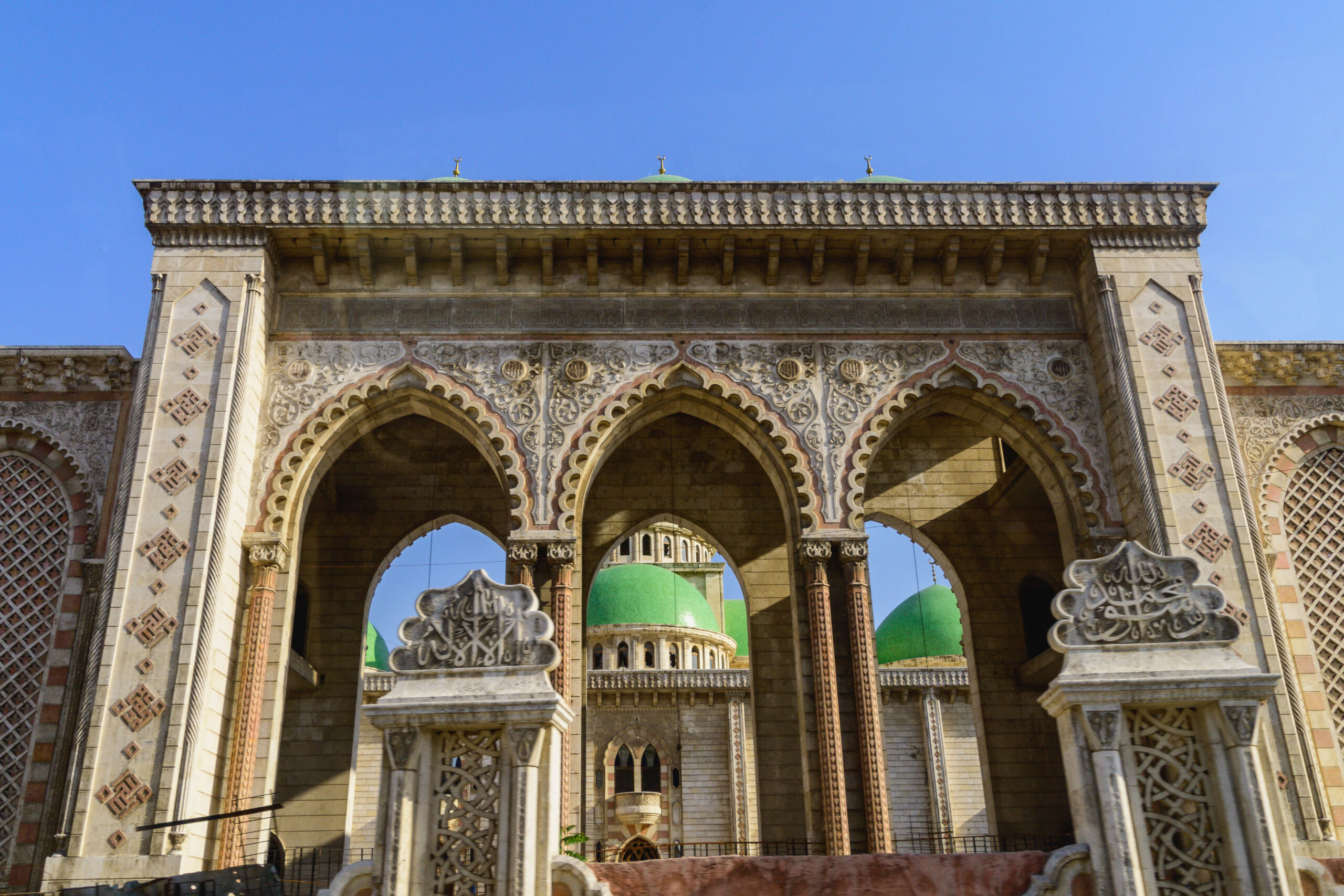
The Umayyad Mosque – Located in the heart of the Medina, the mosque is distinguished by its prayer room, its courtyard and its walls covered with mosaics.
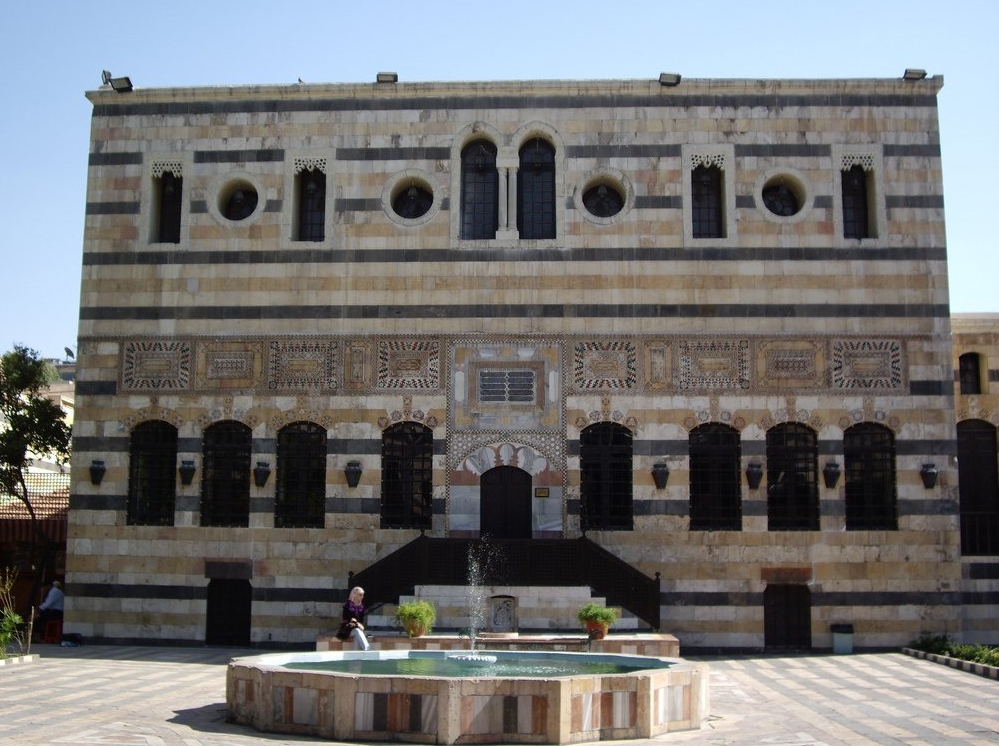
“EI-Azem Palace: Not far from the Great Mosque, in the labyrinth of the souk is the palace EI-Azem. lt is considered as the sumptuous model of the Damascene house whose exterior simplicity and sobriety do not suggest anything about a beautiful and rich interior, with many varieties of flowers, fruit trees and water jets”
Saint Ananian Church: lt is of particular importance because it is attached to the memory of Saint Paul. Before his conversion to Christianity, he had a vision here that blinded him for several days and gave him an unshakeable faith.
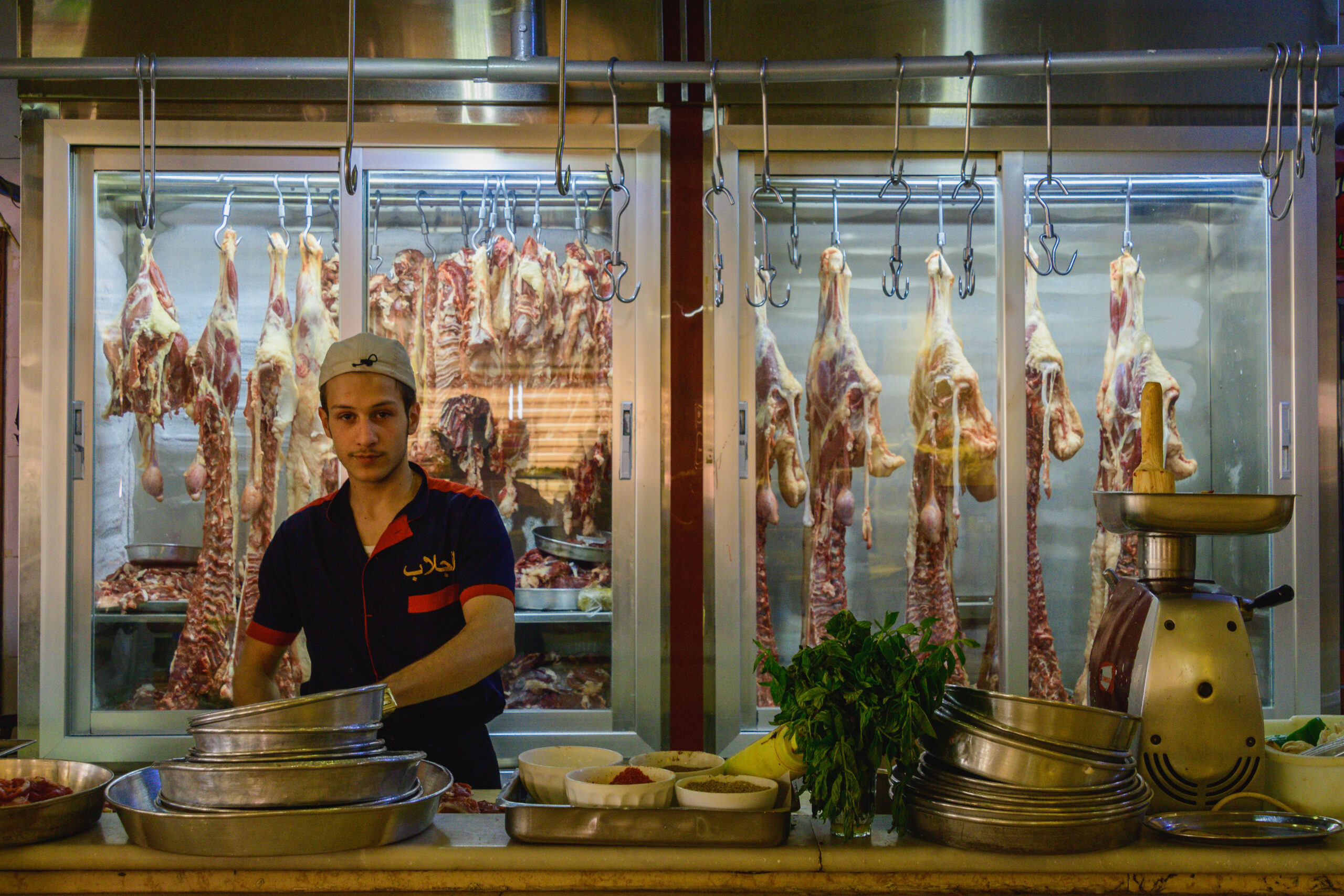
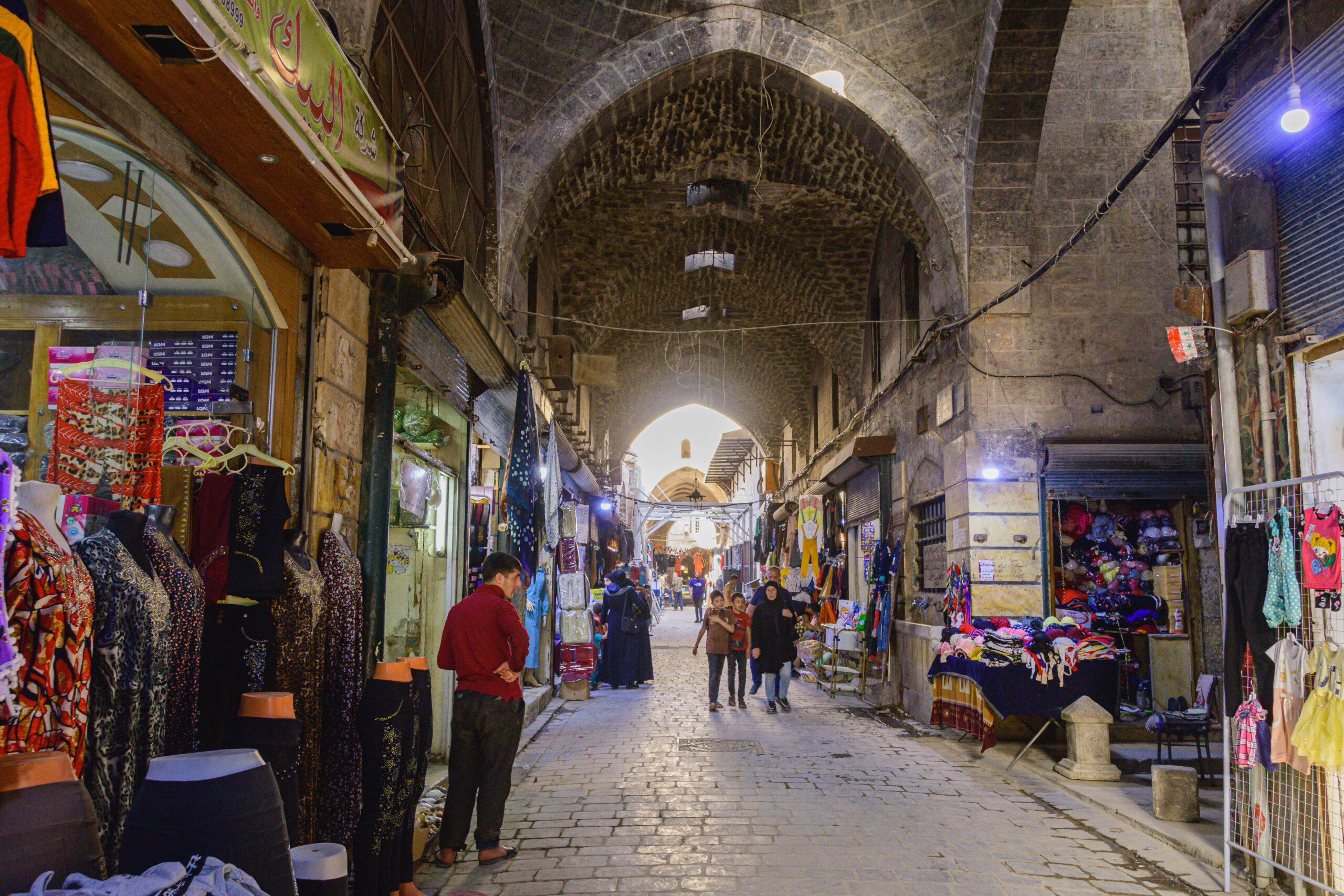
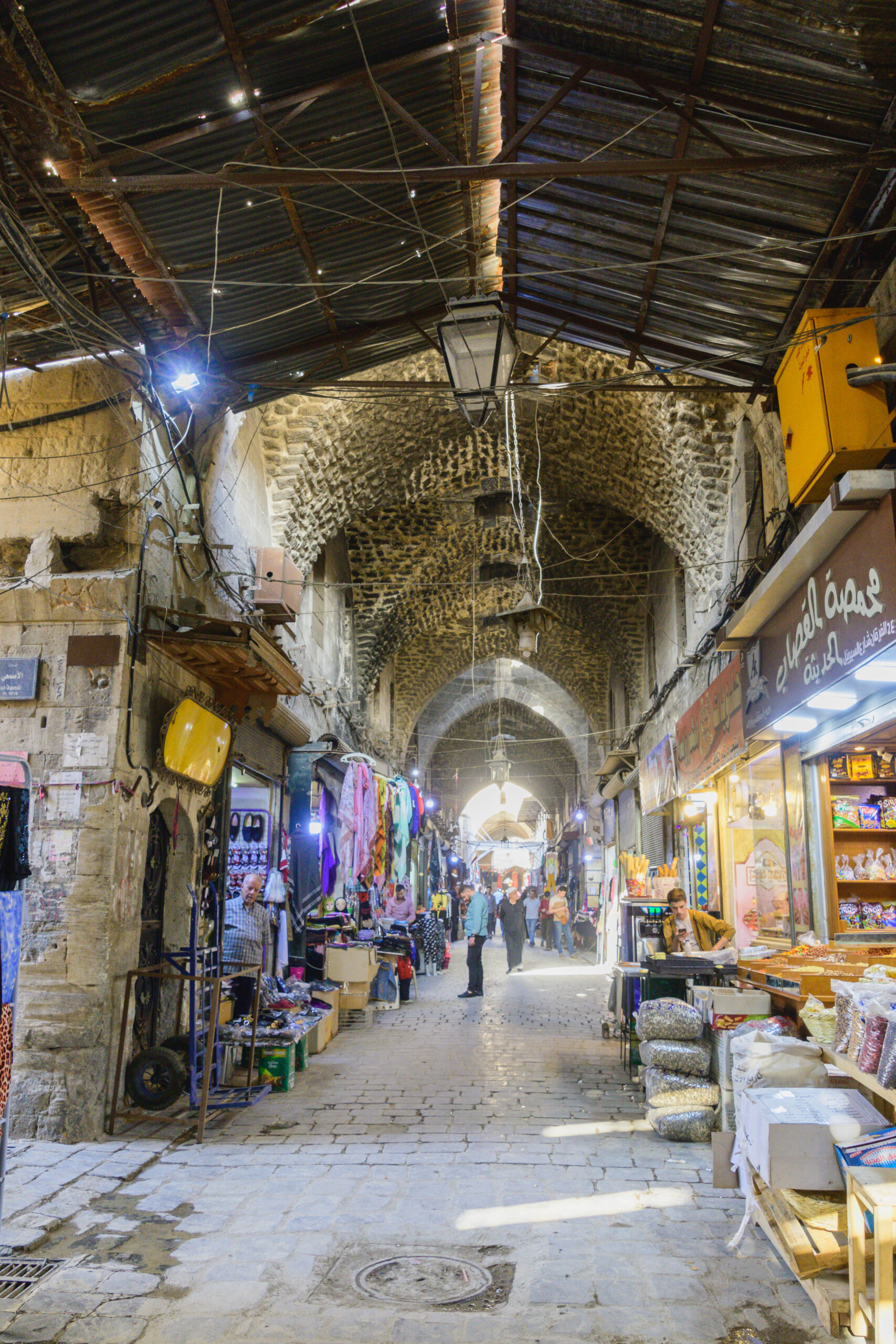
Souk AI-Hamidiye: The most beautiful souk of Damascus. lts shops display ali sorts of goods, especially clothes, fabrics, pastries and handicrafts.
Overnight in Damascus.
Breakfast at the hotel.
Departure towards the South of Syria.
Bosra, a very ancient city, already mentioned in the inscriptions of Akhenaton, in the 14th century BC. The most important of its monuments is the famous Roman theatre (2nd century AD), one of the most beautiful and best preserved in the world. It is 45 meters long and has a depth of 8 meters. Its stands can accommodate seventeen thousand spectators.
Back to Damascus.
Overnight and dinner at the hotel.
Day 7 – departure
Breakfast at the hotel.
Transfer to the airport according to flight schedule, flight on scheduled flight or transfer back to Beirut.
Group minimum 06
Rates:
EUR1300 Per person sharing
Accommodation in Double/Twin rooms, increment 1 single room.

Will be sent with full itinerary when confirmed

Will be sent with full itinerary when confirmed

Click here to check the visa requirements
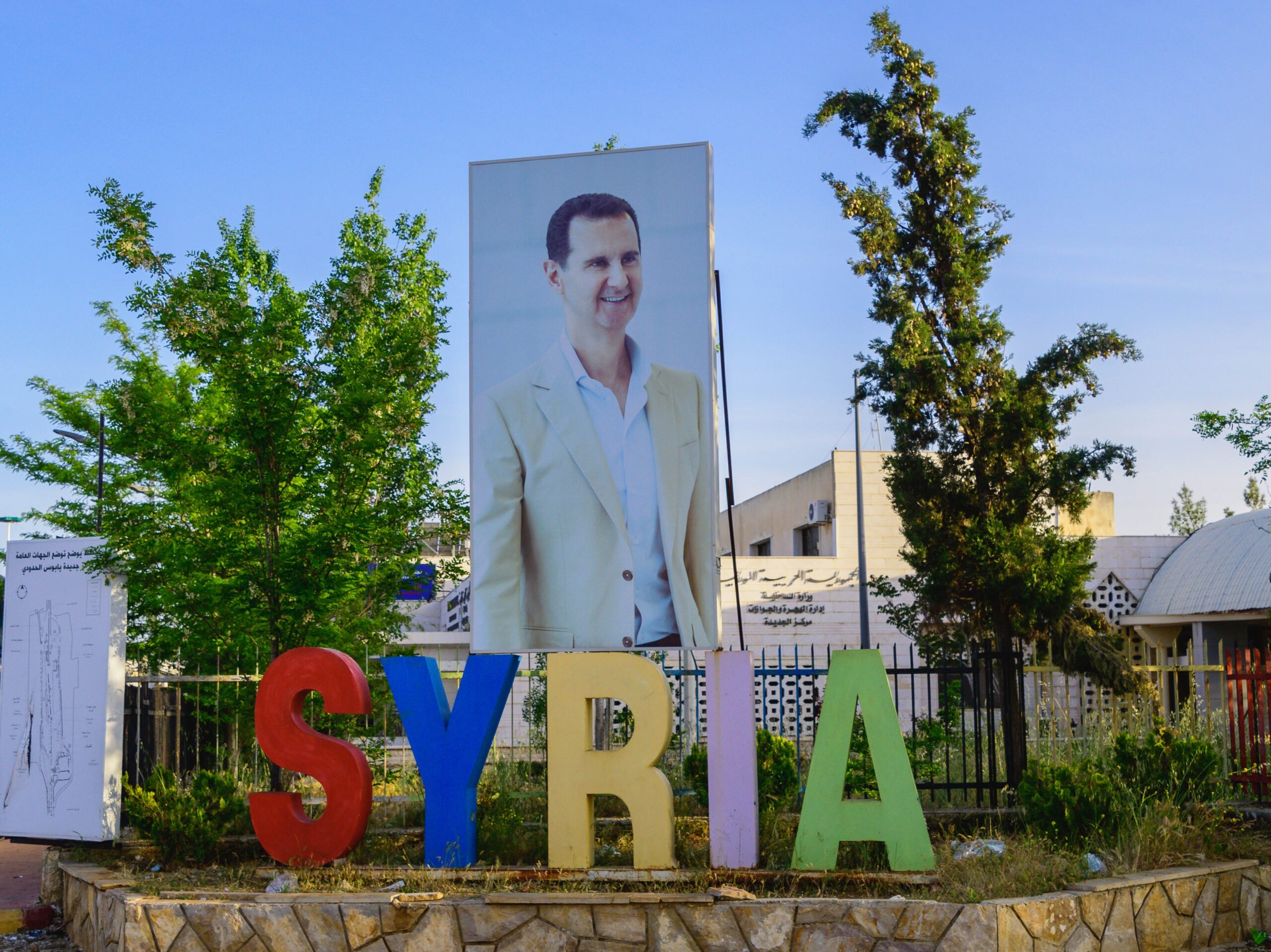
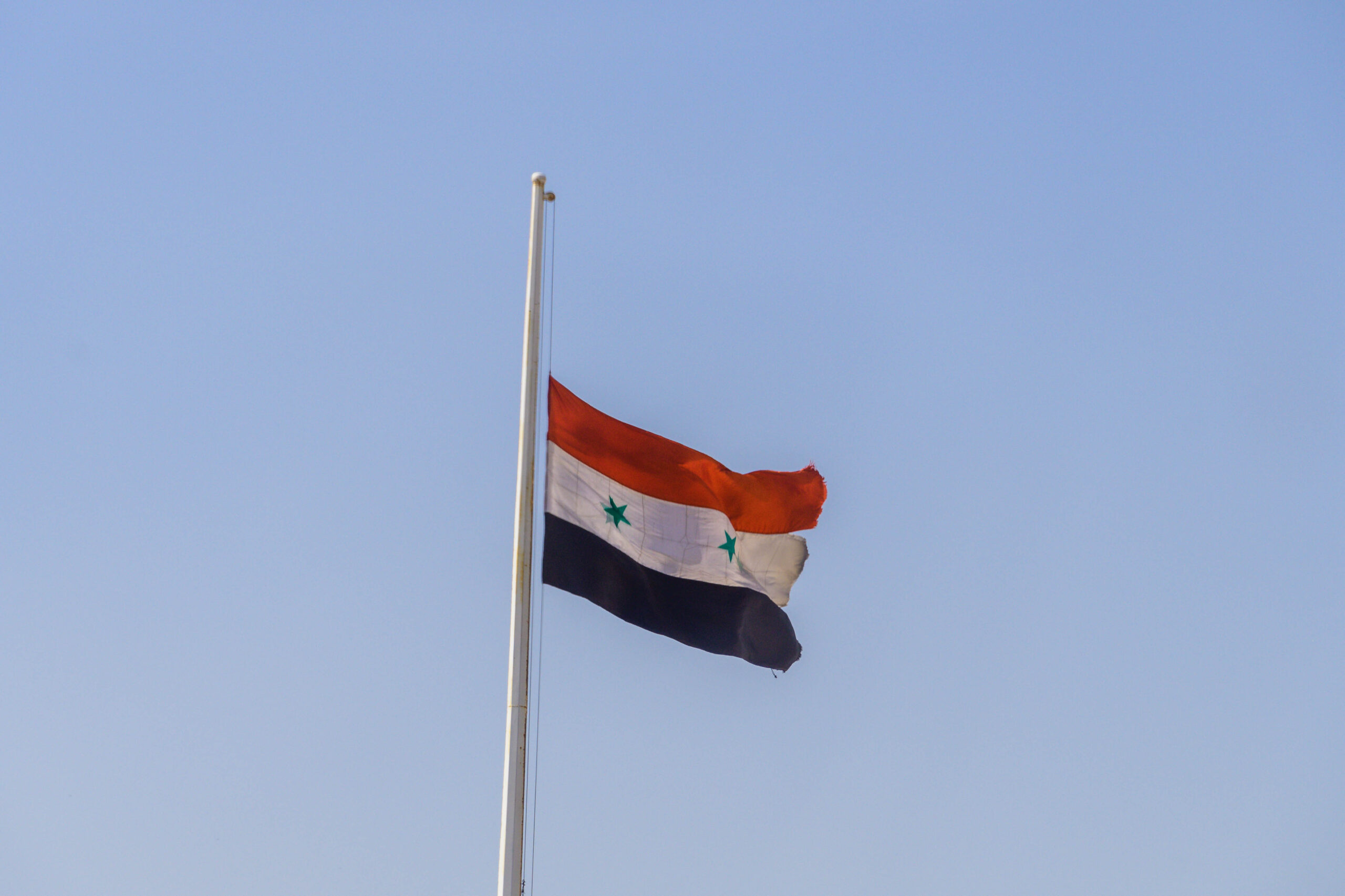
SYRIA – Historically known as the cradle of civilization.
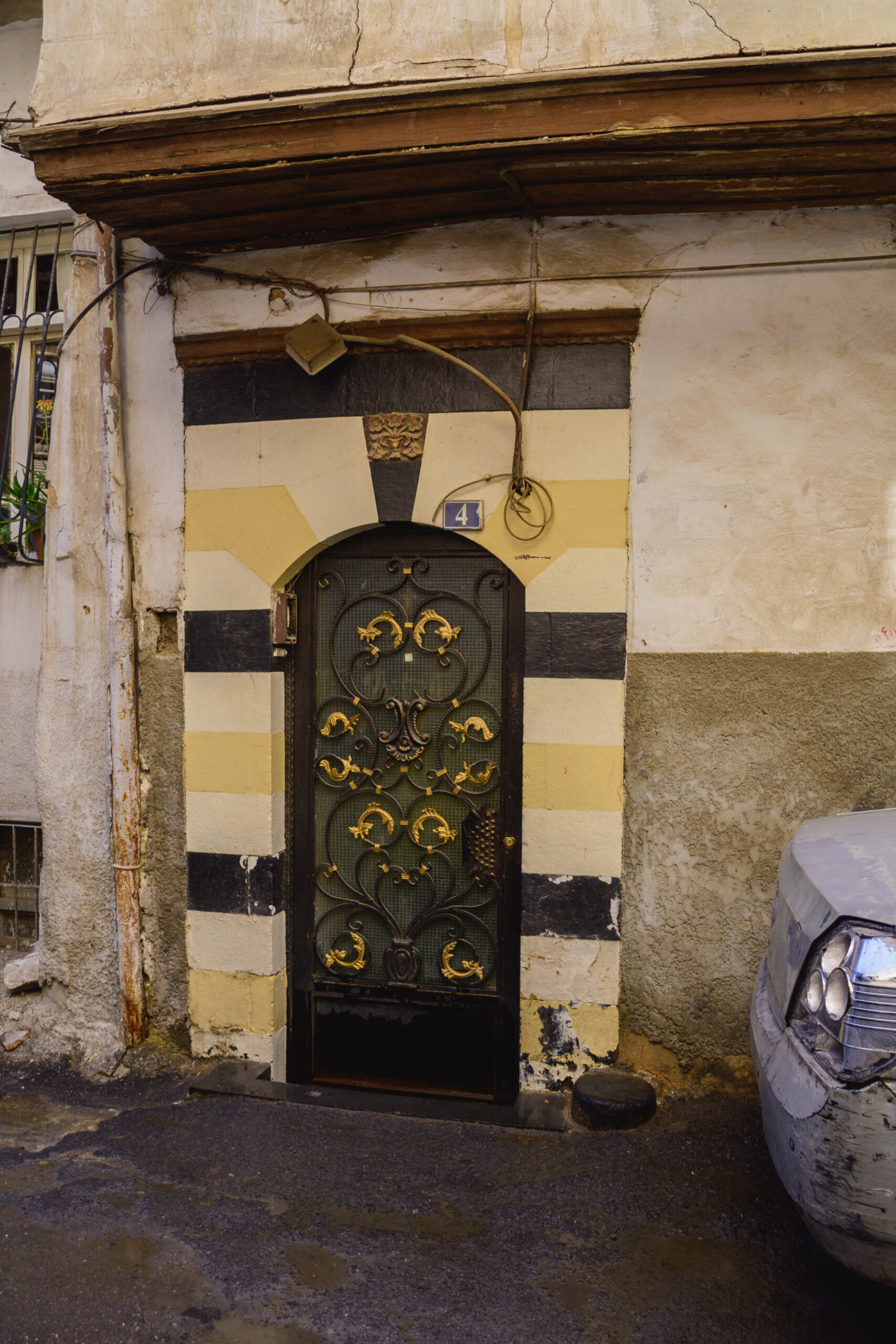
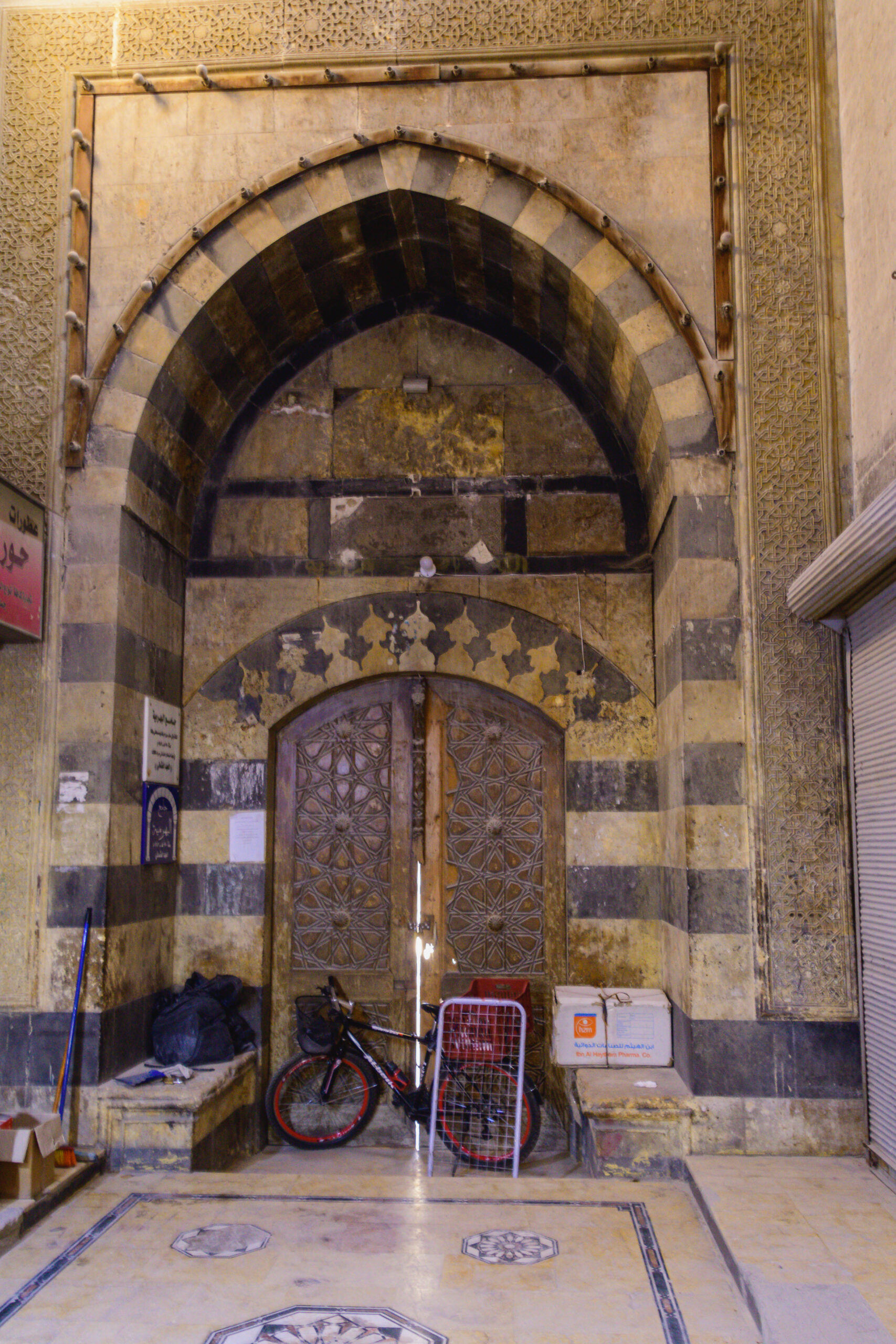
Damascus – old and new
Lattakia
Tartous
Traditional Souks
Maaloula village
Bosra
Most famous fortress of the Middle Ages