+351 965 133 699
travel@hodophileexperience.com

Price Includes:

Price Excludes:
** Based on the survey done in the month of April 2026.
Register here: https://forms.gle/3AkTSZBDDWe2gFhd8
Emails us at: travel@hodophileexperience.com
Hodophile Experience cannot be held responsible for any travel disruptions due to very rare but possible flight delays. All participants are required to have travel and medical insurance on all our trips to protect against any additional costs.
From EUR 1,985 per person
Departure: 26 Mar – 05 Apr 2027. Double occupancy. Single supplement EUR 325.
Double room accommodation (shared). Single supplement EUR 325.
(Turkish Airlines direct flight from Istanbul (IST) to Damascus (DAM) arrives at 00:30 or 10:35 depending on the day)
Once you complete the entry formalities and claim your baggage, you will meet our representative in the airport arrivals. Transfer to the hotel in Damascus.
Check-in at the hotel and get some rest.
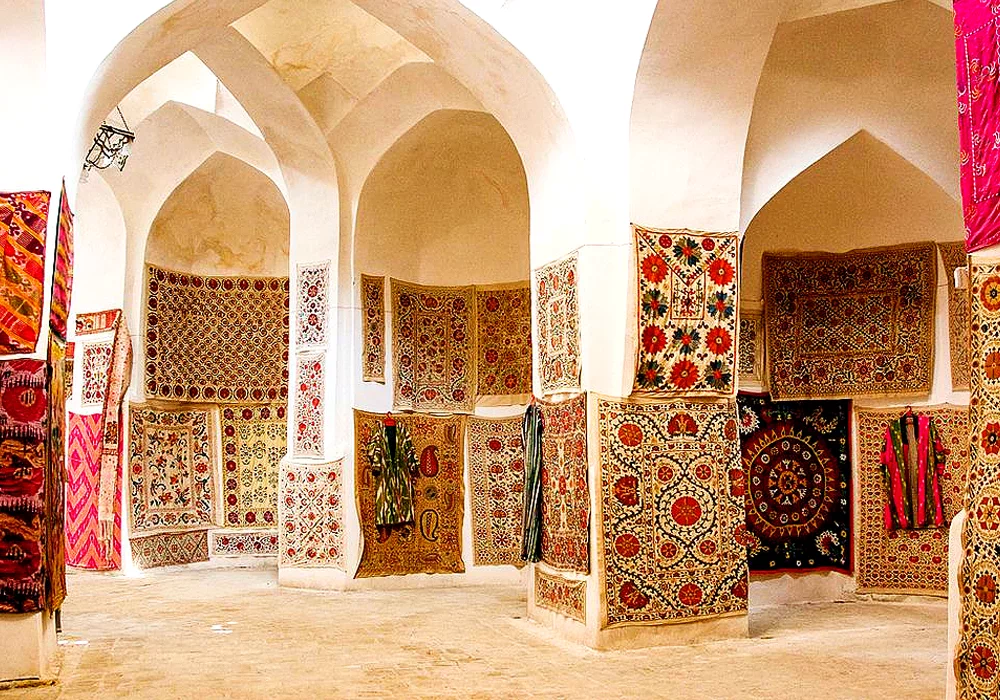
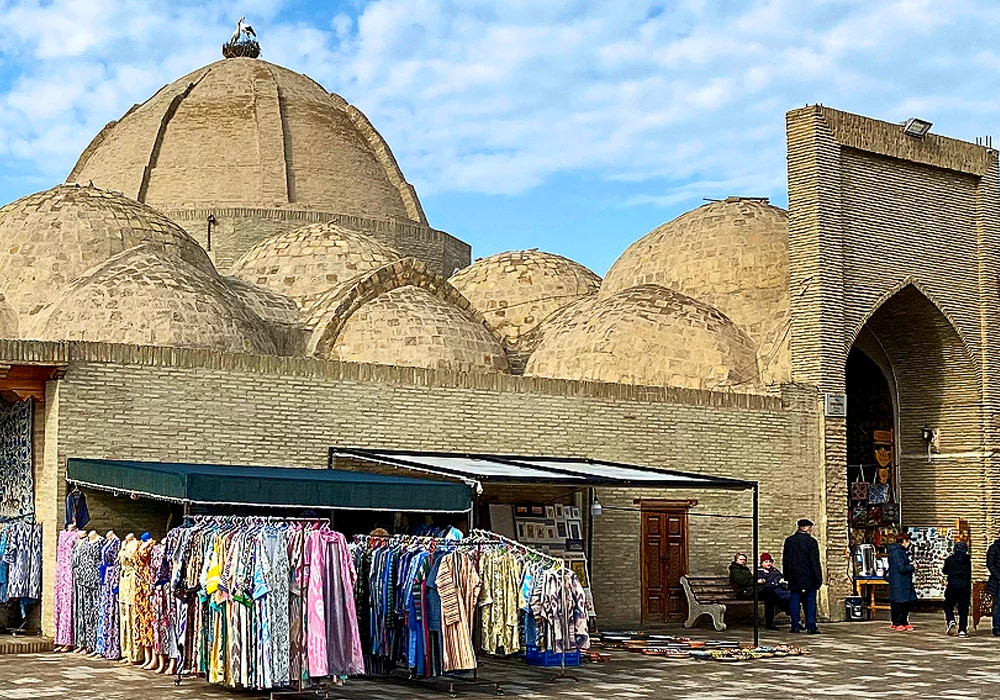
In the afternoon, evening, wander through the alleys of the old town of Damascus, the bazaar, the shopping areas.
Breakfast at the hotel.
Guided tour of Damascus.
A UNESCO World Heritage site, and founded in the 3rd millennium B.C., Damascus is one of the oldest cities in the Middle East. In the Middle Ages, it was the centre of a flourishing craft industry, specializing in swords and lace. The city has some 125 monuments from different periods of its history – one of the most spectacular is the 8th-century Great Mosque of the Umayyads, built on the site of an Assyrian sanctuary.
During the tour we will visit: The National Museum – The Umayyad Mosque – EI-Azem Palace – Saint Ananian Church
Souk AI-Hamidiye – Caravanserai – Via Recta / Straight Street
In the afternoon we will explore the old town, free time.
Overnight in Damascus.
Breakfast at the hotel.
Departure towards Bosra.
Bosra, once the capital of the Roman province of Arabia, was an important stopover on the ancient caravan route to Mecca. A magnificent 2nd-century Roman theatre, early Christian ruins and several mosques are found within its great walls. This site is also a UNESCO World Heritage site.
Next, we head to Izra. The Church of St. George is located in the city of Izra, southern Syria.
Return to Damascus.
Breakfast at the hotel.
Departure towards Maaloula village famous for its houses dug in the rock like beehives and especially because it still speaks Aramaic, the language of Christ!
On the way we will stop at Sadnaya, a city located in the mountains. It is the home of a Greek Orthodox monastery, Our Lady of Saydnaya Patriarchal Monastery.
Maaloula: The Last Aramaic Village in The World
Nestled in the majestic Qalamoun Mountains of Syria, Maaloula is one of the last places in the world where the ancient Aramaic language—the language spoken by Jesus Christ—is still alive.
Maaloula is also home to two significant Christian monasteries: the St. Thecla Monastery and the Sts. Sergius and Bacchus Monastery.
Continue to the Krak des Chevaliers, the most famous fortress of the Middle Ages. The crusaders made it the basic element of their system of strongholds on the coast. Crac des Chevaliers – Another UNESCO World Heritage Site.
We finish the day with a unique experience at Jarjour Winery in the Valley of Christians.
Overnight in the Guest house.
Breakfast at the Guesthouse.
Today we head towards the mediterranean coast.
Safita: Located 30 km from Tartous, it is a picturesque town in Syria with historic significance. Castle Blanc, built by the Knights Templar during the Crusades, offering panoramic views of the countryside.
Amrit: Founded in the Amorite era in the third millennium BC. Located 7 km south of Tartus, rich in antiquities including a Phoenician temple and an Olympic stadium considered one of the oldest sports facilities in the world.
Arwad (depends on the time and weather): The only inhabited island in Syria, holds four thousand years of Phoenician, Crusader, Mamluk, and Ottoman history. It was also the very last Crusader stronghold of the Holy Land.
Ugarit: Famous thanks to the discovery of tablets of the oldest consonantal alphabet known to date. The first habitat dates back to the 8th millennium BC.
Overnight in Lattakia.
Breakfast at the hotel.
Saladin Castle – Another UNESCO World Heritage Site. The beautiful citadel built by the Franks in the middle of the forests, on a rocky peak. Its current name was only awarded in 1957, commemorating Saladin’s seizure of the place in 1188.
Afamia: The city of Apamea was distinguished by its main street, which stands on both sides of magnificent spiral columns, in addition to the theater, the valleys, the cathedral, churches, the palace, mosaic panels – one of the most remarkably preserved “Dead Cities” in northwestern Syria.
Arrival in Aleppo.
Breakfast at the hotel.
A UNESCO World Heritage Site. Located at the crossroads of several trade routes from the 2nd millennium B.C., Aleppo was ruled successively by the Hittites, Assyrians, Arabs, Mongols, Mamelukes and Ottomans. The 13th-century citadel, 12th-century Great Mosque and various 17th-century madrasas, palaces, caravanserais and hammams all form part of the city’s cohesive, unique urban fabric.
A flourishing metropolis since the 3rd millennium BC, Aleppo has been competing with Damascus for the title of the world’s oldest continuously inhabited city.
The citadel: Stands in the middle of the city, fifty meters high, with admirably designed towers and entrances made to prevent any enemy intrusion.
The souks: Dating back to the 15th and 16th centuries, with coffered vaults and enormous cupolas – real living museums of the commercial districts of the Middle Ages.
Note: The Syrian food is amazing, but it is especially delicious in Aleppo…
Breakfast at the hotel.
Today we will explore the region around Aleppo.
Dead cities: Construction dates back to the period between the first and seventh centuries AD. One of the important areas in the history of Christianity: St. Simeon Church – ALbara – Qalb Lozeh – Kerbizeh.
Saint Simeon Stylites: One of the oldest surviving church complexes, founded in the 5th century. Constructed on the site of the pillar of Saint Simeon Stylites, a renowned stylite monk.
Return to Aleppo.
Breakfast at the hotel.
A quick stop at Idlib.
Maaret Alnouman Museum: Mausoleum and Museum of Abu al-Ala al-Maʿarri — one of the most important mosaic museums in the Middle East and the world; it houses hundreds of square meters of archaeological paintings.
Hama: Evidence of these ornate water wheels dates back as far as the 3rd century BC. The norias (“wheels of pots” in Arabic) were originally constructed on the Orontes River to supply series of aqueducts. They became the symbol of the city.
We will visit Nour Eddine Mosque and Great Mosque in Hama.
Homs: Previously known as Emisa or Emesa, capital of the Homs Governorate. Saint Mary of the Holy Belt Cathedral is a historical Syrian Orthodox cathedral. Time permitting, we will also see the Khalid Ibn Walid Mosque.
Overnight at Homs.
Breakfast at the hotel.
Palmyra: The one that the Romans baptized Palmyra (the city of palms) and that the Syrians call Tadmor (miracle in Aramaic) is the most important oasis of the Syrian desert. Located 240 km from Damascus, Palmyra is the city of all superlatives. It arises in the midst of golden sands that extend to infinity. An oasis of columns, remains and palm trees that testifies to the splendour of this city that made, one day, Rome tremble…
Departure to Damascus.
(Turkish Airlines direct flight from Damascus (DAM) to Istanbul (IST) departs at 03:05 – schedules subject to change)
Breakfast at the hotel, or collect a breakfast box, depending on your flight departure time.
Depending on your flight time, we transfer to the airport.
The tour ends at the airport for check-in and security formalities and to board the flight home.


Full details will be sent with itinerary upon confirmation
Full details will be sent with itinerary upon confirmation
A valid passport with at least 6 months validity is required. Syria issues visas on arrival for most nationalities, though requirements vary by passport.
Full visa requirements: Syria Visa Requirements (PDF – Updated August 2026)
We handle security clearance and visa approvals as part of the tour price. Please contact us for details specific to your nationality.
Historically known as the cradle of civilization
Damascus – one of the oldest cities in the world
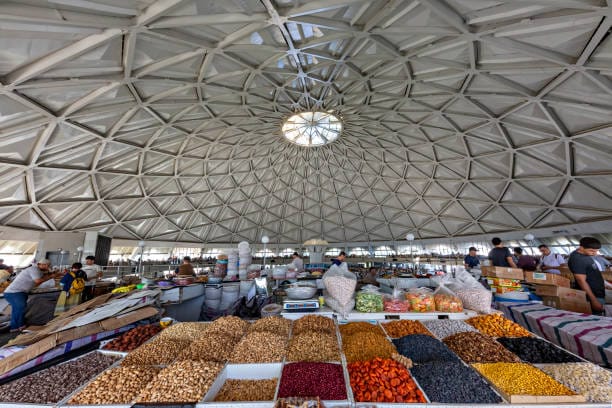
Traditional souks and bazaars
Maaloula – last village where Aramaic is still spoken
Krak des Chevaliers – most famous fortress of the Middle Ages
Hama – famous for its ancient water wheels (norias)
6 UNESCO World Heritage Sites:
– Ancient City of Damascus
– Ancient City of Aleppo
– Ancient City of Bosra
– Site of Palmyra
– Crac des Chevaliers and Qalʼat Salah El-Din
– Ancient Villages of Northern Syria