+351 965 133 699
travel@hodophileexperience.com





Price Includes:


Price Excludes:
** pricing advised is an estimate value based on survey performed in July2024.
Register here: https://forms.gle/3AkTSZBDDWe2gFhd8
Email us at: travel@hodophileexperience.com
Arrive at Cairo Airport. Our representative will meet and transfer you to your hotel. There you will meet your tour
leader who will brief you about your Egypt Tour.
Free evening.
Overnight at your Hotel.
After breakfast, we leave at 08:00, for a full day!
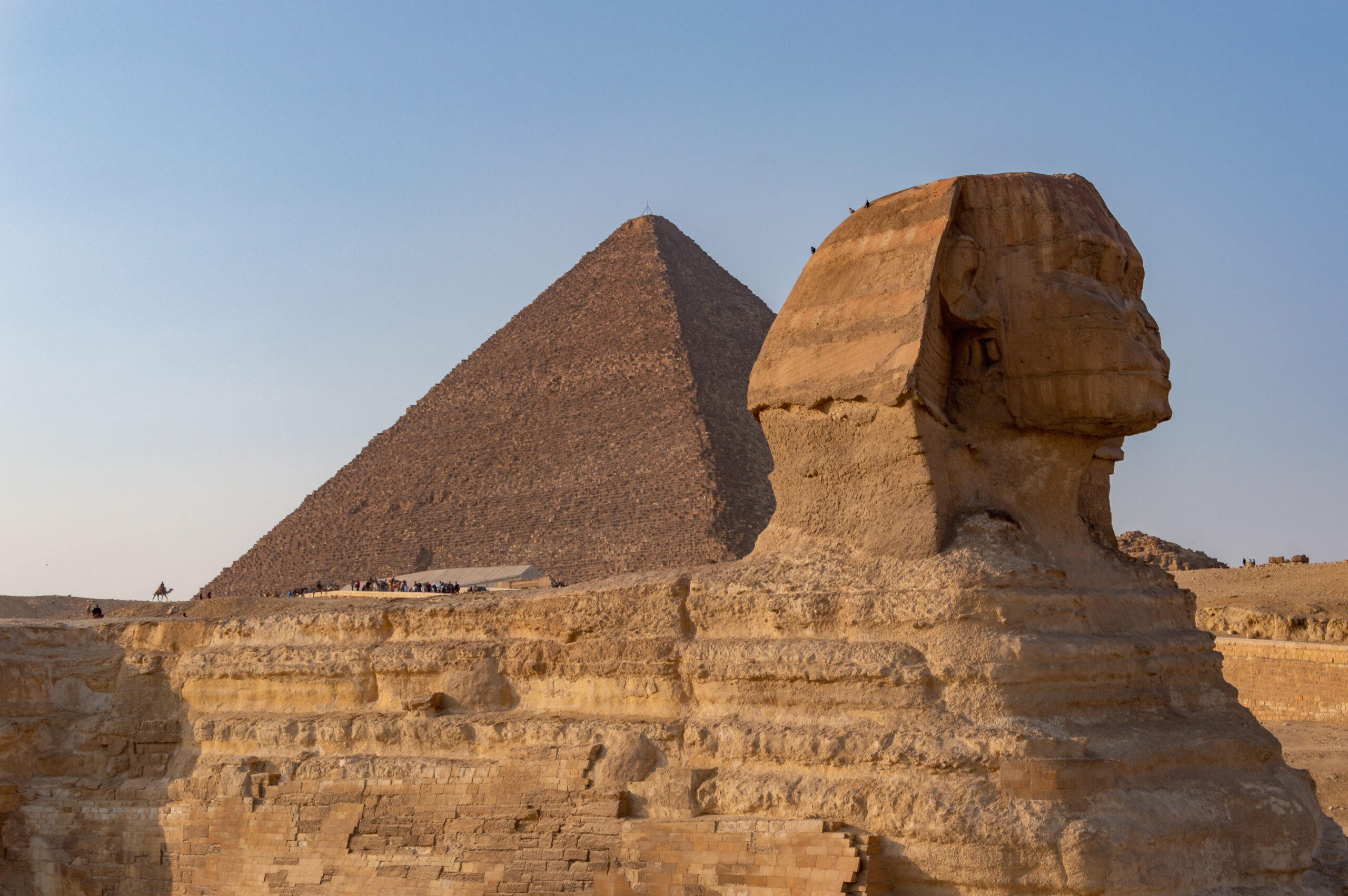
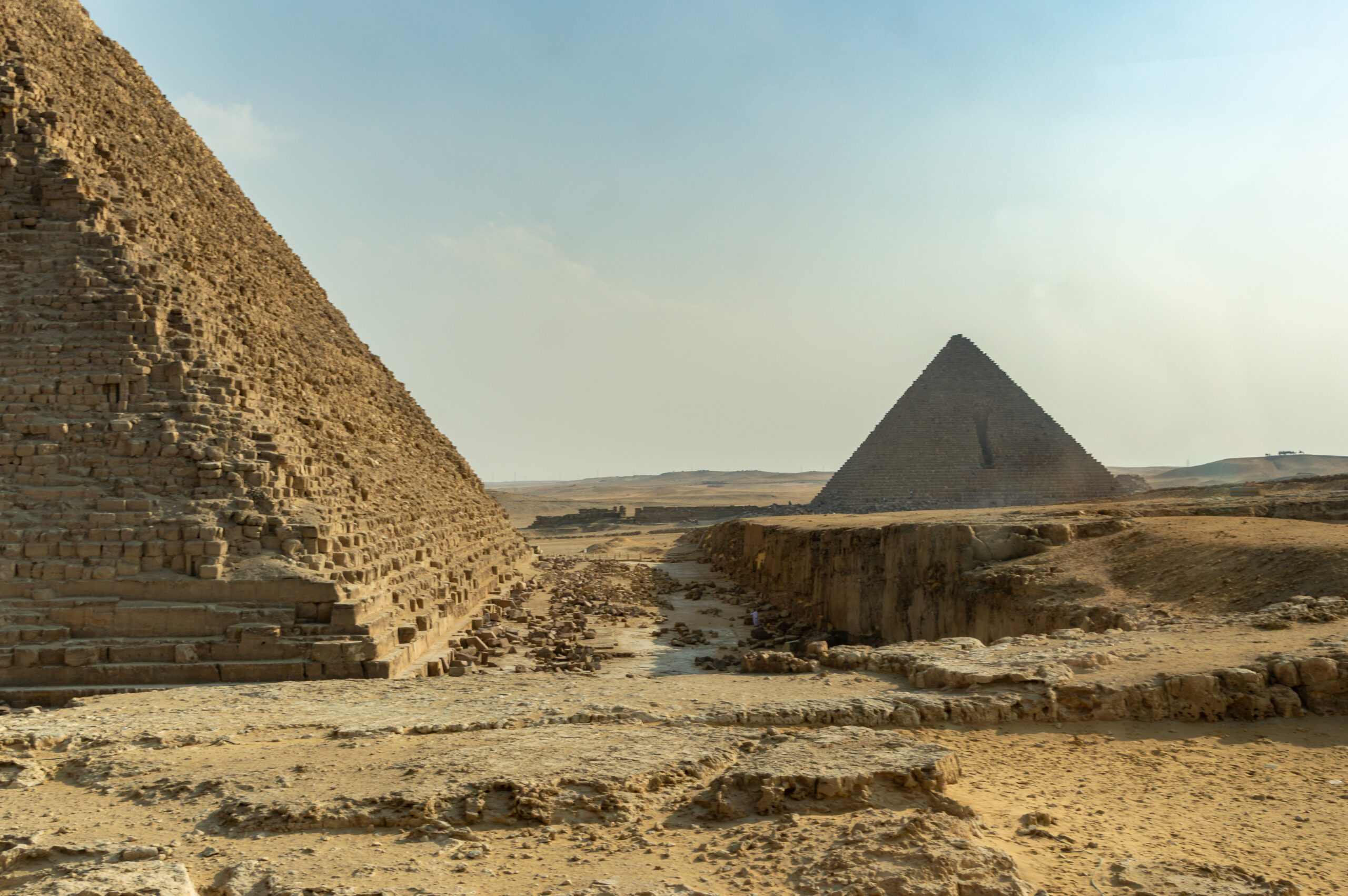
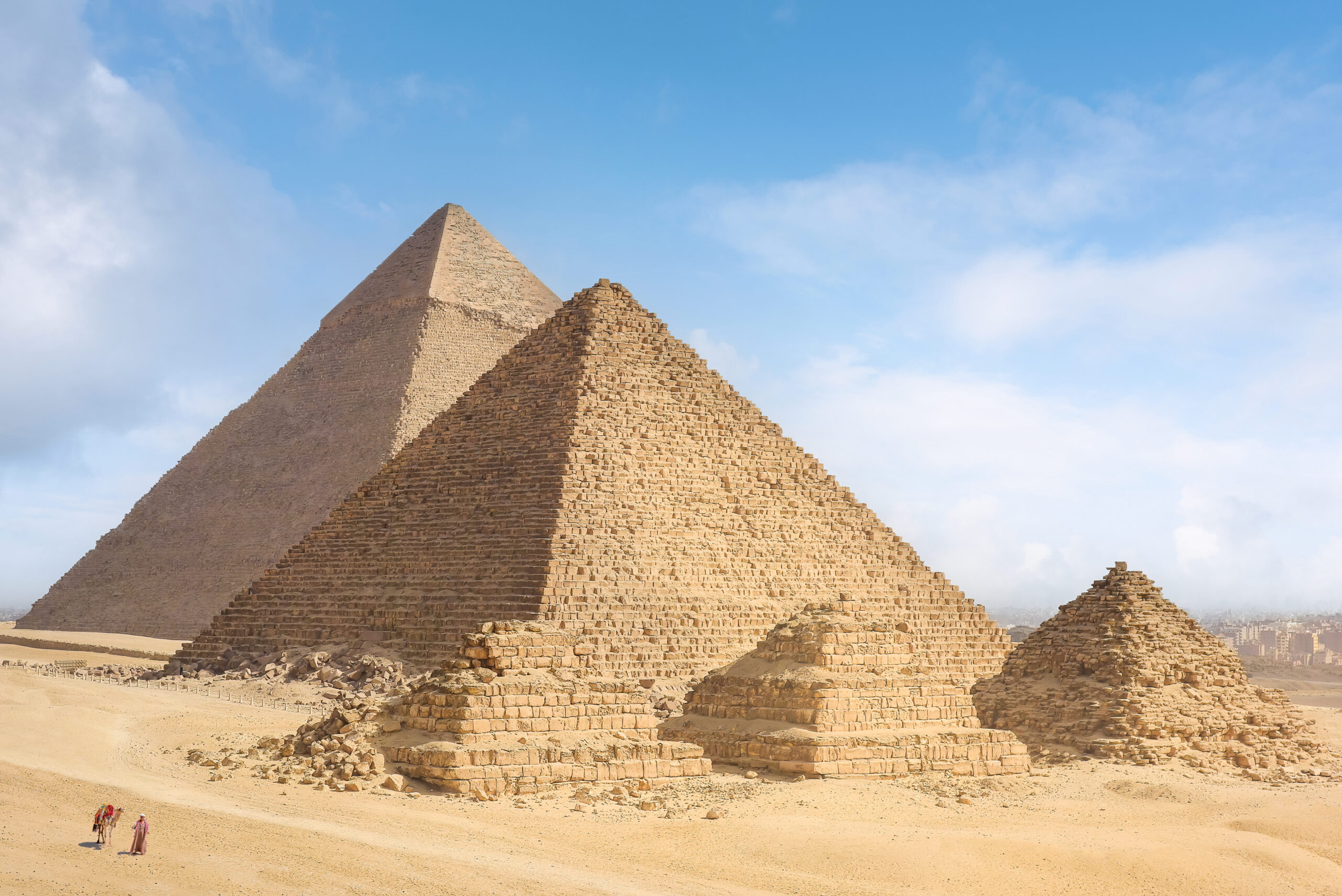
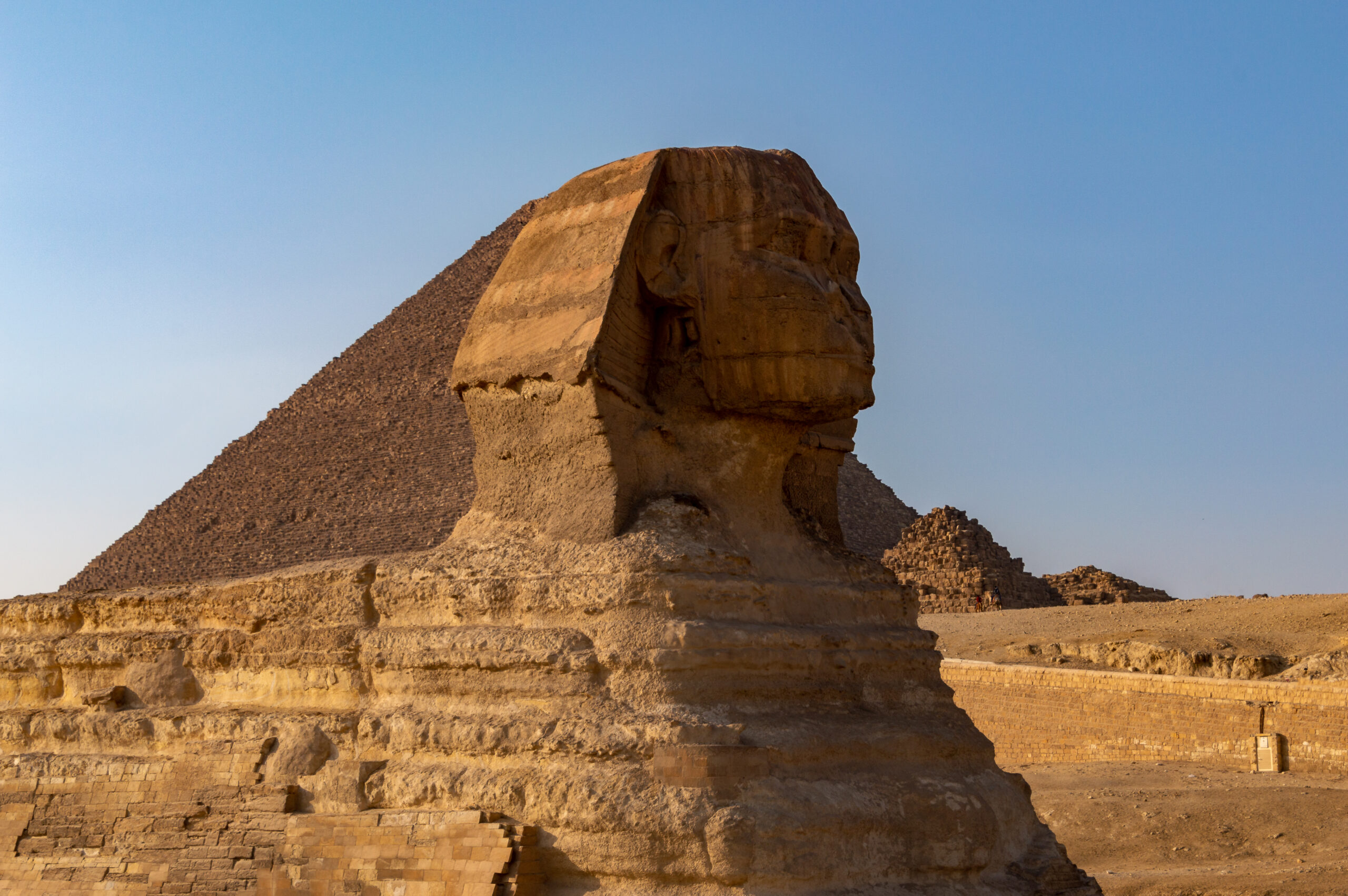
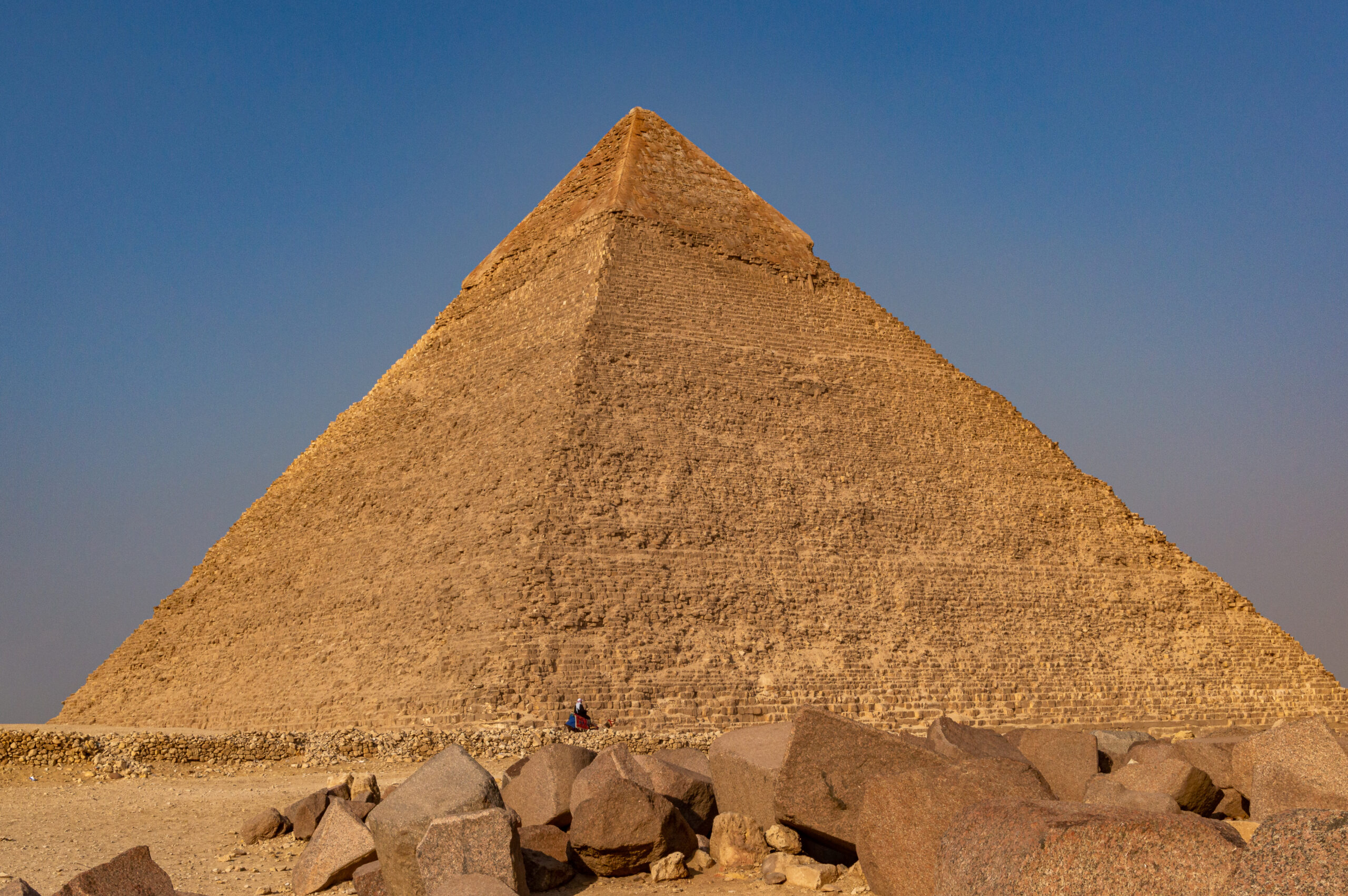
Our friendly guide will accompany you to the awe-inspiring Sphinx and Giza Pyramids.
Technically all of Cairo on the west bank of the Nile is Giza, though the name is inextricably linked with the Pyramids, 9km from the river, on the edge of the desert. Truly time-strapped sightseers could conceivably stay out here and bypass Cairo entirely, but that’s missing a lot of the fun.
The last remaining wonder of the ancient world; for nearly 4000 years, the extraordinary shape, impeccable geometry and sheer bulk of the Giza Pyramids have invited the obvious questions: ‘How were we built, and why?’. Centuries of research have given us parts of the answer. Built as massive tombs on the orders of the pharaohs, they were constructed by teams of workers tens-of-thousands strong. Today they stand as an awe-inspiring tribute to the might, organisation and achievements of ancient Egypt
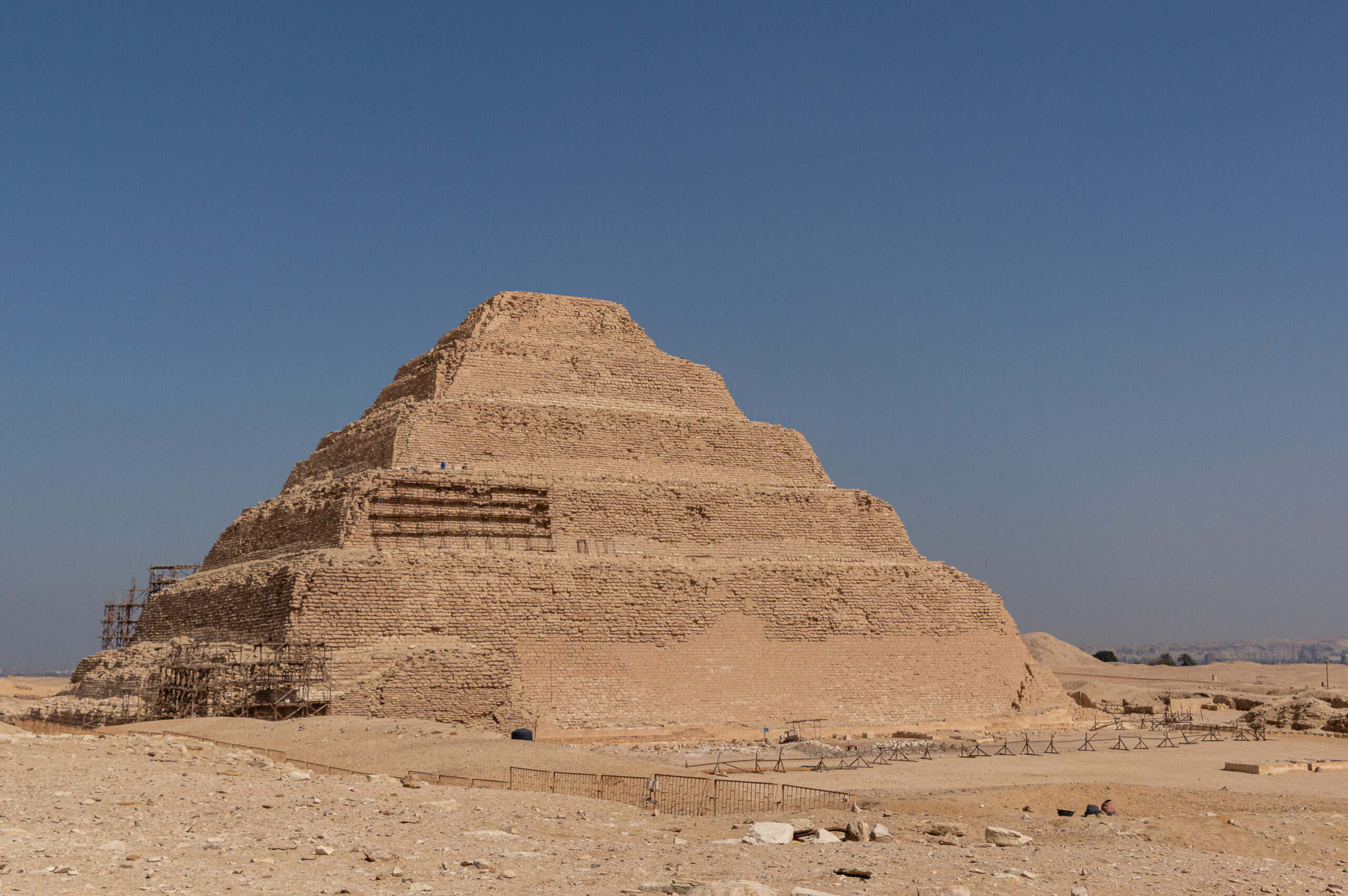
Next, we visit The Saqqara complex to see the unique step pyramid of Zoser.
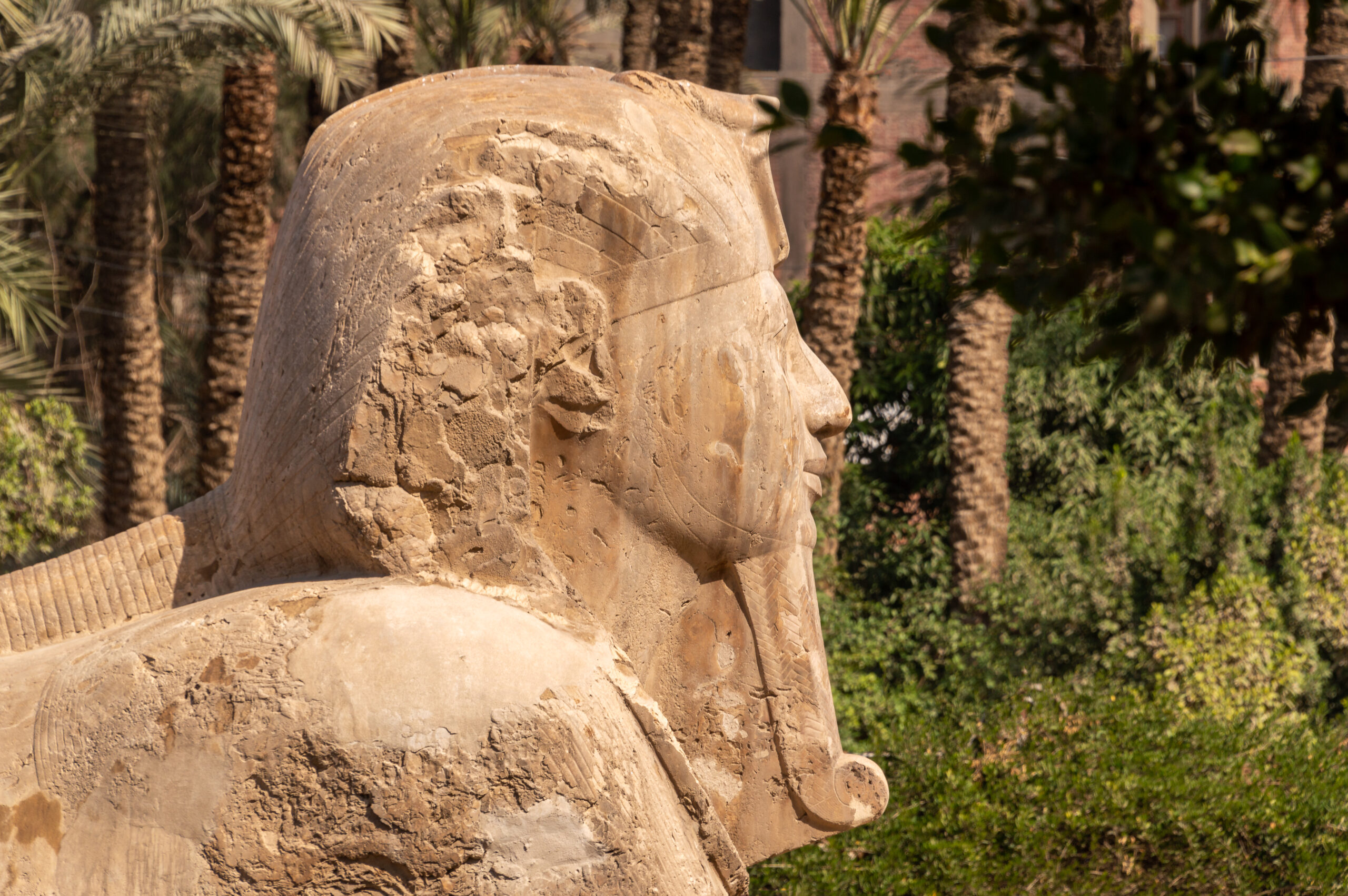
Located 40 km southwest of Cairo, Saqqara is one of the most important cemeteries of Memphis, which was itself one of the most important cities in ancient Egyptian history. The name of the site most likely derives from the god of this necropolis, Sokar.
Saqqara is truly an open-air museum, one that has all of ancient Egyptian history on display. Kings and noblemen from the very first two dynasties (c.3040–2686 BC) were buried here, and this is also the location of the Step Pyramid of Djoser (c.2686–2667 BC).
Return to Cairo
Free evening.
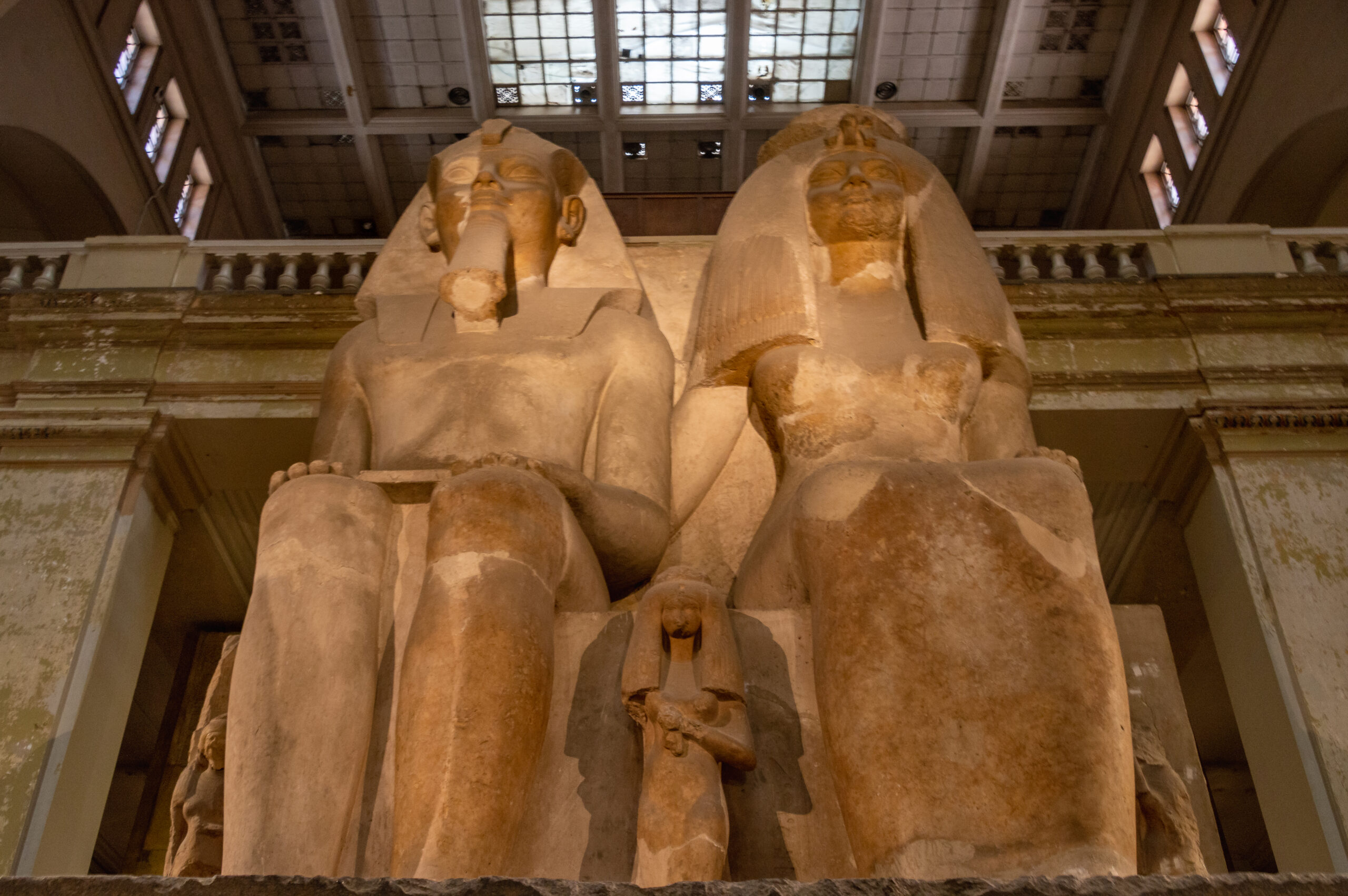
After breakfast, at 09:00, enjoy a guided visit to the Grand Egyptian Museum.
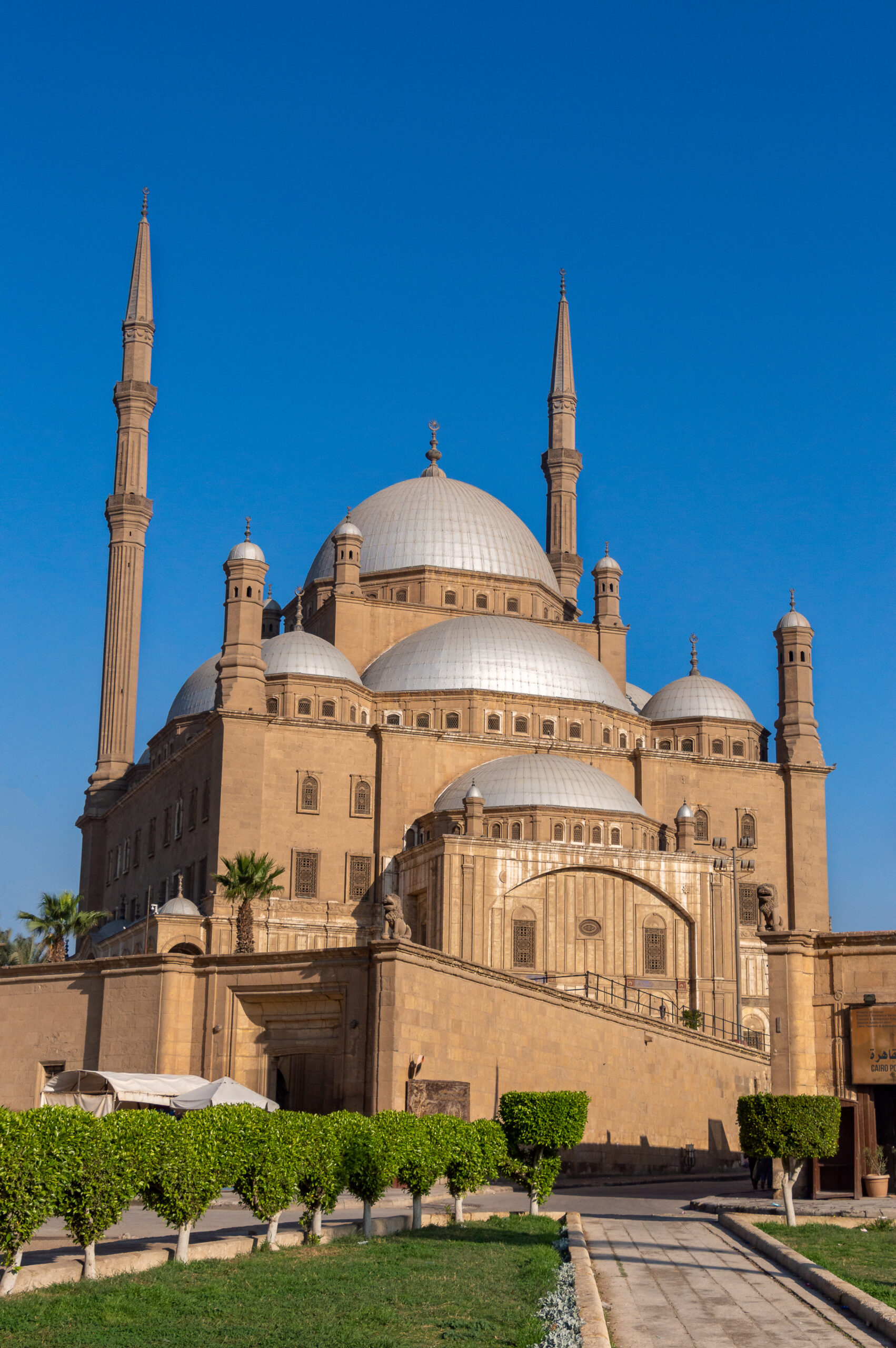
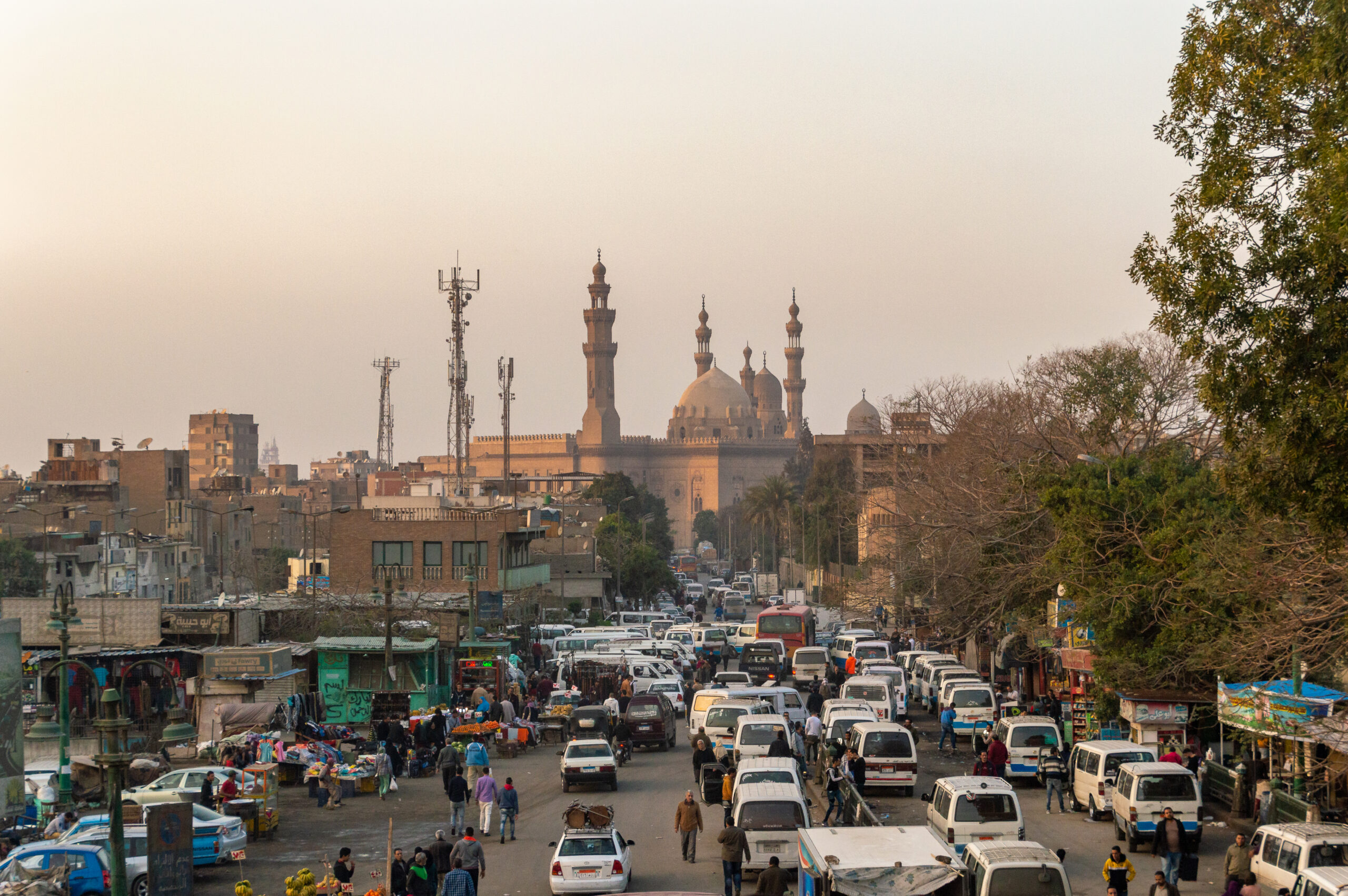
Next, we explore the old city, including Coptic Cairo (the Hanging Church), Islamic Cairo, the Saladin Citadel and the Mohammed Ali Mosque.
Coptic Cairo is a part of Old Cairo which encompasses the Babylon Fortress, the Coptic Museum, the Hanging Church, the Greek Church of St. George and many other Coptic churches and historical sites. It is believed in Christian tradition that the Holy Family visited this area and stayed at the site of Saints Sergius and Bacchus Church (Abu Serga). Coptic Cairo was a stronghold for Christianity in Egypt both before and during the Islamic era, as most of its churches were built after the Muslim conquest of Egypt in the 7th century.
The Citadel of Cairo or Citadel of Saladin is a medieval Islamic-era fortification in Cairo, Egypt, built by Salah ad-Din (Saladin) and further developed by subsequent Egyptian rulers.
Return to your hotel for the Dinner Nile Cruise
Overnight in Cairo
Early breakfast for our departure to Alexandria.
Founded in 331 BC by 25-year-old Alexander the Great, Alexandria (Al Iskendariyya) is the stuff of legend. Its towering Pharos lighthouse, marking the ancient harbour’s entrance, was one of the Seven Wonders of the World, and its Great Library was considered the archive of ancient knowledge.
Alas, fate dealt the city a spate of cruel blows. The Pharos collapsed and the Great Library was torched. Part of the ancient city disappeared under the sea and part under the modern city, so there are few visible remains of the glorious past.
We will visit the following: Kom El Shoqafa, Qaitbay Citadel, Roman Theatre, Corniche walk & fish market lunch.
Egypt’s only surviving Roman theater sits in an area once known as Kom Al Dikka, a prosperous residential zone from the 4th to 7th century CE. The site was rediscovered in 1967, when foundations were being laid for an apartment building on a hillock known as the Mound of Shards because of the vast quantities of broken pottery lying on the ground.
The catacombs of Kom El Shoqafa are an historical archaeological site located in Alexandria, Egypt, and are considered one of the Seven Wonders of the Middle Ages.
Return to Cairo.
Free evening.
Dinner free
Overnight at your hotel in Cairo.
Suggestion – in the evening go for a walk in the old town and visit the Khan El Khalili bazar.
It takes about 15 minutes driving, by taxi or van for everyone. It’s a nice place to visit at night and interesting to see.
Breakfast
Transfer to the airport for your departure.
The tour ends at the airport for check-in and security formalities and to board the flight to Lisbon.
Take your memories and adventures with you on your flight home.
END
Minimum 02 pax
EUR900 Per person
Double room accommodation
30% payment required on booking
Remaining payments can be done in 2 instalments with the final payment, 2 weeks before departure.
** Based on the survey done in the month of March 2026.
Register here for the trip and further details will be sent
https://forms.gle/3AkTSZBDDWe2gFhd8 Travel@hodophileexperience.com
Hodophile Experience cannot be held responsible for any travel disturbances, occurred due to very rare but possible flights delays. All participants need to carry travel and medical insurance on all our trips to protect themselves against any extra costs.


Will be sent with full itinerary when confirmed

Will be sent with full itinerary when confirmed

Click here to check the visa requirements

The Nile River
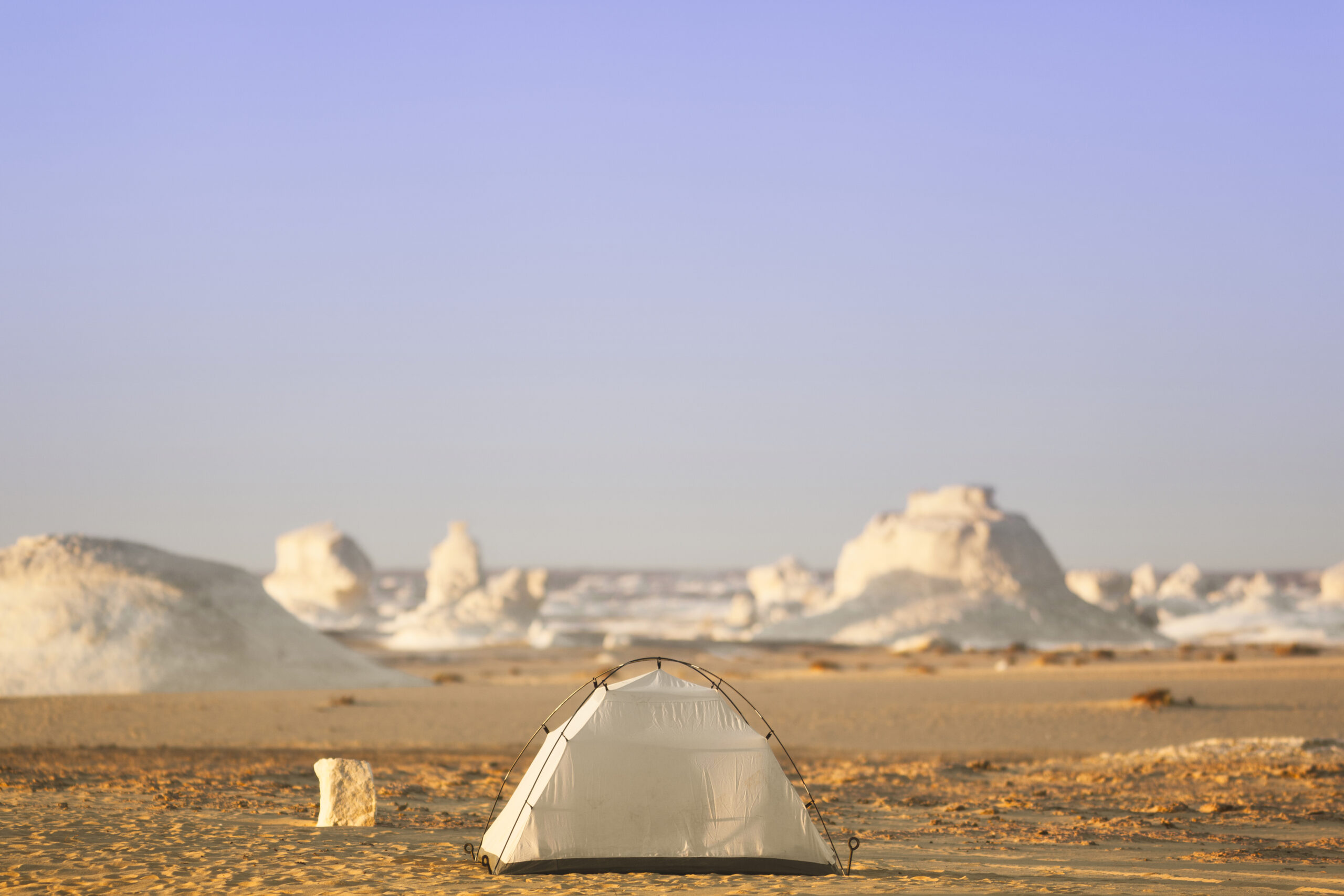
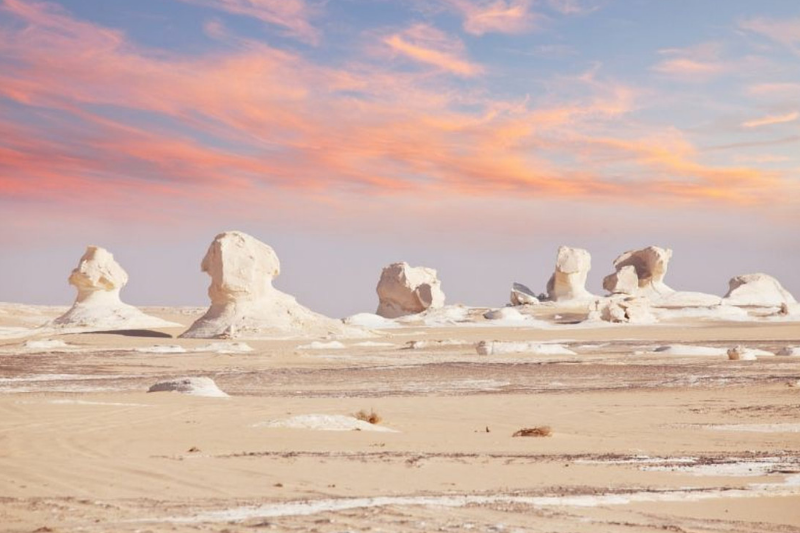
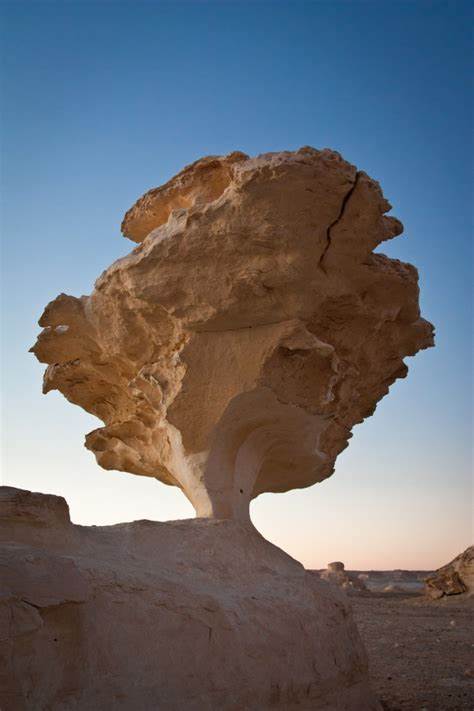
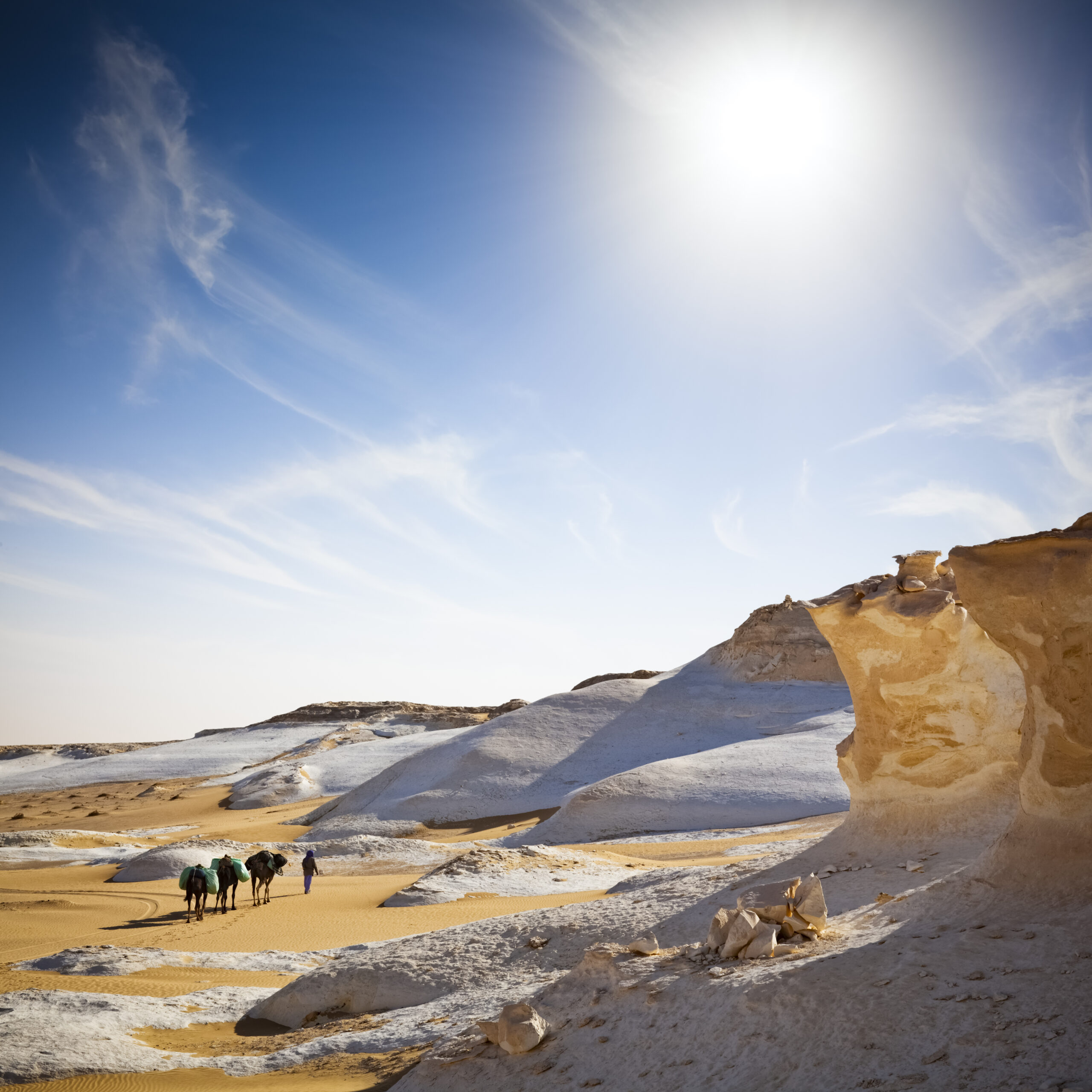
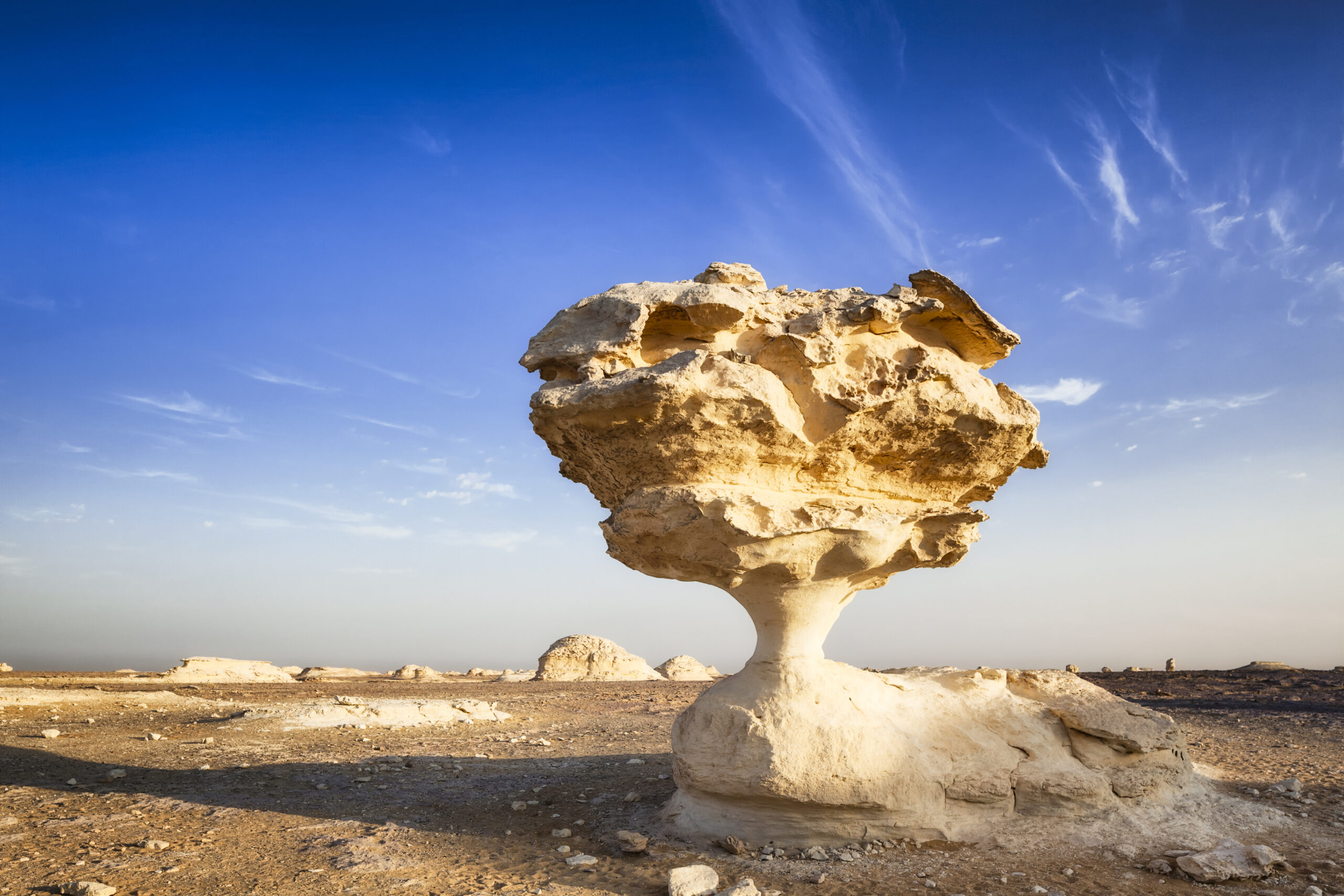
The White Desert
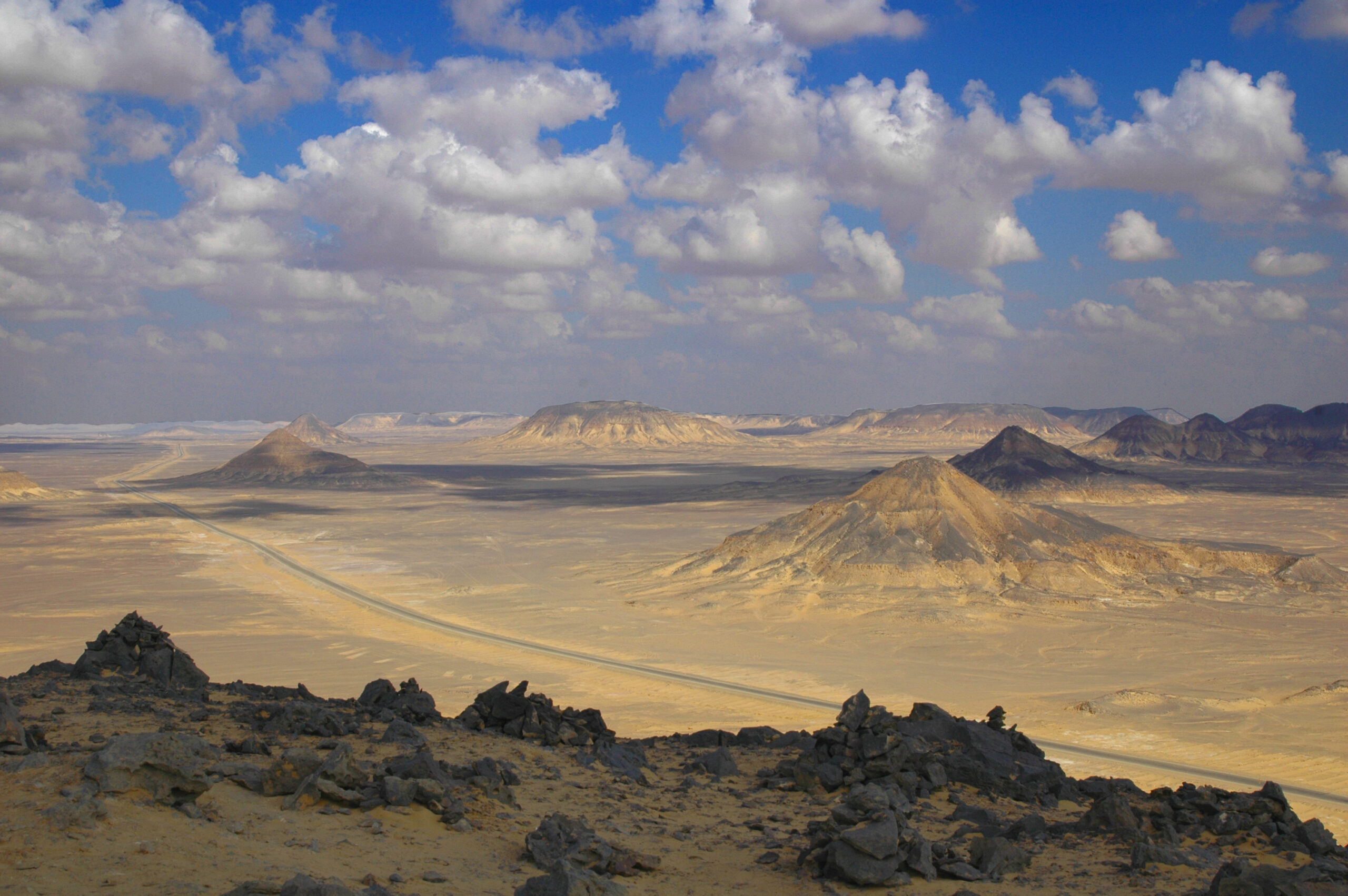
The Black Desert
Pyramids of Giza, the only original remaining Wonder of the World
Tombs of Pharaohs in the Valley of Kings
Shop at one of Cairo’s many bustling street bazaars
Luxor Temples
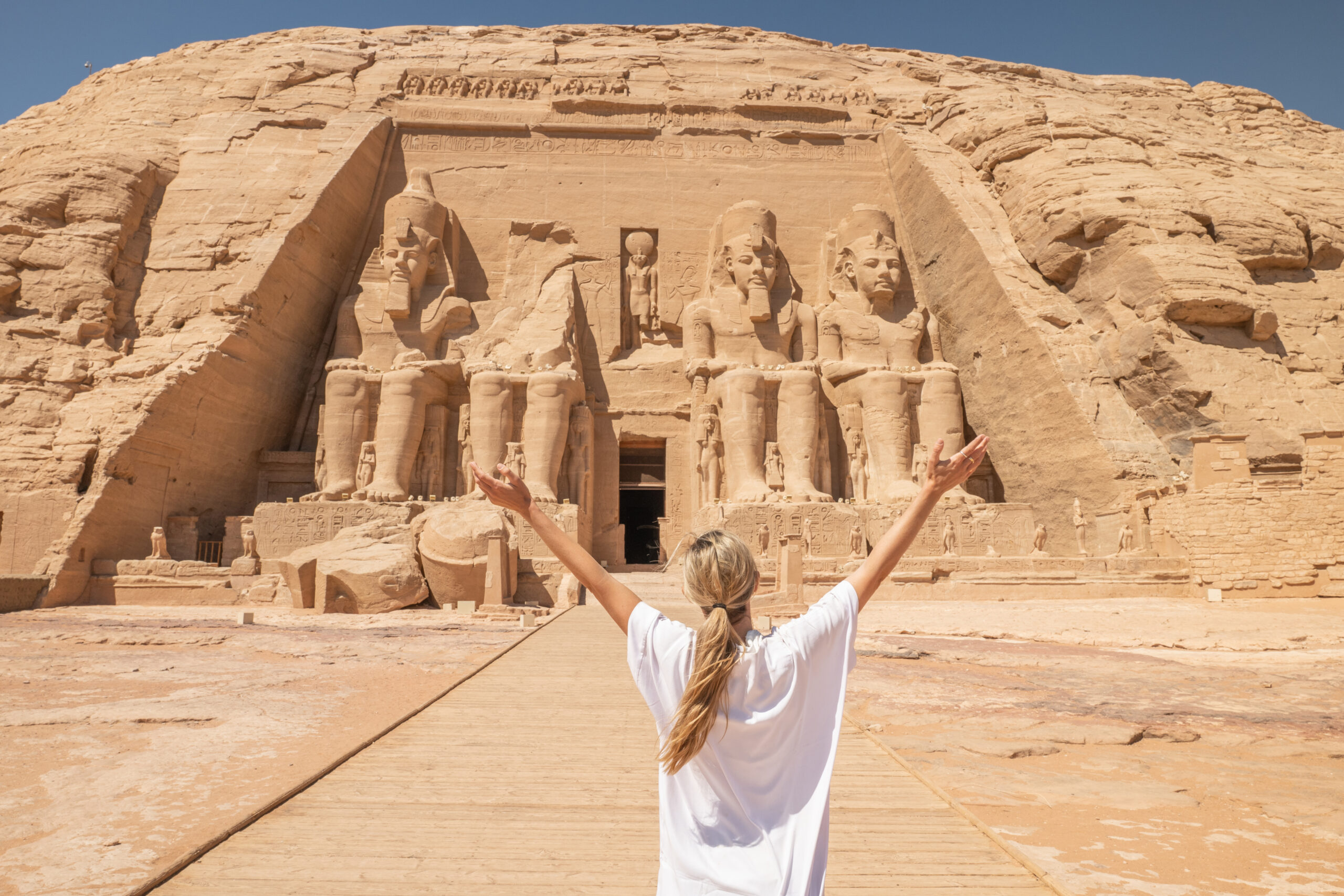
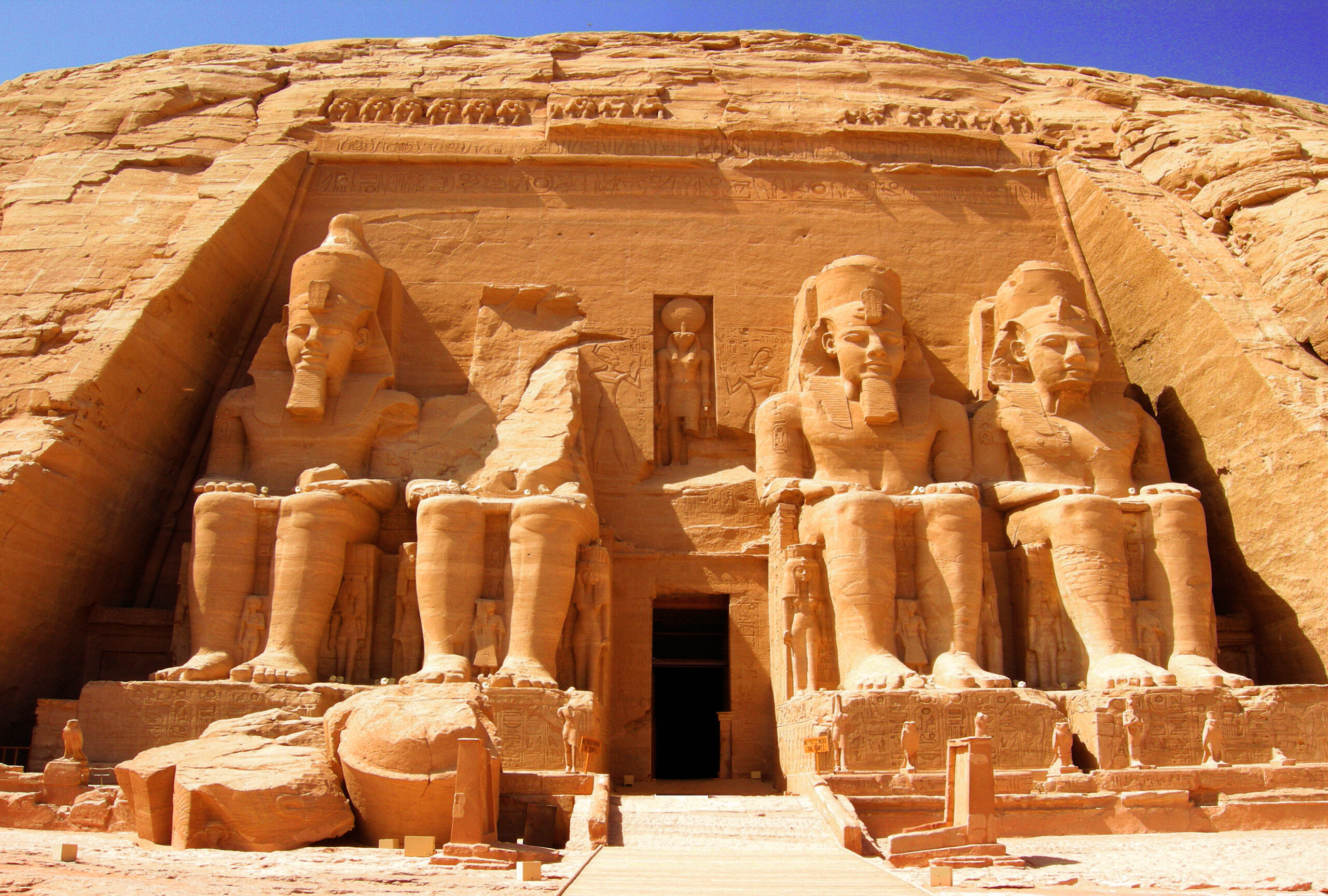
Abu Simbel
Cairo
Aswan
Egyptian Museum
The Hanging Church
The Mosque of Muhammad Ali