+351 965 133 699
travel@hodophileexperience.com

Price Includes:


Price Excludes:
** Based on the survey done in the month of February 2026.
Hodophile Experience cannot be held responsible for any travel disturbances, occurred due to very rare but possible flights delays. All participants need to carry travel and medical insurance on all our trips to protect themselves against any extra costs.
Register Here: https://forms.gle/3AkTSZBDDWe2gFhd8
Or email us at: travel@hodophileexperience.com
• Program changes are reserved:
Tourism in Saudi Arabia is new territory; facilities or museums are frequently closed, government agencies block hotels or tourist sites, and restoration and construction sites prevent planned tours and routes. We will endeavour to offer suitable alternatives where and when possible.
• Please also note that for tours, that are only possible with government guides, these government guides determine what will be shown on site! This may deviate from our program description; unfortunately, we have no influence on the decisions of the government guides (e.g., al-‘Ula Old City, Mada’in Saleh, Dedan, Khuraibah, Khaybar, ad-Dir’aiya, etc.).
Arrival at the airport in Riyadh. Completion of entry formalities.
Drive to the city with the local vehicle and your tour guide.
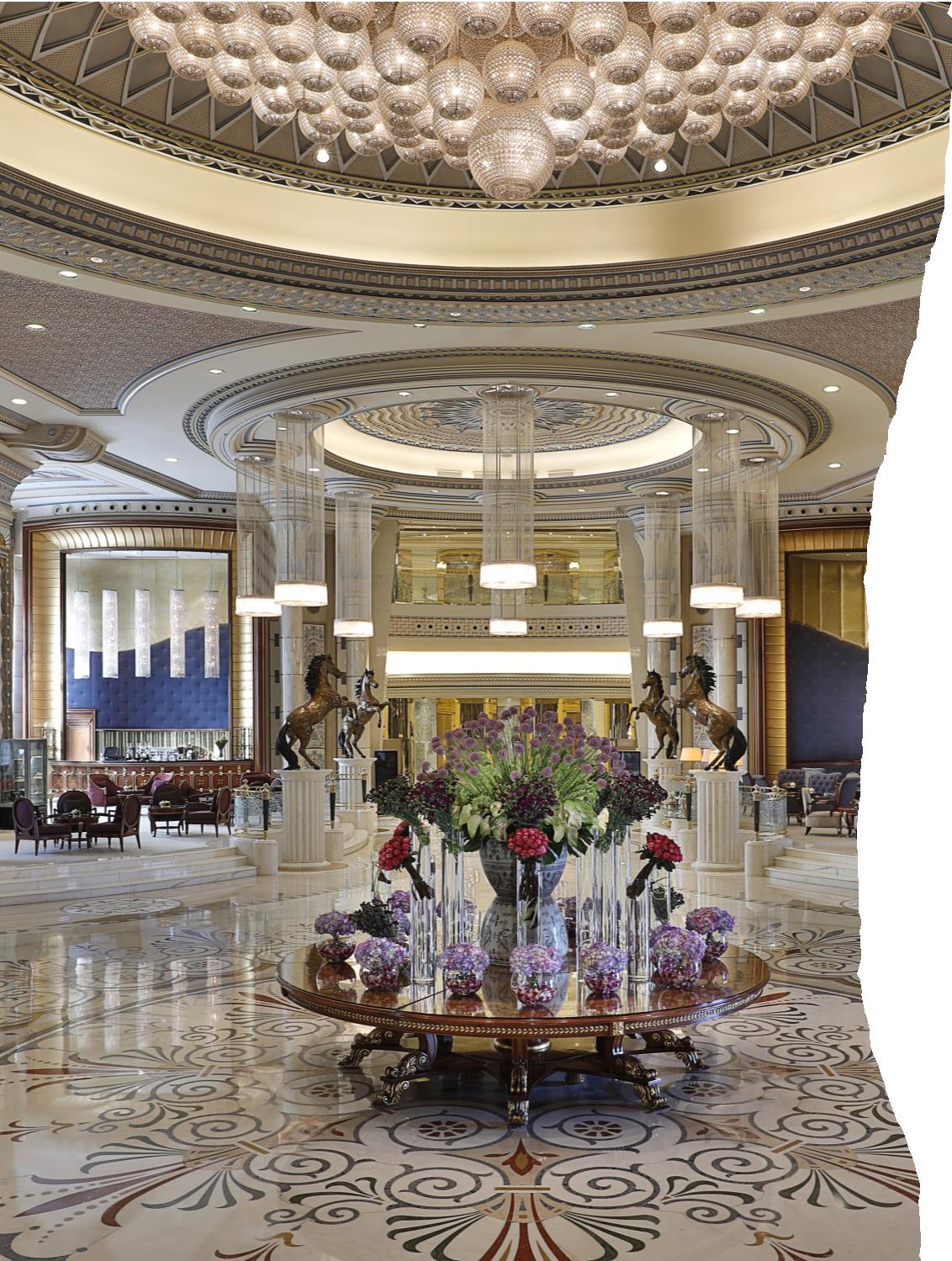
Check-in for 1 night at a 5-star
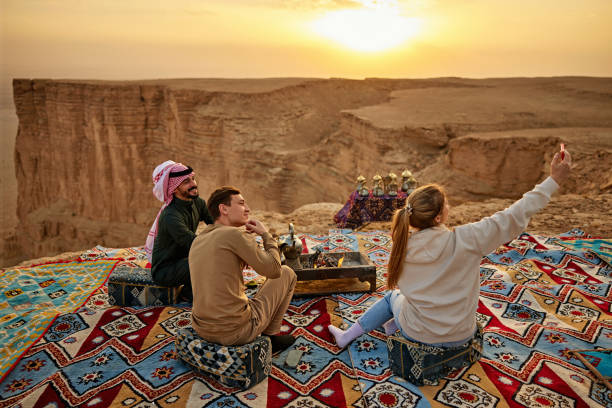
If you arrive at Riyadh on any early morning flight, or flight arrival by 10:00LT, then we have an amazing experience to start off your Saudi experience!
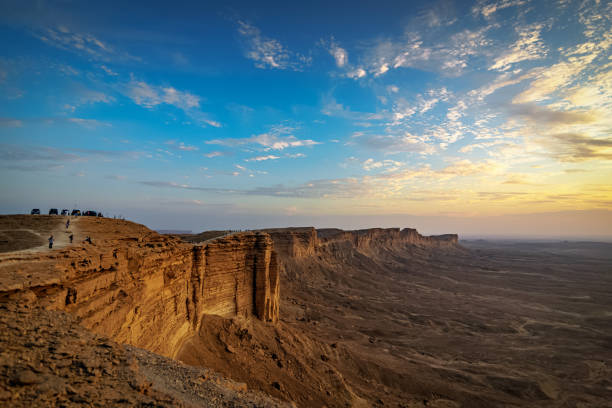
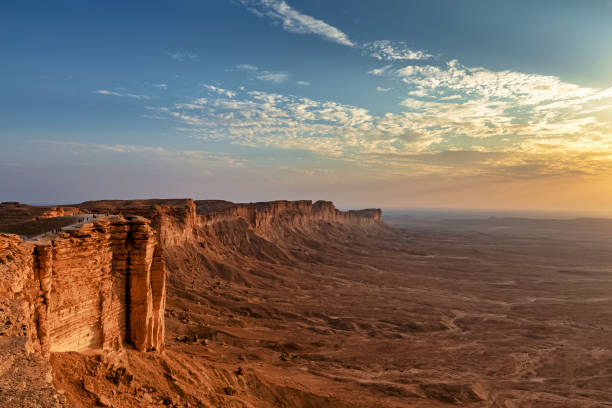
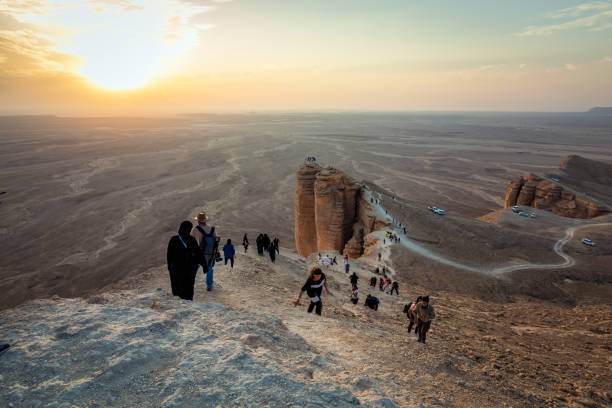
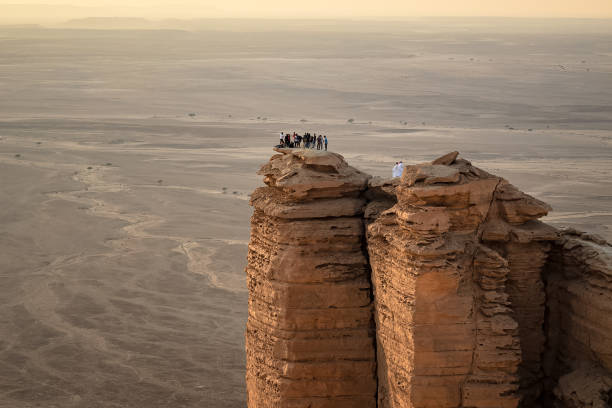
In the afternoon You will visit The Jabal Fihrayn escarpment to the north-west of Riyadh, a journey through millions of years of geological plate tectonics. Your four-wheel drive vehicle starts from your hotel and takes you the 90 kilometres from Riyadh to the 300-metre-high edge in around one and a half hours (depending on traffic).
Meals – breakfast / dinner in the hotel restaurant
Overnight stay.
Early breakfast and then a tour of Riyadh, the city of millions in transition.
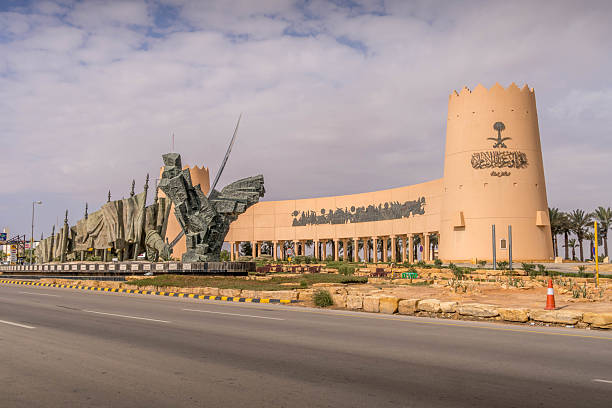
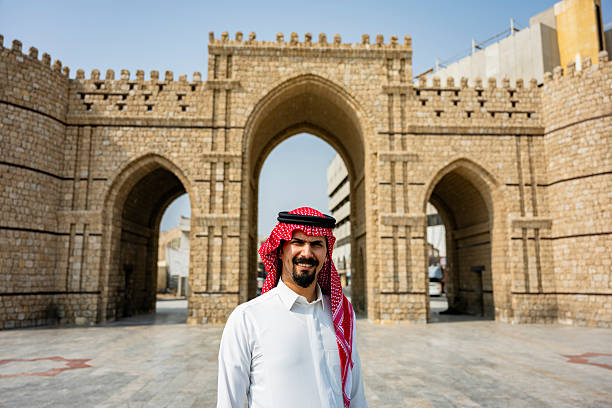
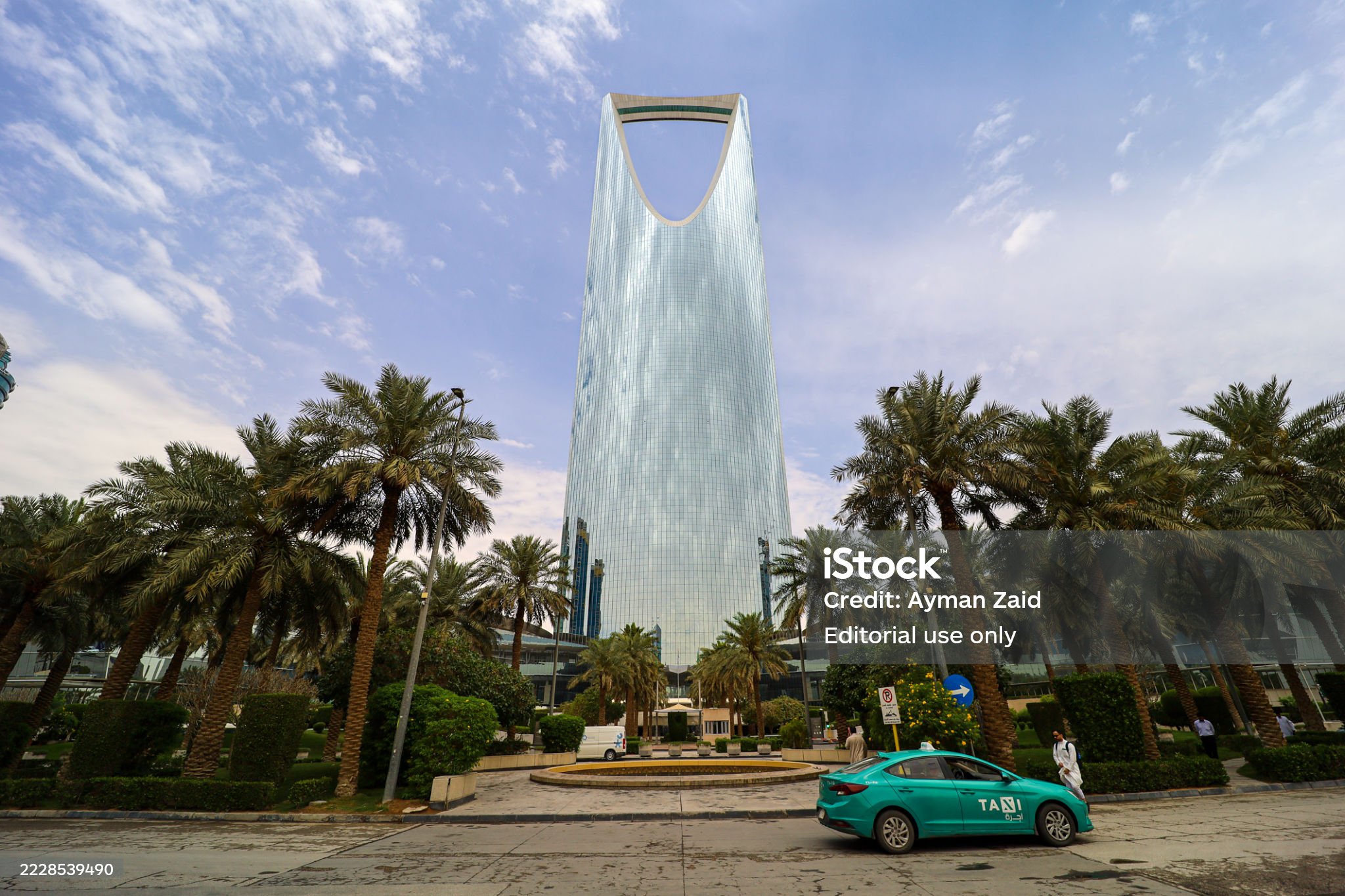
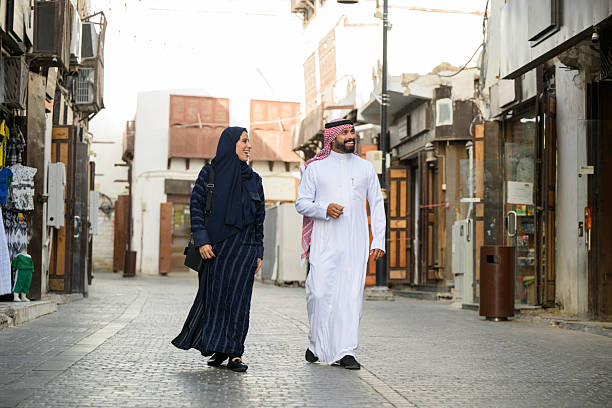
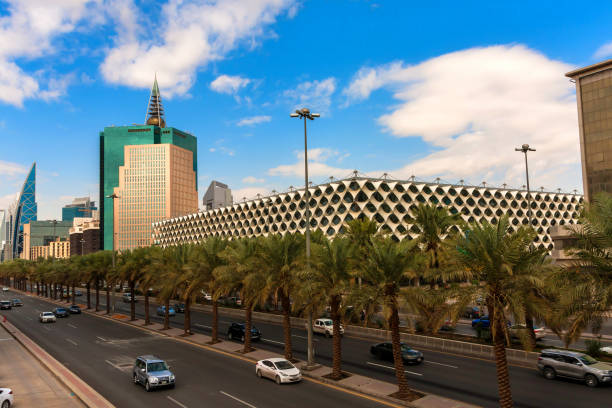
Riyadh is the capital of the kingdom with over 6.5 million inhabitants today. The cityscape is by tradition, with men in white kaftans, known here as thobe, with traditional headgear, the kufia, and women in black abayas, usually with headscarves (hijab) or even covering their eyes with a niqab.
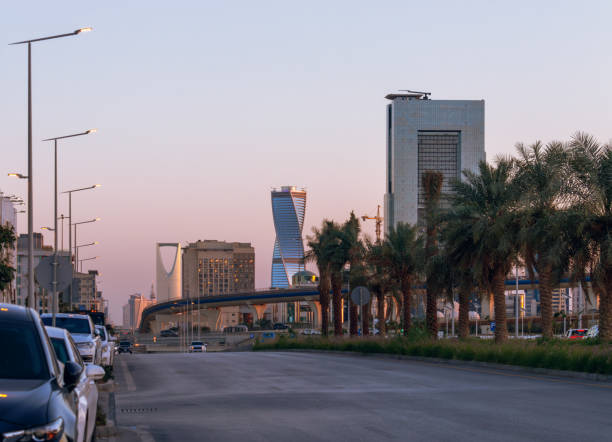
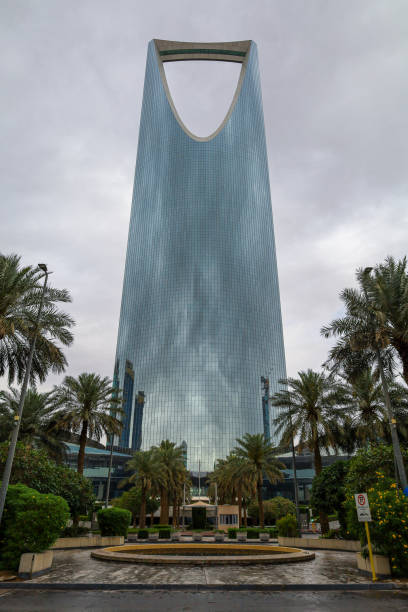
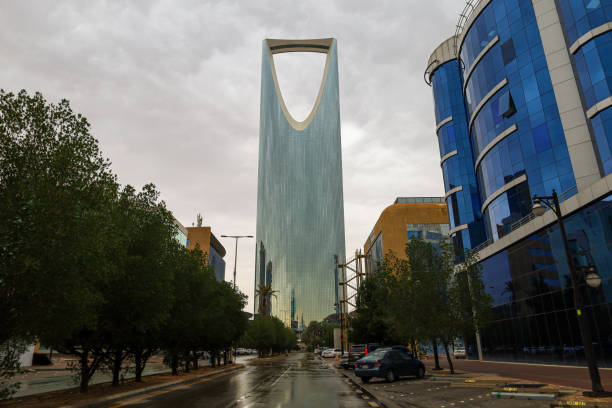
But it is also visible about big SUVs, glittering megamalls, big business, more and more skyscrapers being built.
A balancing act between tradition and modernity? Is Saudi Arabia reinventing itself?
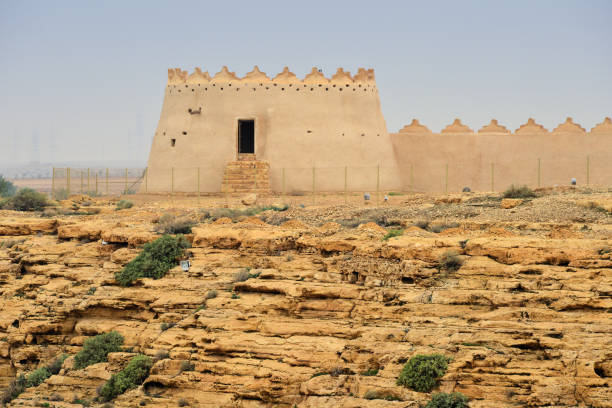
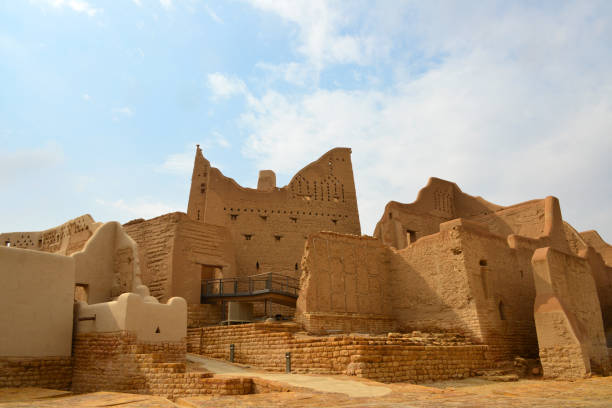
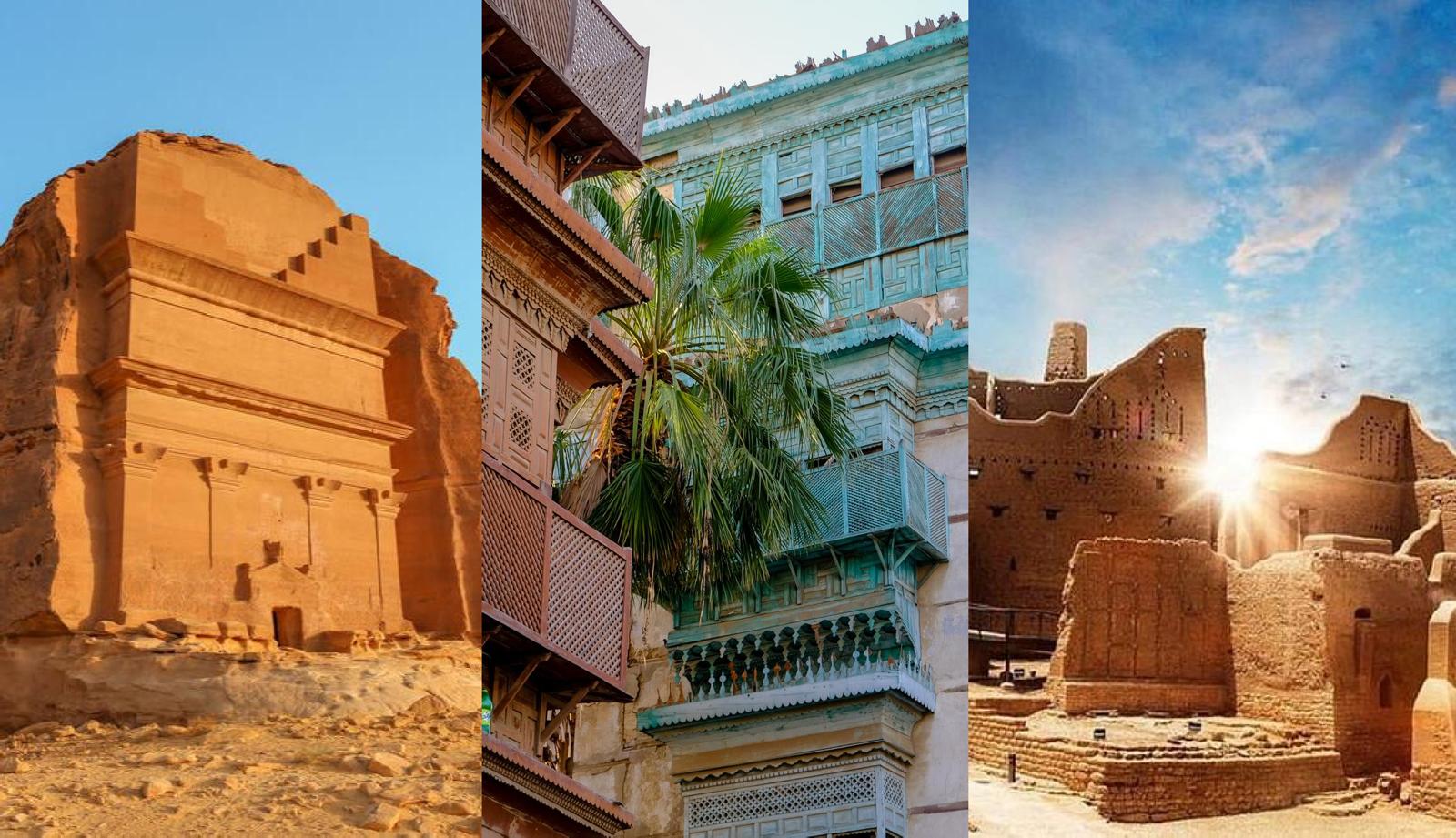
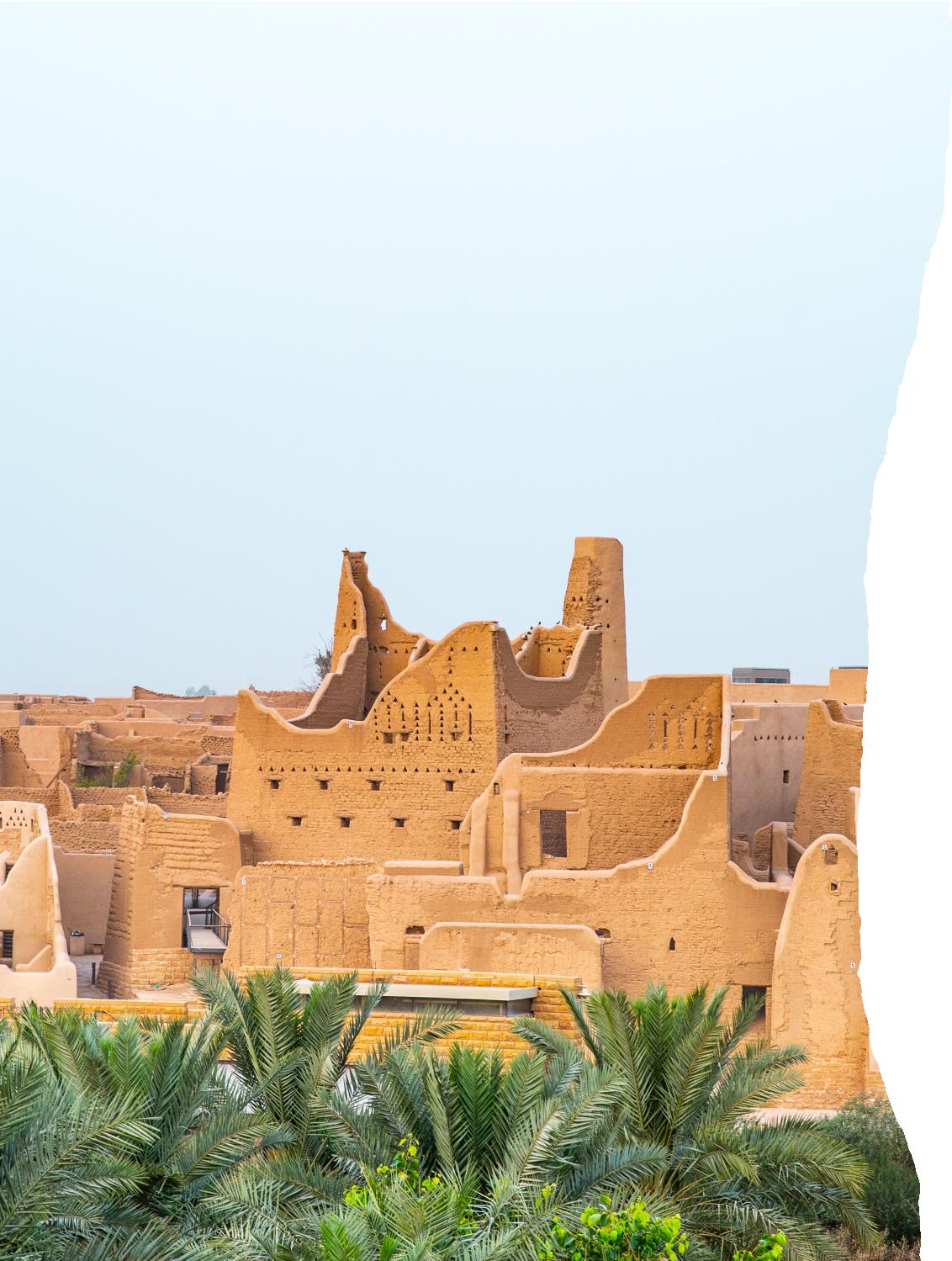
After breakfast, drive to the north-western suburb of ad-Dir’aiya, founded in 1446, the “nucleus” of Wahhabism and home of the Al Saud family. The old settlement of low mud buildings, destroyed by the Ottomans under Ibrahim Pasha and now uninhabited, lies directly on the Wadi.
Hanifa; at-Turaif has been a UNESCO World Heritage Site since 2010, the former palace of Sa’ud and the Qasr Nasr have been restored, the old Darisha Tower is still one of the best preserved. On the way, you will see the new King Abdullah Finance District, one of the largest and most important projects in Saudi Arabia. Covering an area of 1.6 million square meters, 59 residential, financial and commercial towers have been built, including residential and living structures such as schools, recreational areas and hospitals for 12,000 people.
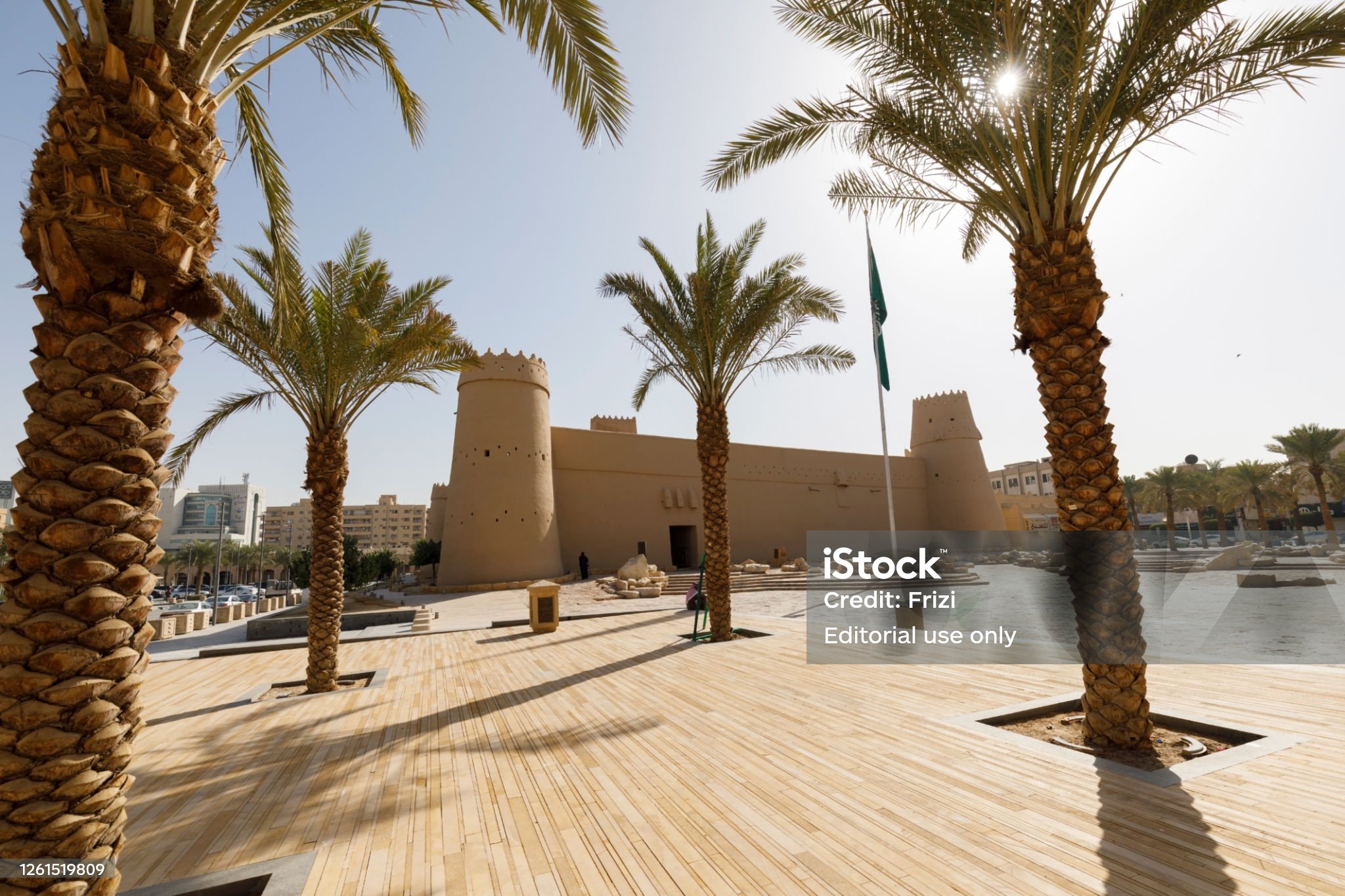
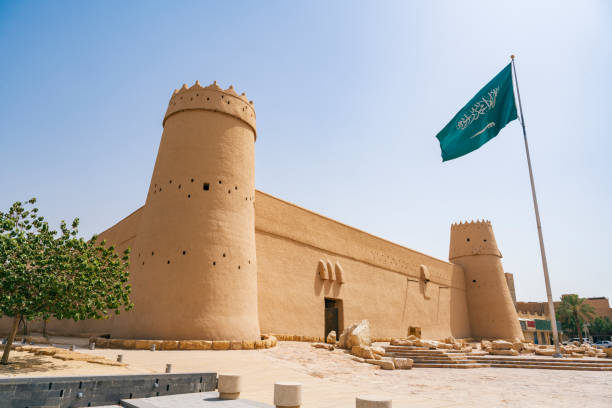
In the afternoon, explore Masmak Fort in the old town of ad-Dira, which is located next to the old Zar Suq and was once part of the city fortifications and is now a museum of the city’s history.
Continue to Riyadh Airport and flight (with XY123) to Tabuk.
Scheduled departure time from Riyadh is 21:00, arriving at Tabuk at 23:20.
You will stay at the hotel for 2 nights
Meals – breakfast / dinner in the local restaurant.
Overnight stay.
Breakfast.
We will visit Tabuk in the morning.
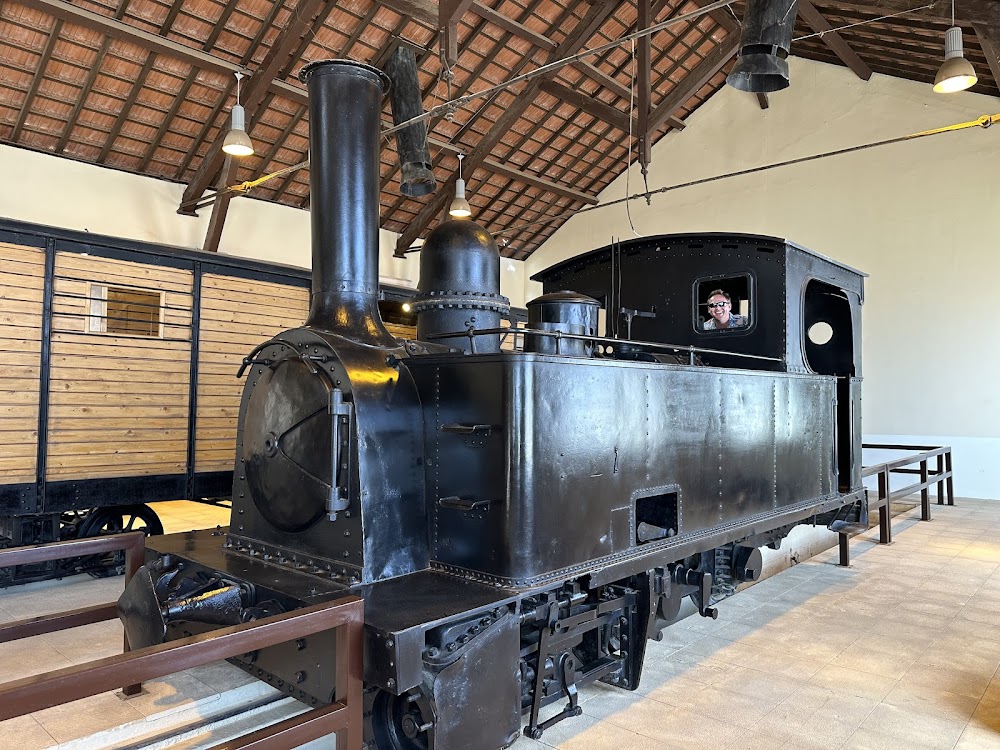
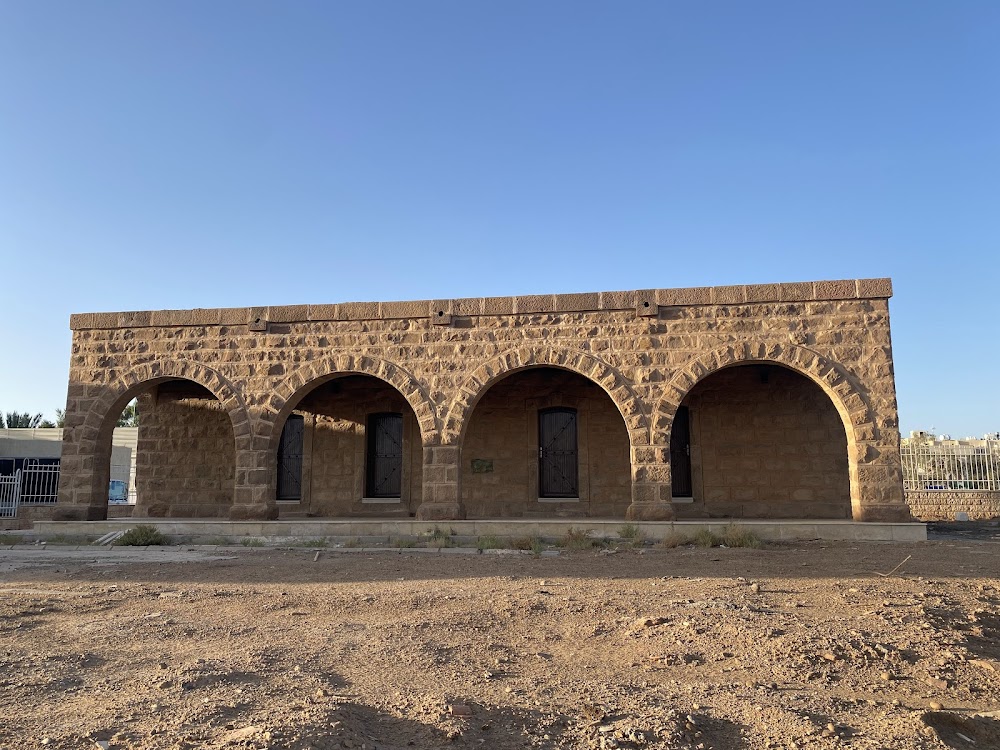
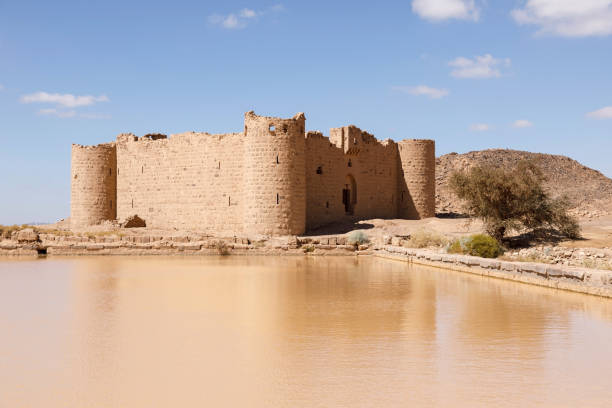
Tabuk is a military town in the northwest of Saudi Arabia with an old fort and a small station of the Hejaz Railway (visit).
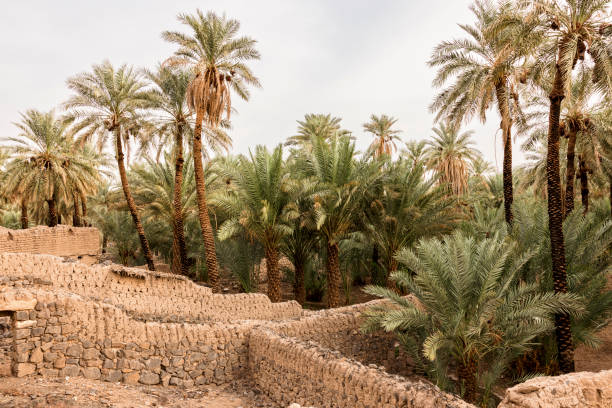
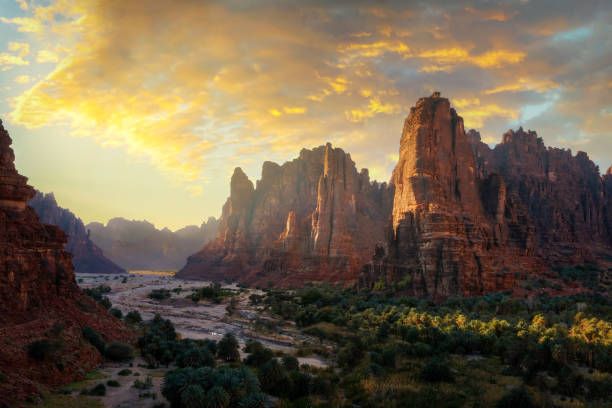
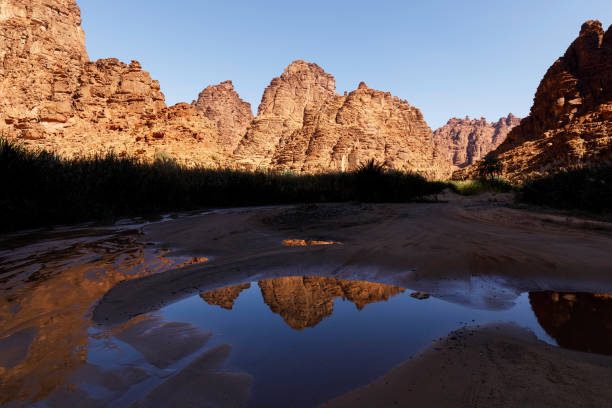
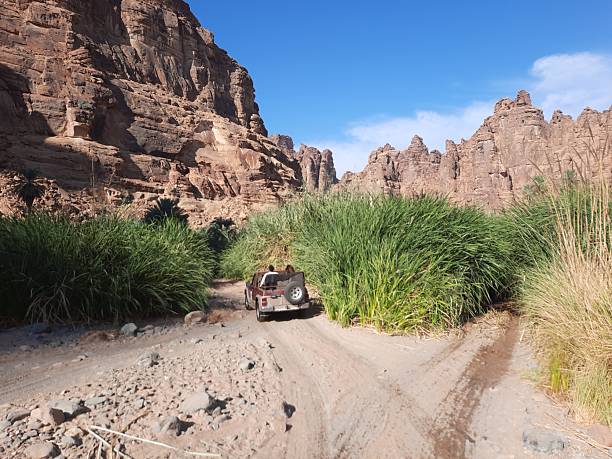
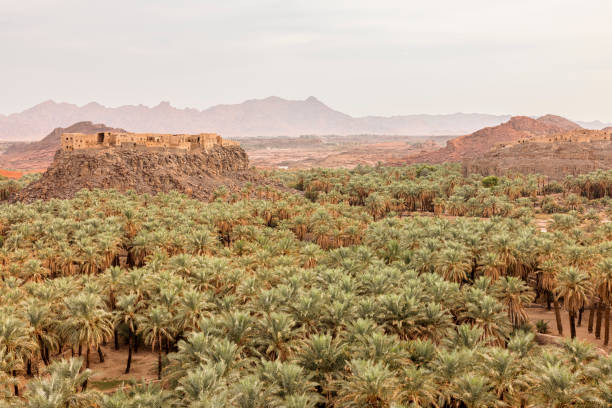
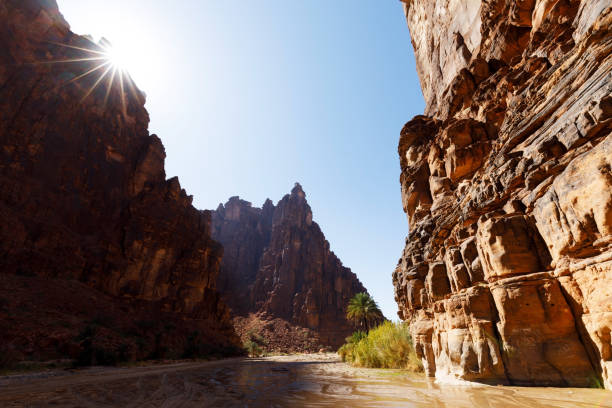
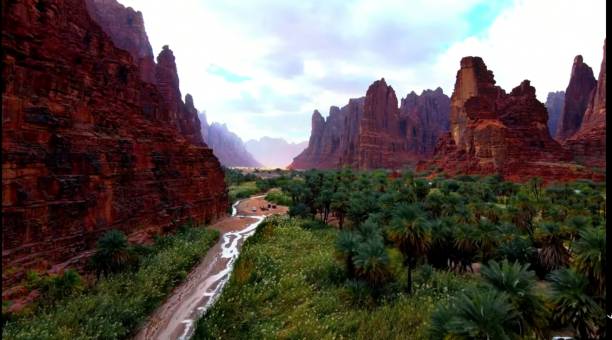
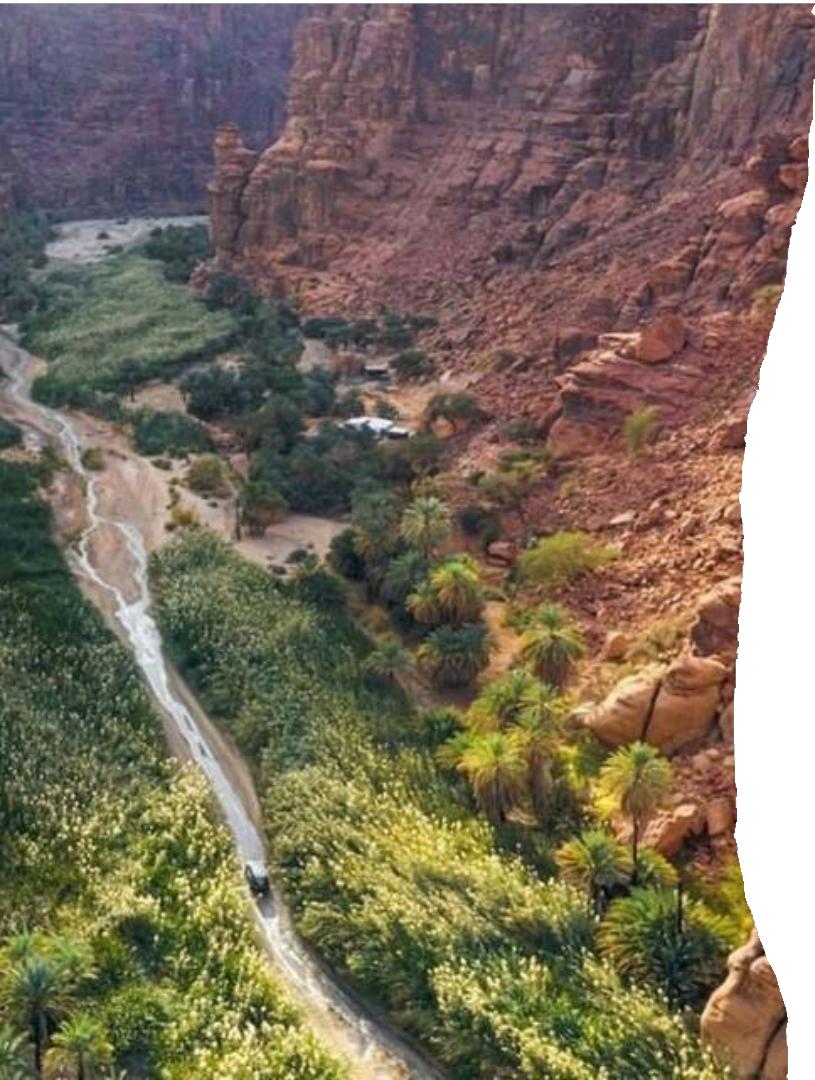
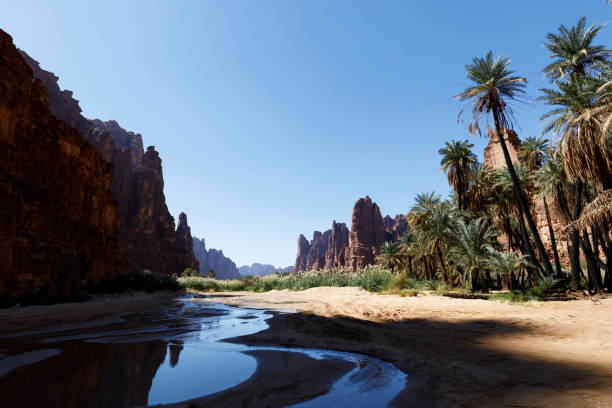
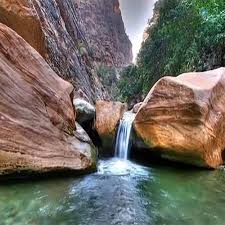
Then head towards al-ʿUlā, stopping at Al-Disah on the way to taste the fresh air and enjoy its purity without industrial and urban pollution. Al-Disah is an amazingly tranquil, picturesque 25km long valley of sandy riverbeds with cool, shady palm trees, surrounded by towering red sandstone escarpments, stunning canyon peaks and lined with bubbling freshwater streams and an oasis.
The dramatic cliffs are home to ancient caves, hidden tombs and impressive writings and artwork of humans and animal figures. Enjoy a picnic with a peaceful view of the surrounding landscape.
Following this amazing experience, we make our way to Al-ʿUlā.
Then reach al-‘Ula for 3 nights at Sahary al-‘Ulā Resort.
Meals -Breakfast / picnic / dinner at the hotel
Overnight stay.
Early breakfast.
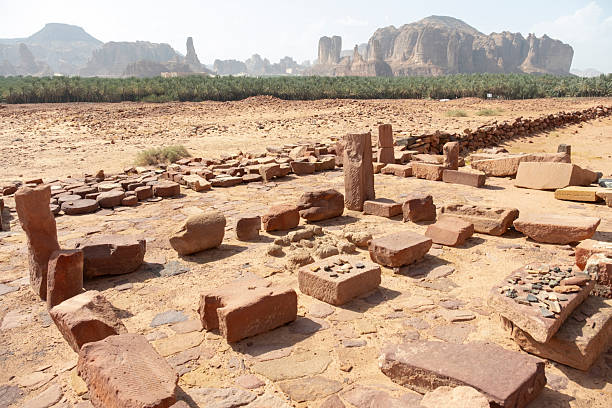
20 km north of the modern city of al-‘Ulā are the ruins of the former capital of the kingdom of Dedan, which flourished in the 11th century. The sandstone landscape around al-‘Ula is spectacular. The oasis and ruined city of al-‘Ulā is known as the archaeological treasure trove of Saudi Arabia. al-‘Ula was once the hub of various ancient trade routes.
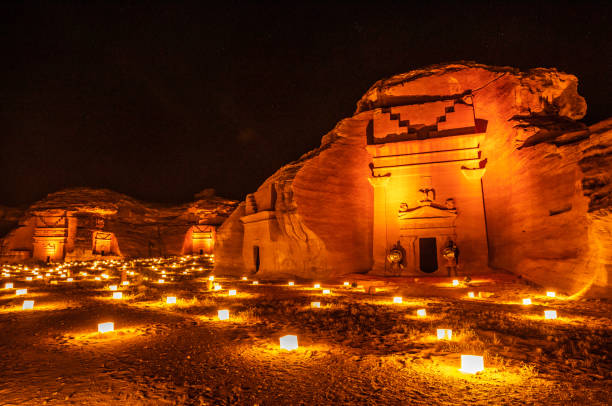
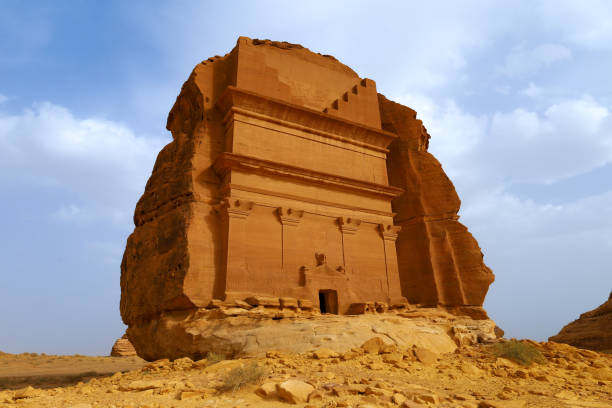
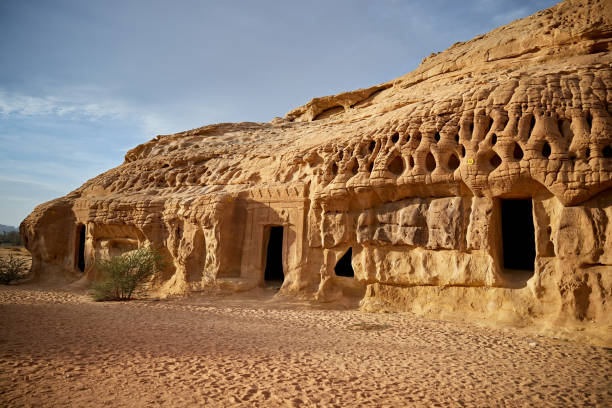
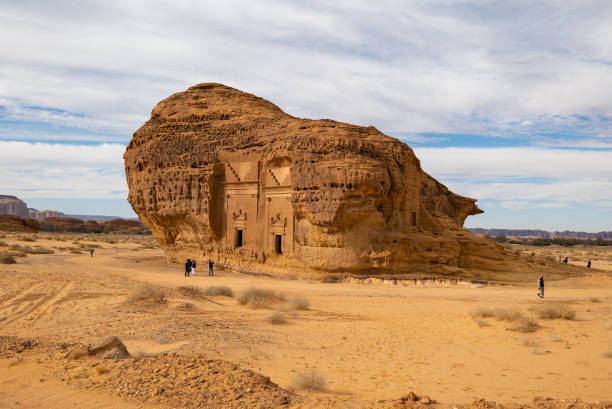
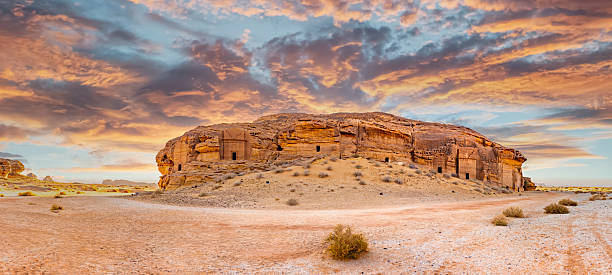
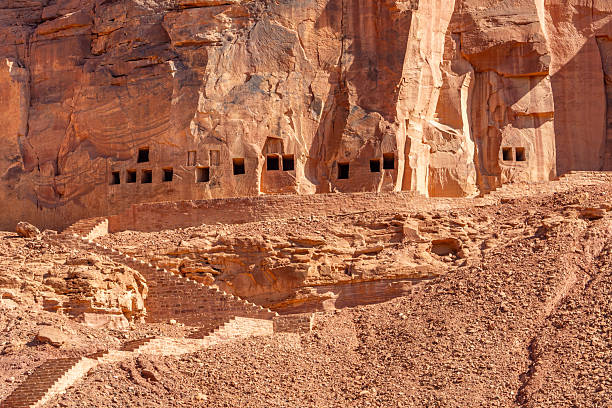
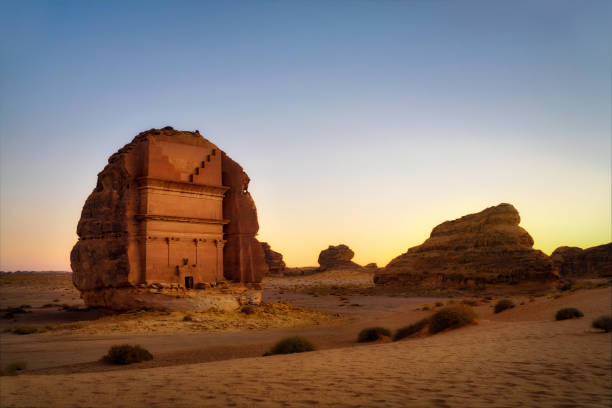
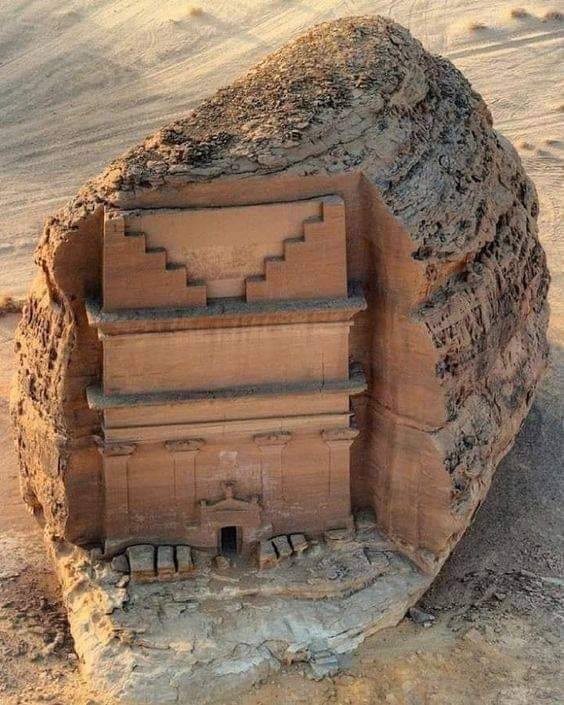
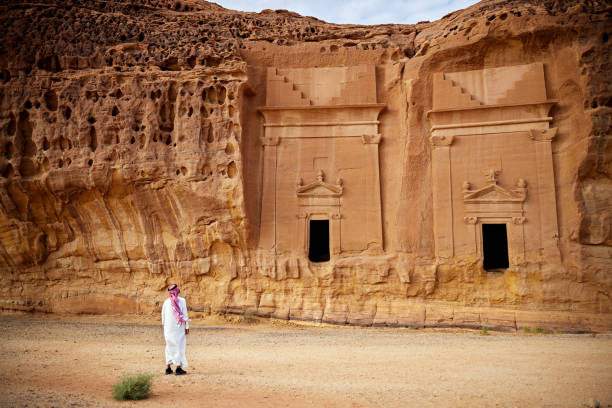
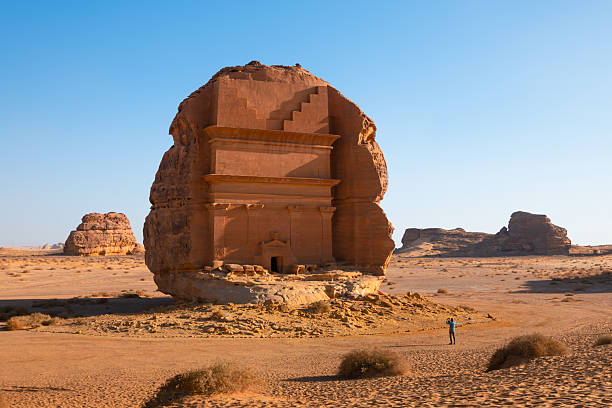
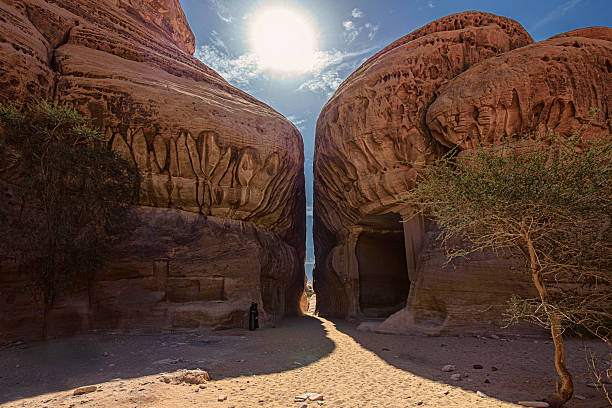
Your excursion into the breathtaking desert landscape will take you to one of the highlights of our Saudi Arabia exploration: Mada’in Saleh (UNESCO World Heritage Site), the large area of Nabataean ruins. As the first site in Saudi Arabia to receive the UNESCO designation (2008), it features 111, often 131, monumental tombs with intricate facades similar to Petra.
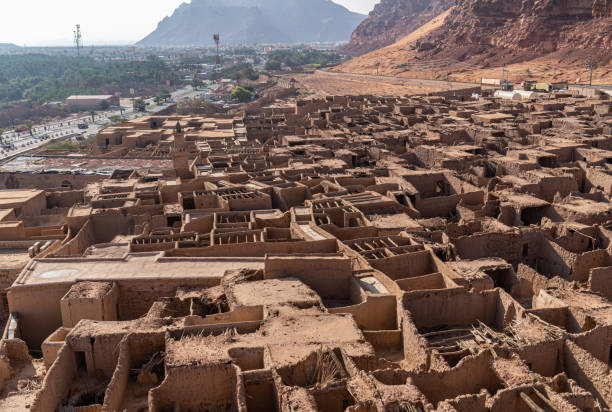
In Mada’in Saleh there are over 130 rock tombs with decorative fronts and entrances. The largest contiguous complex with 23 tombs is Quasr al Bint. Al-‘Ulā is a remarkable destination because of its multi-layered legacy of human history and a wealth of natural wonders. The old town is characterized by its mud-brick houses. These approximately 900 houses are built interconnected to provide protection and indicate that defence was a priority for the city’s former inhabitants. A renovated souq invites you to shop.
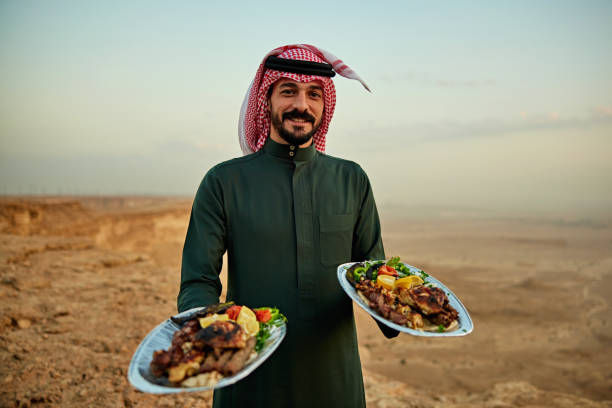
You are invited to an exclusive lunch in a luxurious restaurant with a sun terrace in the middle of the desert, in the Habitas al-‘Ulā Resort heritage hotel complex – https://www.ourhabitas.com/alula/dining/, an unforgettable experience with a fantastic view of the vastness of the bizarre rocky landscapes.
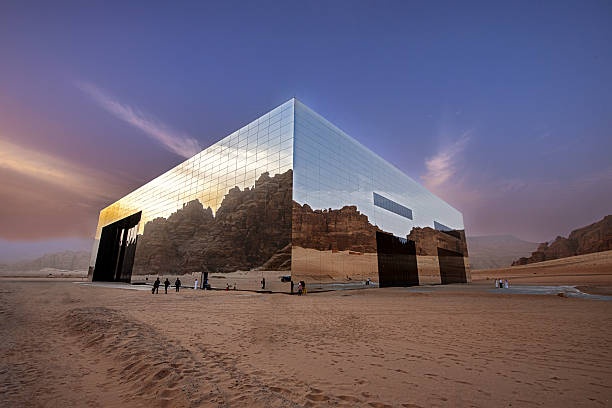
From the outside you will see the largest mirrored building in the world, the Maraya Concert Hall. Maraya, Arabic for mirror, forms an extension of its surroundings, with all sides completely covered in reflective panels that refract the abstract views of the golden sands and majestic mountains that surround it. Al-‘Ulā is a remarkable destination because of its multi-layered legacy of human history and a wealth of natural wonders.
Continue with a stop to visit two beautiful areas, Madachil and Gharamil.
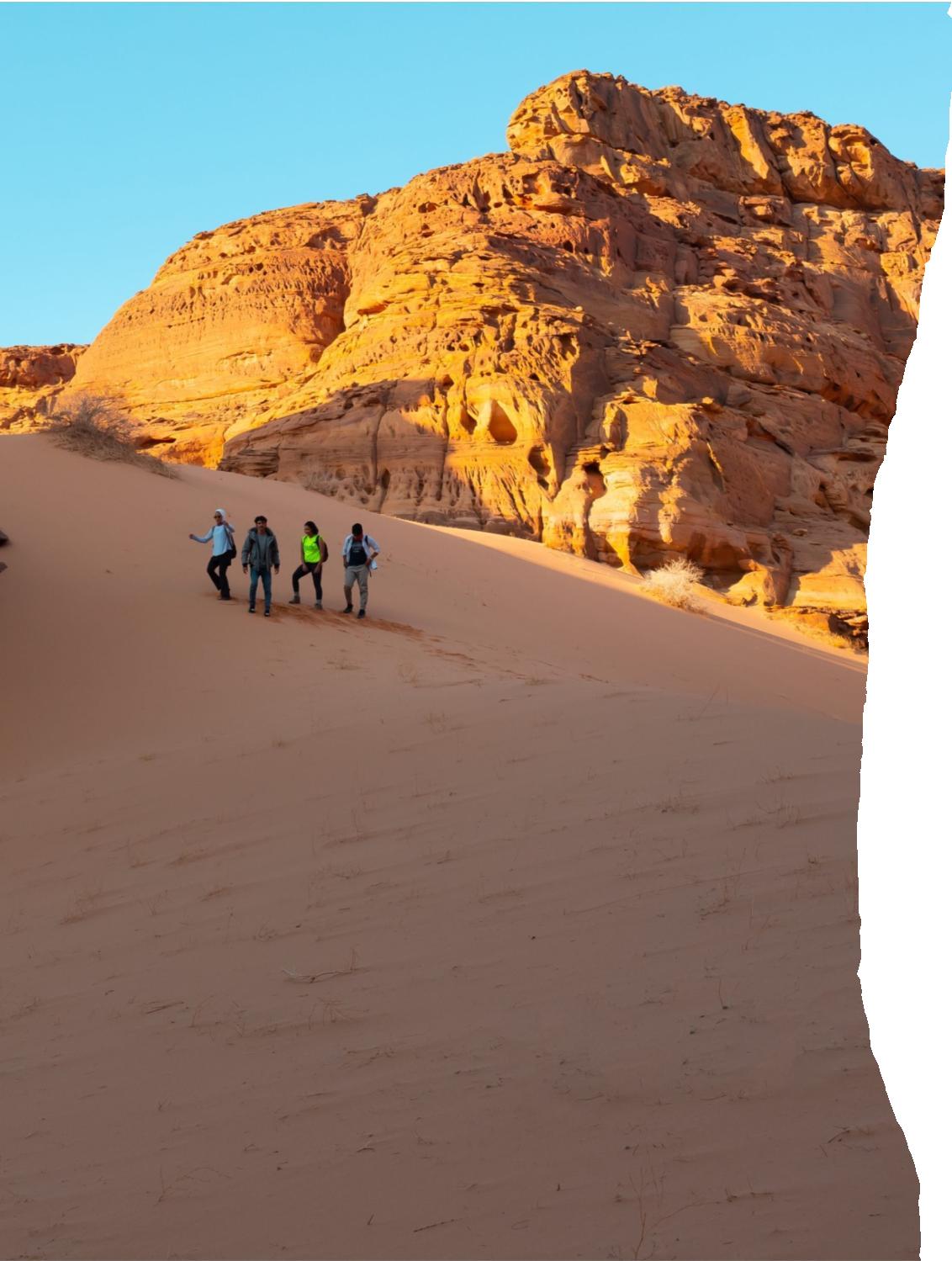
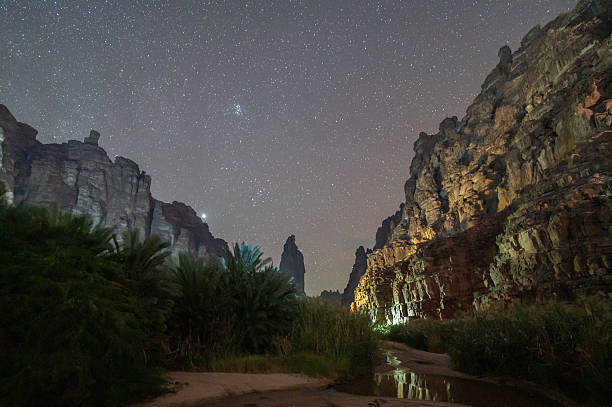
The wide Madachil valley is a fairytale landscape where you can experience the true poetry of the desert. A special photo motif is a natural arch formed by wind erosion. Another highlight is the Gharamil desert area, an infinitely vast landscape; the countless, unique formations seduce the imagination into a special kind of lunar landscape.
The pyramid-shaped rock figures are made of basalt, and, with a little imagination, a special figure comes to life in every single stone.
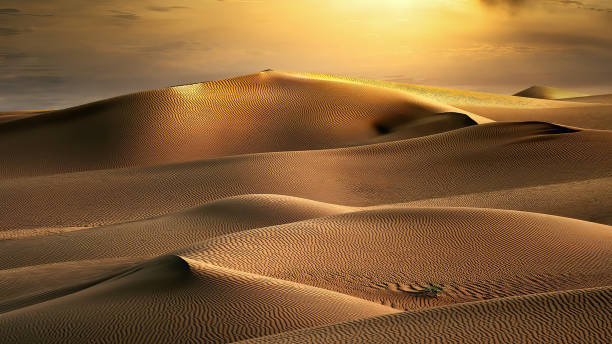
Enjoy a wonderful sunset in the desert.
Meals -Breakfast / picnic / dinner at the hotel
Overnight stay.
Today’s half-day excursion takes you to Dadan, the former capital of the kingdoms of Dadan (9th-8th century BCE) and Lihyan (5th-2nd century BCE). Due to its proximity to the incense trade routes, Dadan was one of the most developed cities in northern Arabia before the arrival of the Nabataeans in the 1st millennium BCE. As of 2020, only 4% of this area inhabited by early civilizations has been excavated.
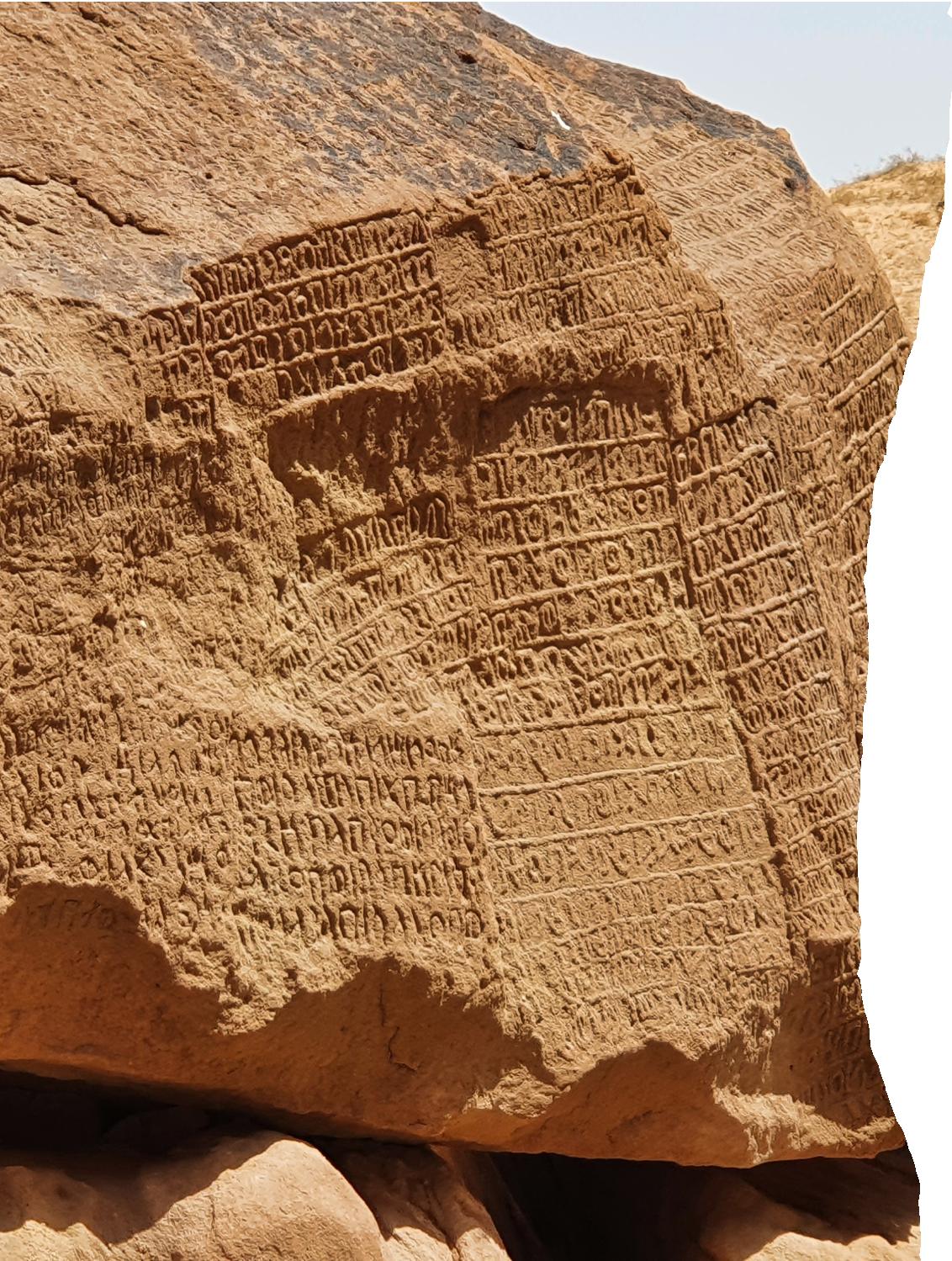
After exploring the ruins of the ancient city, you will go near the tombs, the most impressive of which is guarded by “lions”. You then drive to Jabal Ikmah, a breathtaking desert gorge. On the walls you will find a millennia-old “open-air library” with countless petroglyphs and impressive rock art.
On this desert hike you can enjoy the inspiring view of the breathtaking landscape of AlUla.
Duration: 4 hours. After a 30-minute drive to the starting point, this 6 km hike begins with a steep climb to the top of the ridge. From there, enjoy a leisurely stroll along the ridge with spectacular views of the oasis and the desert landscape below. This hike is ideal for families and groups looking for an undemanding hike while still experiencing the stunning scenery of the region.
The old town is characterized by its mud-brick houses. These approximately 900 houses are built interconnected to provide protection and indicate that defense was a priority for the city’s former inhabitants. A renovated souq invites you to shop.
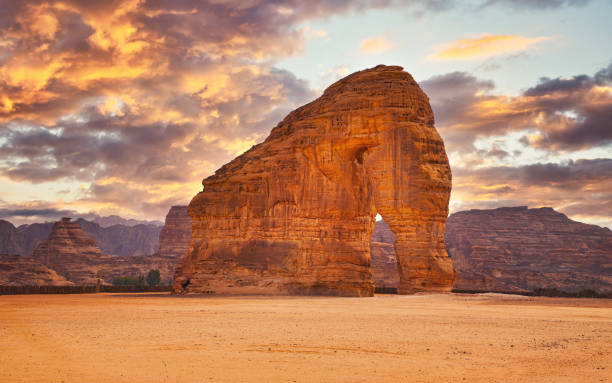
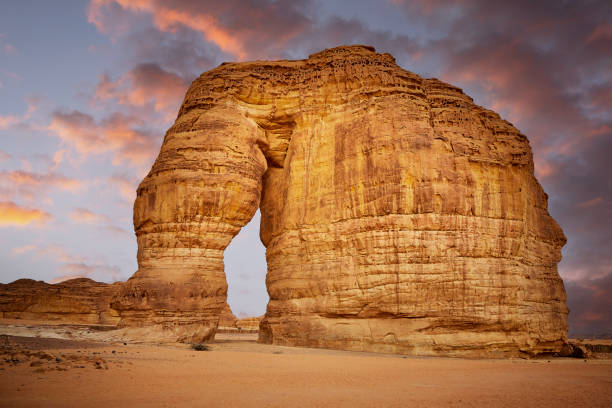
Then drive to the monumental Elephant Rock, which rises steeply in front of the pink dunes. During a break, you can watch the sun sink into a coppery red. A truly intoxicating sight.
Meals – Breakfast / lunch / dinner in camp
Overnight stay.
Today the journey continues to Medina, with a stop in Khaibar, an oasis area on a high lava plateau.
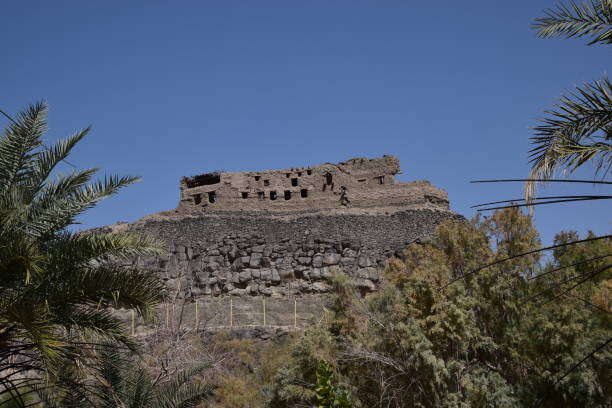
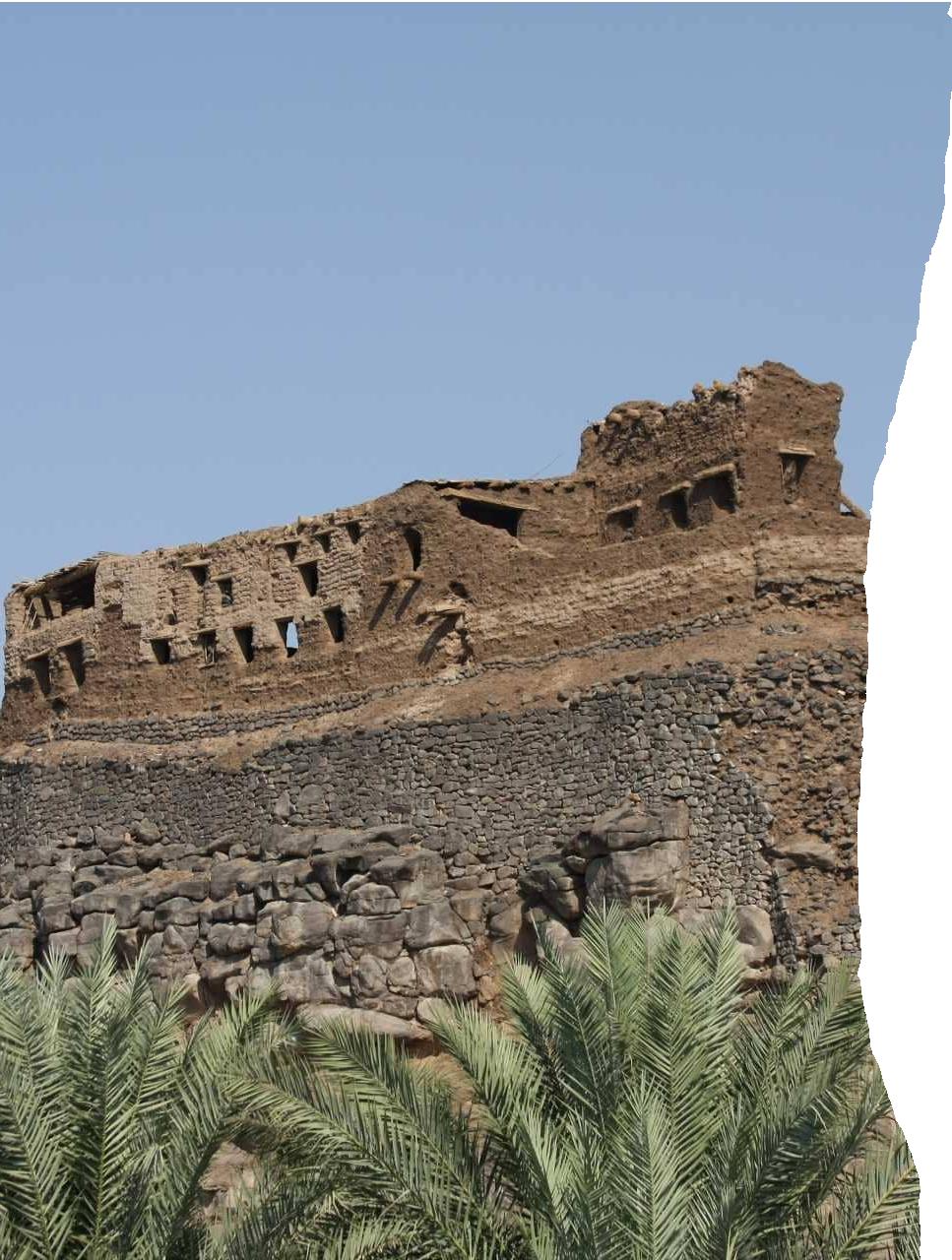
The village of Khaybar was a Jewish settlement at the time of the Prophet. In the middle of the 7th century, the Jewish villagers were expelled under Umar ibn al-Khattab, most of whom emigrated to Jericho in Palestine. You can still see the old fortress, where the inhabitants of the time lived on dates and milk for eight months. Mud houses from the past and many charming, narrow, winding alleyways make the place an experience.
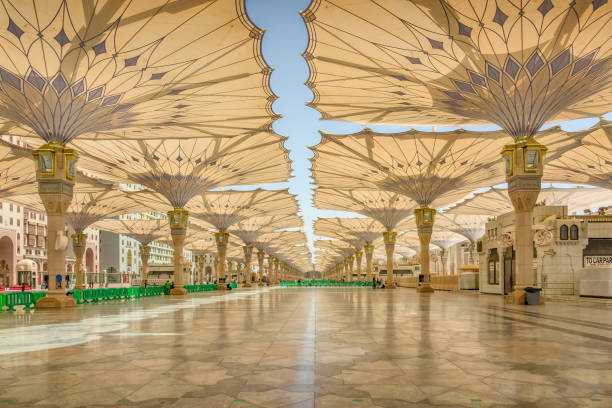
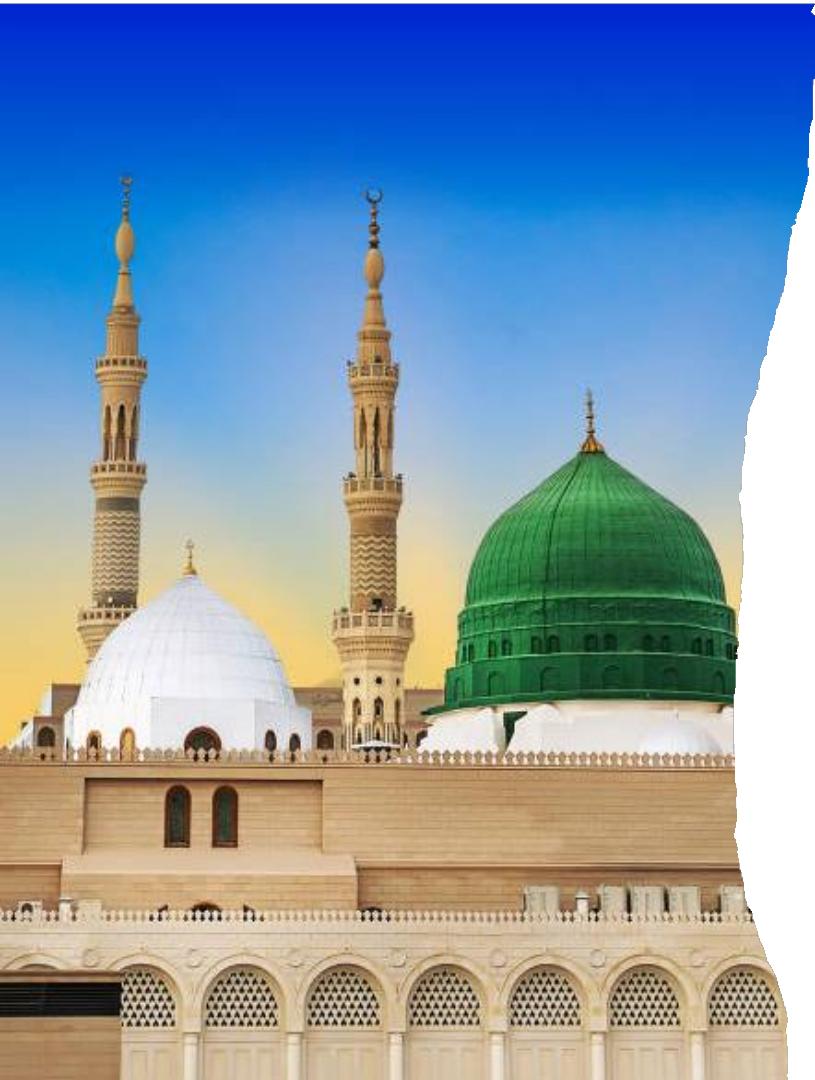
We continue to Medina. Medina al Munawarra means “city of lights” in Arabic.
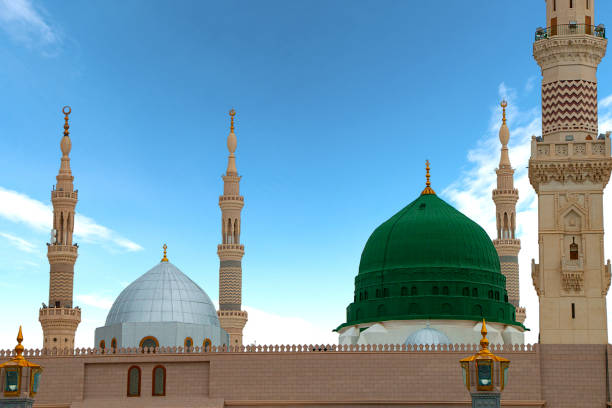
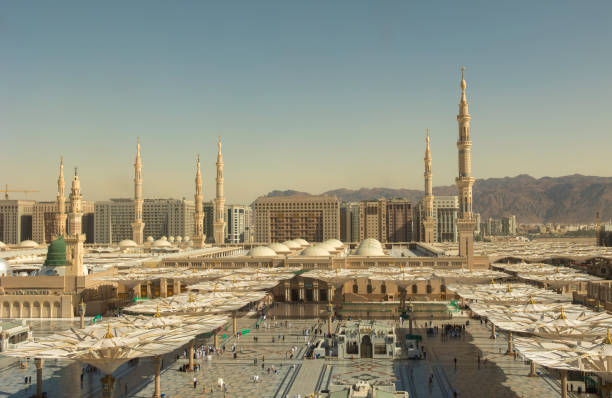
In the afternoon, drive to the modern Koran printing works. During a short visit to the factory, you will learn interesting facts about the precise examination and production of the holy book. The King Fahd Glorious Quran Printing Complex exclusively prints more than 10 million copies of the Holy Quran in countless languages every year. Medina is the place where Muhammad travelled to after emigrating from Mecca. It is one of the two holy cities of Islam. Mecca cannot be visited, but Medina has recently been closed to non-Muslims, except for the mosque, which can be seen from the outside during the city tour and walk to the Haram, the mosque of the Prophet Mohammed.
Drive to the 5-star hotel for 1-night
Meals – breakfast / dinner in Local restaurant
Overnight stay
Your city tour takes you past the most important mosques, and you will also see the sites and Mount Uhud, where the Muslim troops of the Prophet fought against the enemy forces from Mecca.
Stop at the mountain and after a short climb up the stairs you will have a beautiful view of the holy city and its surroundings.
After the sightseeing tour, take the train to Jeddah.
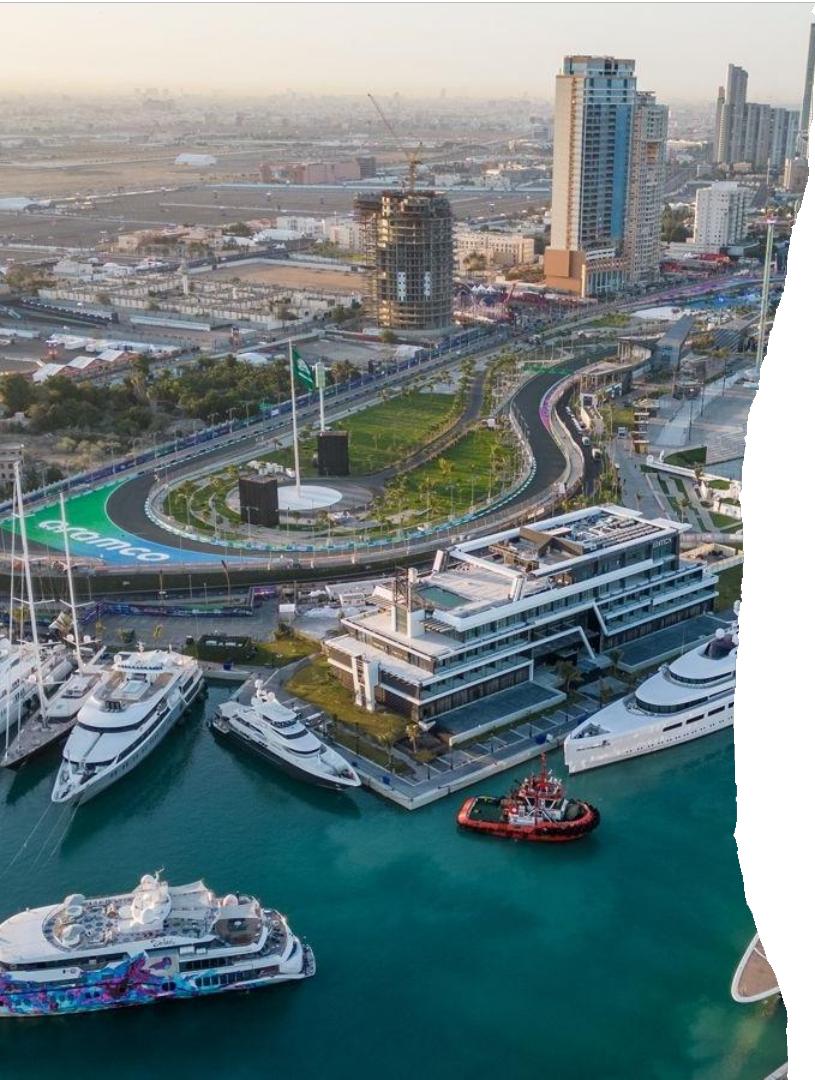
The port city of Jeddah is a vibrant and lively metropolis. Jeddah is considered one of the highlights of Saudi Arabia. Surrounded by a city wall until 1947, Jeddah had just 30,000 inhabitants. Today it is the second largest city in the country with one of the largest and most modern ports in the world. Today your city tour in Jeddah begins with a sightseeing tour: The Abdul Rauf Khalil / Al Taybat Museum has an interesting collection of paintings, tapestries, domestic scenes and furnishings, among other things. The architecture of the museum is equally impressive.
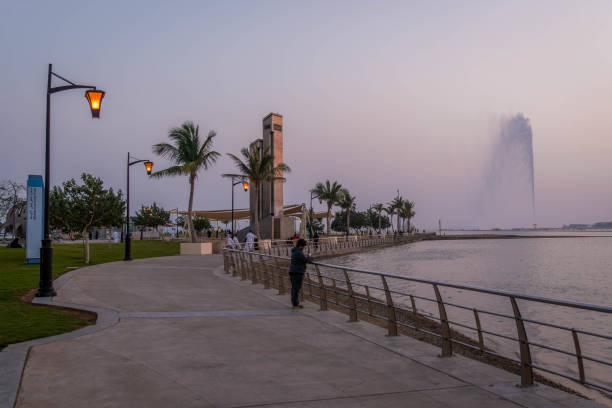
The highest fountain in the world at 312 m, the King Fahd Fountain, is located on the Corniche. When darkness falls, this fountain is illuminated by 500 floodlights. A visit to the Cenomi Park Mall takes you into Jeddah’s modern age. Not only will you see extravagant, varied architecture, but you will also experience what and how modern Saudis shop. In addition to numerous stores, this mall is also home to a cinema (banned until a few years ago), Islamic art, fitness centres, children’s play areas, cafés and restaurants. And nearby you can enjoy today’s Arabic dinner.
Travel to the 5-star hotel
Meals -Breakfast / dinner in the local restaurant
Overnight stay
The most popular promenade for locals and visitors to the city is the beautiful Corniche on the Red Sea.
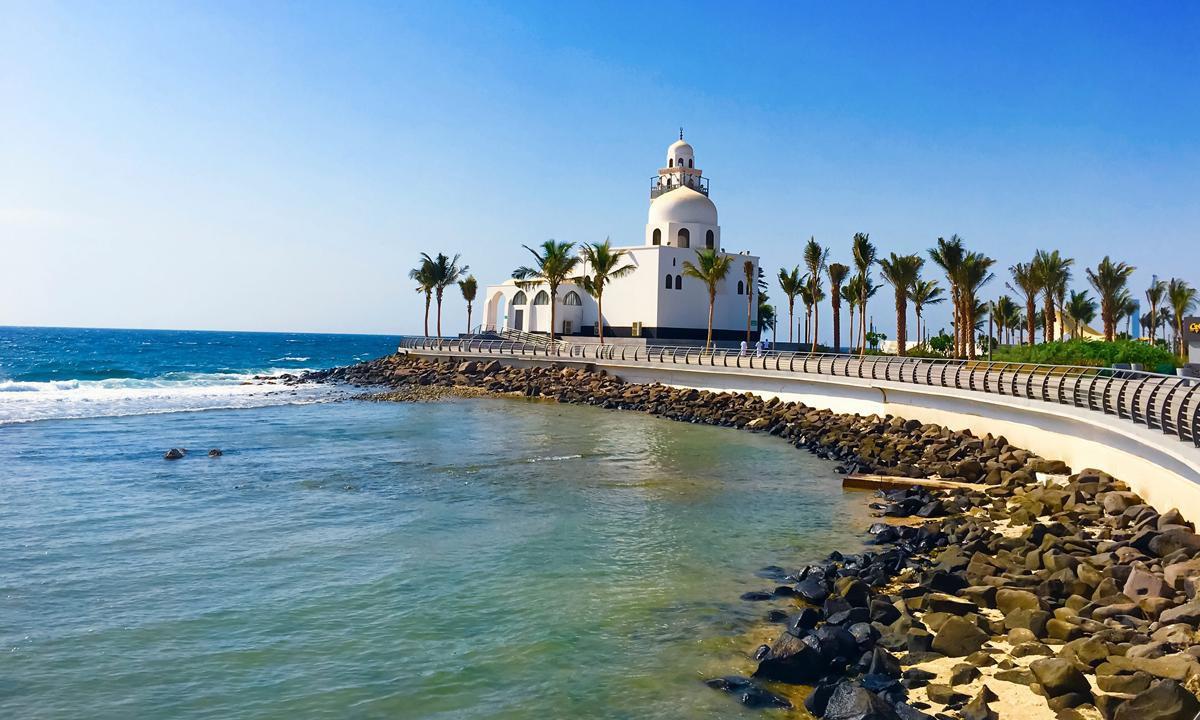
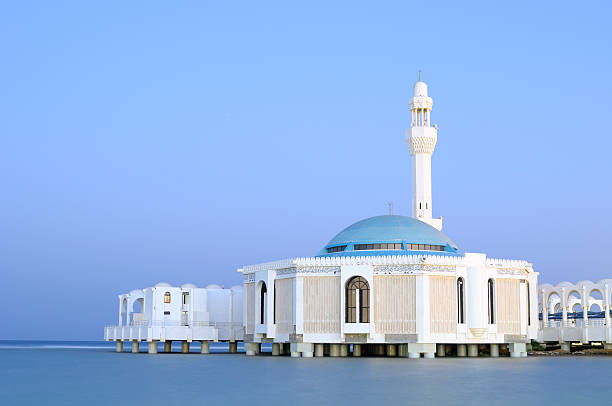
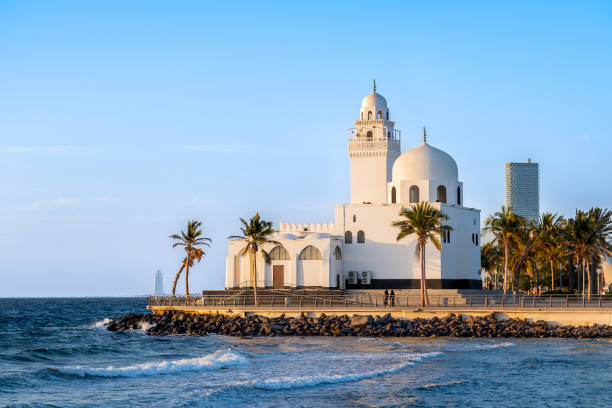
Entirely reserved for pedestrians, it is more than 35 km long. Your sightseeing tour takes you to the “floating mosque” Fatima al Zahra on the northern part of the Corniche. Built on pillars, it seems to float on the waves at high tide. Built in 1985, the turquoise domed building combines traditional and modern architecture, flanked by a white minaret. It offers worshippers the opportunity to enjoy a spectacular view of the coast from the open inner courtyard and enjoy the sea breeze with the sound of the waves.
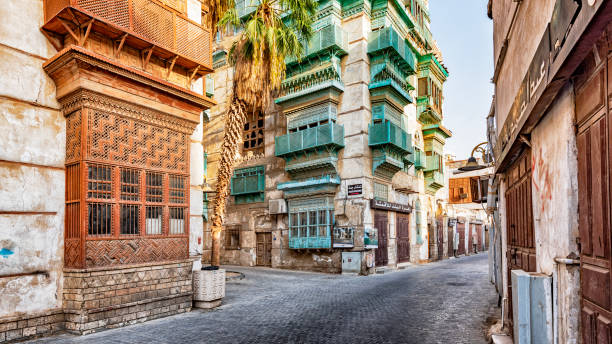
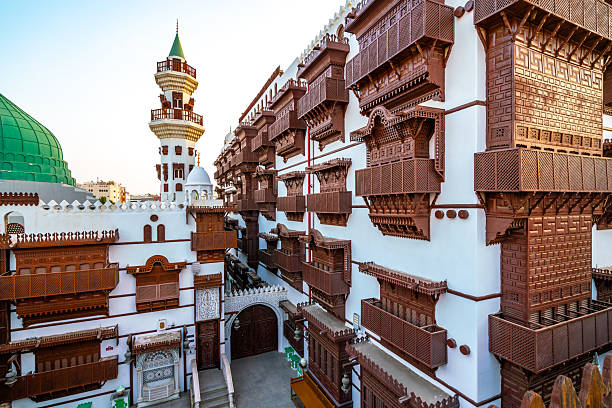
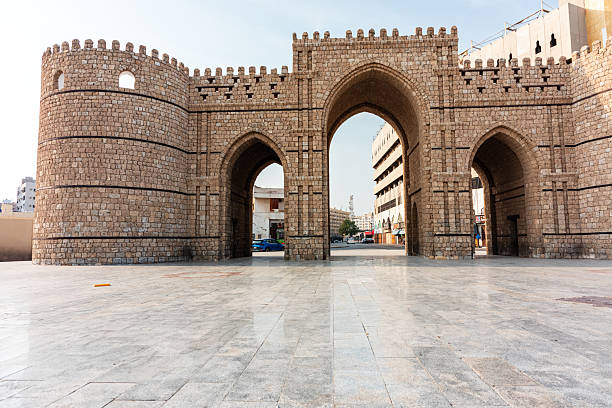
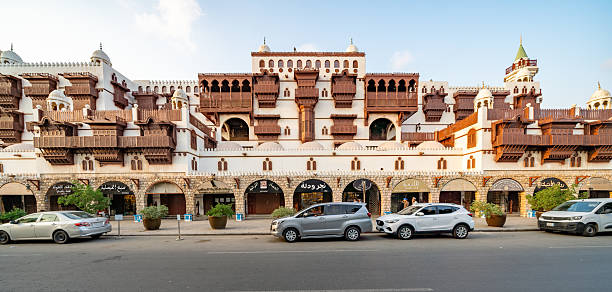
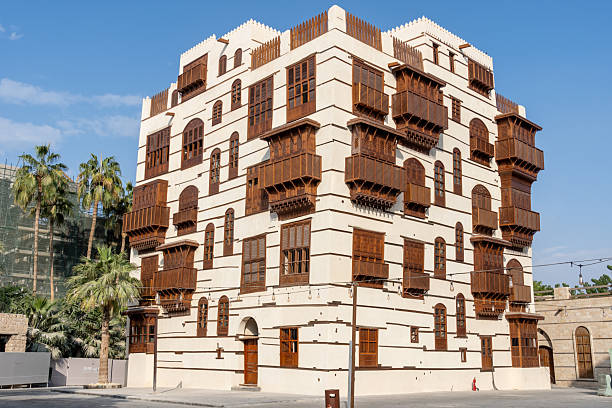
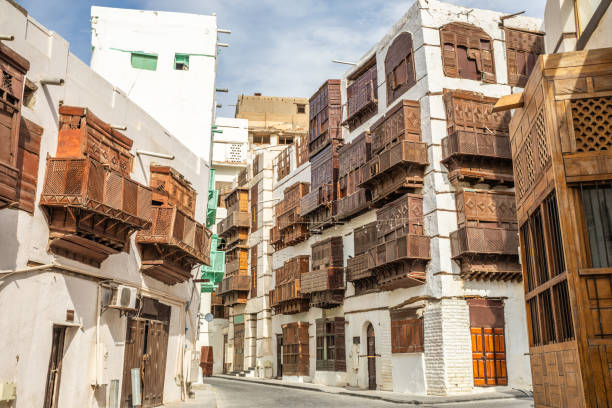
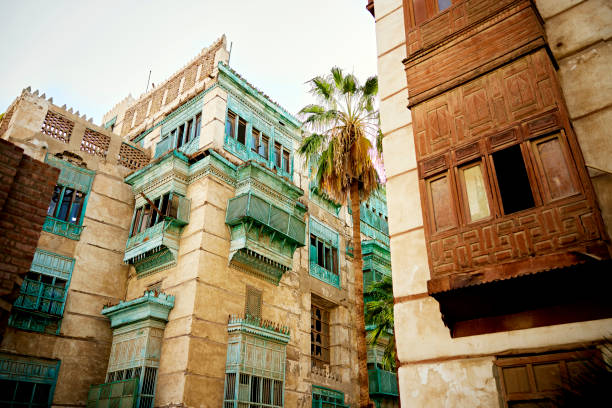
Experience the bustling atmosphere at Jeddah’s fish market, where the catches are auctioned off and traders prepare the freshly caught seafood and fish right in front of your eyes. Exploring the city includes a walk through the old town of Al Balad. It is known for the architecture of the houses in which the families of wealthy merchants lived in the late 19th century.
The city’s inhabitants were multicultural due to the influx of Haddj pilgrims. Muslims from Asia, Africa and the Middle East had settled here. Typical of the architecture of the old town are tower-like residential buildings made of coral rubble and clay mortar with large wooden Roshan balconies. Because space was at a premium, the houses in the old town were built up to 7 storeys high and still tower over the surrounding mosques and souqs today.
Meals -Breakfast / dinner at the hotel
Overnight stay
Breakfast and depending on your flight time, we transfer to the airport.
The tour ends at the airport for check-in and security formalities and to board the flight home.
END
Register here for the trip and further details will be sent https://forms.gle/3AkTSZBDDWe2gFhd8
Travel@hodophileexperience.com
Group minimum 10
Rates:
Solo Traveller – on request
02 pax EUR5000 Per person
03-04 pax EUR4235 Per person
05-07 pax EUR3920 Per person
08-11 pax EUR3705 Per person
12-14 pax EUR3350 Per person
15-19 pax EUR3130 Per person
Accommodation in hotel (double room shared)
Double room for single use: surcharge + €715
During the period from 03 May 2026 to 19 September 2026 – 15% discount on our prices.
30% payment required on booking
Remaining payments can be done in 2 instalments with the final payment, 4 weeks before departure.
Cancellation fees apply – our cancellation policy for bookings for trips to Saudi Arabia:
• Cancellation from the 60th day before the start of the trip 30% of the travel price.
• Cancellation from the 30th day before the start of the trip 50% of the travel price.
• Cancellation from the 14th day before the start of the trip 70% of the travel price.
• Cancellation from the 6th day before the start of the trip 95% of the travel price.
• Cancellation on the day of departure and in case of withdrawal due to non-appearance 100% of the travel price.


Will be sent with full itinerary when confirmed

Will be sent with full itinerary when confirmed

Click here to check the visa requirements
IMPORTANT: You cannot have an Israeli stamp in your passport. If you visited Israel with your passport and there is proof of this fact, your visa will be denied.
UNESCO World Heritage Sites:
– Hegra Archaeological Site (al-Hijr / Madā ͐ in Ṣāliḥ)
– At-Turaif District in ad-Dir’iyah
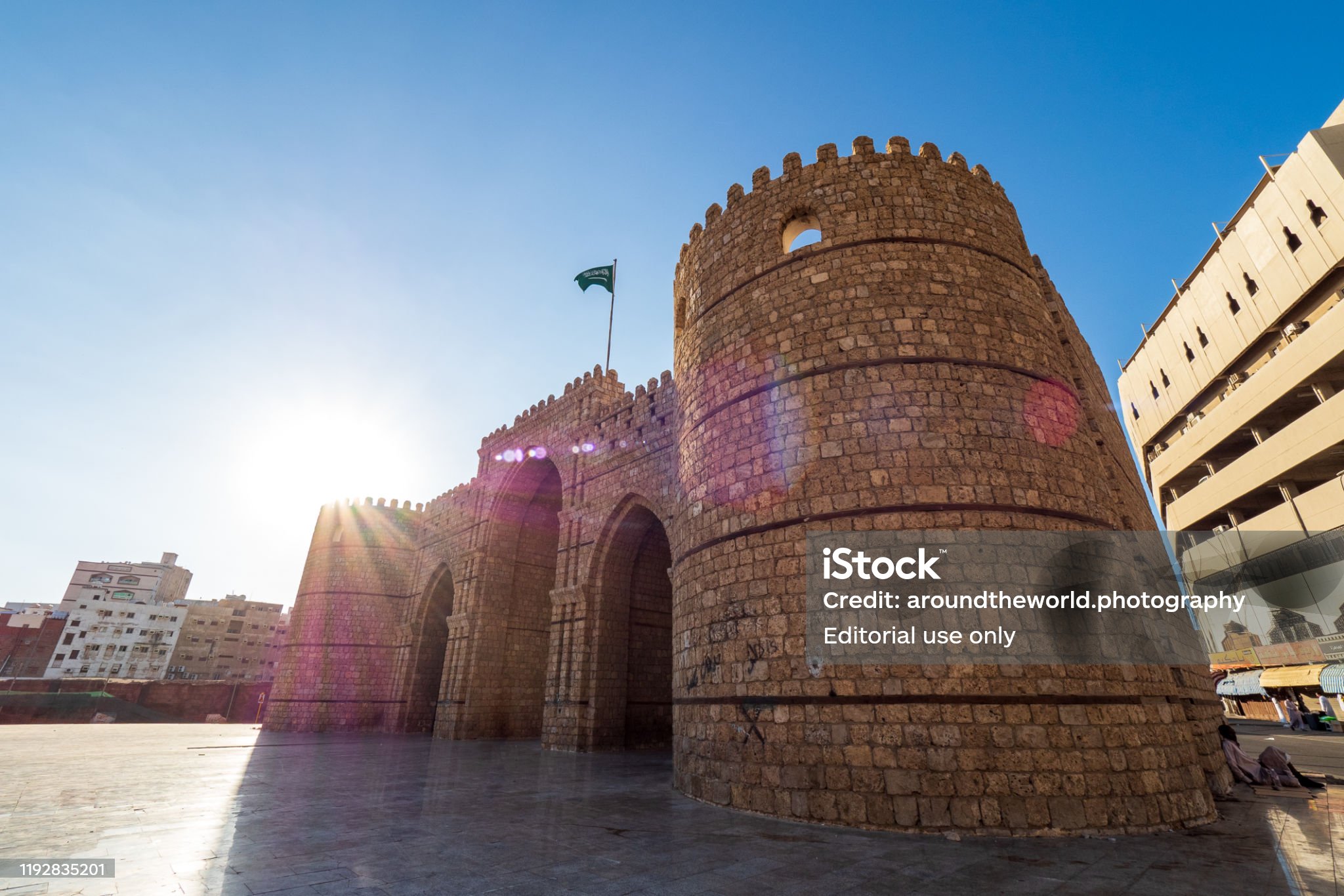
– Historic Jeddah, the Gate to Makkah
– Rock Art in the Hail Region of Saudi Arabia
– Al-Ahsa Oasis, an Evolving Cultural Landscape
– Ḥimā Cultural Area
– ‘Uruq Bani Ma’arid
– The Cultural Landscape of Al-Faw Archaeological Area
The historical area of Jeddah, Al-Balad
Riyadh
Medina
Jebel Fihrayn but known as the “Edge of The World”, with its spectacular view