+351 965 133 699
travel@hodophileexperience.com

Price Includes:


Price Excludes:
** Based on the survey done in the month of February 2026.
Hodophile Experience cannot be held responsible for any travel disturbances, occurred due to very rare but possible flights delays. All participants need to carry travel and medical insurance on all our trips to protect themselves against any extra costs.
Register Here: https://forms.gle/3AkTSZBDDWe2gFhd8
Or email us at: travel@hodophileexperience.com
• Program changes are reserved:
Tourism in Saudi Arabia is new territory; facilities or museums are frequently closed, government agencies block hotels or tourist sites, and restoration and construction sites prevent planned tours and routes. We will endeavour to offer suitable alternatives where and when possible.
• Please also note that for tours, that are only possible with government guides, these government guides determine what will be shown on site! This may deviate from our program description; unfortunately, we have no influence on the decisions of the government guides (e.g., al-‘Ula Old City, Mada’in Saleh, Dedan, Khuraibah, Khaybar, ad-Dir’aiya, etc.).
Arrival at the airport in Riyadh. Completion of entry formalities.
A driver will be waiting for you at the gate to accompany you to your hotel. The check-in process will be seamless, allowing you to quickly settle into your accommodation.
Take some time to leisurely explore the surrounding area, soaking in the atmosphere at your own pace. Finally, unwind and relax as you make yourself comfortable for an overnight stay at the hotel.
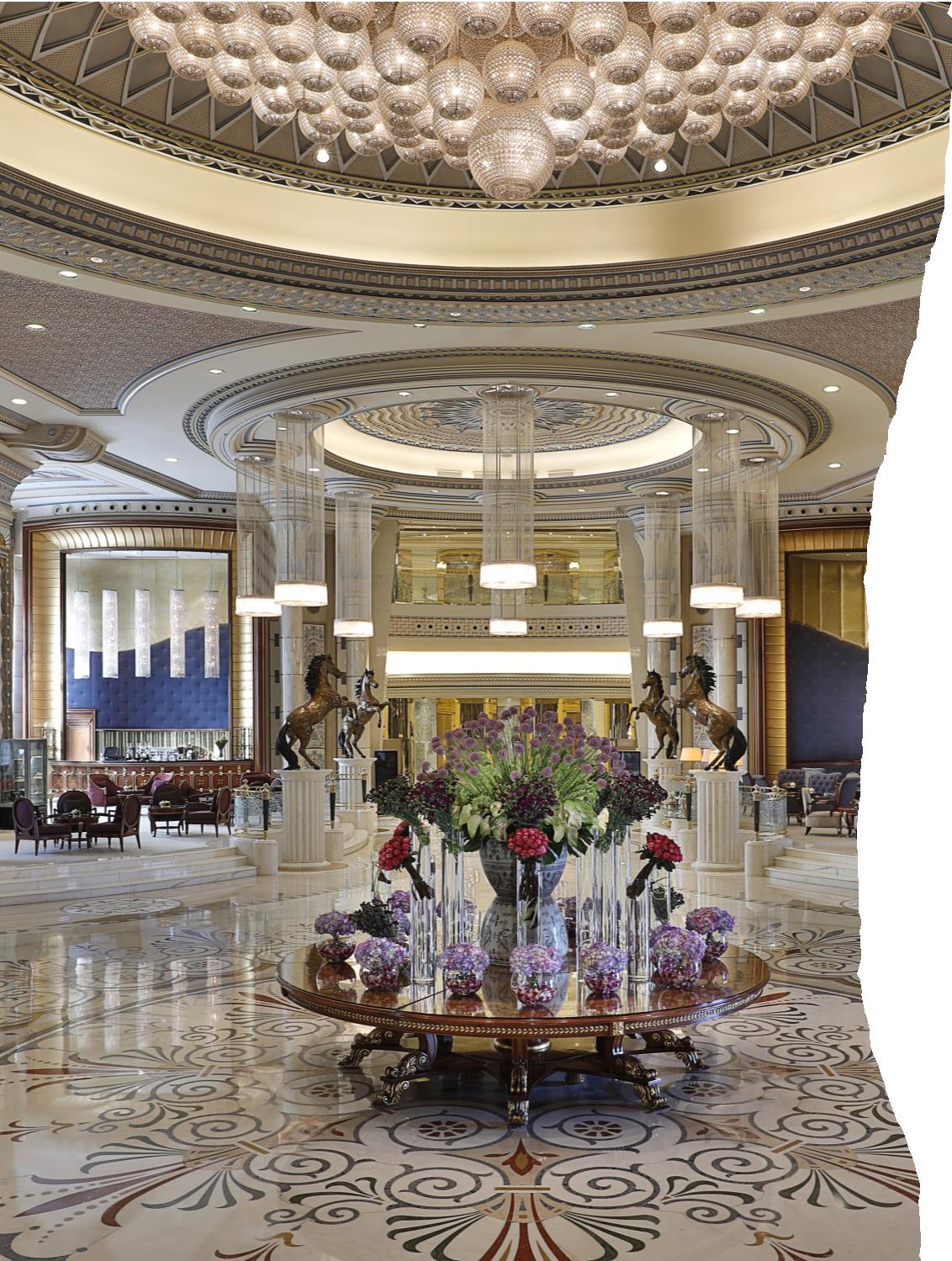
Check-in at 4-star for overnight stay, on a bed and breakfast basis
Early breakfast and then a tour of Riyadh, the city of millions in transition.
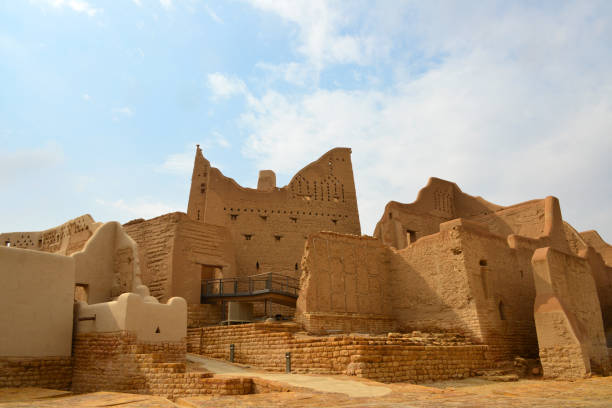
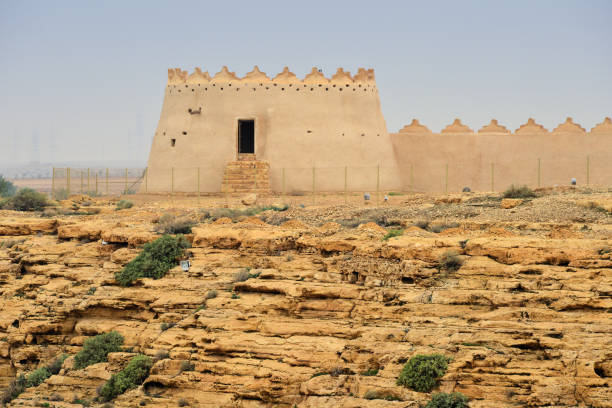
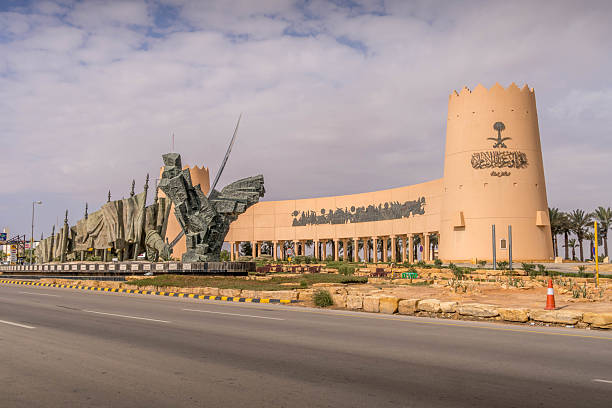
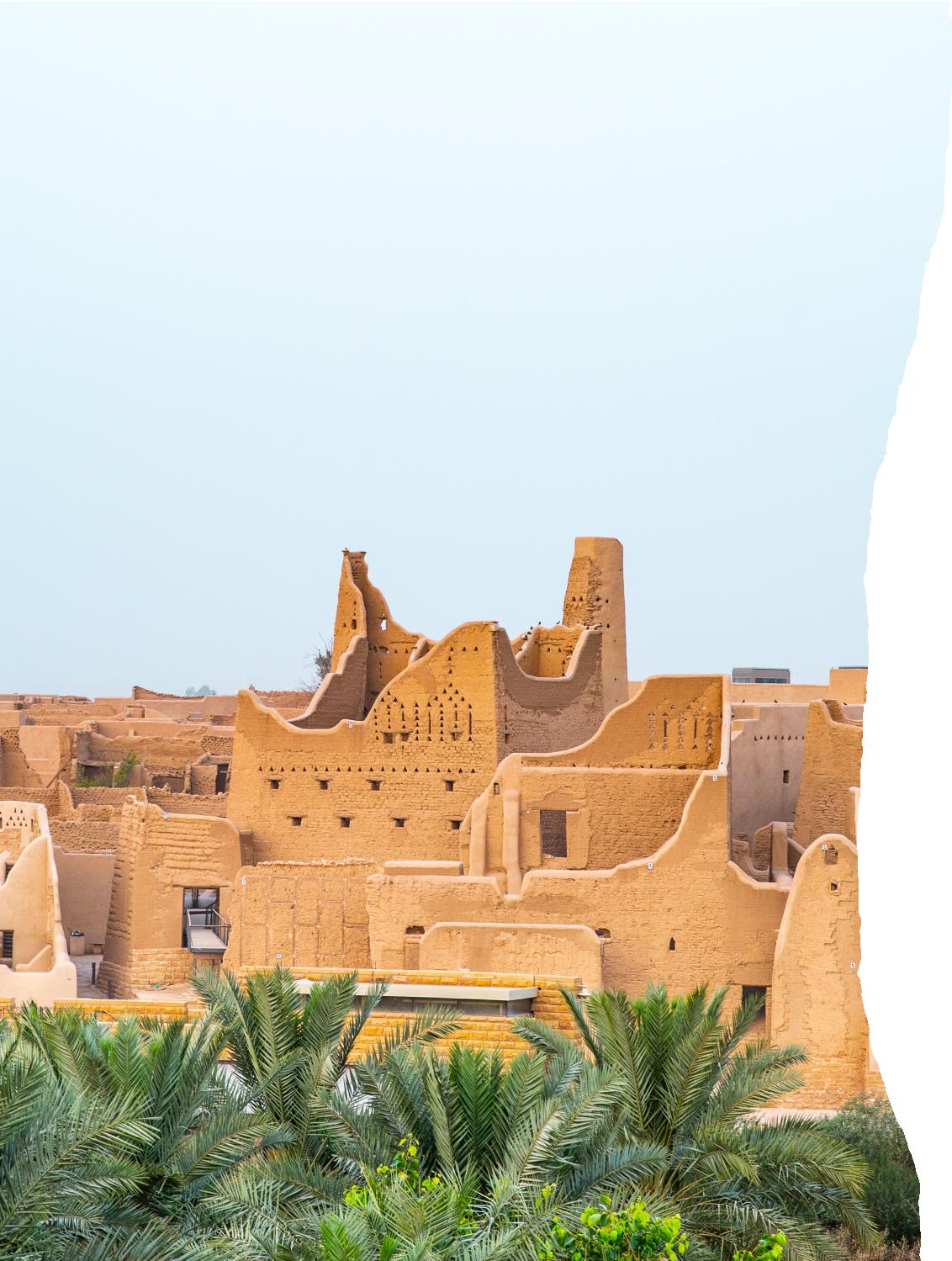
After breakfast, drive to the north-western suburb of ad-Dir’aiya, founded in 1446, the “nucleus” of Wahhabism and home of the Al Saud family. The old settlement of low mud buildings, destroyed by the Ottomans under Ibrahim Pasha and now uninhabited, lies directly on the Wadi.
Hanifa; at-Turaif has been a UNESCO World Heritage Site since 2010, the former palace of Sa’ud and the Qasr Nasr have been restored, the old Darisha Tower is still one of the best preserved. On the way, you will see the new King Abdullah Finance District, one of the largest and most important projects in Saudi Arabia. Covering an area of 1.6 million square meters, 59 residential, financial and commercial towers have been built, including residential and living structures such as schools, recreational areas and hospitals for 12,000 people.
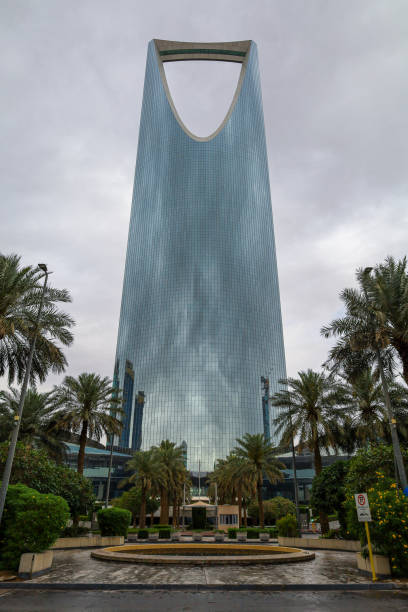
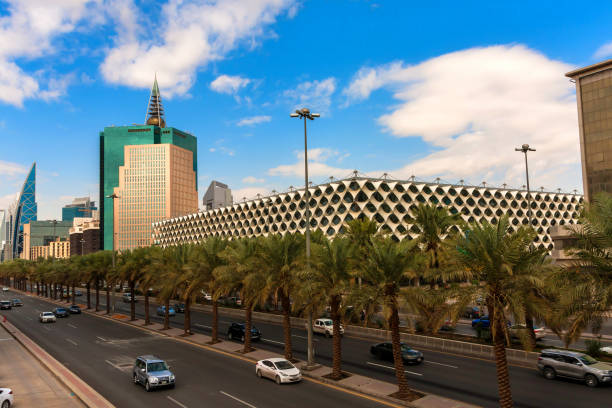
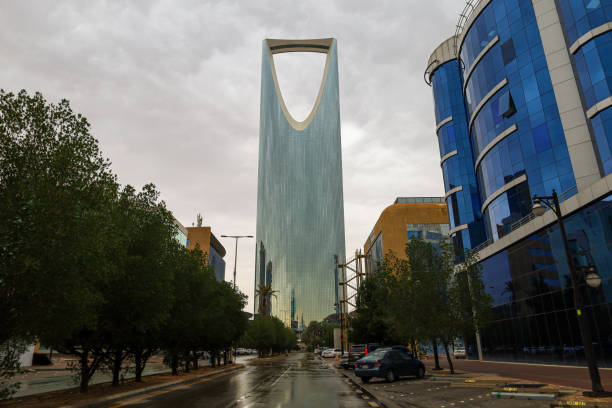
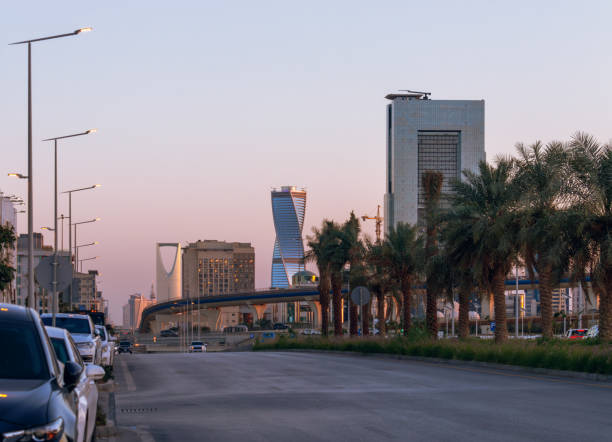
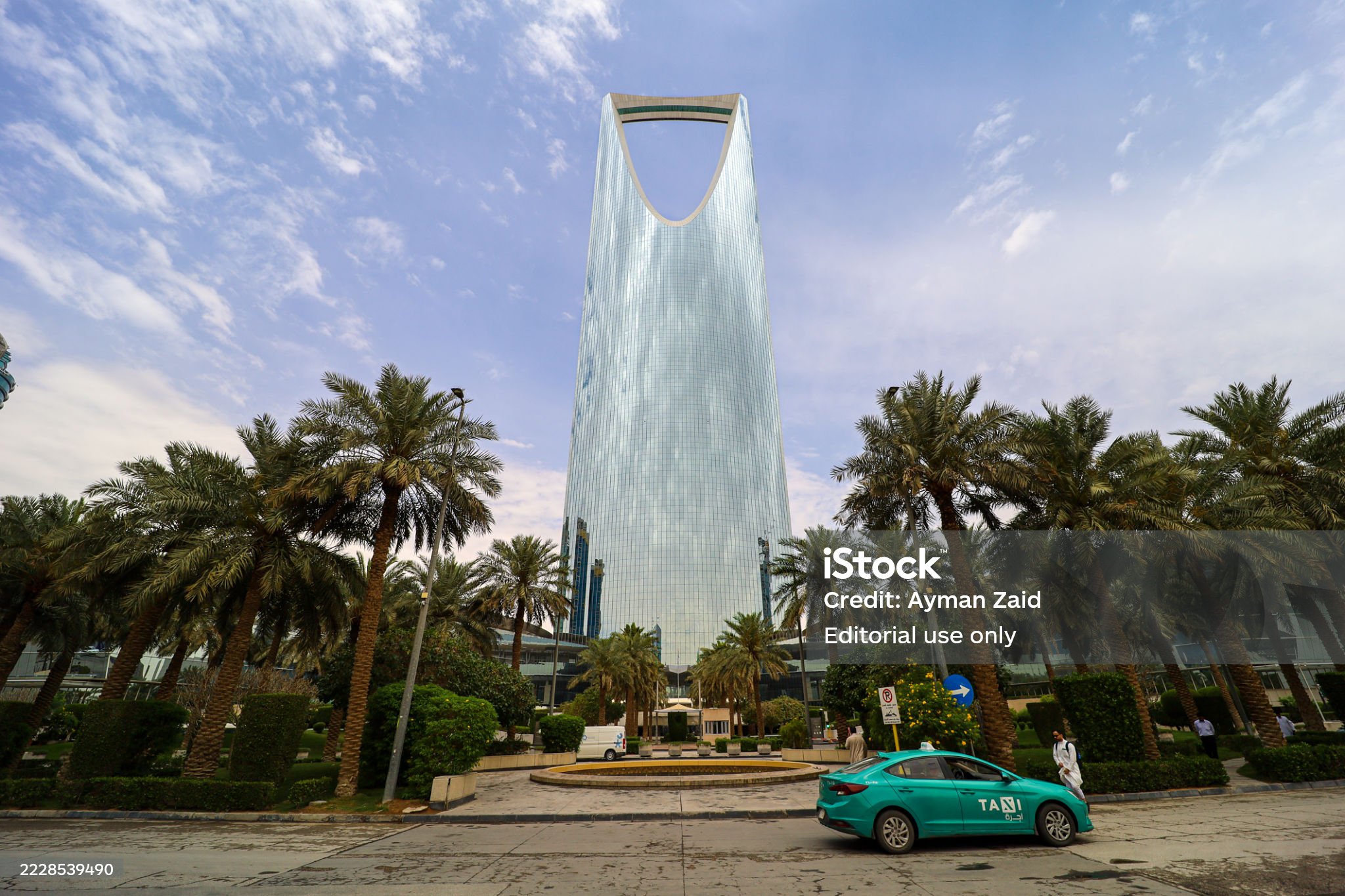
Riyadh has a number of modern buildings worth seeing, such as the Kingdom Center. Saudi Arabia’s first skyscraper, which was completed in 2002, has 99 floors and houses numerous department stores, offices and a 5-star hotel in its 302 m high tower.
From the skybridge, you can get a magnificent view of the entire city. Another three skyscrapers, PIF Tower, Burj Rafal and KAFD World Trade Center, are now over 300 m taller than the Kingdom Tower.
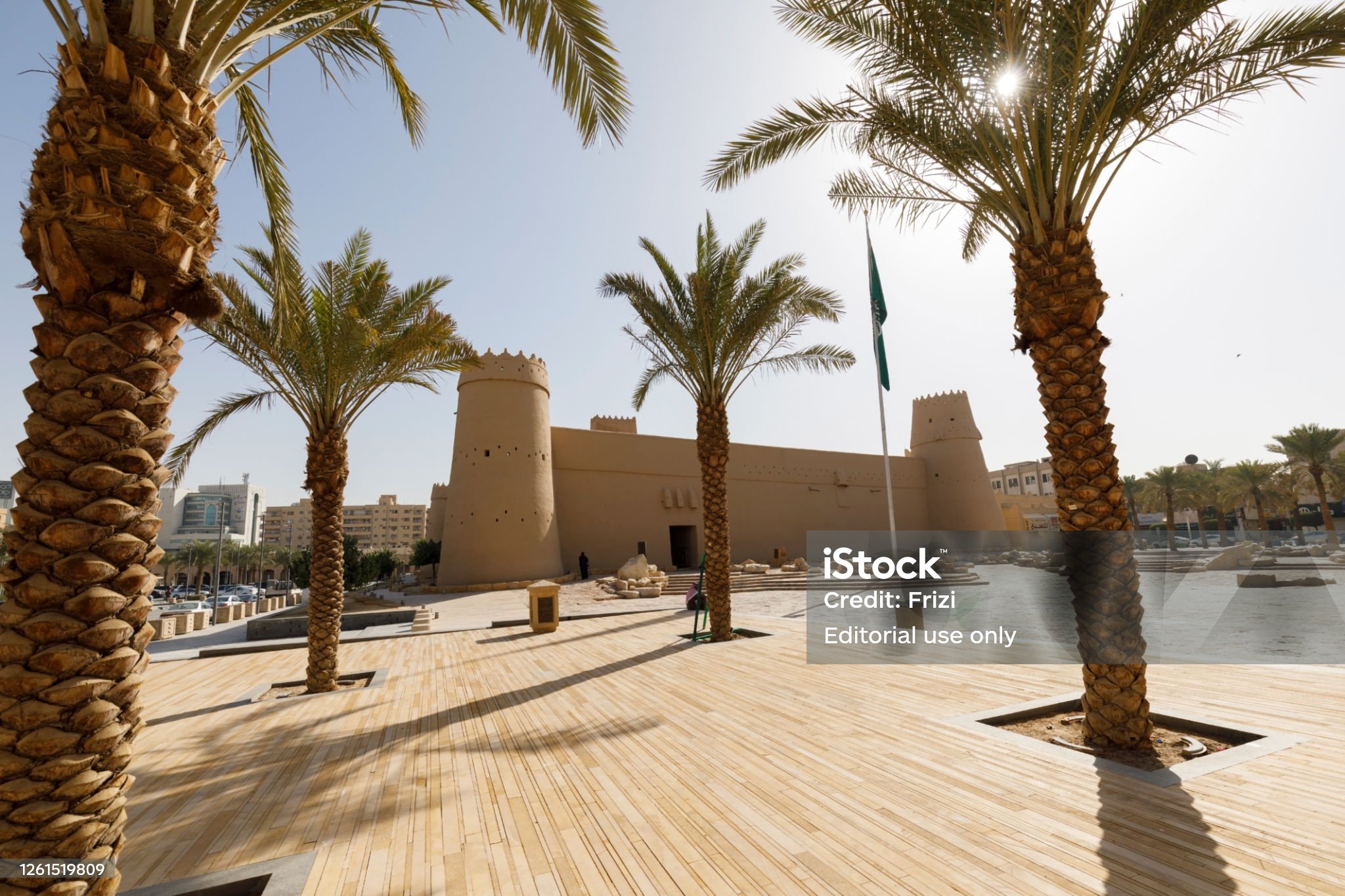
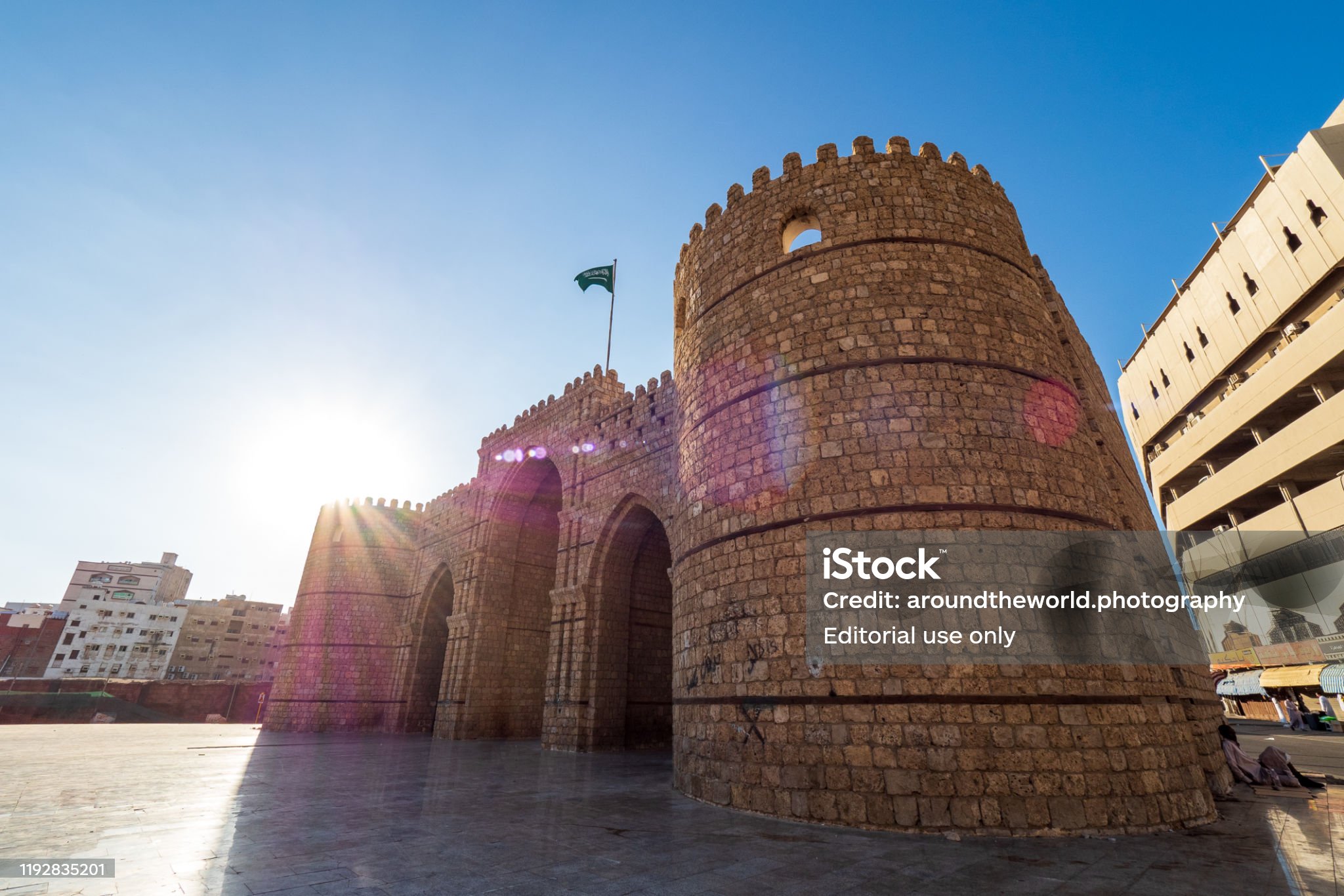
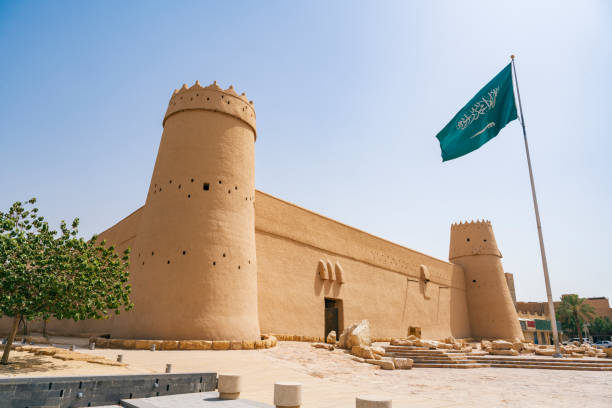
In the afternoon, explore Masmak Fort in the old town of ad-Dira, which is located next to the old Zar Suq and was once part of the city fortifications and is now a museum of the city’s history.
Overnight stay.
Bed & breakfast
After breakfast, transfer to the airport for the morning flight to Tabuk.
We will visit Tabuk in the morning.
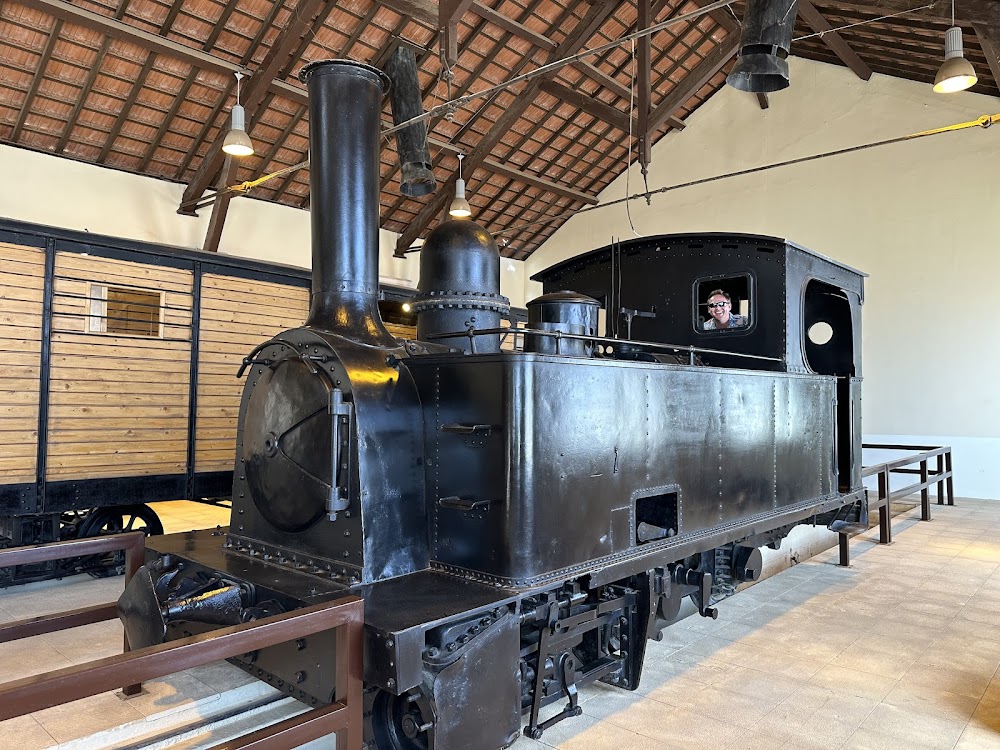
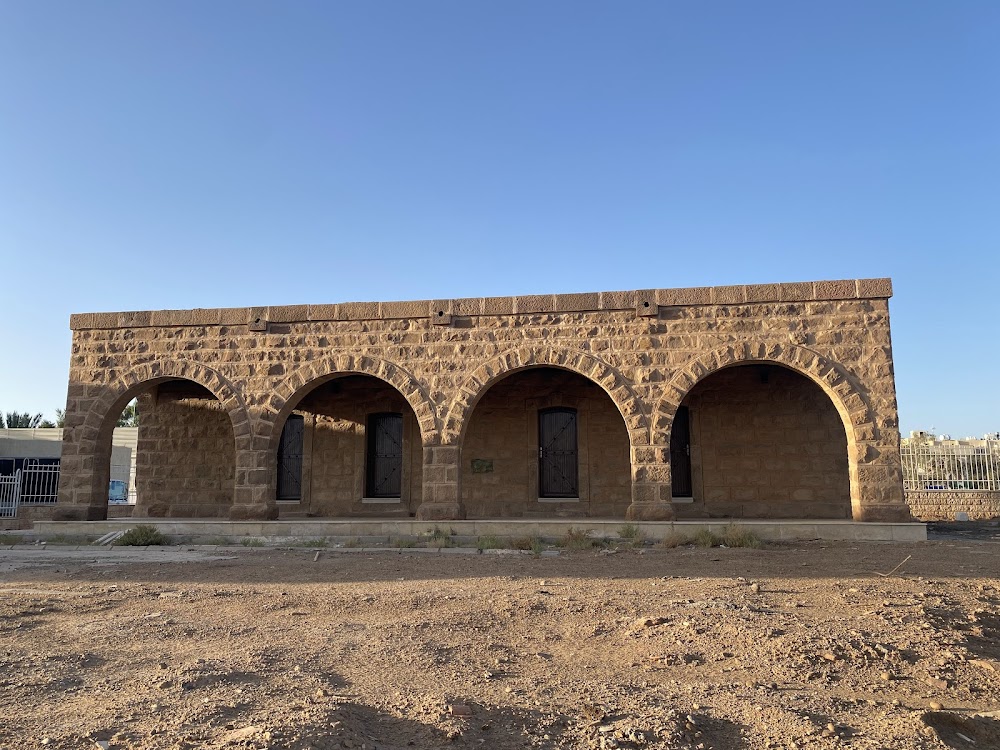
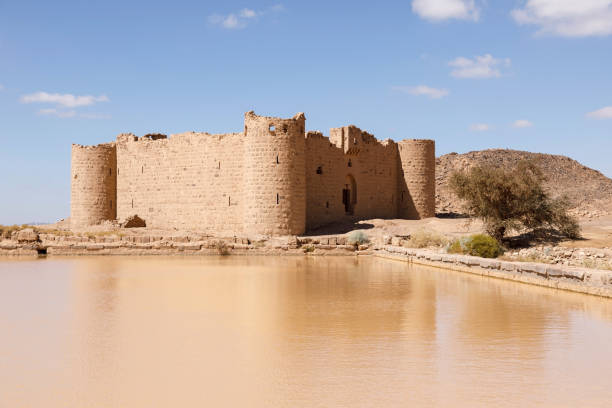
Tabuk is a military town in the northwest of Saudi Arabia with an old fort and a small station of the Hejaz Railway (visit).
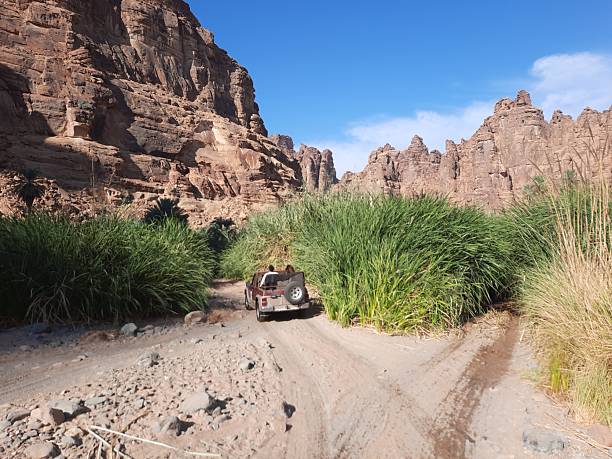
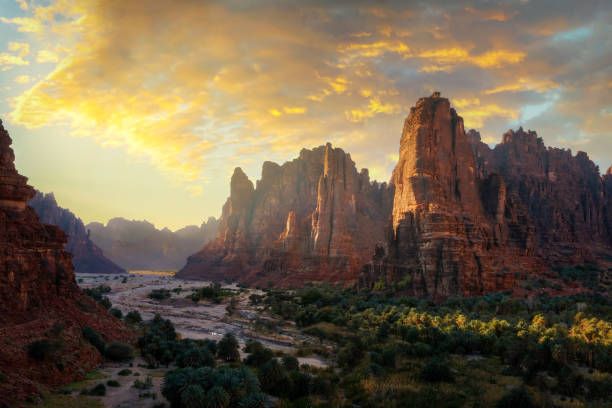
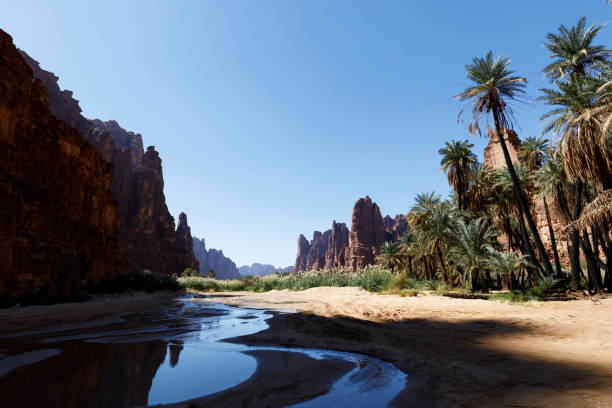
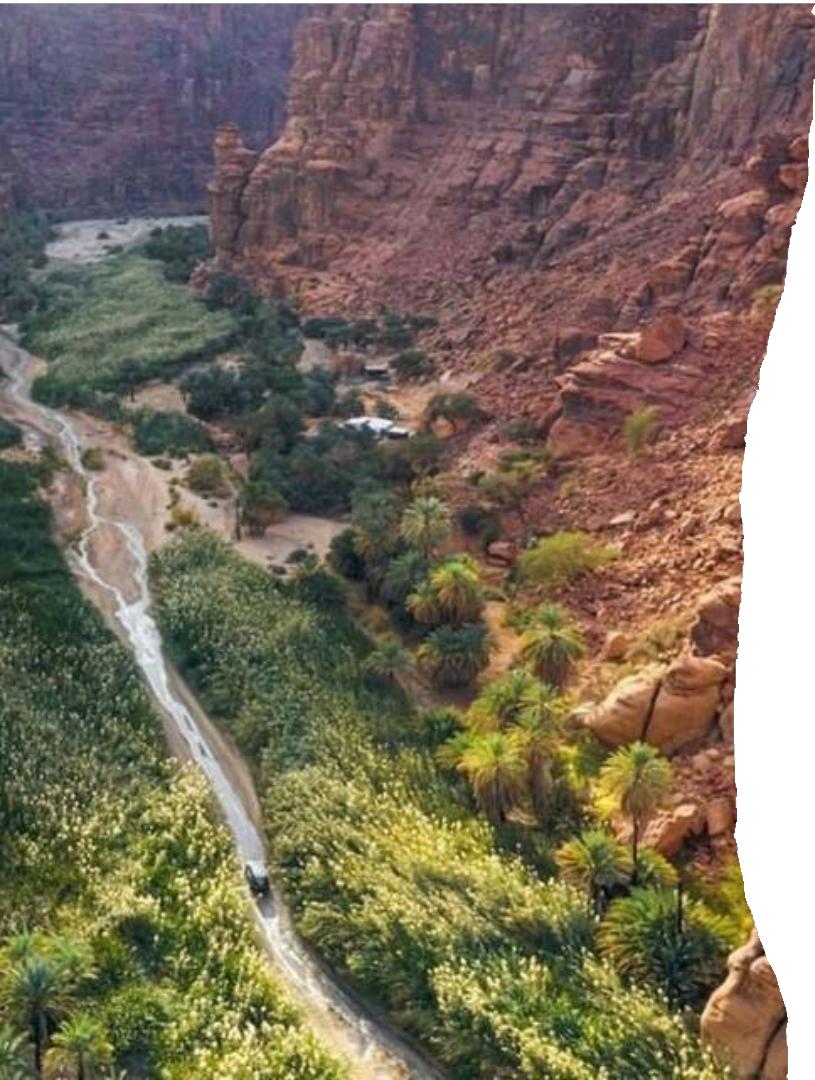
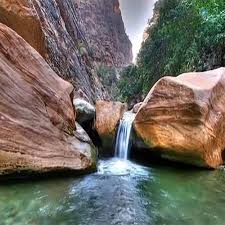
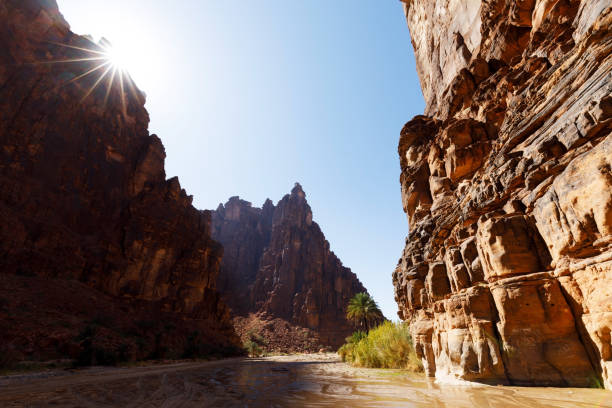
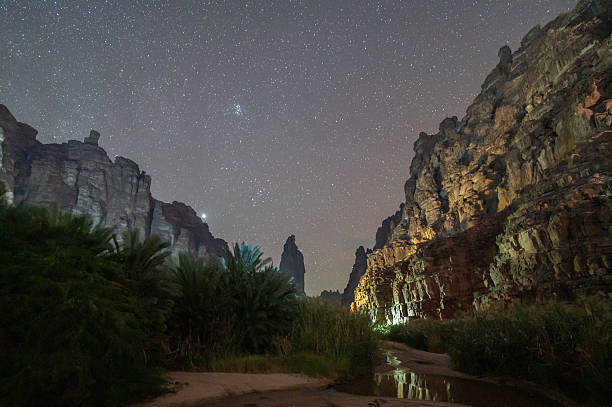
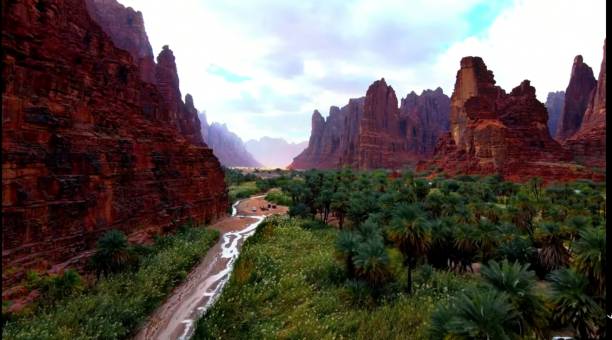
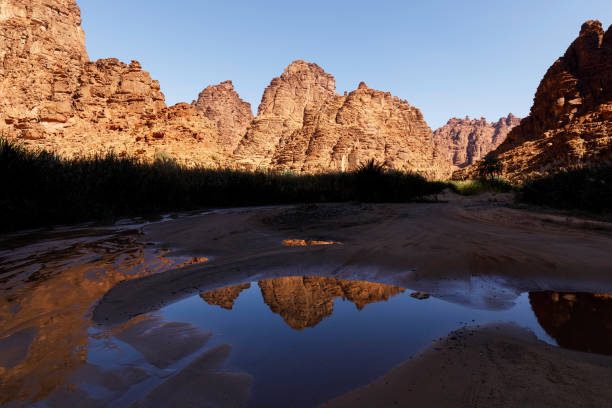
Then head towards al-ʿUlā, stopping at Al-Disah on the way to taste the fresh air and enjoy its purity without industrial and urban pollution. Al-Disah is an amazingly tranquil, picturesque 25km long valley of sandy riverbeds with cool, shady palm trees, surrounded by towering red sandstone escarpments, stunning canyon peaks and lined with bubbling freshwater streams and an oasis.
Guests will enjoy a traditional farm-style lunch in a local setting before continuing the scenic drive through vast desert landscapes towards Al-ʿUlā.
Overnight stay in Al-ʿUlā.
Bed & breakast
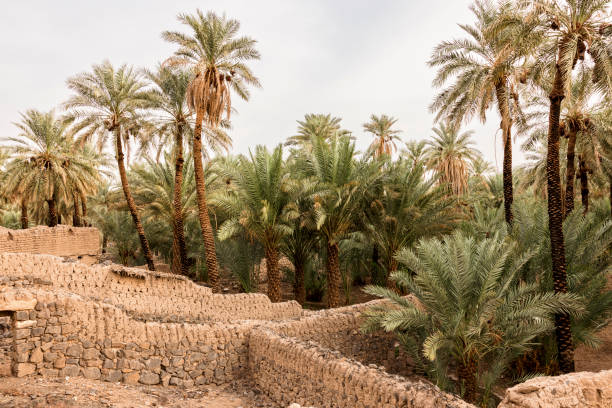
Following an early breakfast, we will drive to the Tayma Oasis.
The oasis of Tayma is located in the Province of Tabuk, 220 km southeast of the city of Tabuk.
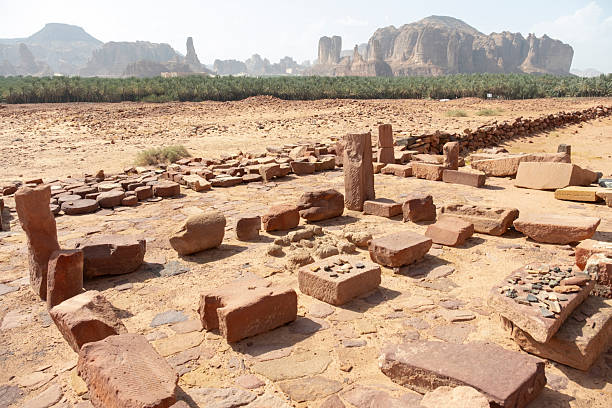
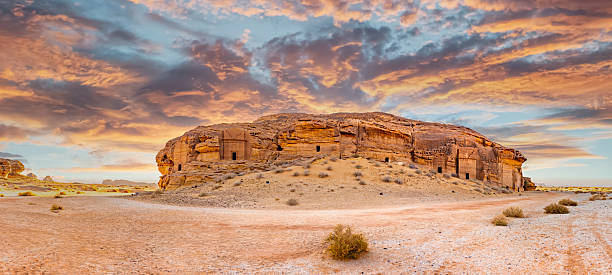
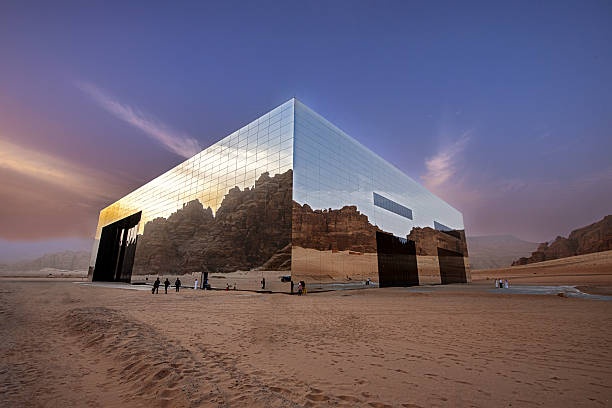
Following Tayma, we drive towards Al-‘Ulā. 20 km north of the modern city of Al-‘Ulā are the ruins of the former capital of the kingdom of Dedan, which flourished in the 11th century. The sandstone landscape around al-‘Ula is spectacular. The oasis and ruined city of al-‘Ulā is known as the archaeological treasure trove of Saudi Arabia. al-‘Ula was once the hub of various ancient trade routes.
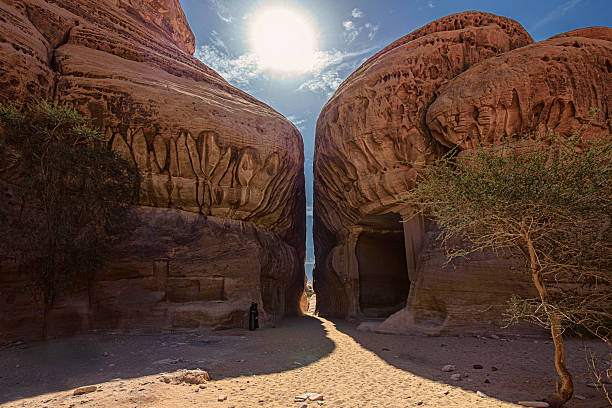
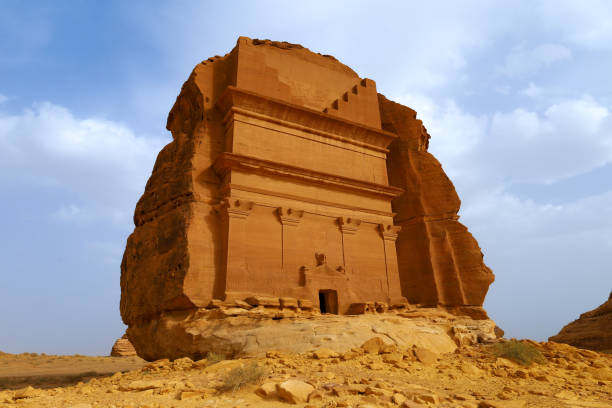
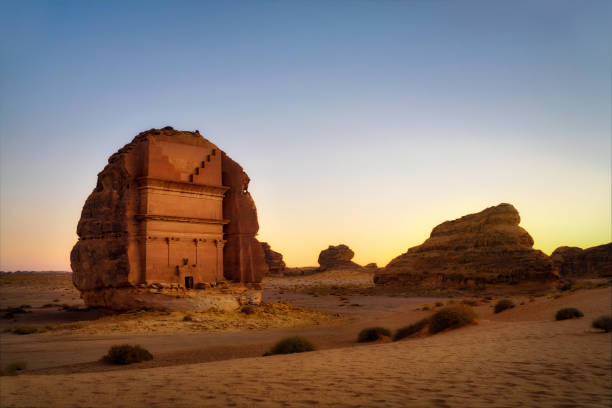
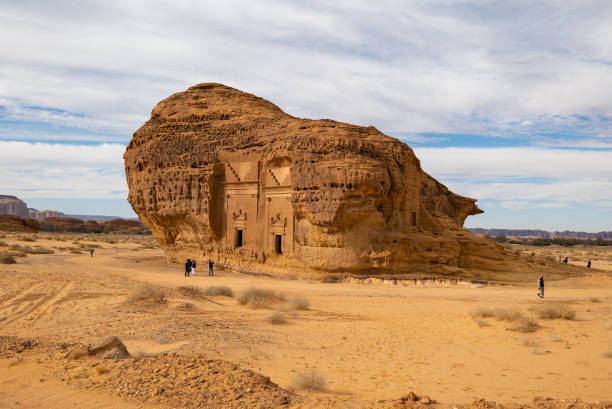
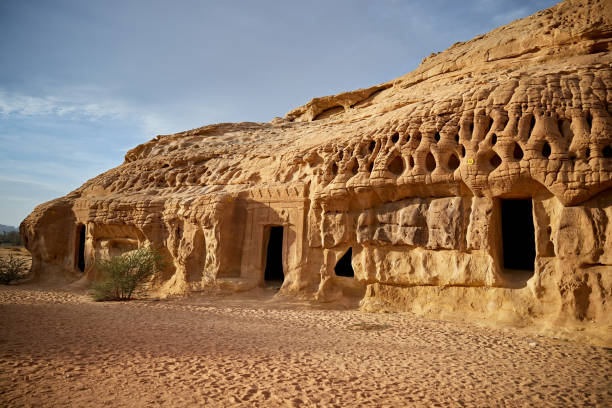
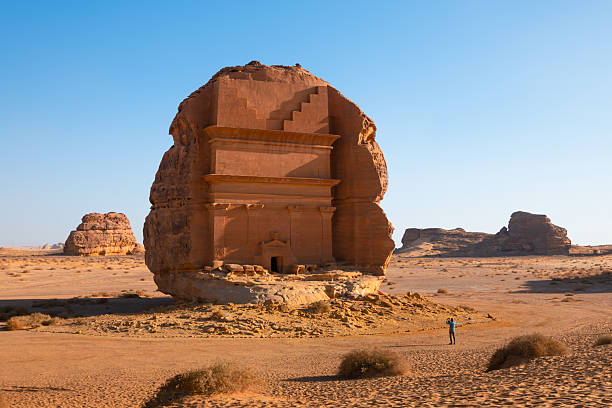
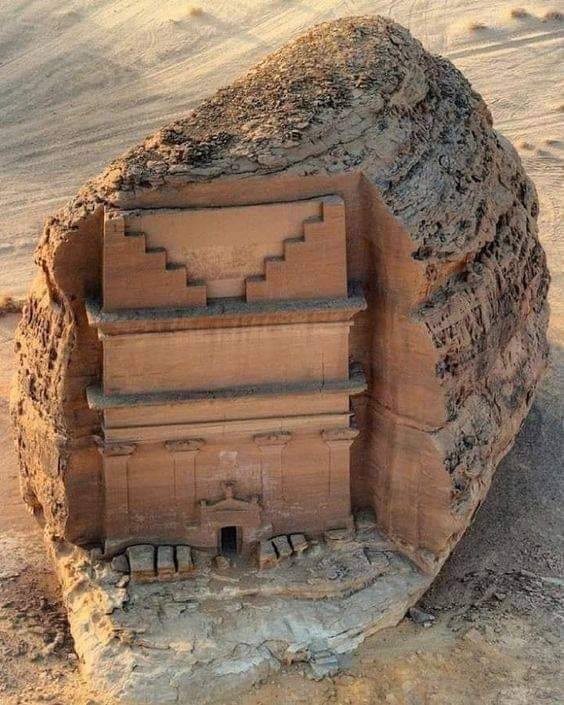
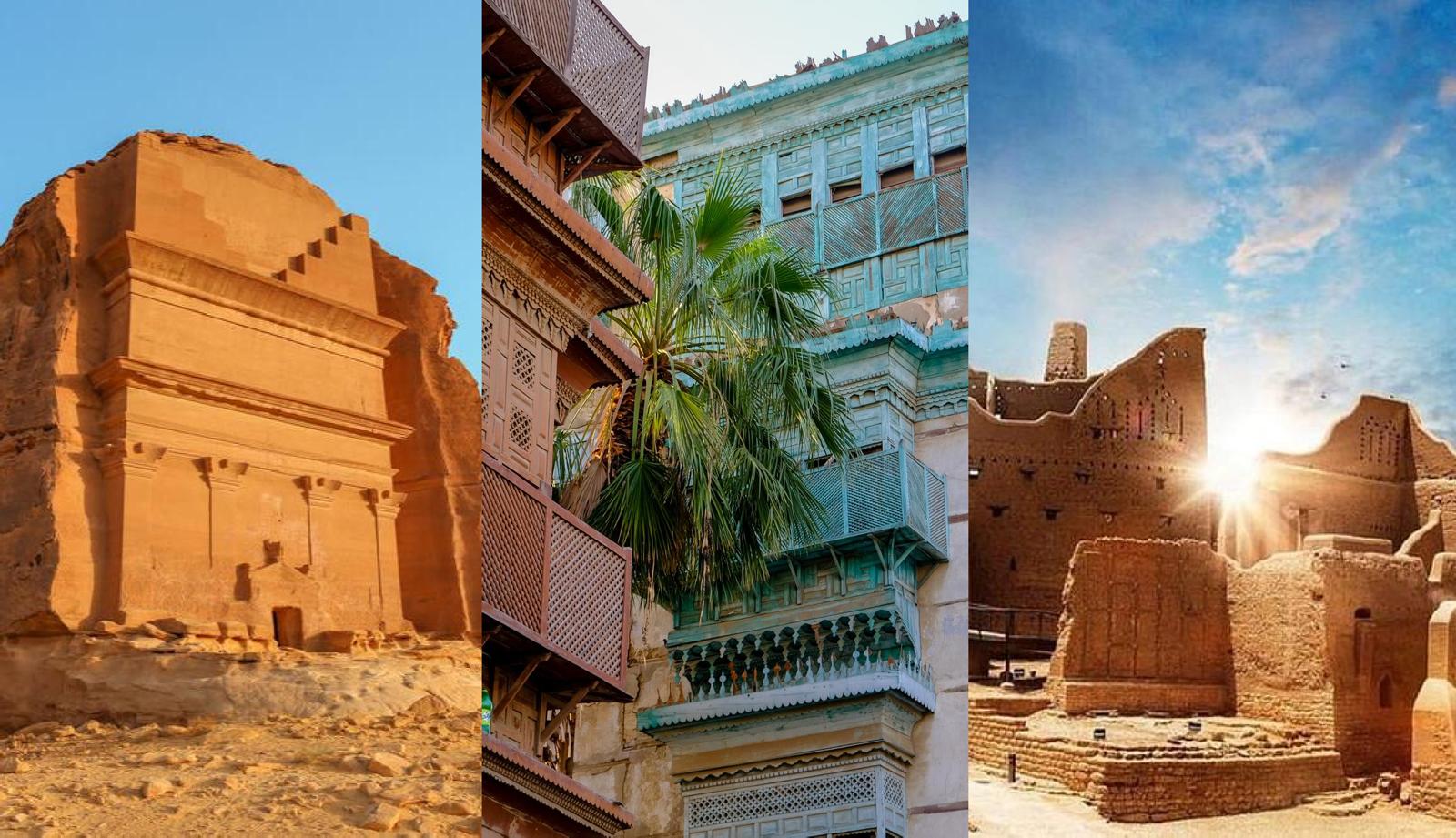
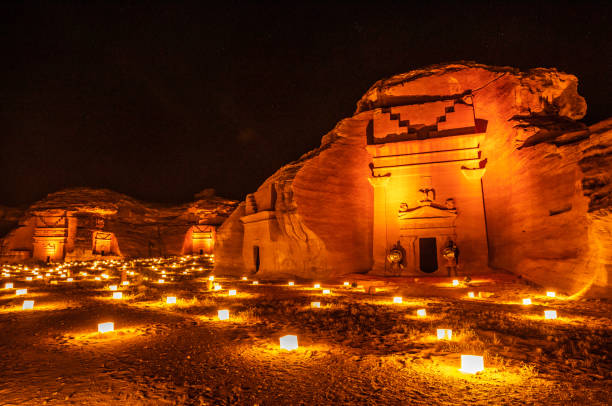
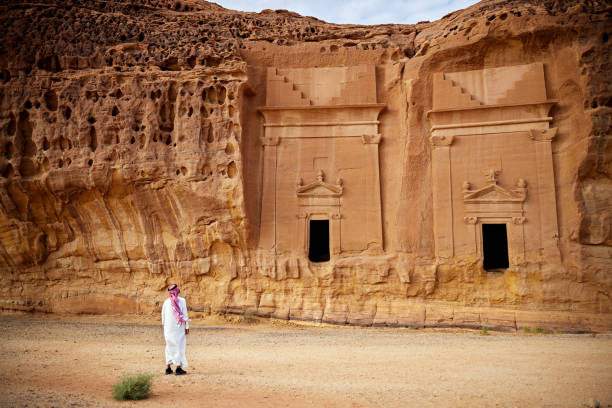
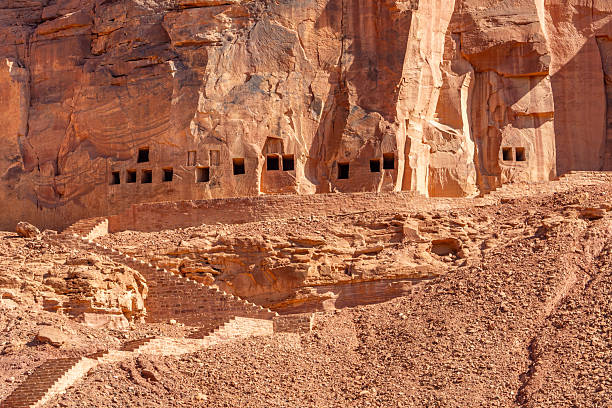
Your excursion into the breathtaking desert landscape will take you to one of the highlights of our Saudi Arabia exploration: Mada’in Saleh (UNESCO World Heritage Site), the large area of Nabataean ruins. As the first site in Saudi Arabia to receive the UNESCO designation (2008), it features 111, often 131, monumental tombs with intricate facades similar to Petra.
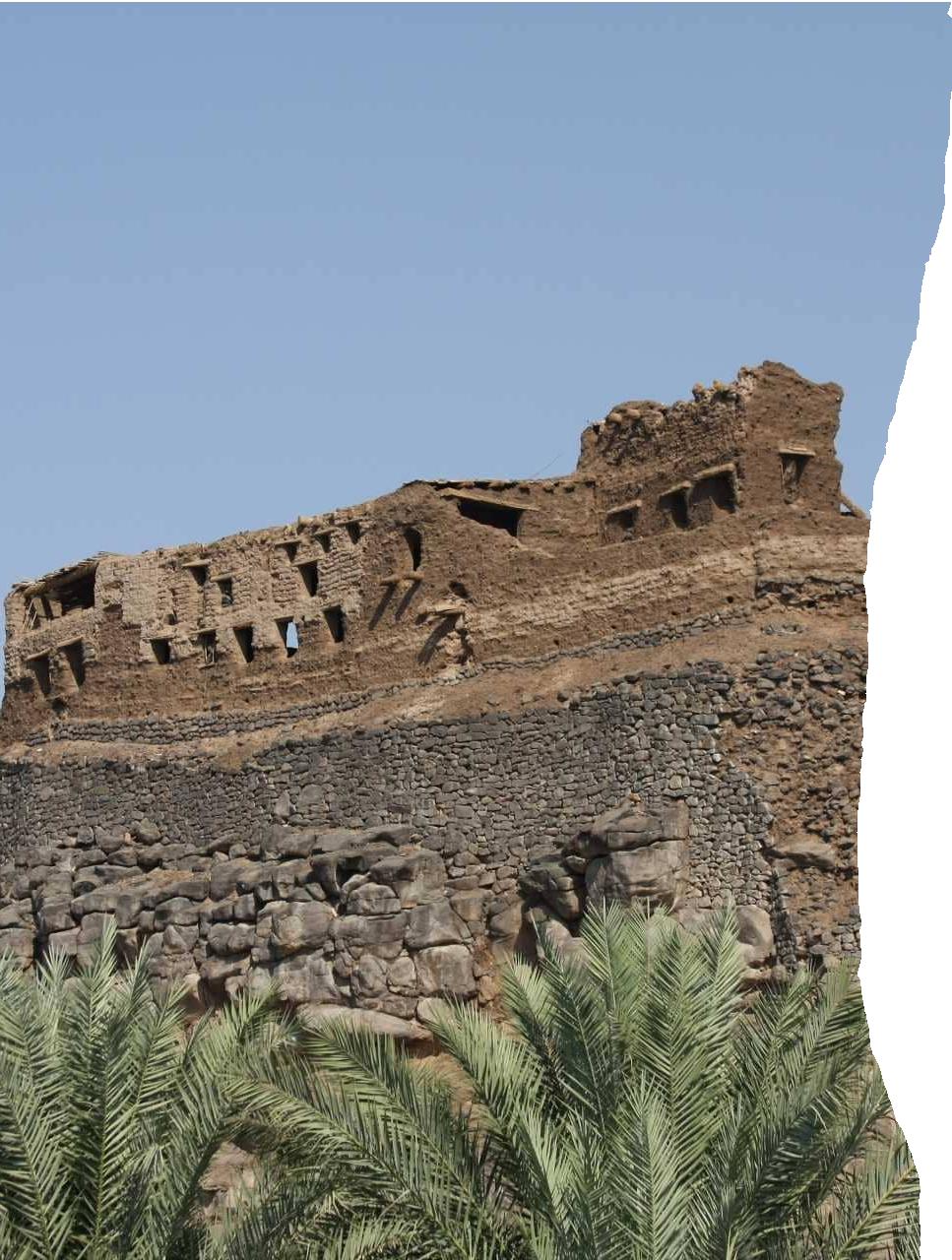
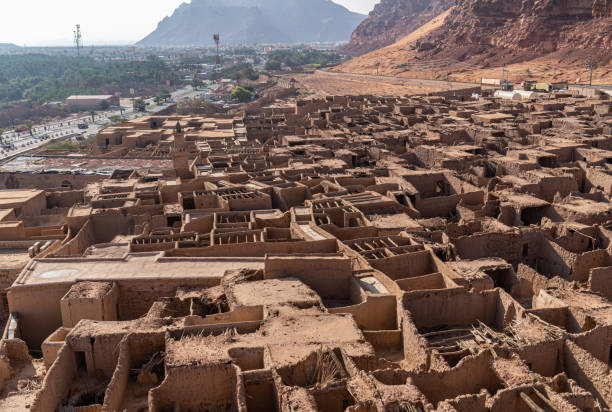
In Mada’in Saleh there are over 130 rock tombs with decorative fronts and entrances. The largest contiguous complex with 23 tombs is Quasr al Bint. Al-‘Ulā is a remarkable destination because of its multi-layered legacy of human history and a wealth of natural wonders. The old town is characterized by its mud-brick houses. These approximately 900 houses are built interconnected to provide protection and indicate that defence was a priority for the city’s former inhabitants. A renovated souq invites you to shop.
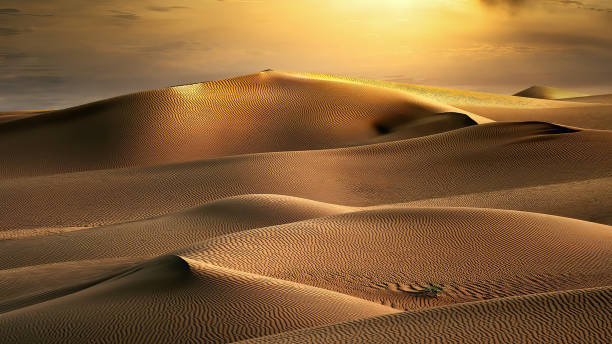
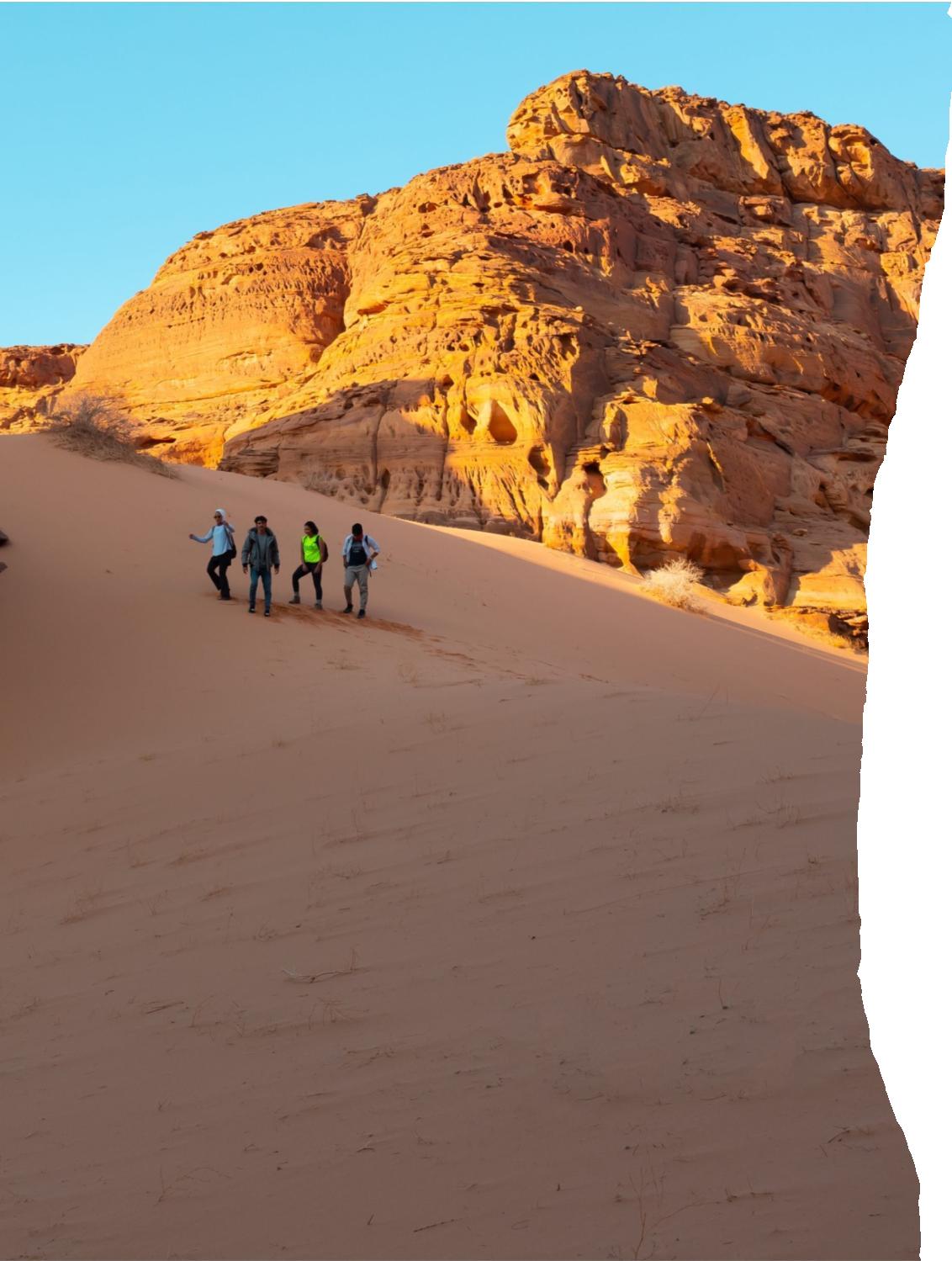
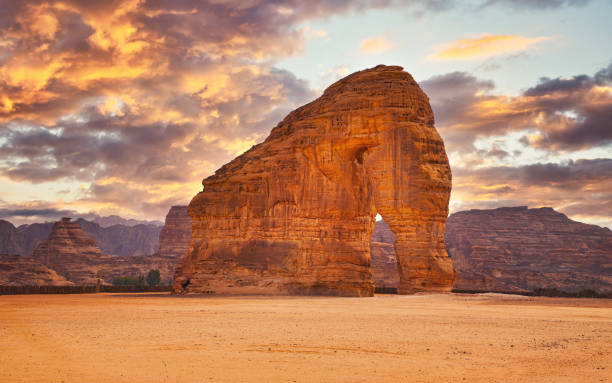
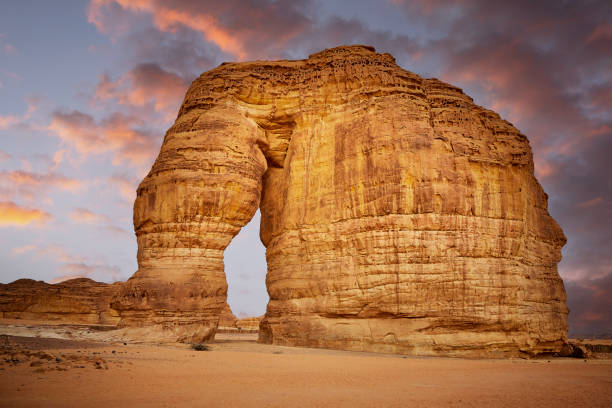
Then drive to the monumental Elephant Rock, which rises steeply in front of the pink dunes.
Overnight stay in Al-ʿUlā.
Bed & breakast
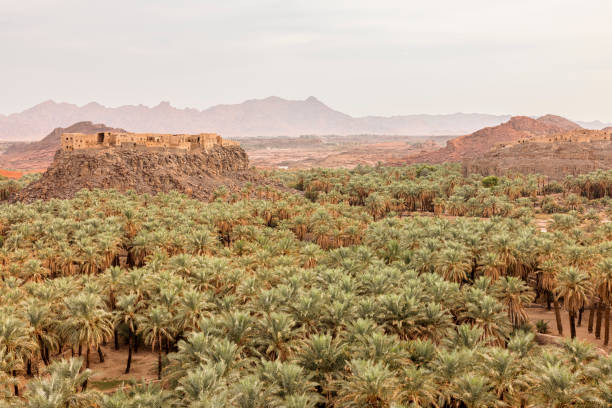
Today the journey continues to Medina, with a stop in Khaibar, an oasis area on a high lava plateau. Enjoy a scenic journey through the historic Khaybar oasis, known for its dramatic volcanic landscapes, lava fields, and rich historical significance along ancient trade routes.
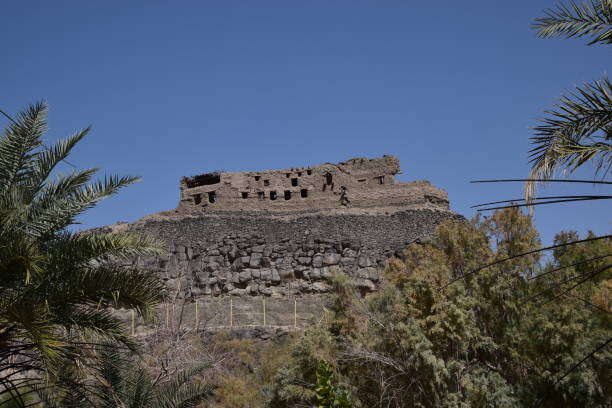
The completely deserted Khaybar seems like a perfect archaeologist’s dream. There are many modern-day stories that capture the imagination, tales of plague, witches and treasures in Khaybar, which is why all the roofs were removed as people believed that the villagers had hidden their treasures under their roofs (view of the village and fortress from outside).
We continue to Medina. Medina al Munawarra means “city of lights” in Arabic.
Followed by hotel check- in and leisure time.
Overnight stay at a 3-4-star hotel on bed & breakfast basis.
Breakfast.
This morning, we will visit medina city. Included in the tour is a visit to the Hejaz Museum.
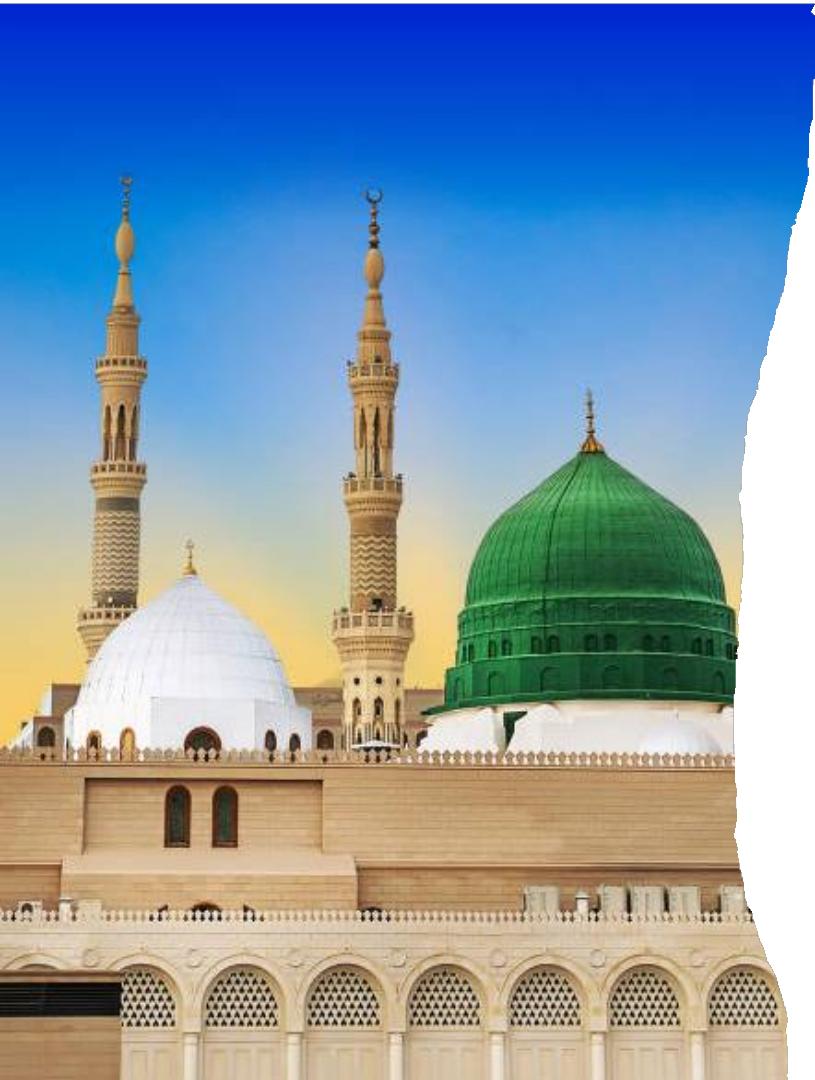
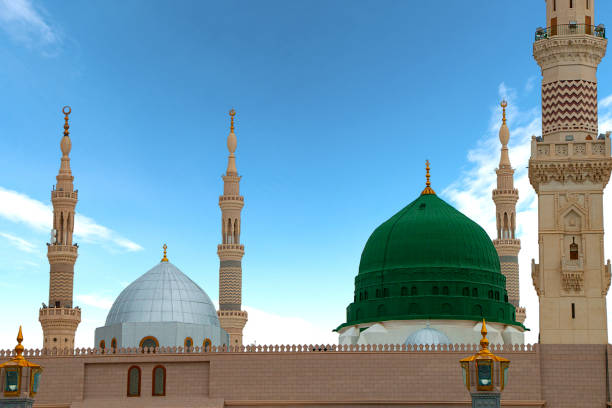
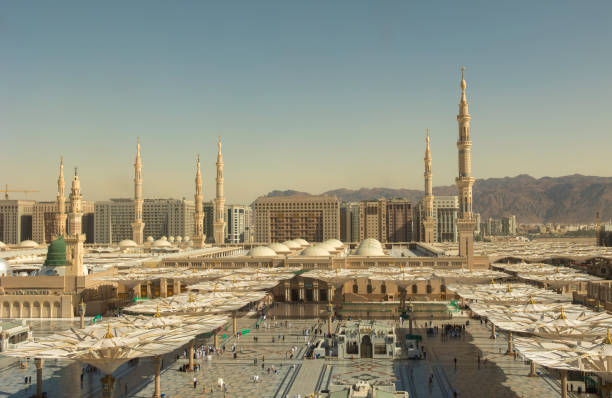
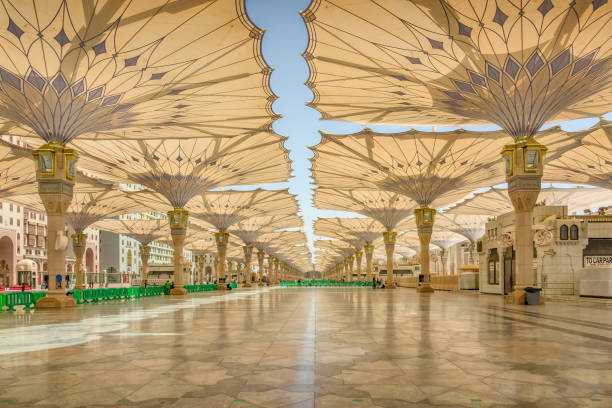
Medina is the place where Muhammad travelled to after emigrating from Mecca. It is one of the two holy cities of Islam. Mecca cannot be visited, but Medina has recently been closed to non-Muslims, except for the mosque, which can be seen from the outside during the city tour and walk to the Haram, the mosque of the Prophet Mohammed.
Your city tour takes you past the most important mosques, and you will also see the sites and Mount Uhud, where the Muslim troops of the Prophet fought against the enemy forces from Mecca.
Stop at the mountain and after a short climb up the stairs you will have a beautiful view of the holy city and its surroundings.
In the afternoon, transfer to the railway station to board the High-Speed Train to Jeddah.
Upon arrival, transfer to the hotel for check-in
During the afternoon we will visit the most iconic spots of Jeddah.
The port city of Jeddah is a vibrant and lively metropolis. Jeddah is considered one of the highlights of Saudi Arabia. Surrounded by a city wall until 1947, Jeddah had just 30,000 inhabitants. Today it is the second largest city in the country with one of the largest and most modern ports in the world.
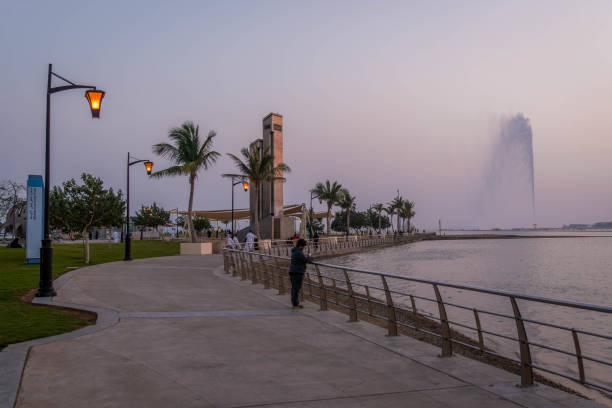
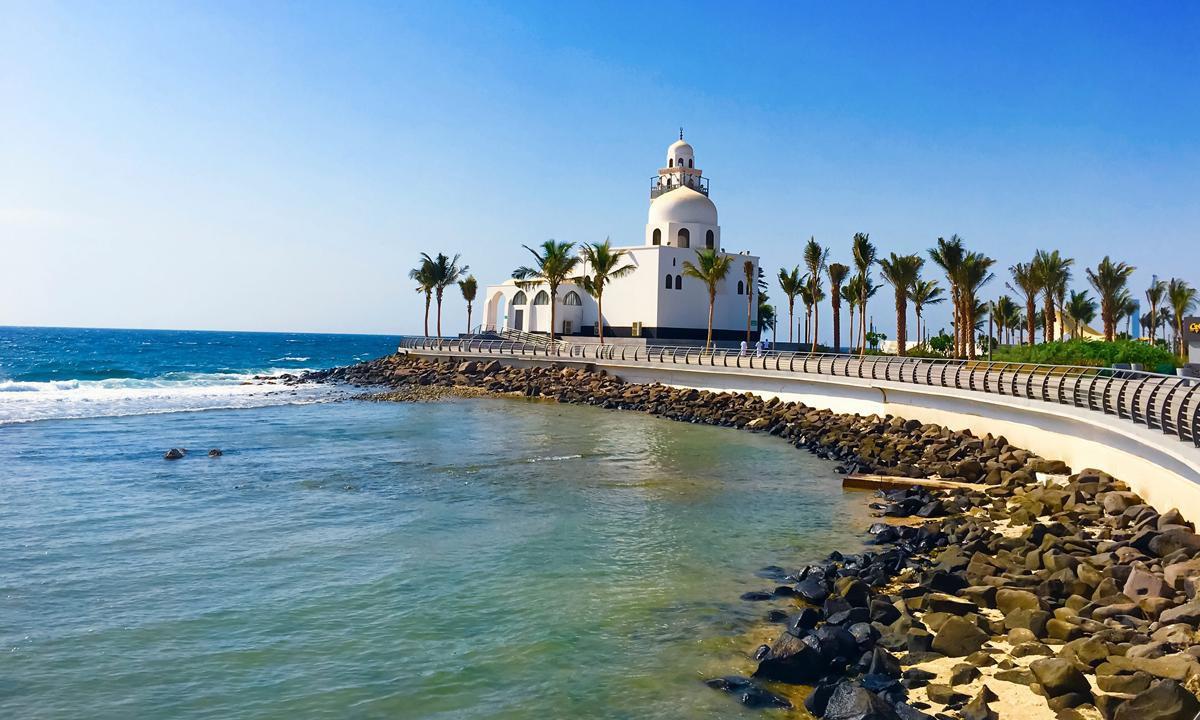
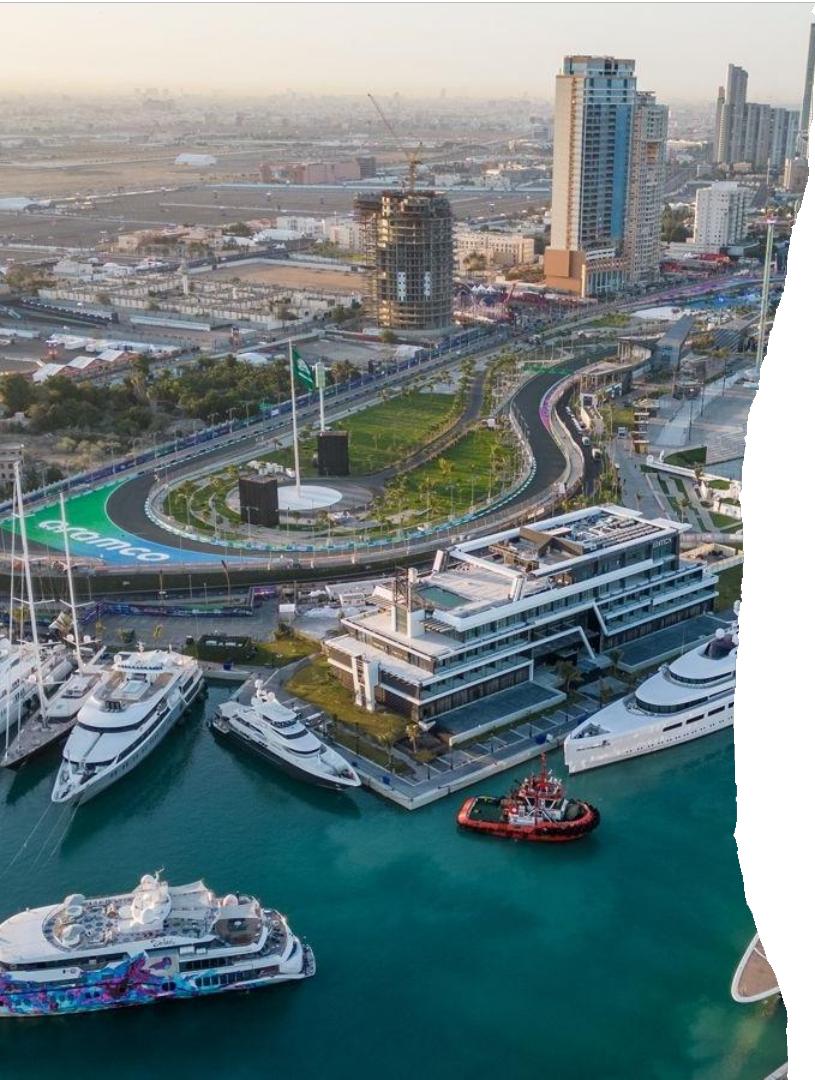
The most popular promenade for locals and visitors to the city is the beautiful Corniche on the Red Sea.
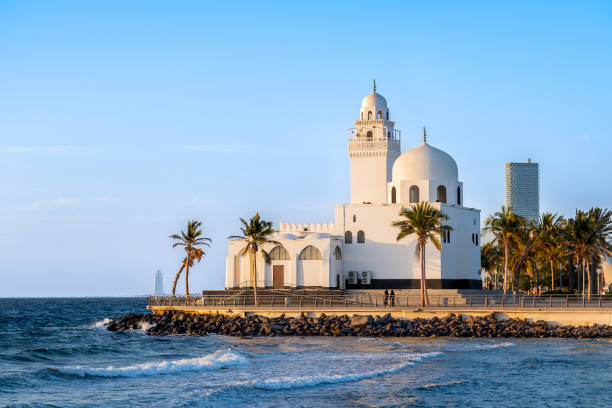
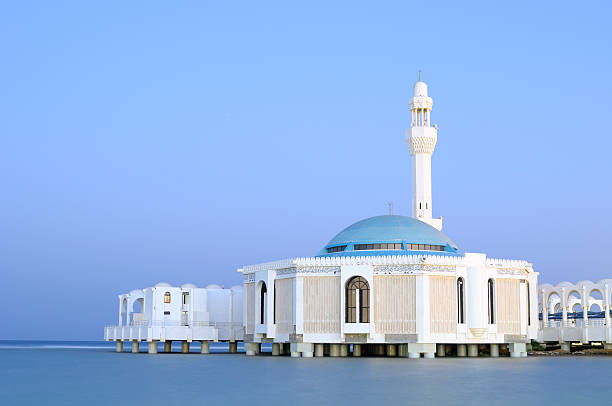
Entirely reserved for pedestrians, it is more than 35 km long. Your sightseeing tour takes you to the “floating mosque” Fatima al Zahra on the northern part of the Corniche.
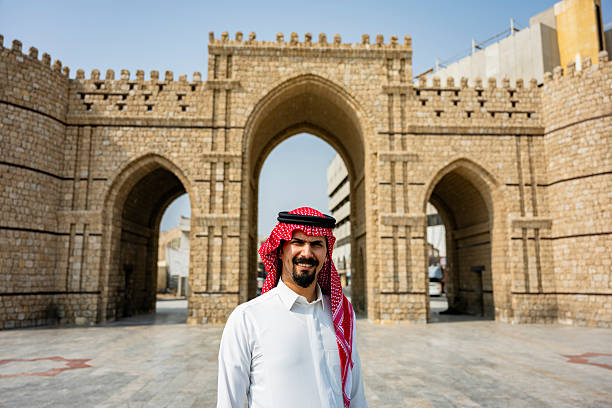
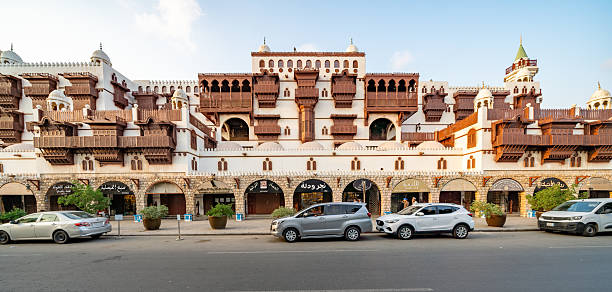
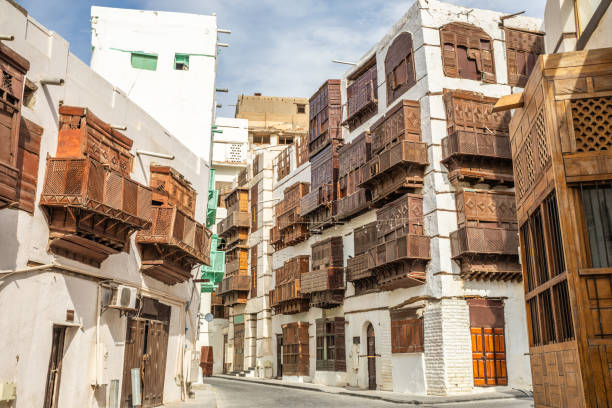
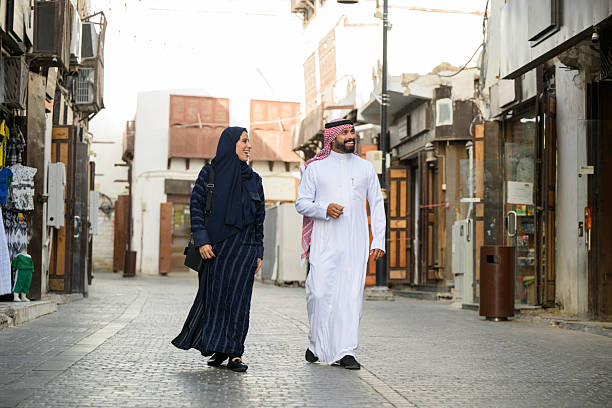
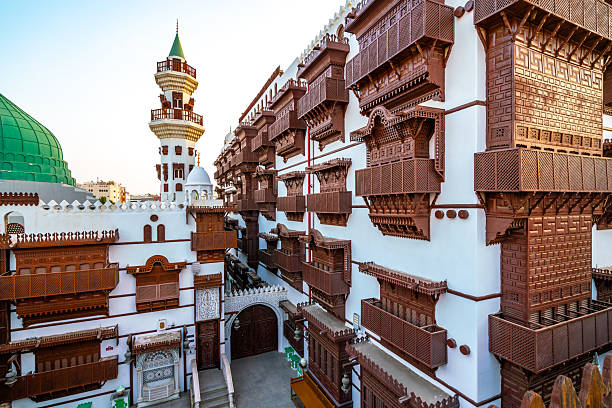
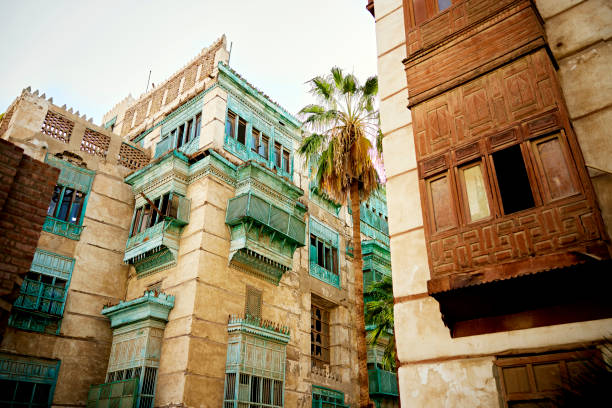
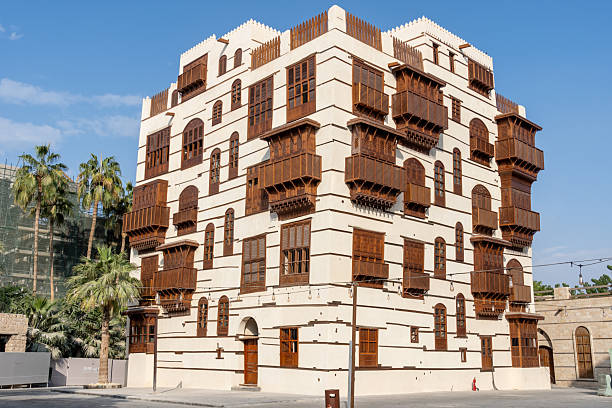
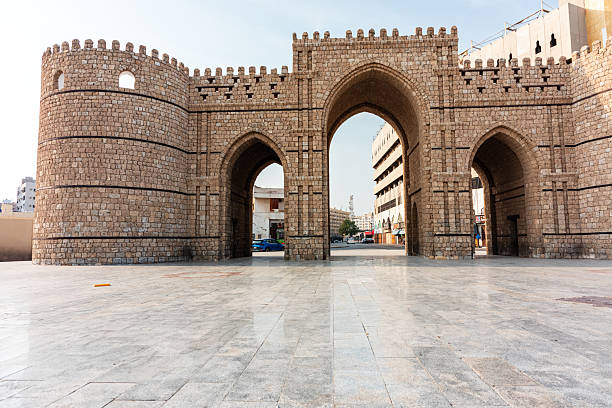
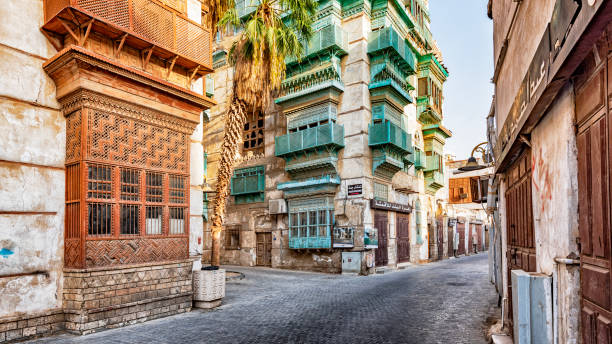
Exploring the city includes a walk through the old town of Al Balad. It is known for the architecture of the houses in which the families of wealthy merchants lived in the late 19th century.
The city’s inhabitants were multicultural due to the influx of Haddj pilgrims. Muslims from Asia, Africa and the Middle East had settled here. Typical of the architecture of the old town are tower-like residential buildings made of coral rubble and clay mortar with large wooden Roshan balconies. Because space was at a premium, the houses in the old town were built up to 7 storeys high and still tower over the surrounding mosques and souqs today.
Overnight in Jeddah at 3-4-star hotel on bed & breakfast basis.
Breakfast and depending on your flight time, we transfer to the airport.
The tour ends at the airport for check-in and security formalities and to board the flight home.
END
Register here for the trip and further details will be sent https://forms.gle/3AkTSZBDDWe2gFhd8
Travel@hodophileexperience.com
Group minimum 10
Rates:
EUR1350 Per person
Accommodation in hotel (double room shared)
30% payment required on booking
Remaining payments can be done in 2 instalments with the final payment, 4 weeks before departure.
Cancellation fees apply – our cancellation policy for bookings for trips to Saudi Arabia:
• Cancellation from the 60th day before the start of the trip 30% of the travel price.
• Cancellation from the 30th day before the start of the trip 50% of the travel price.
• Cancellation from the 14th day before the start of the trip 70% of the travel price.
• Cancellation from the 6th day before the start of the trip 95% of the travel price.
• Cancellation on the day of departure and in case of withdrawal due to non-appearance 100% of the travel price.


Will be sent with full itinerary when confirmed

Will be sent with full itinerary when confirmed

Click here to check the visa requirements
IMPORTANT: You cannot have an Israeli stamp in your passport. If you visited Israel with your passport and there is proof of this fact, your visa will be denied.

Saudi Arabia has a desert climate characterised by dry, hot summers and mild winters. Rainfall is scarce, and sharp temperature changes between day and night should be expected.
Spring (March to June) is warm, though the temperatures at night can dip below 15°C in the north, but in the south (particularly around Abha in the southwest), spring is the rainiest season.
Summer (June to September) is long and hot; it is usual to see the temperature hitting 45°C. However, the hilly southwest is much cooler.
Autumn (October to November) is still relatively warm with daytime temperatures hovering around 30°C , although evenings are pleasant, with temperatures dropping to around 15°C in most cities.
Winter (December to March) is the best time to visit Saudi Arabia as the weather is mild with plenty of sunny days and cool nights. It is possible to see snow in the north – you may even be lucky enough to try snow sledging in the mountains around Tabuk.
Riyadh, the capital of Saudi Arabia, sits on a rocky plateau in the centre of the country. Its relatively high elevation (594m or 1950ft above sea level) means that it is sunny year-round and less humid than other Saudi cities.
Jeddah, a major port city on the Red Sea coast, has hot and humid weather. July is the hottest month in Jeddah with an average high of 38°C while January is the coolest month with an average high of 28°C The city receives very little rain, averaging just 20mm (0.8in) a year. The evenings are mild in Jeddah, and they offer opportunities to enjoy the waterfront, the Jeddah Corniche, which features miles of sandy beaches and three swimming bays.
Makkah, also spelt Mecca, is the holiest city in Islam as it was here that the Quran was first revealed to the Prophet Muhammad. The city sits in a desert valley 86km (53mi) east of Jeddah. Daytime temperatures often hover above 40°C between May and September but the evenings are cooler. The weather in January is most pleasant, with an average high of 31°C and an average low of 19°C.
Required clothing
Pack sunscreen, sunglasses and sun hats, and use layers (light sweaters or scarves) for air-conditioned buildings and cooler evenings.
A rain jacket may be required, depending on when and where you are going.
Loose, long clothes in natural fabrics are recommended. A cover-up for the cooler months is advisable. Warm clothing for nights in the desert.
Modest dress is advised, especially for women – upper legs and arms, shoulders and cleavage should be covered. A headscarf can be useful as extra coverage, and is essential for visiting mosques, cemeteries or other sites that bear religious significance.

The currency is the Saudi Arabian Riyal (SAR) = 100 halala.
Notes are in denominations of SAR500, 100, 50, 10, 5 and 1. Coins are in denominations of 2 riyals, 1 riyal and 50, 25, 10, 5 and 1 halala.
The riyal is pegged to the US dollar at SAR3.75, meaning US$1 is SAR3.75.
Visa, Mastercard and American Express are accepted throughout Saudi Arabia. Many businesses also accept digital payment methods.
ATMs are widely available.
There are no restrictions on the import or export of local or foreign currency, but all travellers with cash, gold bullions, precious stones, and fine jewellery exceeding SAR 60,000 must declare. In addition, gifts or personal purchases worth SAR 3,000 or more must be declared, along with goods that are subject to prohibition, restriction, taxes or fees.
Tipping
Our suggestions for hotel staff: For room service, porters, service in the restaurants we have booked: €7 per traveller per day.
The responsible tour guides accept the tips for the hotel and restaurant staff and distribute them to the respective employees there.
We can also include the tips in our prices to you so that your travel guests do not have to deal with them.
As well as for Bus driver: per day per traveller €3
Tour guides: Per day per traveller €5

The standards of healthcare in Saudi Arabia are excellent, and visitors must have travel insurance.
In an emergency, call 937 (emergency medical consultation) or 997 (ambulance).
Recommended vaccinations:
Typhoid – Sometimes
Diphtheria – Sometimes
Hepatitis A – Yes
Tetanus – Yes
Rabies – Sometimes
Malaria – Sometimes
Yellow Fever – No*
* A yellow fever vaccination certificate is required from all travellers (older than 9 months) arriving from an infected area.
Saudi Arabia is a leading desalinated water producer in the world, turning out tap water that is safe for drinking. If you are going camping and won’t be near a reliable water source, take plenty of water with you.
Saudi Arabia imports much of its food to meet demand and food safety and hygiene standards are high in general. Nonetheless, it is wise to ensure the meat is cooked and served hot, fruit is peeled and vegetables are washed.
UNESCO World Heritage Sites:
– Hegra Archaeological Site (al-Hijr / Madā ͐ in Ṣāliḥ)
– At-Turaif District in ad-Dir’iyah
– Historic Jeddah, the Gate to Makkah
– Rock Art in the Hail Region of Saudi Arabia
– Al-Ahsa Oasis, an Evolving Cultural Landscape
– Ḥimā Cultural Area
– ‘Uruq Bani Ma’arid
– The Cultural Landscape of Al-Faw Archaeological Area
The historical area of Jeddah, Al-Balad
Riyadh
Medina
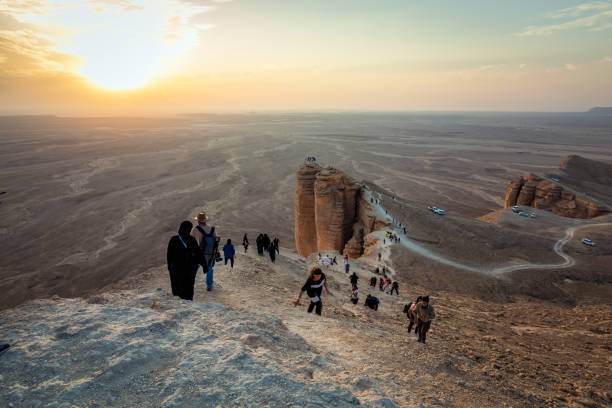
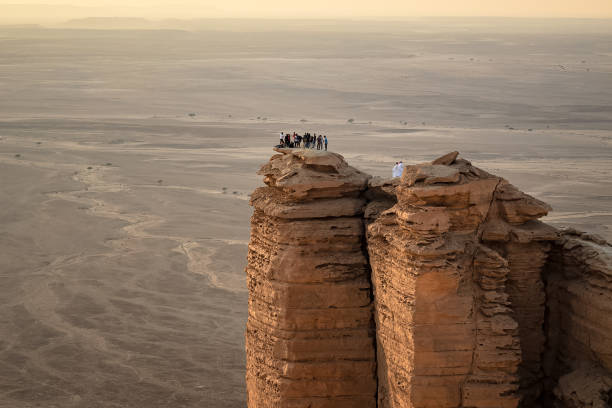
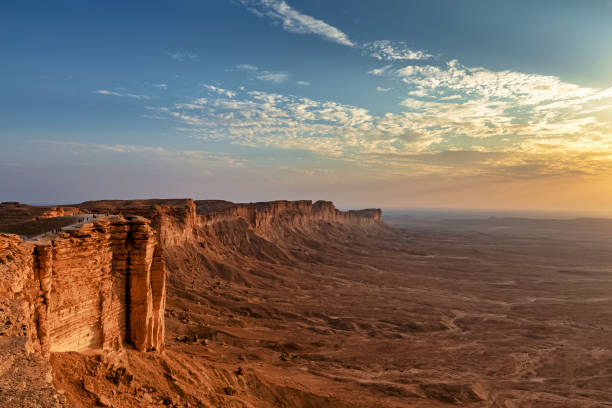
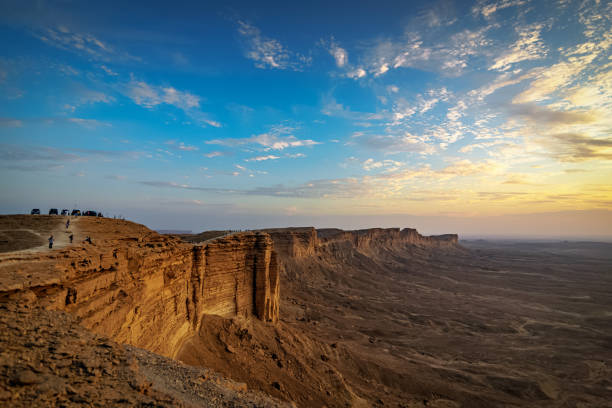
Jebel Fihrayn but known as the “Edge of The World”, with its spectacular view