+351 965 133 699
travel@hodophileexperience.com








Price Includes:

Price Excludes:
** Based on the survey done in the month of March 2026.
Register here: https://forms.gle/3AkTSZBDDWe2gFhd8
Emails us at: travel@hodophileexperience.com
Hodophile Experience cannot be held responsible for any travel disruptions due to very rare but possible flight delays. All participants are required to have travel and medical insurance on all our trips to protect against any additional costs.
Arrive at Marrakech Airport.
Our representative will meet and transfer you to your hotel. Enjoy a seamless transfer to your Riad or hotel.
After check-in, the day is yours to unwind and settle In.
Overnight at your Hotel.
No meals.
Today, begin uncovering the secrets of the Red City!
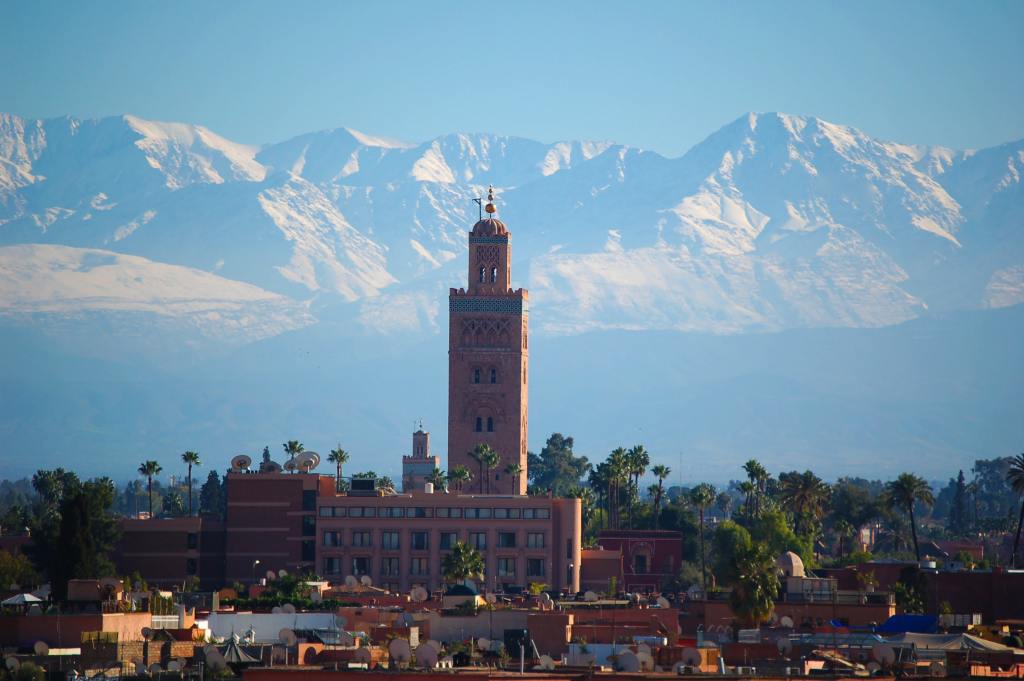
You will start with the iconic Koutoubia Mosque, renowned for its towering minaret, which inspired the Giralda of Seville and the Hassan Tower of Rabat.
Continue your journey through the Medina, the historic walled city and a UNESCO World Heritage Site. Then, explore the Medersa Ben Youssef, once the largest and most prominent theological college in Morocco. Admire its stunning courtyard, intricate tile work, and exquisite carvings a serene and artistic gem. Enhance venture into the hidden gems of Marrakech. Visit a caravanserai (Fondouk), an ancient inn that once hosted merchants and their goods, offering a glimpse into the city’s vibrant commercial history.
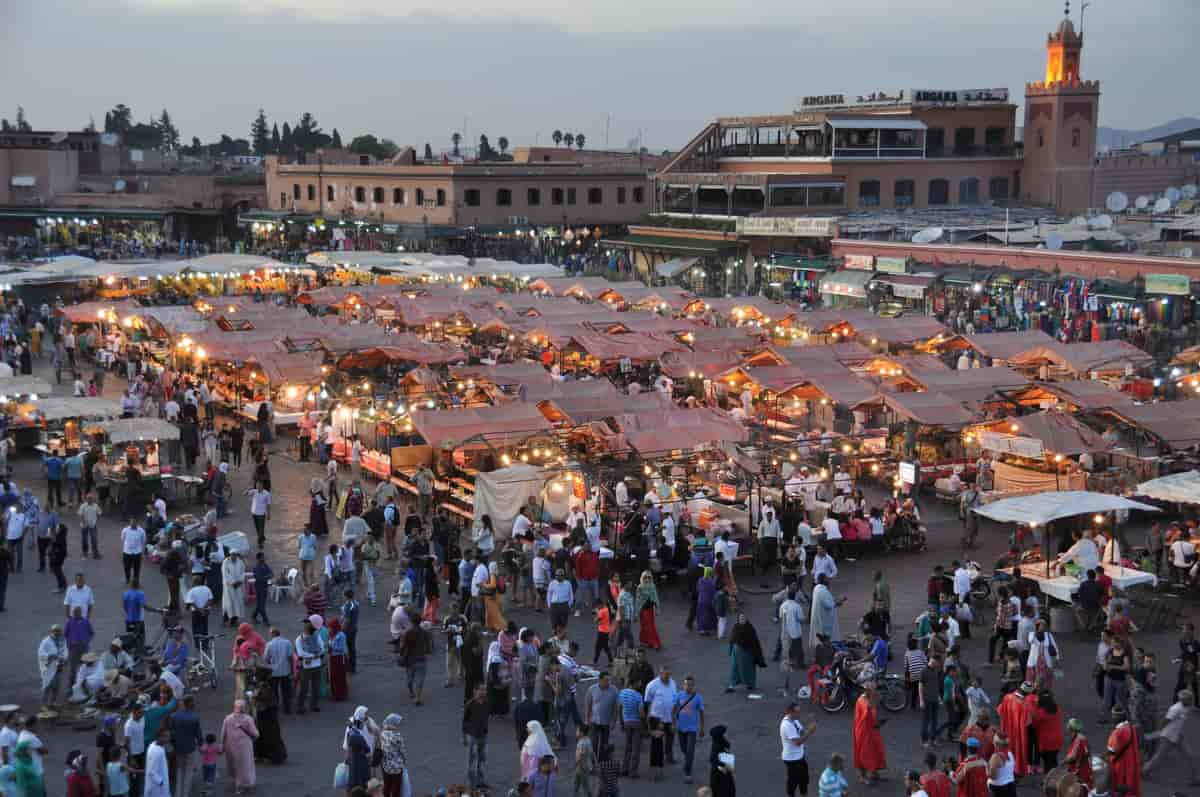
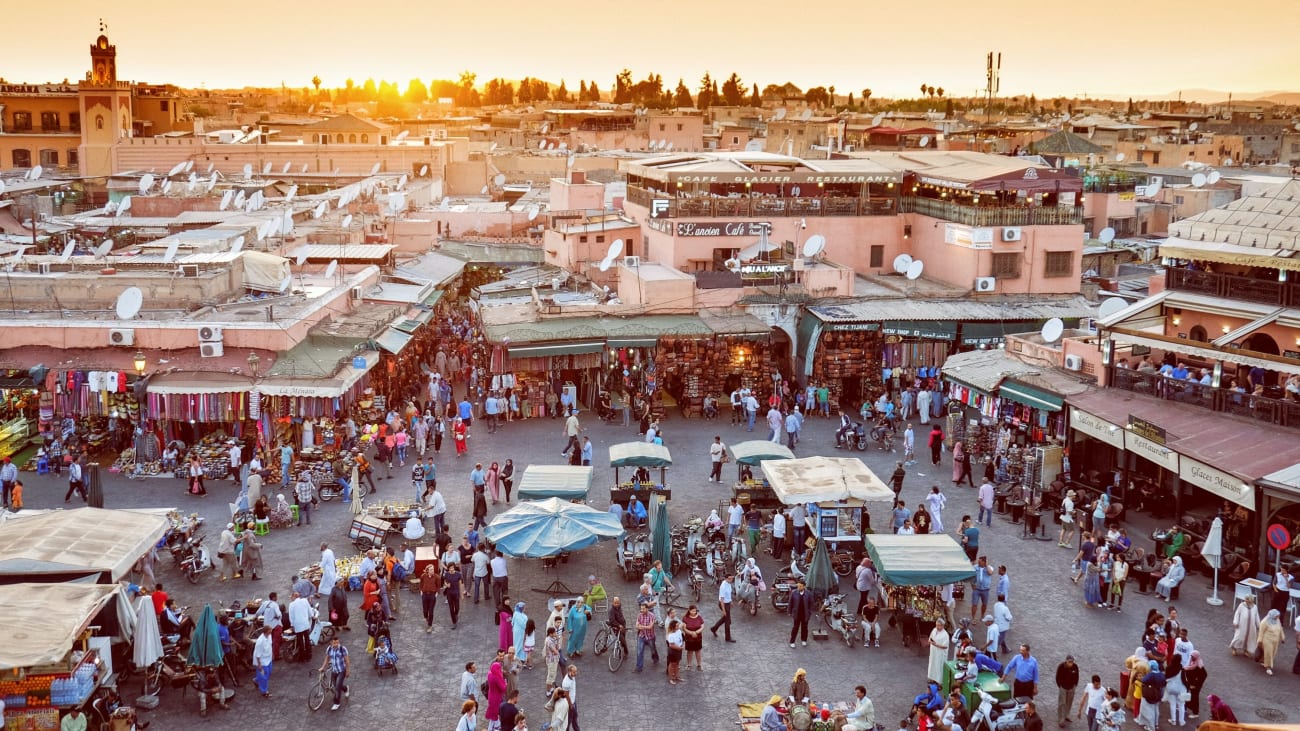
Conclude your visit with a walk through Jmaa El Fna Square, a UNESCO World Heritage Site and the vibrant soul of Marrakech, a living spectacle of Moroccan culture. Return to the hotel to freshen up before heading to a local restaurant to enjoy a Moroccan dinner with entertainment.
Return to hotel
Meals: Breakfast & Dinner
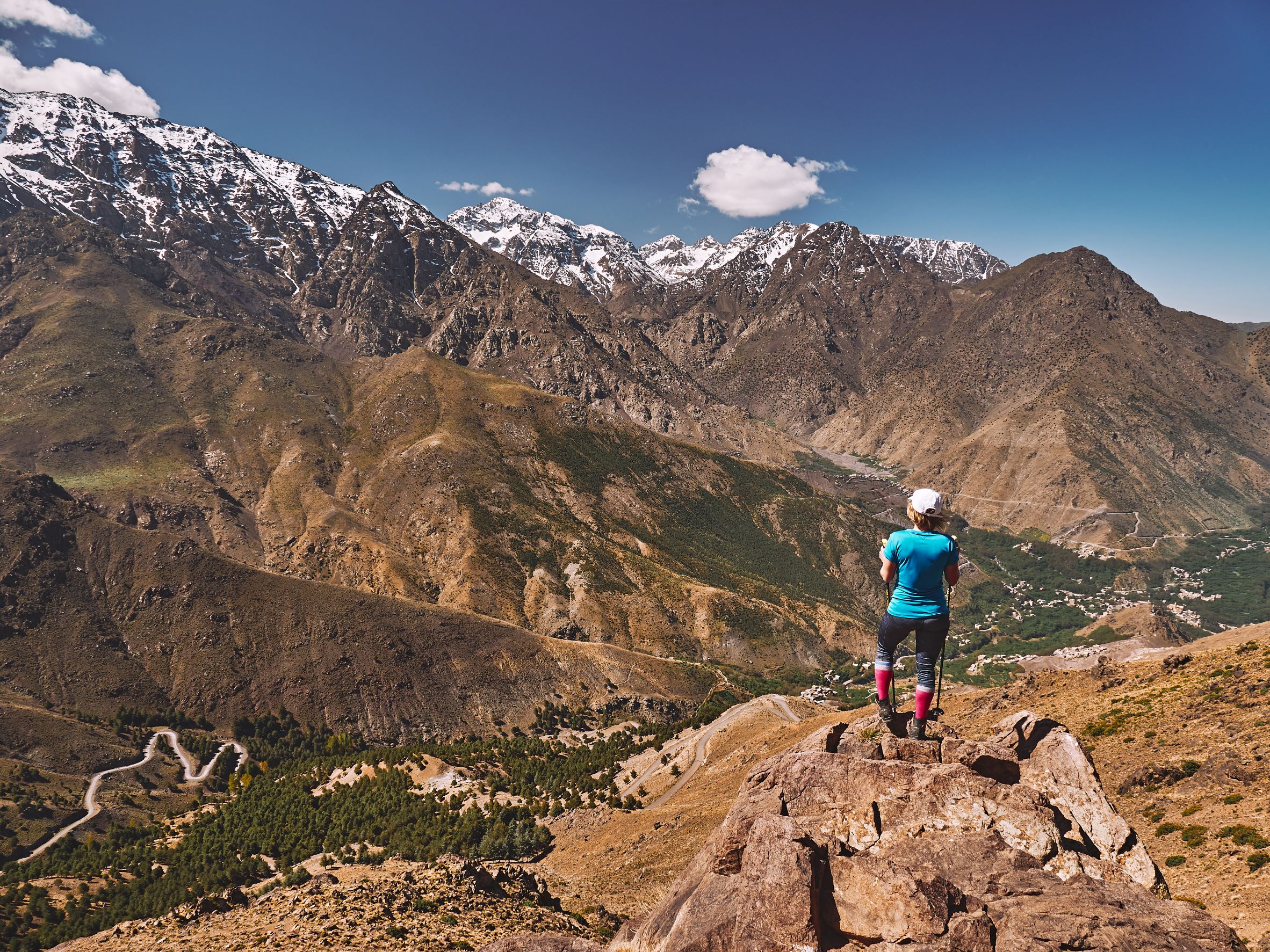
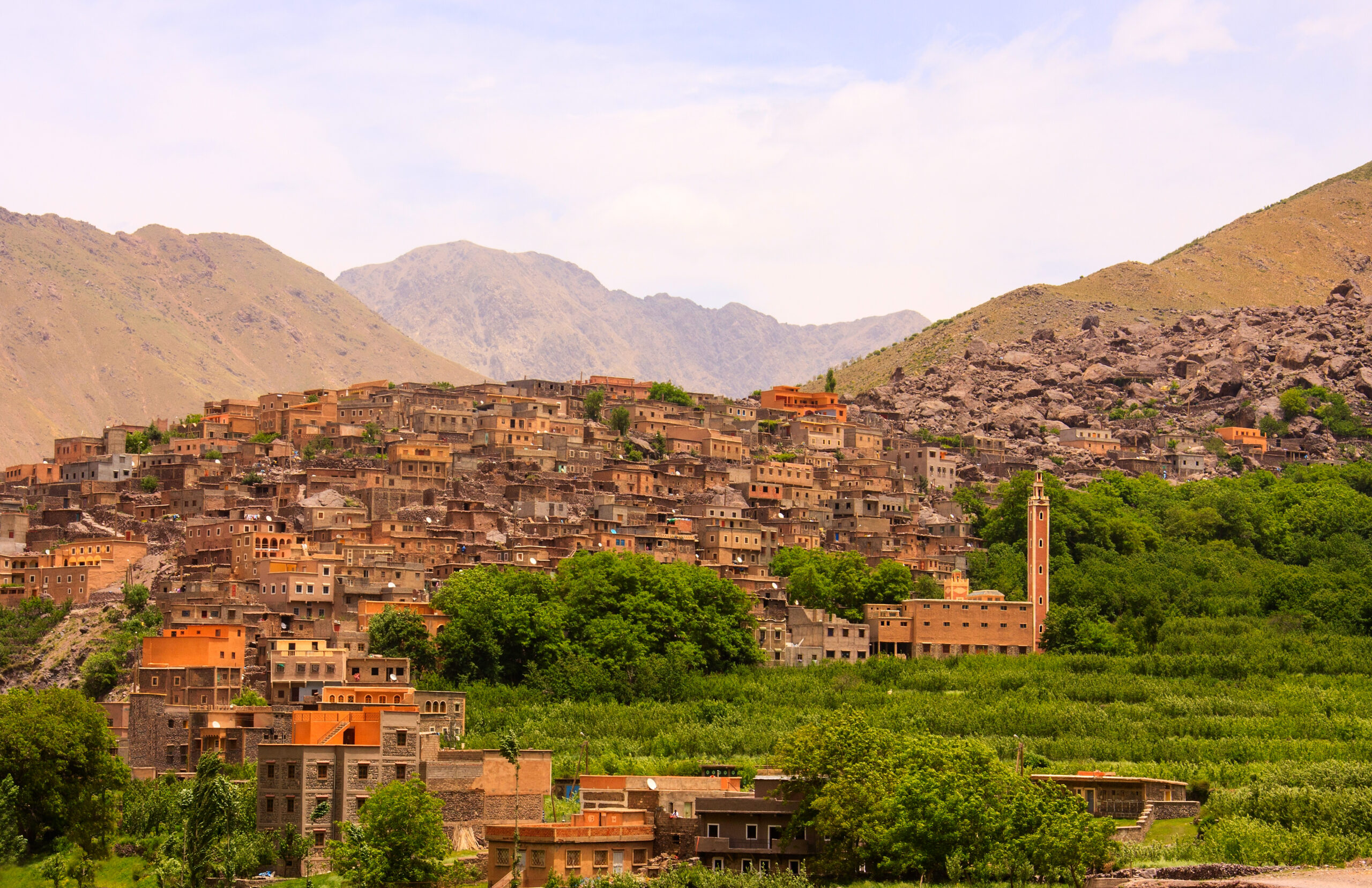
Embark on an unforgettable journey from the vibrant city of Marrakech to the breathtaking Dades Valley, traversing some of Morocco ’s most iconic landscapes and cultural gems. The road climbs into the High Atlas Mountains, winding through dramatic valleys, terraced fields, and traditional Berber villages.
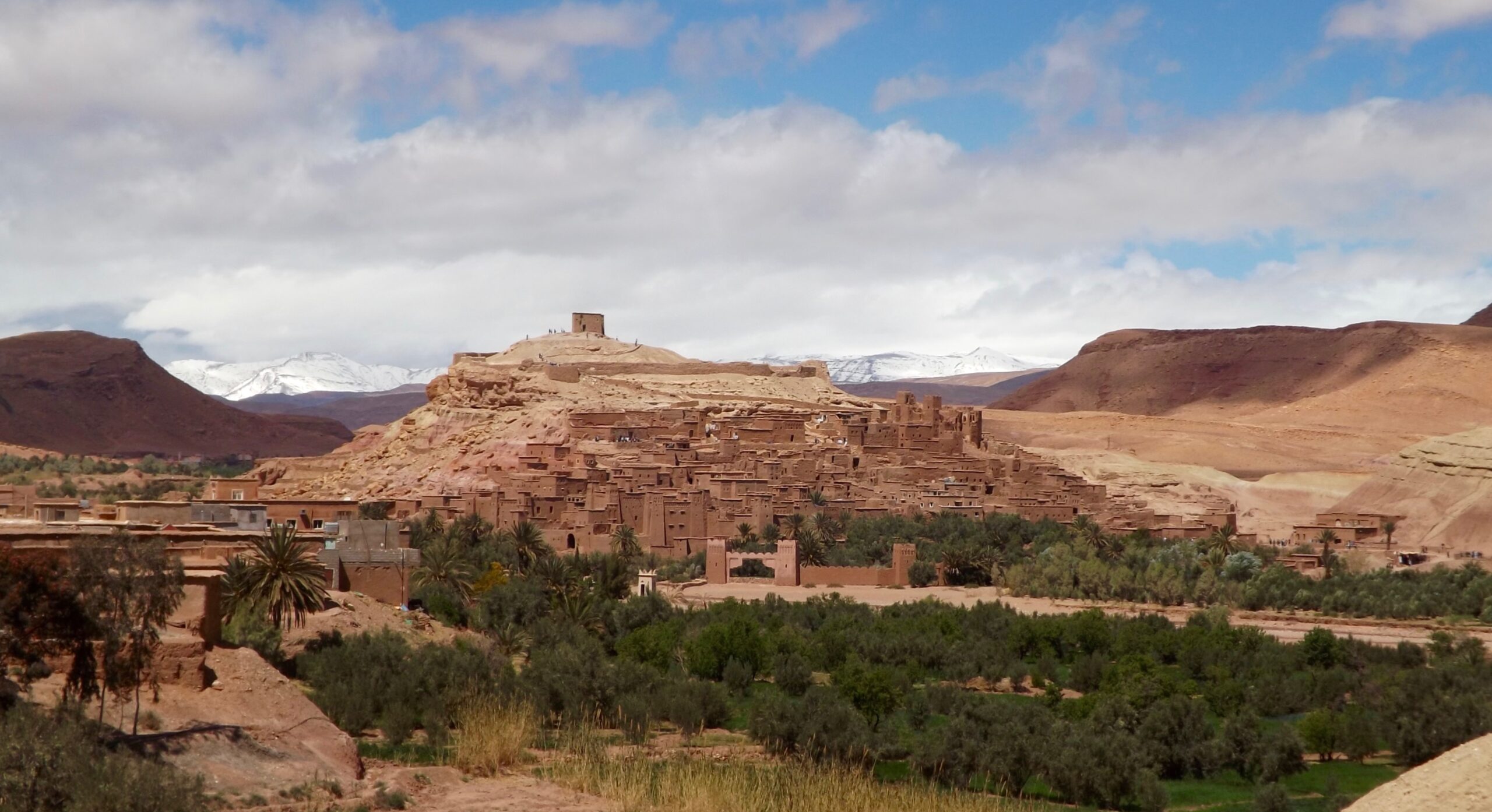
Continue to the legendary Ait Benhaddou, a hilltop site that has remained almost unchanged since the 11th century. Its grand kasbah is one of the most beautiful in Morocco, and the fortified village is a stunning example of traditional clay architecture.
As you drive through Skoura, a serene oasis nestled in the Draa Valley, you’ll be greeted by a lush landscape of palm groves, traditional mudbrick kasbahs, and tranquil farmland. This peaceful oasis, with its thriving agricultural life and vibrant greenery, stands in stark contrast to the surrounding arid desert, offering a refreshing glimpse into Morocco s natural beauty.
Next, the journey takes you to Kelaat M’Gouna, renowned for its proximity to the enchanting Valley of Roses and the annual Rose Festival. At the end of the three-day celebration, usually held in May, a local girl is crowned the “Rose Queen.” The region’ s most prized product is rosewater, with two local factories dedicated to distilling and exporting this fragrant treasure.
Finally, continue to the dramatic Dades Valley, check in at your hotel, enjoy your dinner then overnight.
Meals: Breakfast & Dinner
Early breakfast
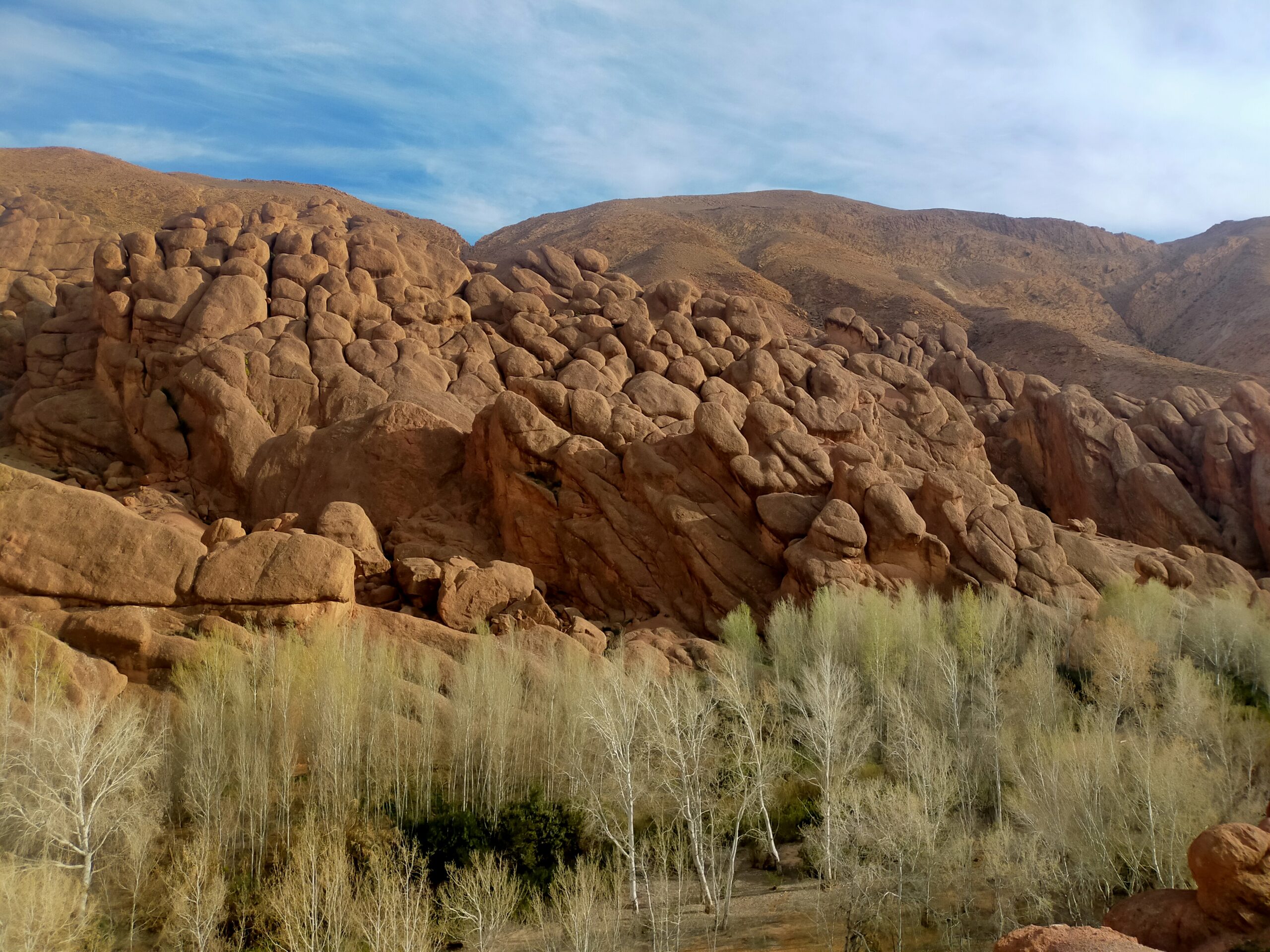
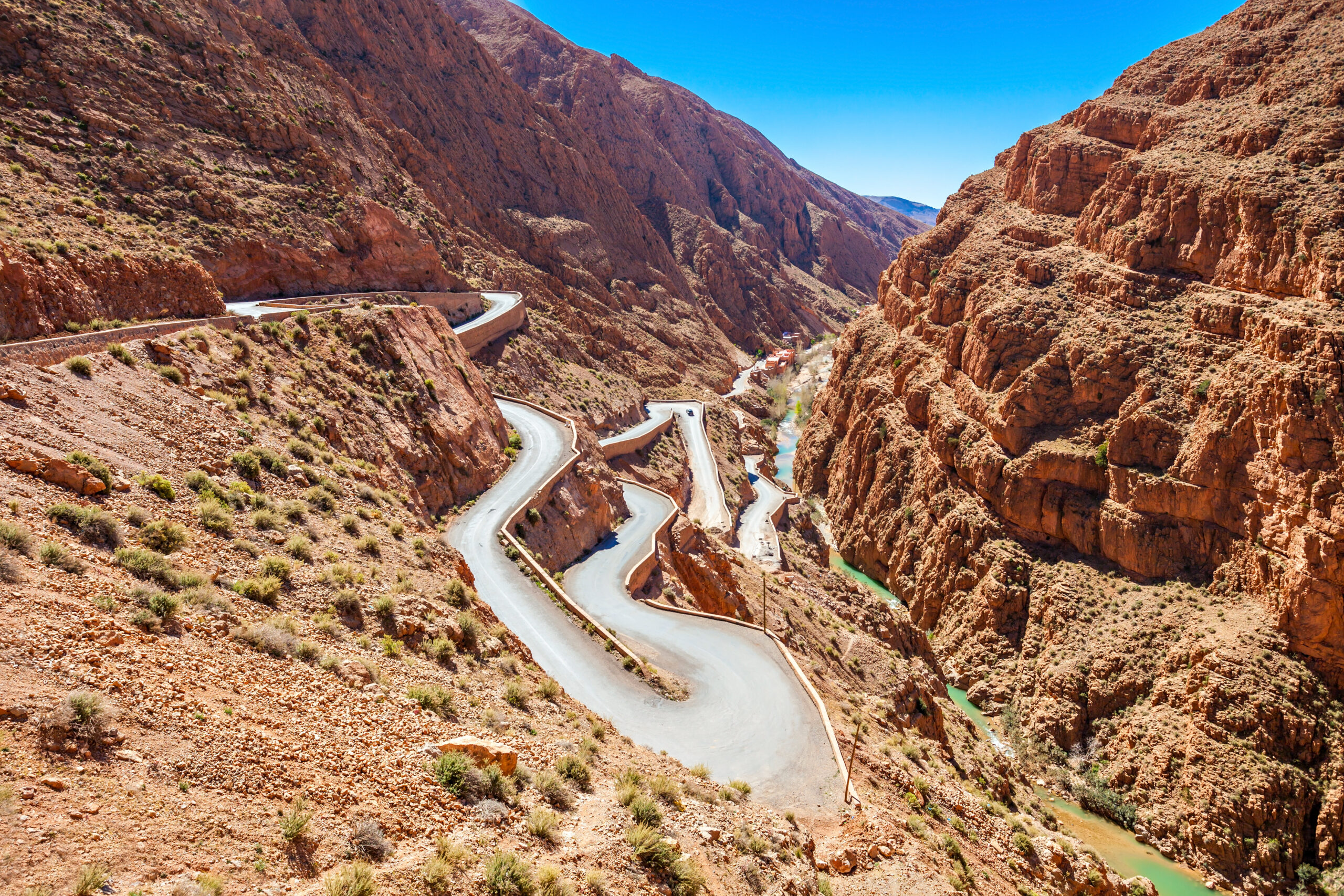
After breakfast, drive to the Dades Gorges to witness towering cliffs and the “Monkey Fingers” rock formations. If time allows, stop at Café Timzillite for a panoramic view of the valley’s famous zigzagging roads. Continue to Tinghir, a historic Berber crossroads nestled between the High Atlas and the Sahara. As you pass through, admire its traditional mudbrick Ksours and vibrant markets, a true haven for photography.
Next, reach the iconic Todra Gorges to explore 300-meter limestone canyons. Enjoy a walking tour along the Todgha River. From Tinghir, travel through the lush Ziz Valley, passing Berber villages and scenic palm groves as the landscape shifts toward the desert.
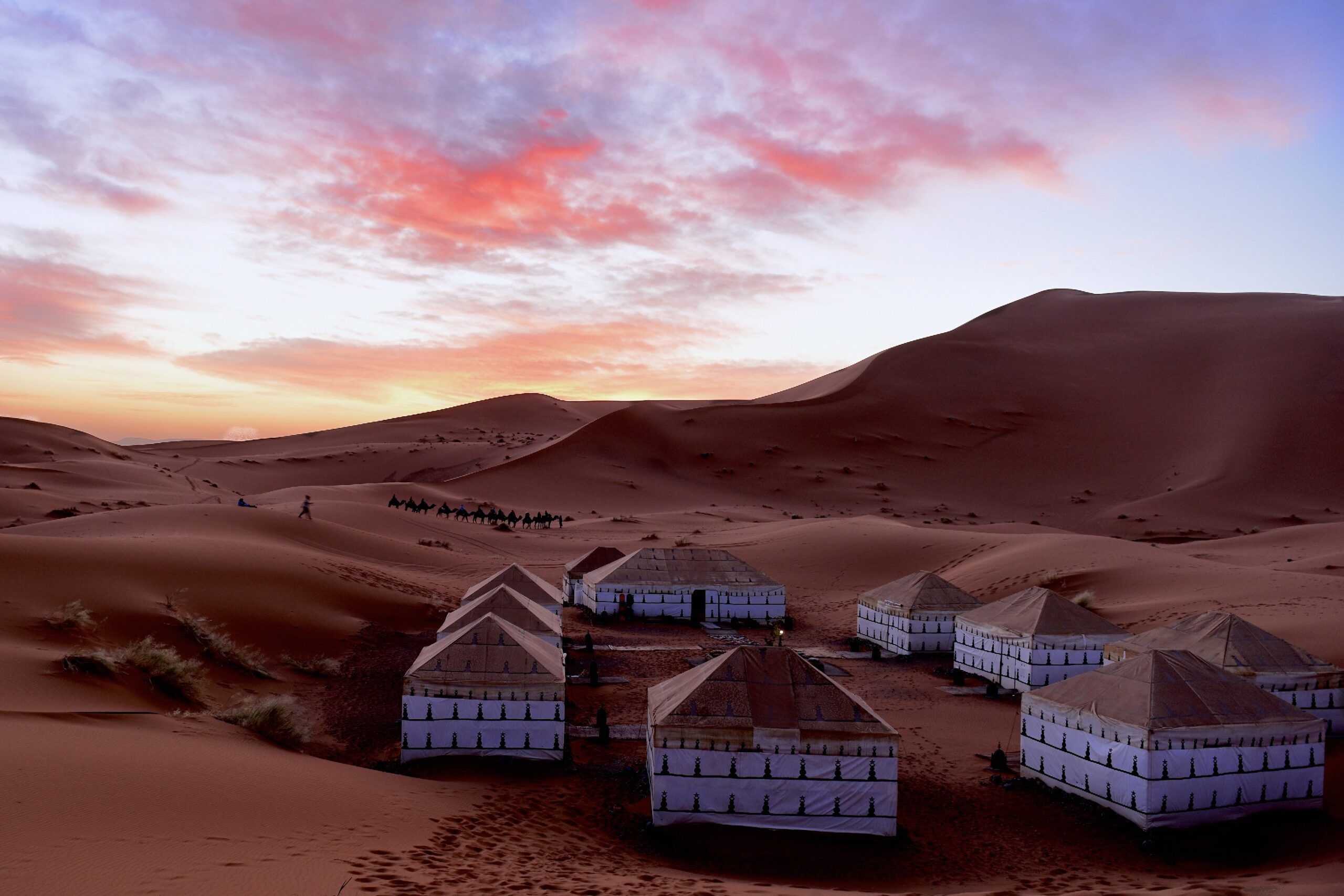
Arrive in Erfoud, the “Gateway to the Sahara,” famous for its fossils and dates, with an optional visit to the Musée des Oasis. Finally, switch to a rugged SUV to traverse the golden dunes of Erg Chebbi. As the sun sets, the desert transforms into a magical sea of orange.
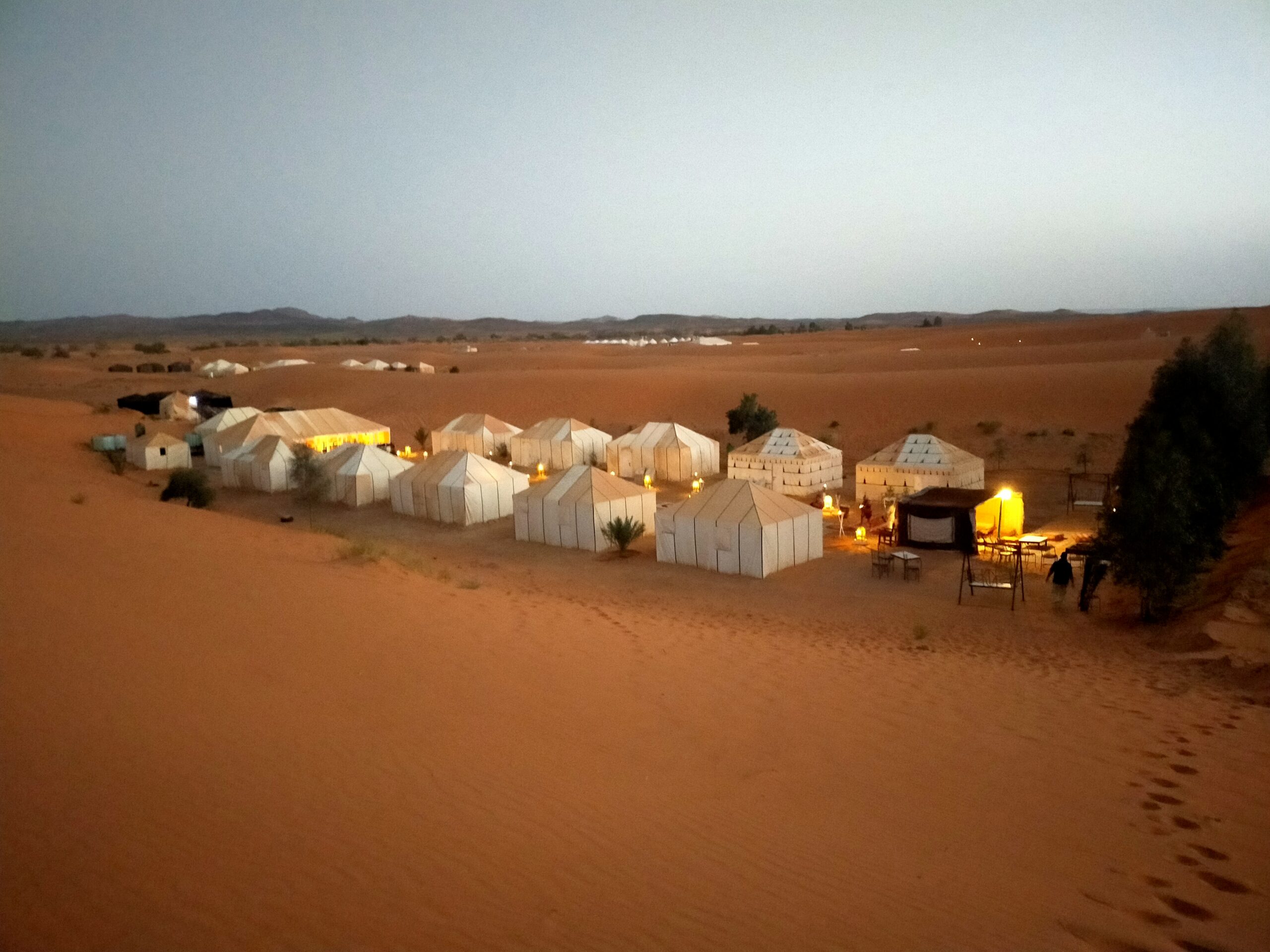
End your day at a luxury camp with dinner, local music, and an overnight stay in a Berber tent.
Meals: Breakfast & Dinner
After breakfast, your 4×4 desert expedition begins, taking you deep into the Sahara to the legendary dunes of Erg Chebbi, a golden sea of sand that defies imagination.
Along the way, immerse yourself in the vibrant culture of locals, visit a camel milk cooperative, and explore the bustling Rissani Market, where donkeys, livestock, and local treasures paint a vivid picture of desert life.
Next, discover El Khamlia, a village renowned for its Gnawa heritage. The Gnawa people, descendants of Sub-Saharan African slaves, have preserved their rich musical traditions, blending spiritual rhythms with vibrant performances.
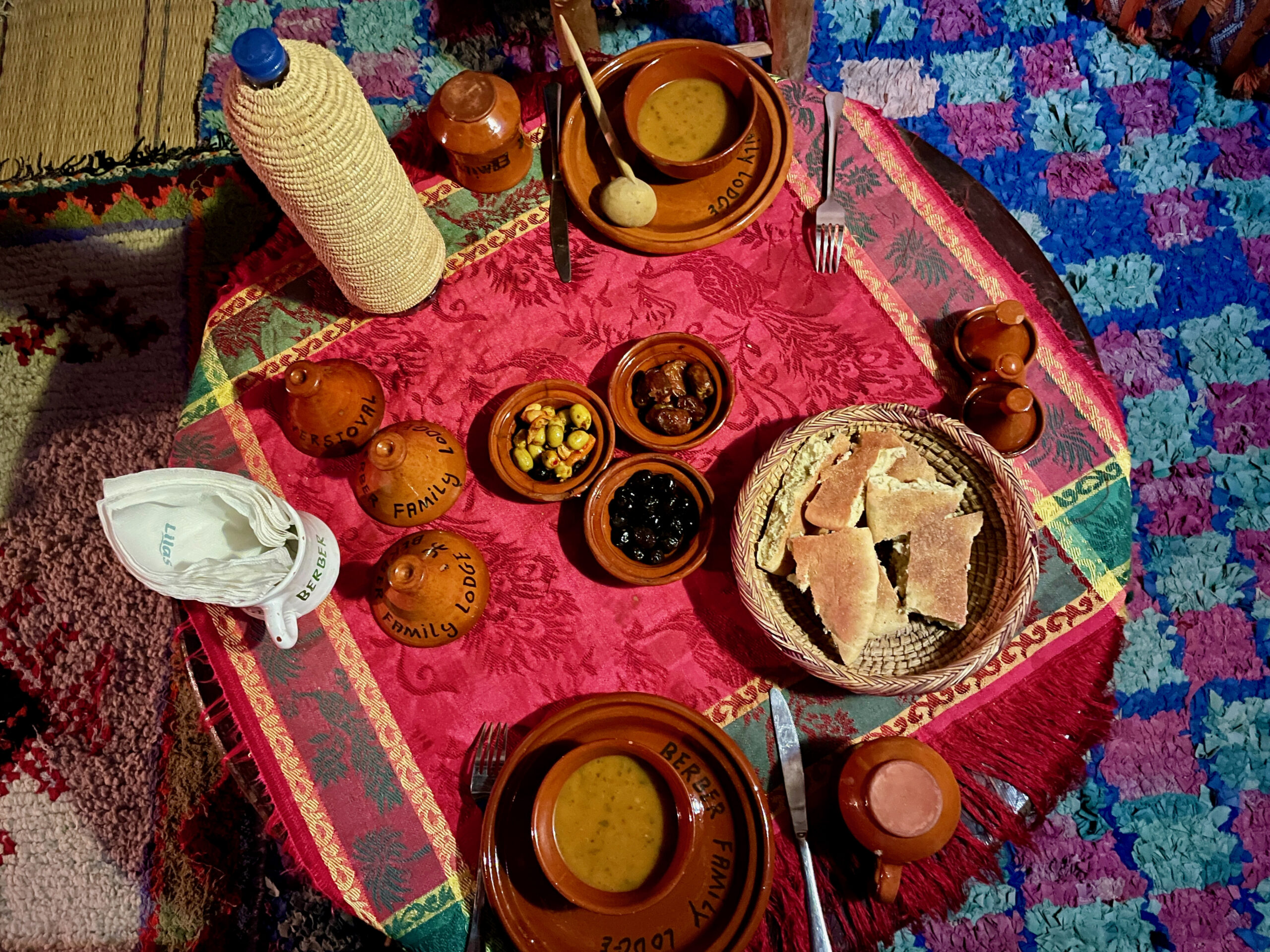
Then, continue to Tisserdmine, a peaceful, off-the-beaten-path destination known for its serene atmosphere and occasional oases. En route, visit a nomad family for mint tea and learn about their traditional way of life. Afterward, head to a local restaurant in the heart of the desert to enjoy a traditional Moroccan lunch, featuring local specialties like Medfouna (a savory stuffed bread), prepared with fresh, local ingredients. Savor the rich flavors and warm hospitality of the desert as you dine in this unforgettable setting.
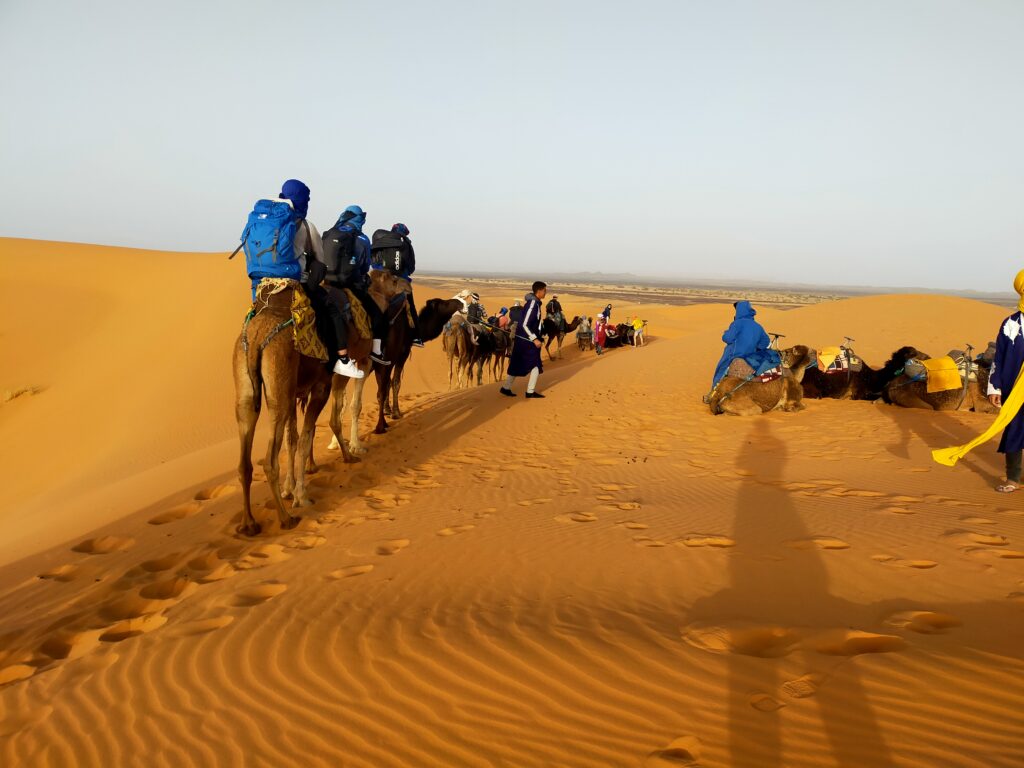
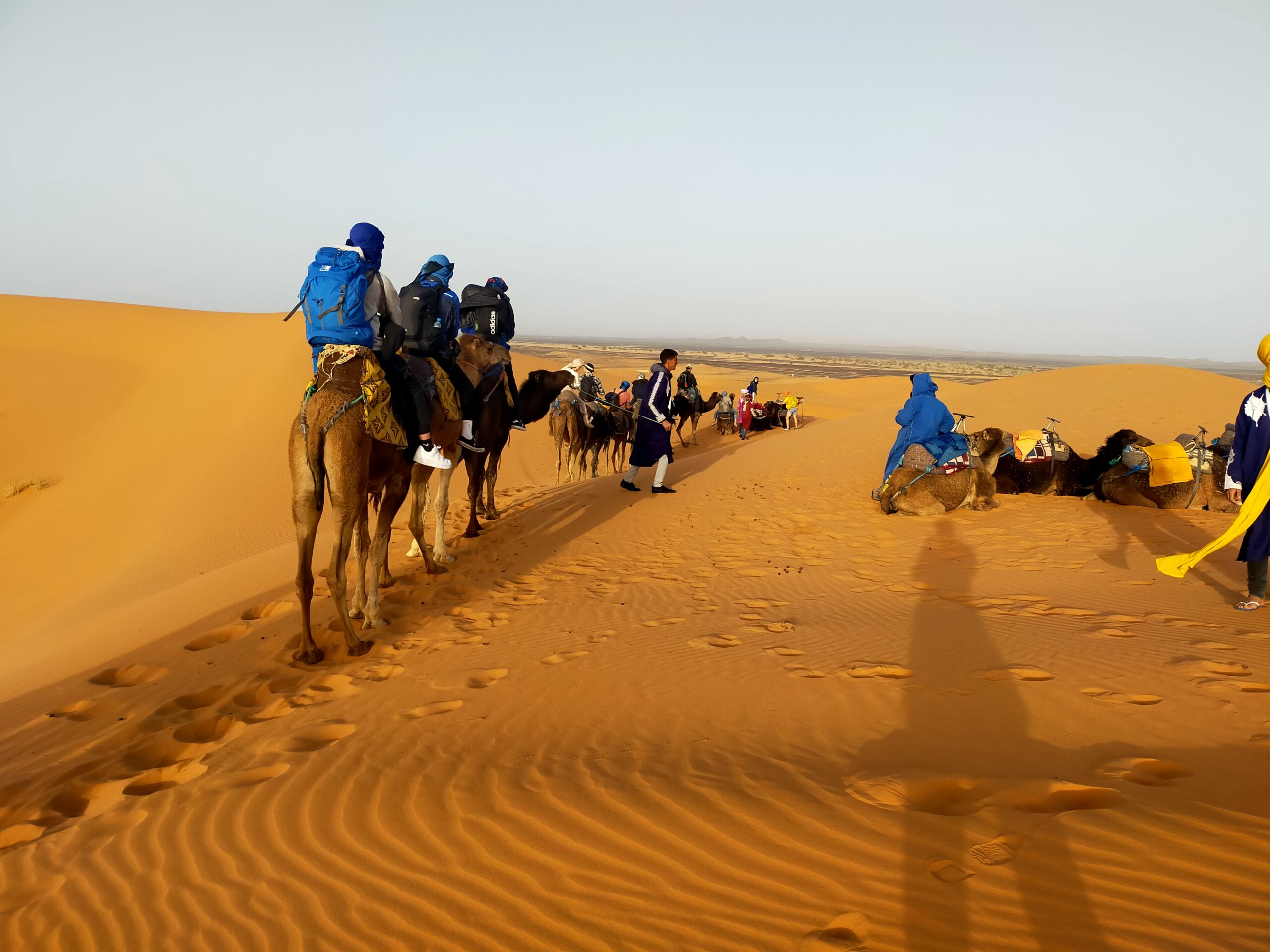
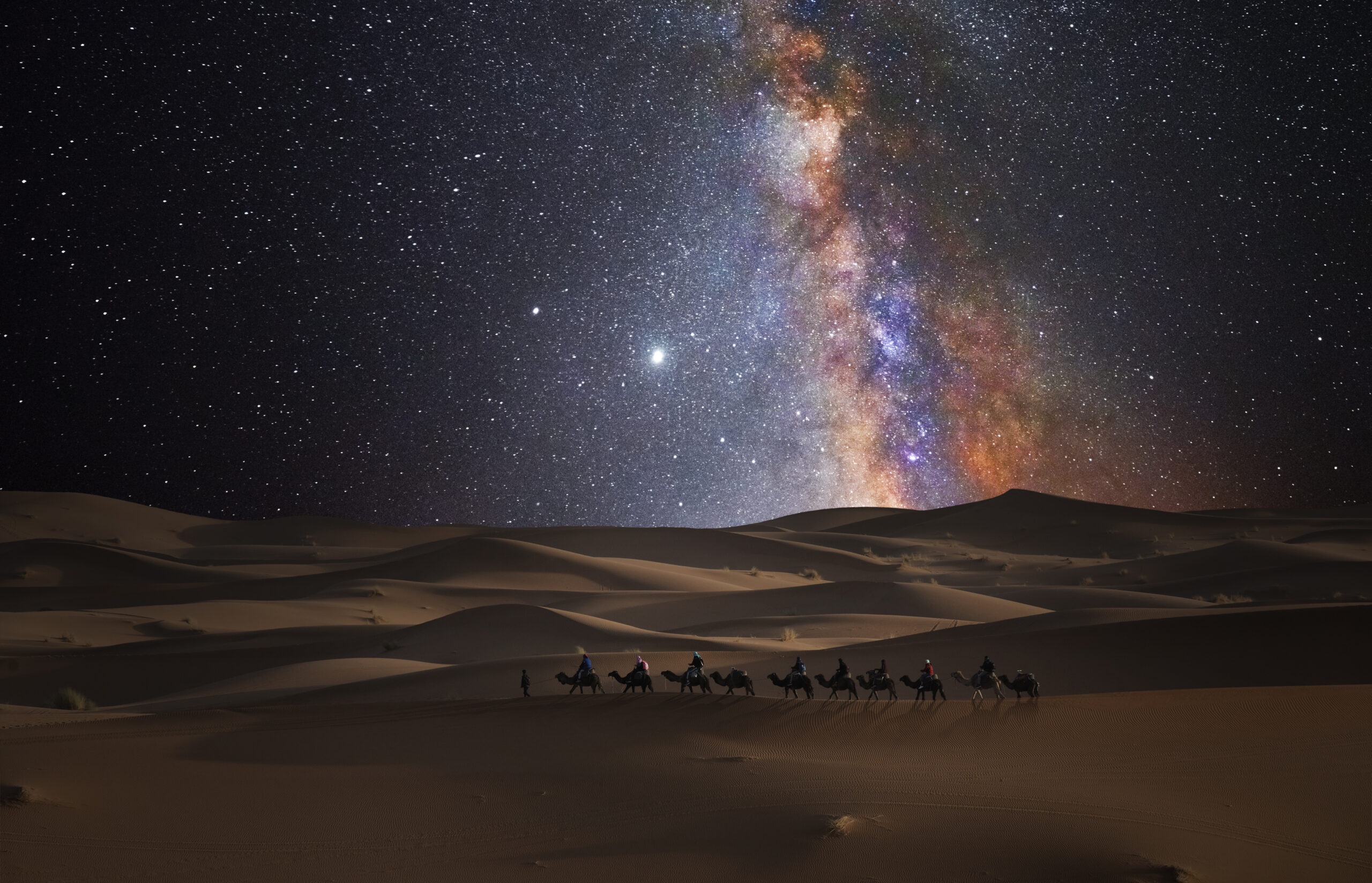
As the sun sets, the oasis glows in golden light. Mount a camel and venture into the dunes, swaying rhythmically as the desert’ s silence and beauty create an unforgettable sense of peace.
Enjoy your dinner in the desert camp then overnight.
Meals: Breakfast, Lunch & Dinner
Today, journey through the beautiful Middle Atlas mountain range, with its thick woods filled with lush cedar and oak trees en route to Fez.
Along the way, you’ll pass through Ifrane, a picturesque ski town, and Azrou, known for its cedar wood handicrafts.
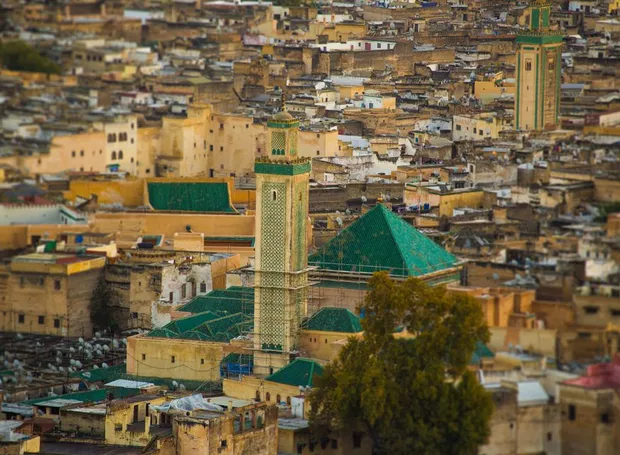
As you enter Fez, there is a breathtaking view of the ancient city from a hill overlooking the Medina.
Continue to your hotel for dinner and overnight
Meals: Breakfast & Dinner
Today after breakfast, step into the cultural and spiritual soul of Morocco with an enchanting Fes guided city tour.
Fez was the capital of Morocco for over four centuries, and it still remains the cultural center of the country, as well as one of the most important religious centres.
We begin with a spellbinding panoramic view from Borj Nord, offering a sweeping-vista of Fes el-Bali’s labyrinthine medina, a UNESCO World Heritage Site steeped in history since the 8th century. Marvel at the majestic golden gates of the Royal Palace, a testament to Fes s regal grandeur.
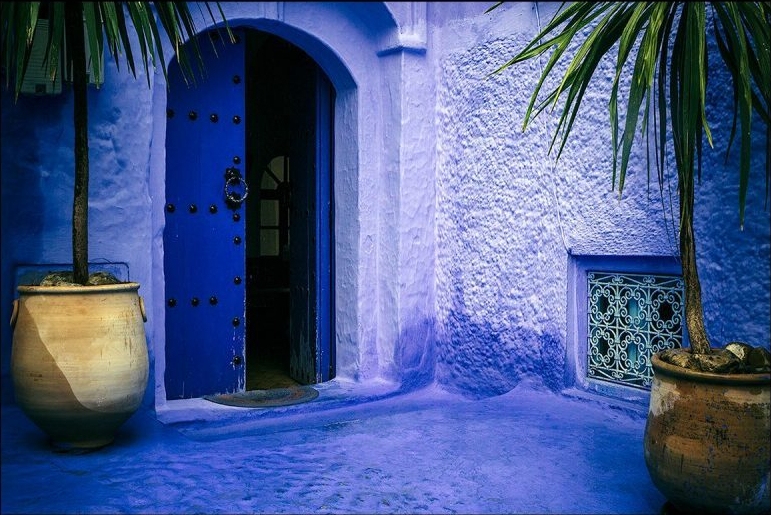
Enter the medina through the iconic Bab Bou Jeloud, the dazzling Blue Gate adorned with intricate tilework, serving as a grand portal to Fes ancient heart. Delve into the past at the Bouanania Madrasa, where exquisite tilework and tranquil courtyards reveal the city’s architectural mastery.
Step into the hallowed halls of Al Quaraouiyine University, one of the world’s oldest centers of learning, and absorb its timeless scholarly aura.
Wander through Nejjarine Square, adorned with a restored fountain and the Nejjarine Museum, a haven of Moroccan woodcraft.
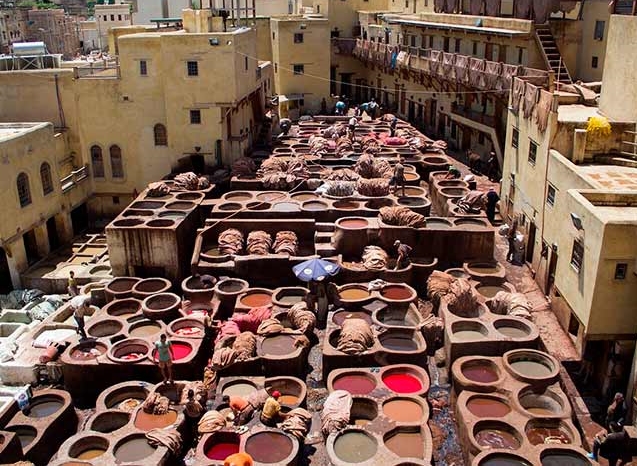
Witness the iconic Chaouara Tannery, where a kaleidoscope of colors vivid whites, deep browns, and vibrant yellows and reds— transforms the dye pits into a mesmerizing spectacle of traditional leather artistry.
If time permits, conclude your journey in the Nouvelle Ville, where chic cafes and tree-lined boulevards offer a refreshing contrast to the ancient Medinas timeless charm. Late in the afternoon, back to your hotel/Riad to freshen and relax.
Meals: Breakfast
Breakfast
Transfer to the airport for your departure
The tour ends at the airport for check-in and security formalities and to board the flight to Lisbon.
Take your memories and adventures with you on your flight home.
END
Group minimum 02
01-03 pax EUR1550 Per person
04-05 pax EUR1180 Per person
06-07 pax EUR1125 Per person
08-09 pax EUR1025 Per person
10-12pax EUR940 Per person
Double room accommodation
Single supplement EUR235
30% payment required on booking
Remaining payments can be done in 2 instalments with the final payment, 4 weeks before departure.
Cancellation fees apply – for further details see:
https://hodophileexperience.com/index.php/about-our-trips/


Will be sent with full itinerary when confirmed

Will be sent with full itinerary when confirmed

Click here to check the visa requirements

The best time to visit Morocco is Autumn (September-November) or early spring (March-April). The weather is warm, but you will avoid the extreme temperatures of the scorching heat and cold nights.
Whatever time of year you choose to visit, there’s something special about Morocco. Yes, it can be super-hot in summer, but what about the coastlines you can cruise and the balmy evenings you can enjoy? Yes, winter in the mountains can deliver almost freezing temperatures, but what about cooler experiences in the Sahara, smaller crowds and cheaper tourist rates? There are a number of important factors to take into consideration when planning your adventure to Morocco and, like a good buffet, you’ll be able to pick the best bits.
When to visit the see the Sahara? Probably autumn (September–November) or early spring (March-early April). With scorching heat in summer and plummeting night-time temperatures in winter, avoiding these extremes will make your desert stay more comfortable. The seasons in between can provide ideal conditions to head out in the arid landscapes, but keep in mind that unexpected sandstorms happen in the desert, especially during April, and they’re not pleasant to get caught in. Whatever time you decide to travel to the Sahara, be sure to pack extra layers to protect your skin and face from the overhead sun and swirling sands. They’ll also help to keep you warm at night, when temperatures can drop significantly, even in the warmer months.
June is a popular month for tourism in Morocco. The first of the summer months, it’s a time of year when the kids are out of school, but temperatures are still reasonable in most parts of the country. In inland cities like Marrakech, the temperature can get as high as 35C during the day, but that’s still a lot cooler than the 40C and up you may find in July and August.
With proper planning, cool clothing, and a handy water bottle, you should find it easy to enjoy your explorations in most areas of the country.
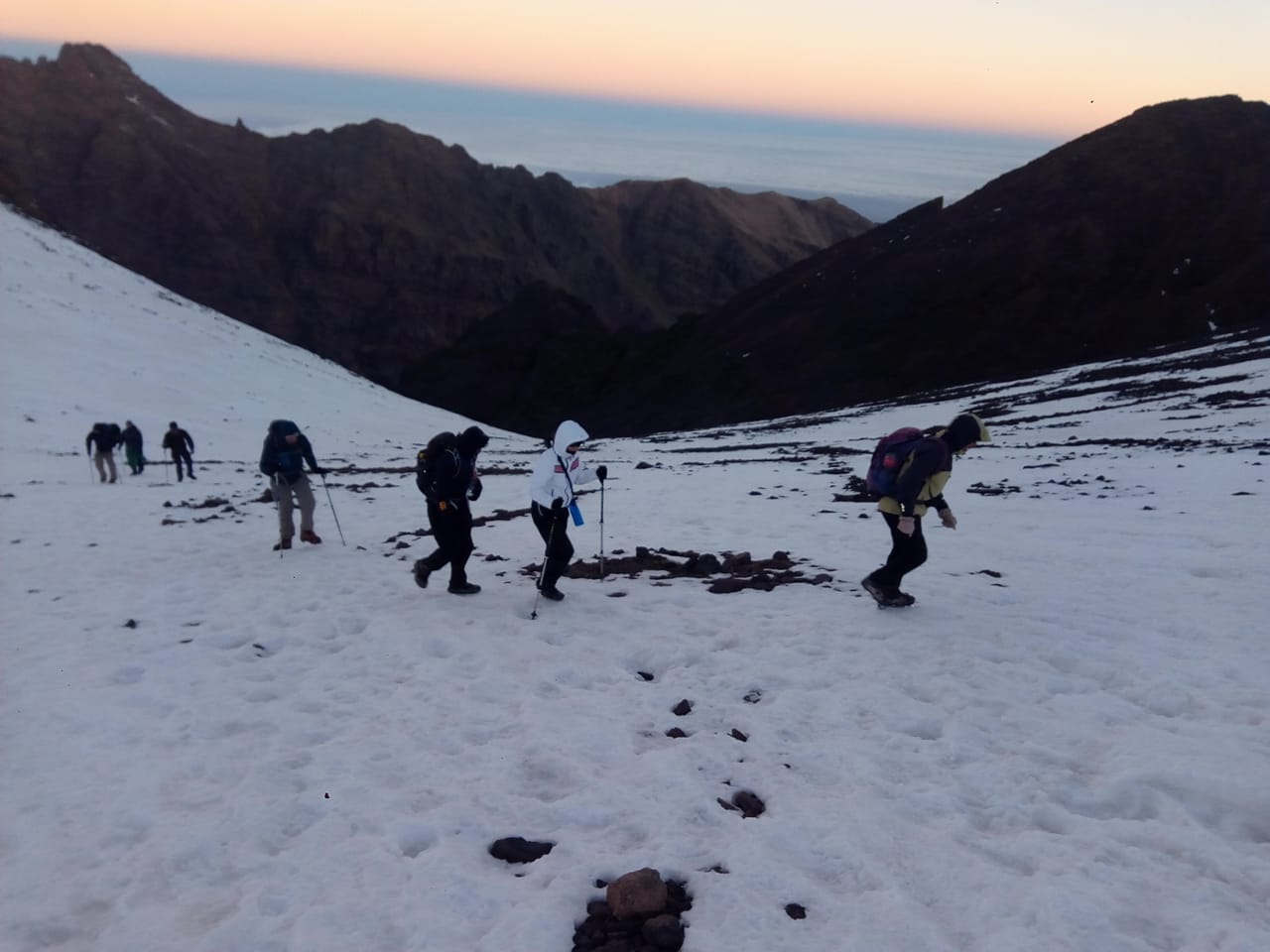
The average daily temperature in Fes and Marrakech ranges from 25C to as high as 35C, although once the sun goes down, things cool off and become much more pleasant. And up in the mountains, days and nights are still quite a bit cooler. In fact, even in June, it is possible to find snow in the High Atlas region of the country.
June marks the beginning of the dry season in Morocco. It is quite normal for most areas to get very little to no rain at all until sometime in September or October. Drought conditions are not uncommon at this time of year. Keep this in mind when traveling, so you don’t become dehydrated during your adventures.
Although it is understood that tourists dress differently from the locals, it is still a good idea to be respectful of the conservative nature of the Moroccan people, most of whom are of the Islamic faith. You are less likely to draw negative attention to yourself if you keep your legs covered to below your knees and keep your shoulders and chest covered, as well. There ARE places where shorts and bathing suits are welcome. But when wandering the local Medina, you will have a much more positive experience if you dress a bit conservatively.

Local currency used in Morocco is Dirham, denoted as MAD or Dhs. It’s preferable when you go out pay in Dirham currency. The Moroccan currency is the Dirham.
On the whole, Morocco is inexpensive by Western standards. Moroccans tend to haggle over prices and accept that others will do the same, especially in the country’s markets, or souks. The cost of certain services — such as guides, car rental, and mechanical services — can also be negotiated. However, in businesses such as restaurants and grocery, hardware, electrical, and fashion stores, prices are generally fixed. In the bigger cities, prices for virtually everything are higher, especially in the main tourist centers of Marrakech, Agadir, Fes, and Casablanca. In addition to this, prices can rise for public transport and in hotels and restaurants over the post-Ramadan feasts of Eid al Fitr and Eid al Adha, and again in the main tourist centers over the Easter and Christmas/New Year holiday periods.
As the dirham isn’t traded internationally, there’s no money-changing black market, and exchange rates vary marginally between banks, bureaux de change, and even most hotels. Changing money at a bureau de change is quicker than at banks, although some banks do have dedicated booths just for money exchange.
There is always a problem making change in Morocco, and it’s often difficult to pay with large banknotes. Always be on the lookout for smaller denomination (10 and 20) bank notes and dirham coins, as this will make your life easier during the daily trials of tipping for services and paying for inexpensive everyday goods such as bottled water.

Yes, some vaccines are recommended or required for Morocco. The CDC and WHO recommend the following vaccinations for Morocco: hepatitis A, hepatitis B, typhoid, rabies, meningitis, polio, measles, mumps and rubella (MMR), Tdap (tetanus, diphtheria and pertussis), chickenpox, shingles, pneumonia and influenza.