+351 965 133 699
travel@hodophileexperience.com

Price Includes:

Price Excludes:
** Based on the survey done in the month of April 2026.
Register here: https://forms.gle/3AkTSZBDDWe2gFhd8
Emails us at: travel@hodophileexperience.com
Hodophile Experience cannot be held responsible for any travel disruptions due to very rare but possible flight delays. All participants are required to have travel and medical insurance on all our trips to protect against any additional costs.
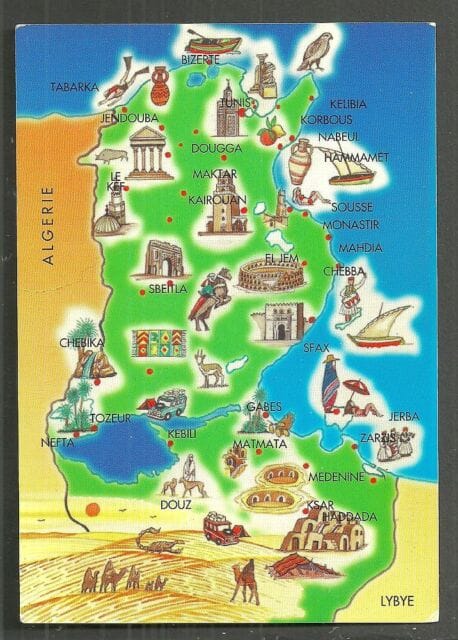
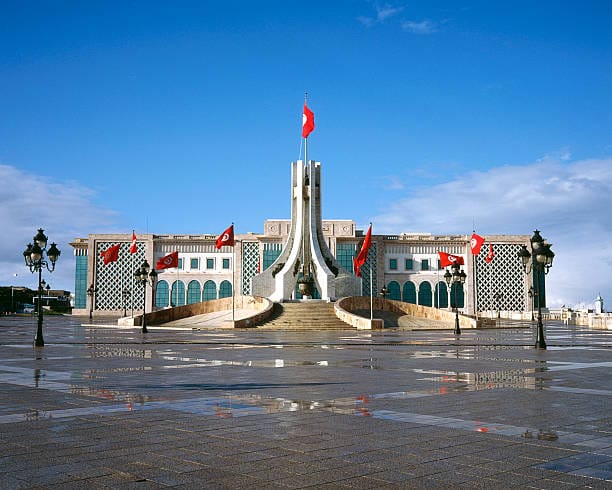
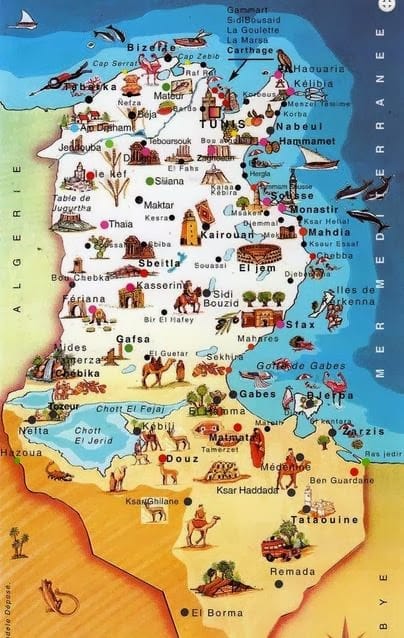
Arrival at the airport in Tunisia. Completion of entry formalities.
You will be met by representative and transferred to your hotel.
Rest of the day at leisure.
Overnight stay at the hotel
Breakfast at the hotel.
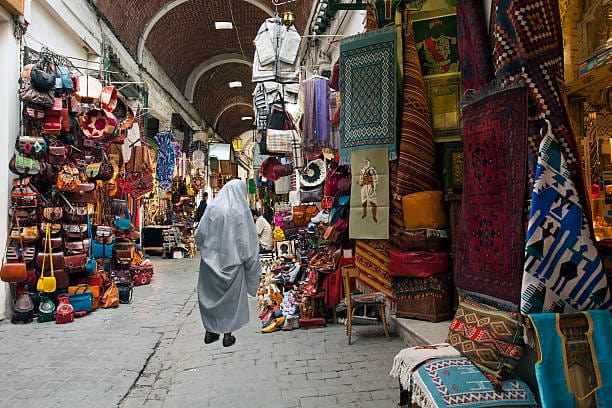
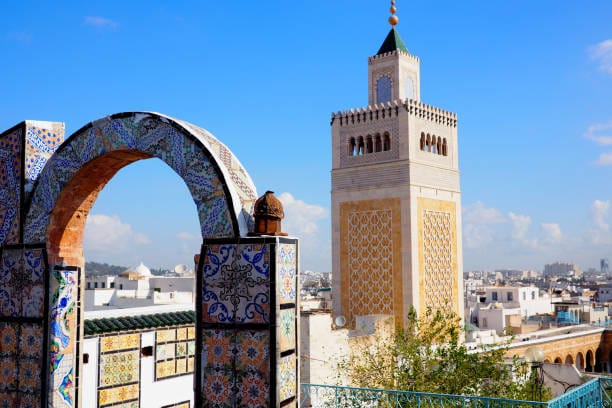
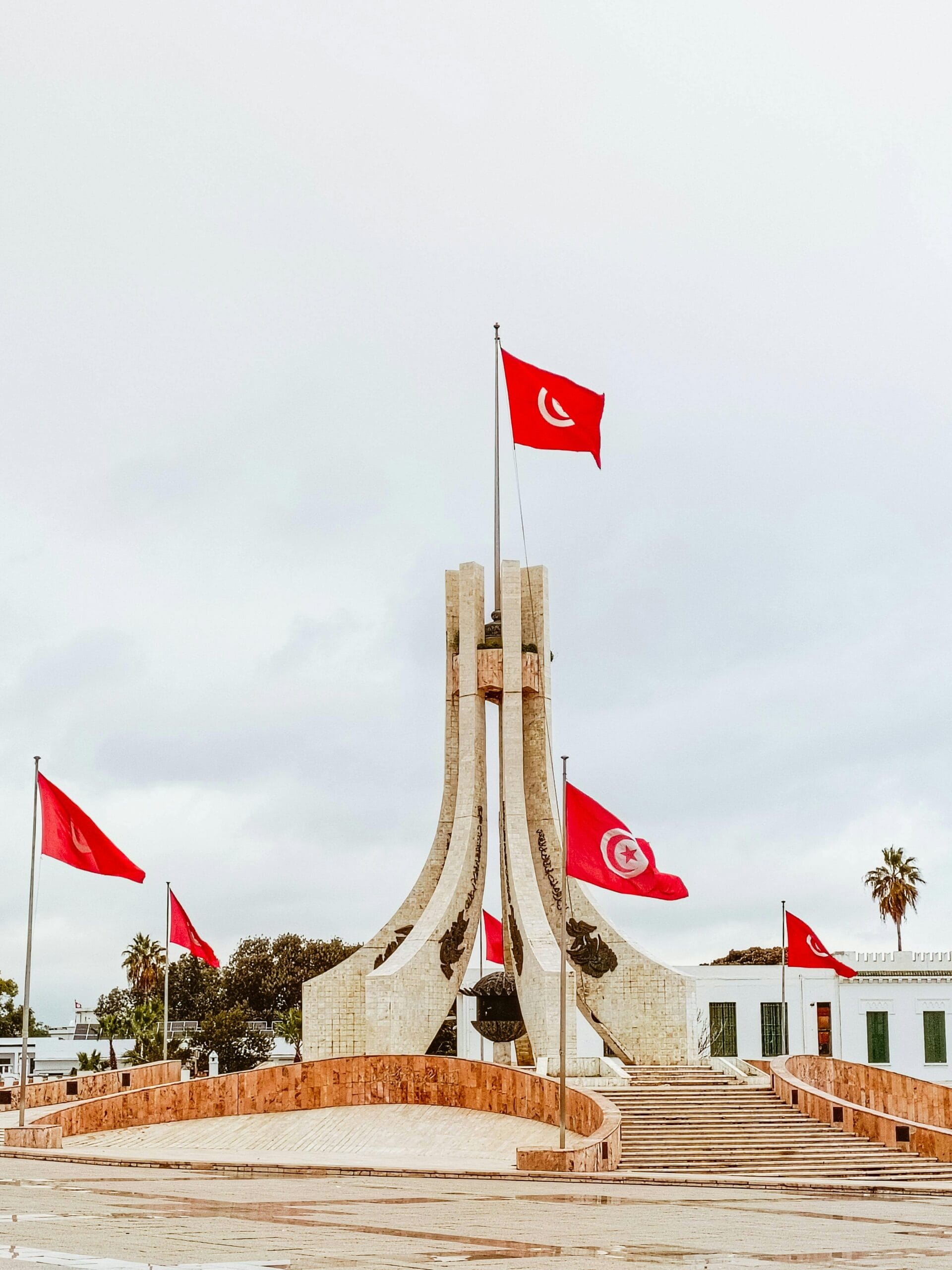
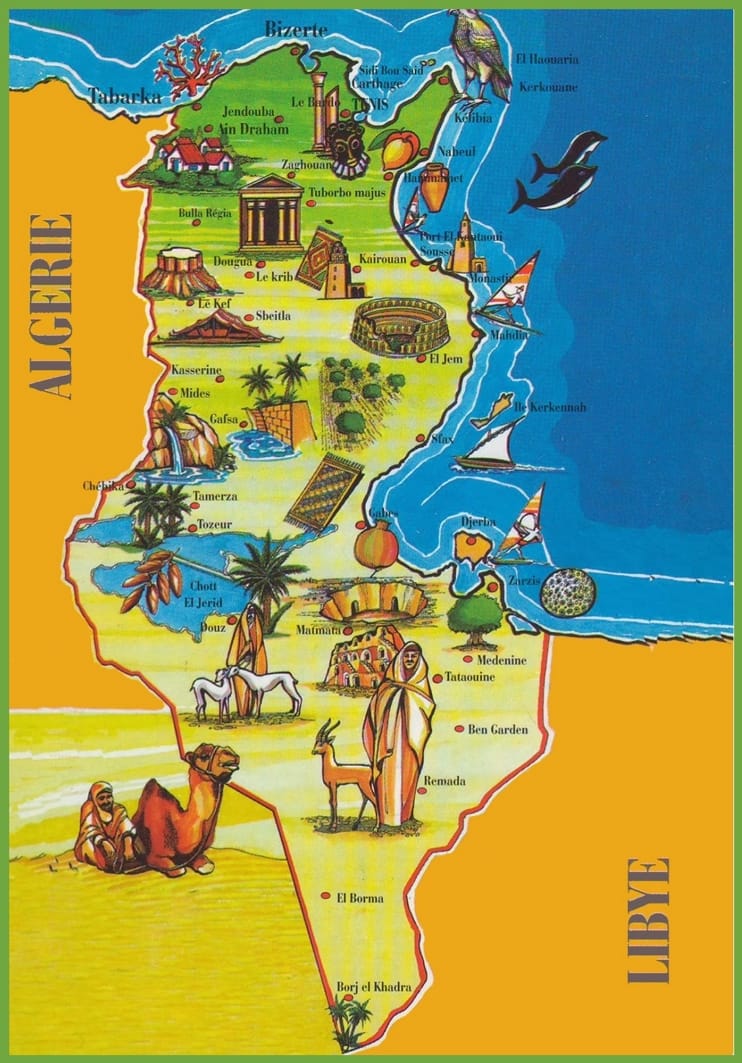
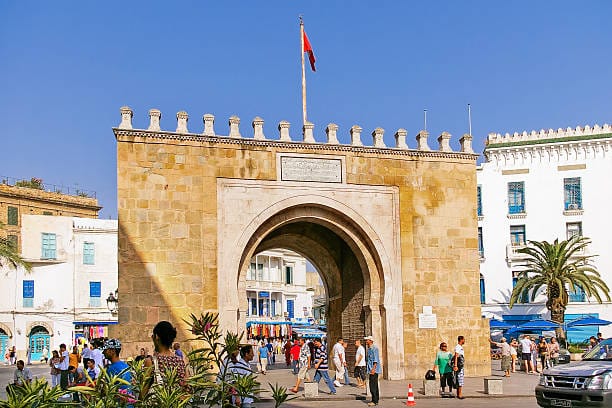
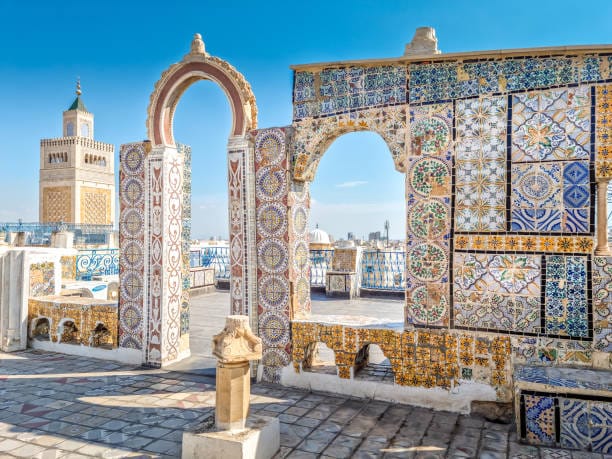
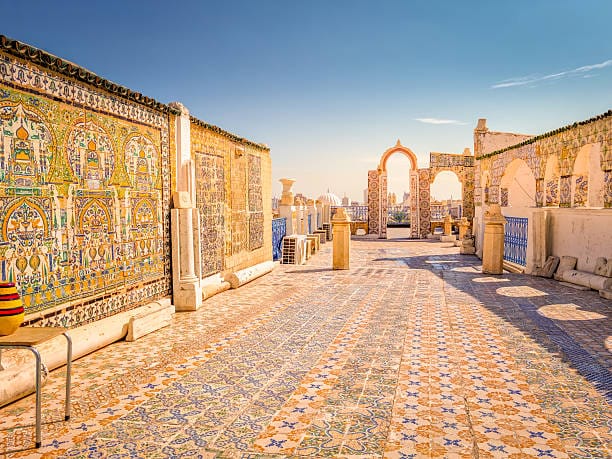
Visit the ancient Medina of Tunis, now a WHC site, with its bustling markets. Under the Almohads and the Hafsids, from the 12th to the 16th century, Tunis was considered one of the greatest and wealthiest cities in the Islamic world. Some 700 monuments, including palaces, mosques, mausoleums, madrasas and fountains, testify to this remarkable past.
Lunch in restaurant in Tunis city.
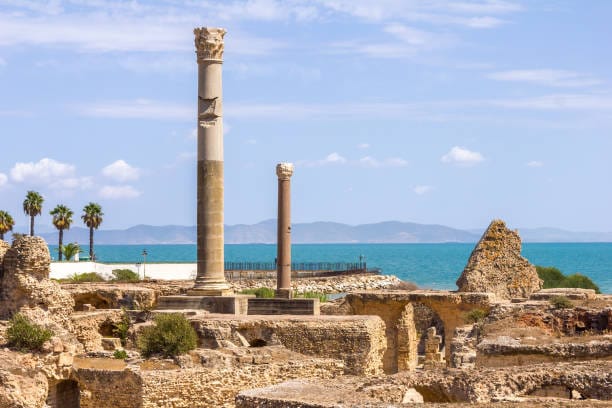
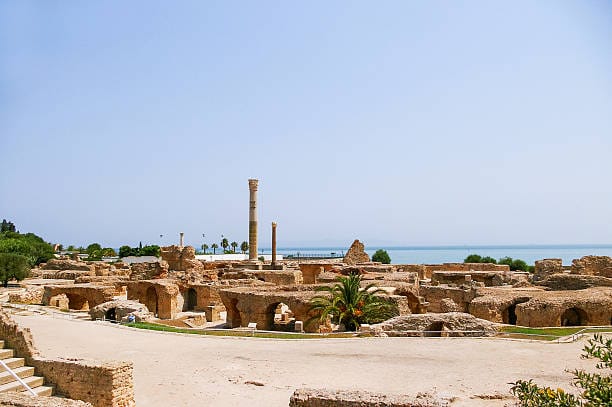
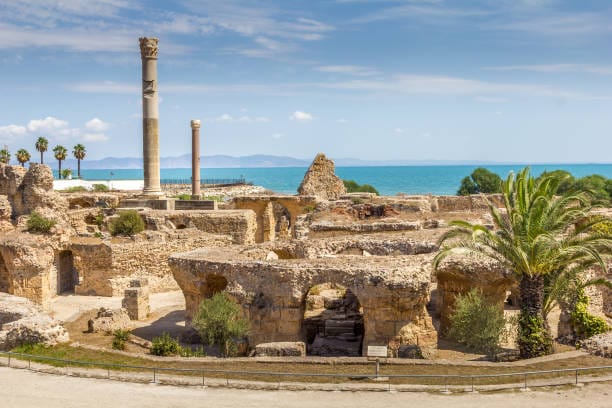
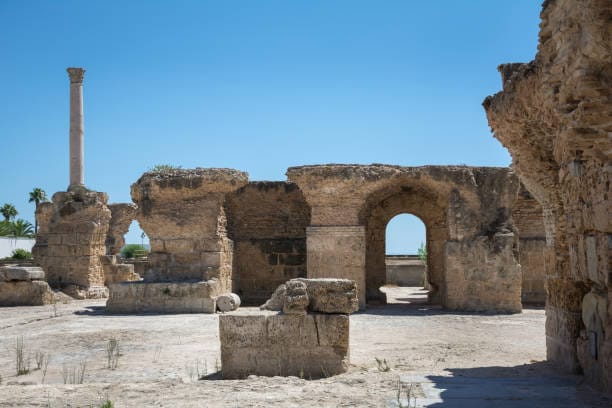
Then continue to visit the WHC Archaeological Site of Carthage, with its Roman villa and ancient baths. Carthage was founded in the 9th century B.C. on the Gulf of Tunis. From the 6th century onwards, it developed into a great trading empire covering much of the Mediterranean and was home to a brilliant civilization. In the course of the long Punic wars, Carthage occupied territories belonging to Rome, which finally destroyed its rival in 146 B.C. A second – Roman – Carthage was then established on the ruins of the first
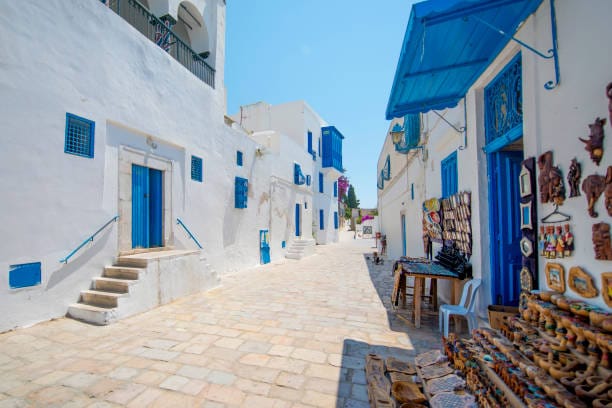
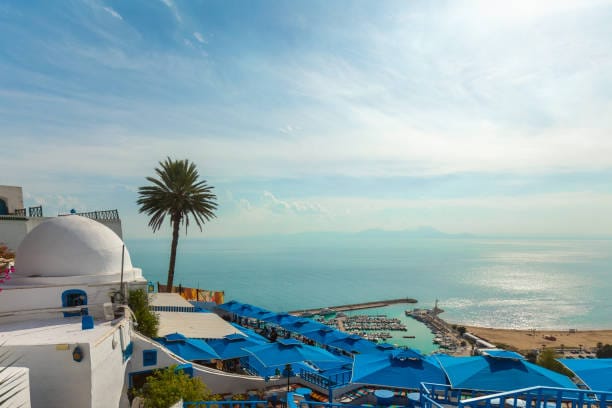
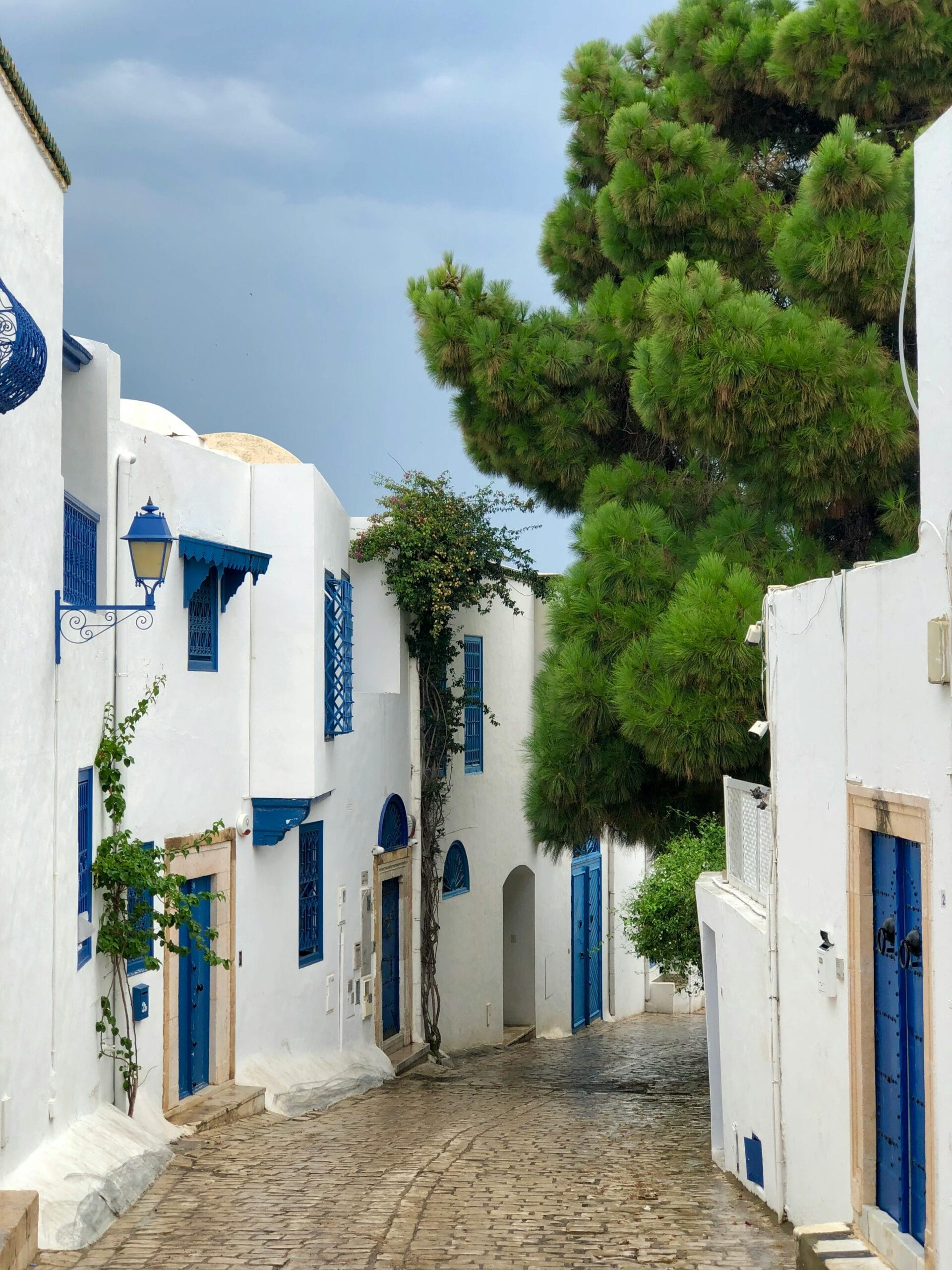
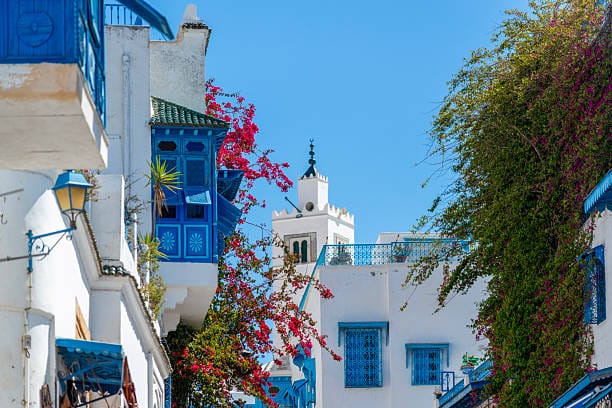
Time to stroll through the charming Moorish village of Sidi Bou Said.
Return to the hotel
Overnight stay at the hotel
Breakfast at the hotel.
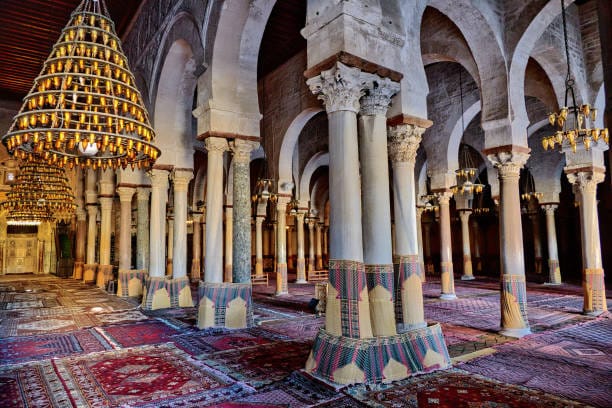
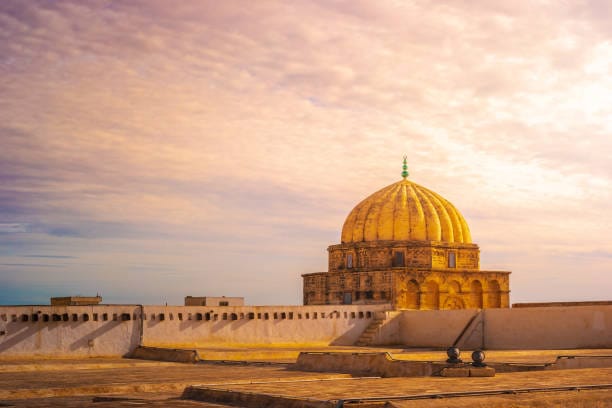
Depart for a WHC site, Kairouan, where we will visit the Grand Mosque and Berber Mausoleum.
Founded in 670, Kairouan flourished under the Aghlabid dynasty in the 9th century. Despite the transfer of the political capital to Tunis in the 12th century, Kairouan remained the Maghreb’s principal holy city. Its rich architectural heritage includes the Great Mosque, with its marble and porphyry columns, and the 9th-century Mosque of the Three Gates.
Lunch in restaurant or hotel in Kairoun.
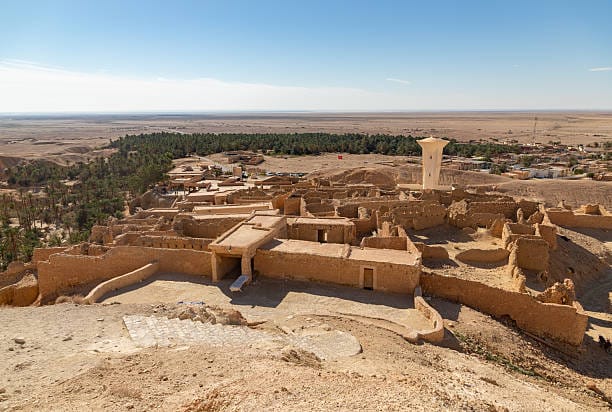
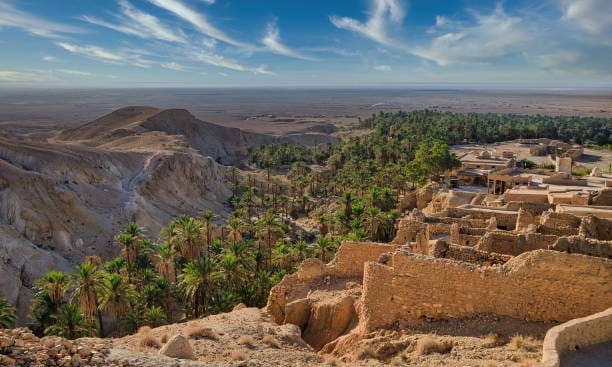
After lunch we travel to Tozeur, with its 250-acre palm grove that produces some of the finest dates in Tunisia. Visit the Medina of Tozeur and the Eco museum “Eden Palm” an ancient palm grove where opportunity to visits workshop of handcrafts and a boutique of pastries to taste cake made with dates of the region.
Overnight stay at the hotel
Breakfast at the hotel.
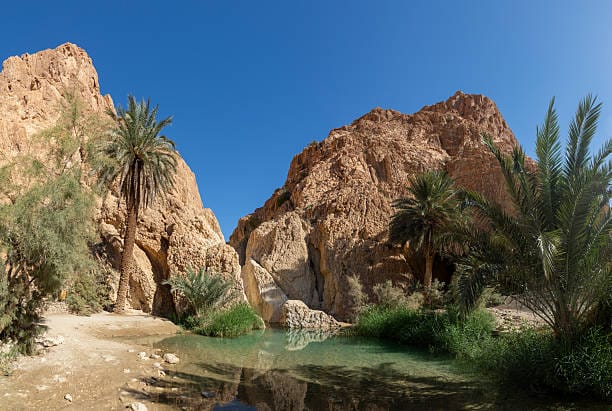
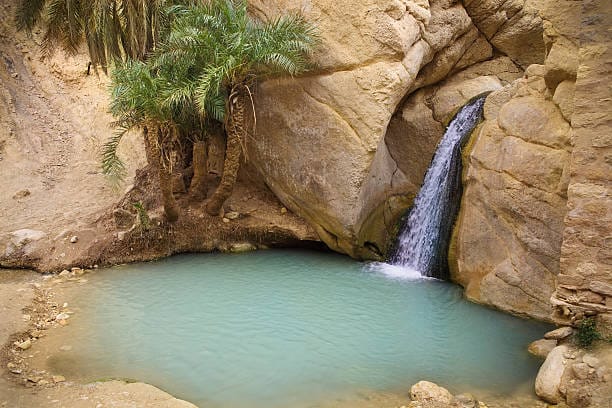
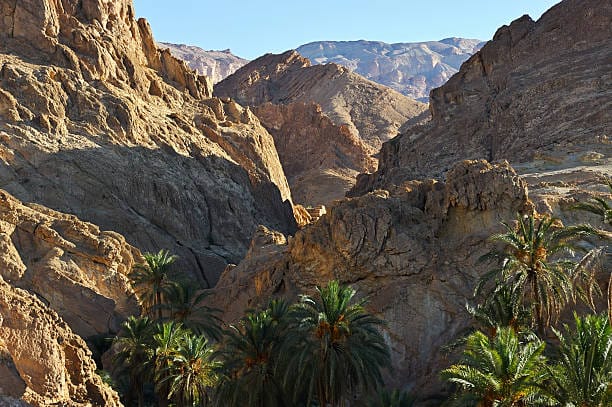
Today we visit oasis mountains: the waterfalls in Tamerza and canyons in Chebika & Mides. Depart to discover Tozeur which has an abundant natural water supply that made a richly inhabited oasis.
Lunch at the Hotel in Tozeur.
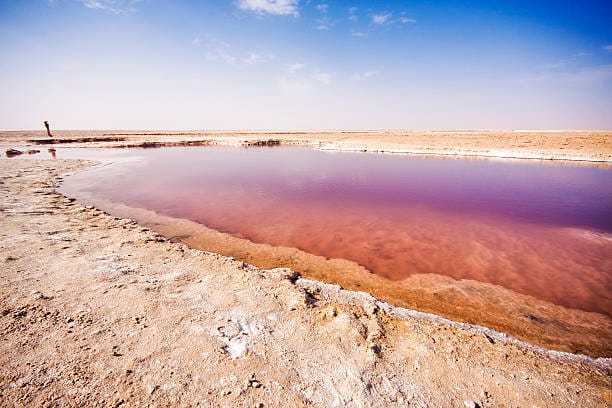
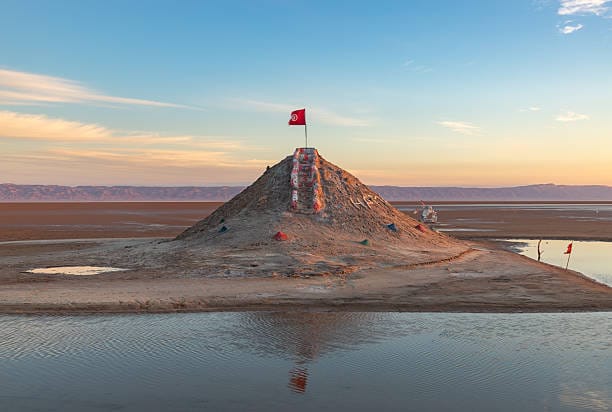
We then depart to and cross the Chott El Jerid Salt Lake.
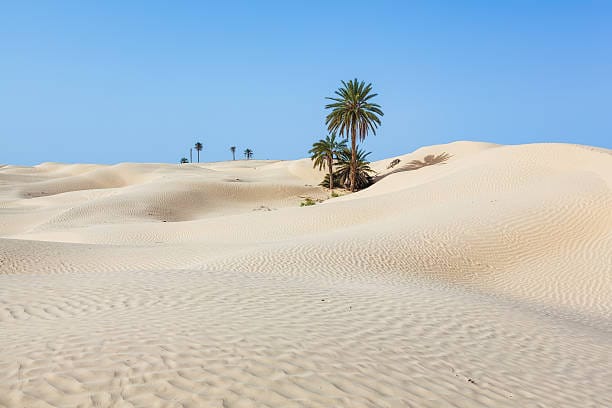
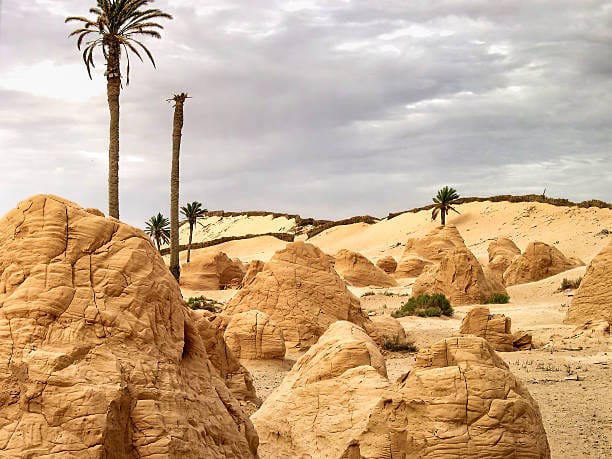
Depart to Douz known as the “Gateway to the Sahara”. Check in to the hotel.
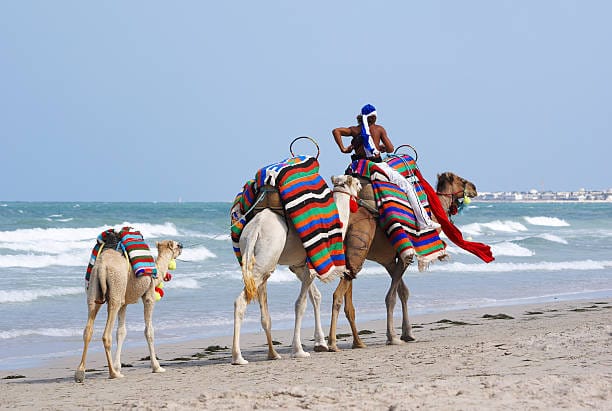
Late afternoon we visit Douz. A highlight of the day is a camel ride at sunset (optional).
Overnight stay at the hotel
Breakfast at the hotel.
Departure to visit the oasis of Ksar Ghilane.
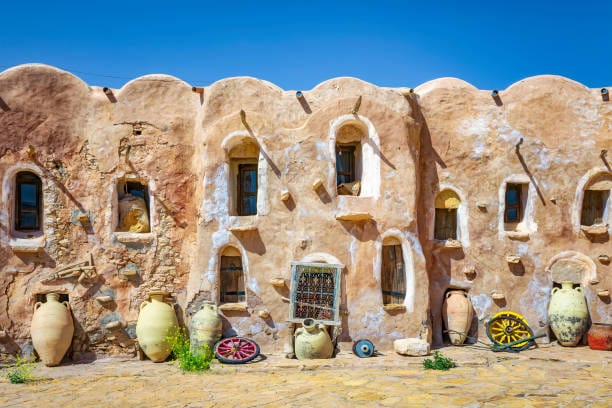
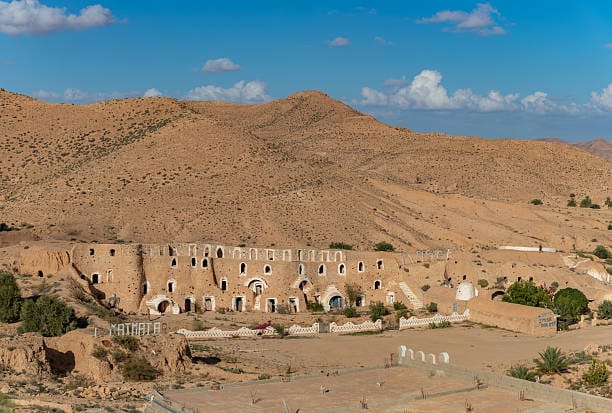
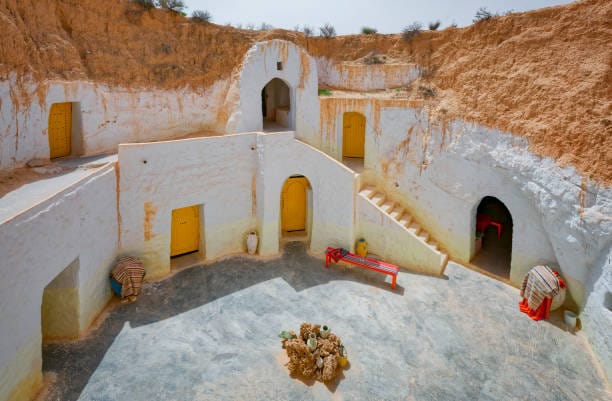
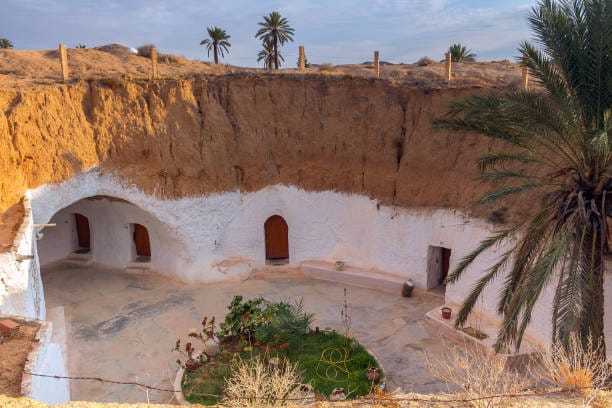
Then, Departure to Matmata, visit site of several scenes from the Star Wars film.
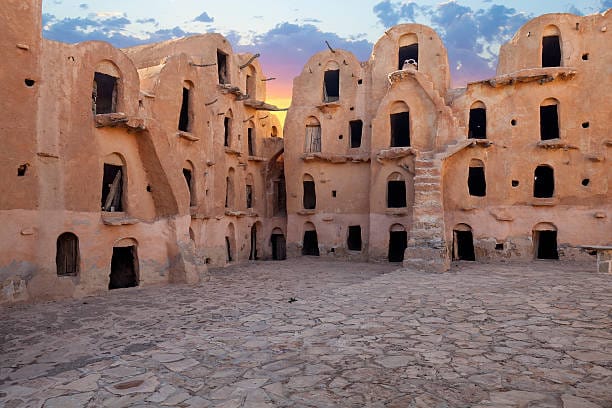
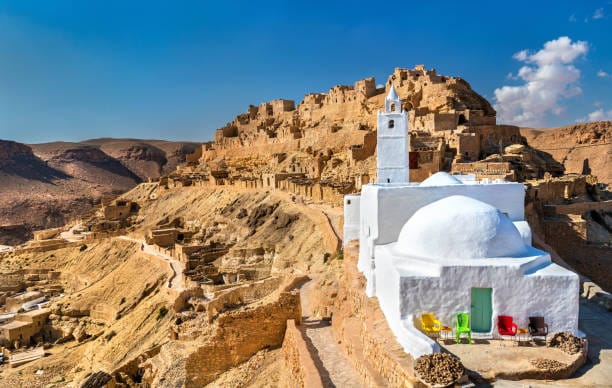
Here are fascinating underground dwellings of the Berber Troglodytes. Visit a typical local home and meet a Berber family. Lunch in Hotel Diar El Babar in Matmata or at the Typical Star Wwars Hotel: Sidi Driss in Matmata. Continue to Djerba Island.
Overnight stay at the hotel
Breakfast at the hotel.
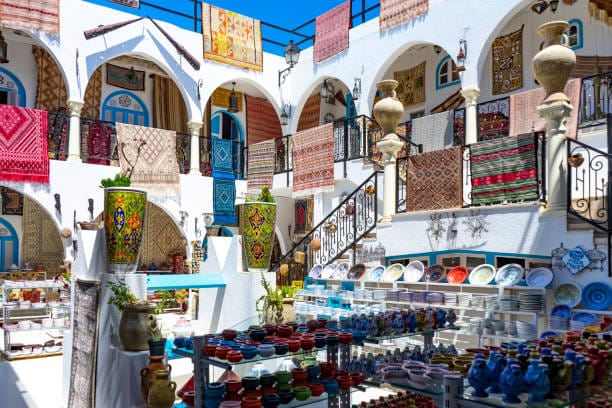
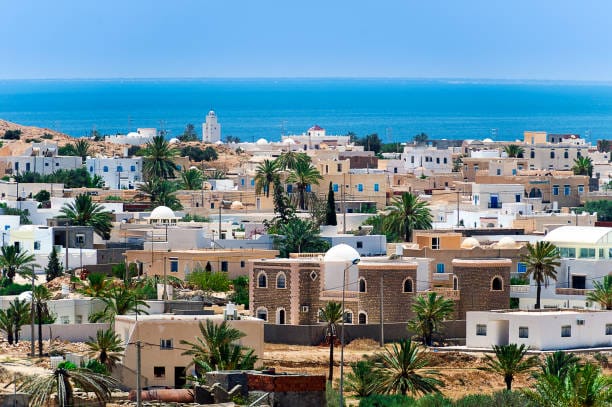
Morning, visit of Djerba island. visit Houmt Soukq with its souks and squares.
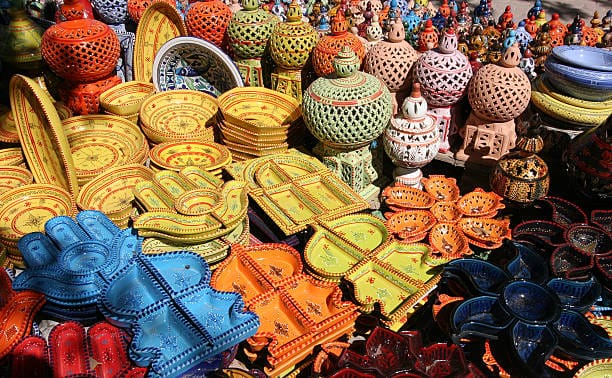
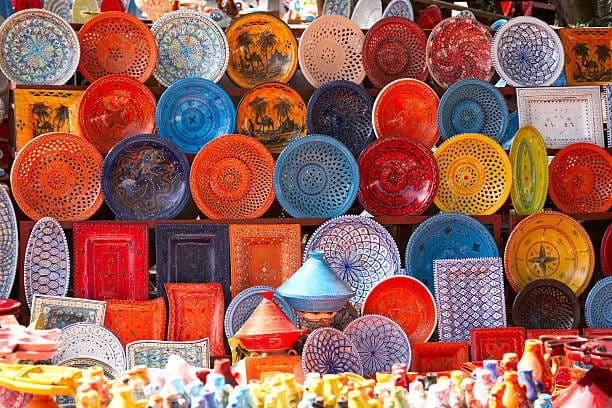
A brief stop at the handicraft and pottery village of Guellala Leave for Sfax via Gabes. Stop in GABES and visit the spicy markets.
Continue on to Sfax short stop. Lunch along the way
After lunch, panoramic tour of Sfax
Overnight stay at the hotel
Breakfast at the hotel.
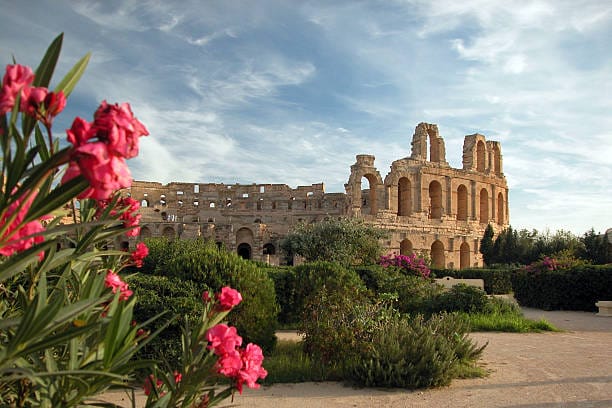
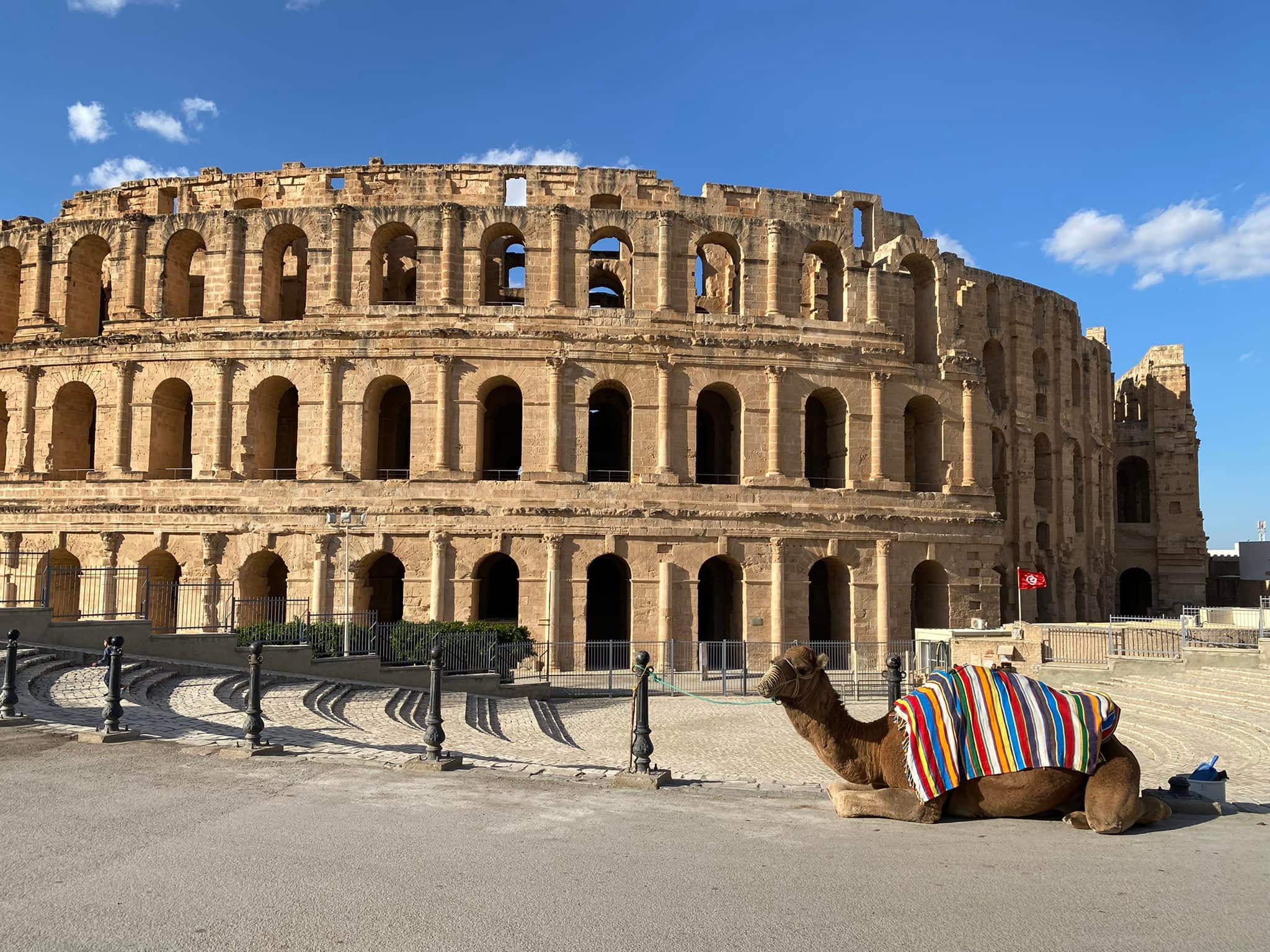
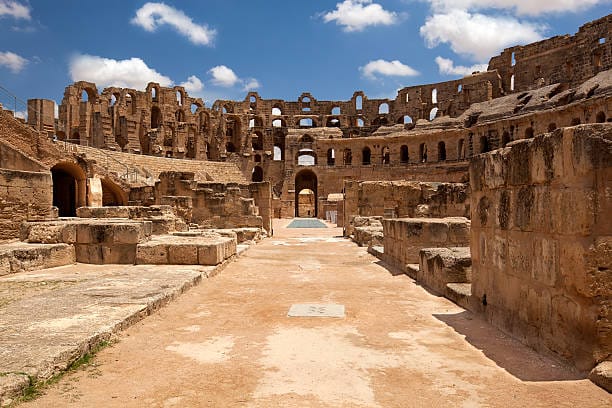
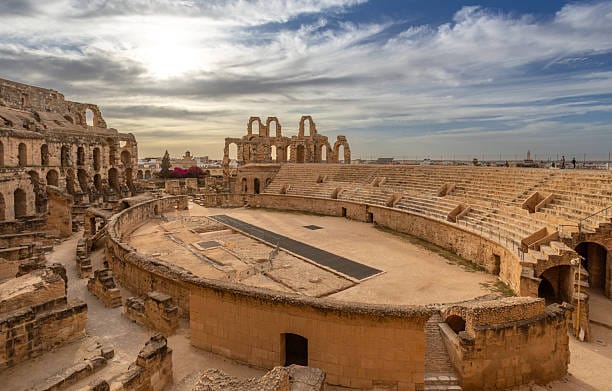
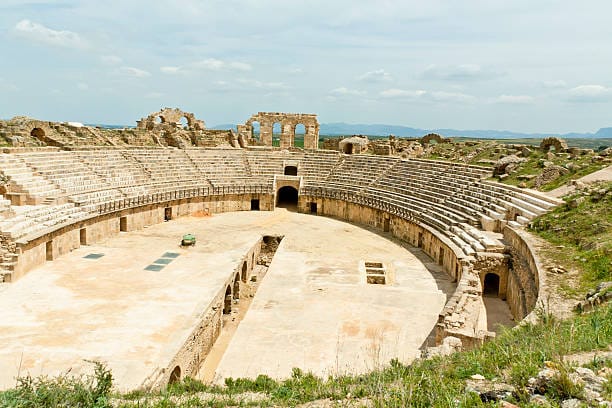
Depart for El Jem to see the imposing Roman amphitheatre dating back some 1,700 years and one of the best-preserved ruins in the country. A WHC site, the impressive ruins of the largest colosseum in North Africa, a huge amphitheatre which could hold up to 35,000 spectators, are found in the small village of El Jem.
This 3rd-century monument illustrates the grandeur and extent of Imperial Rome.
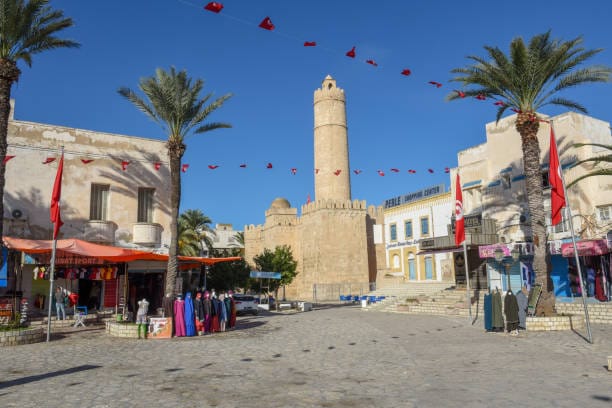
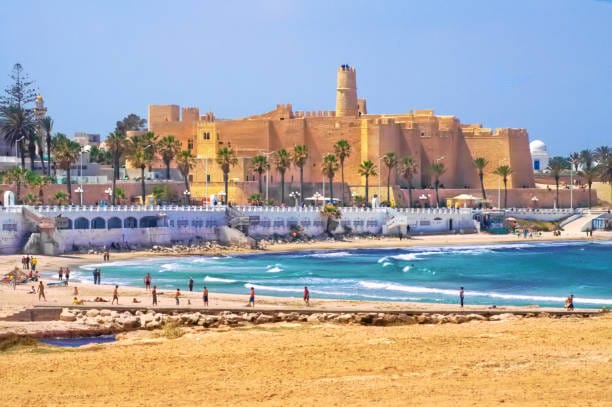
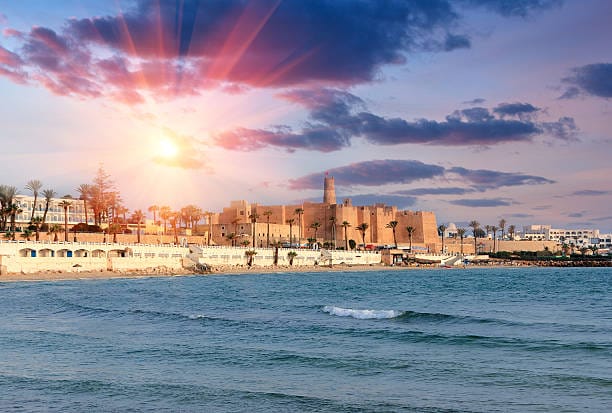
Stop in Monastir to visit the Ribat.
Onwards to Sousse.
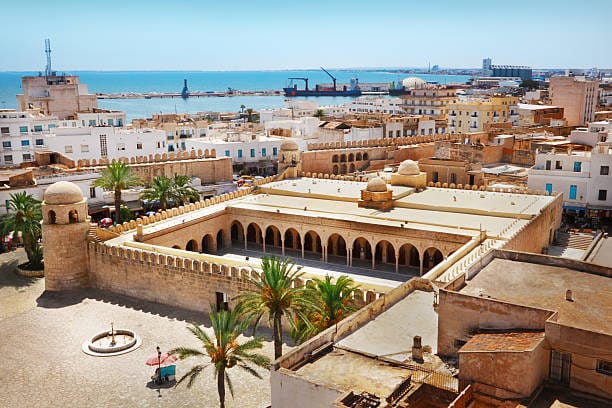
Visit the mosaics museum of Sousse and lunch at local restaurant in Monastir or Sousse. Visit of the Medina of Sousse and Port El Kantaoui.
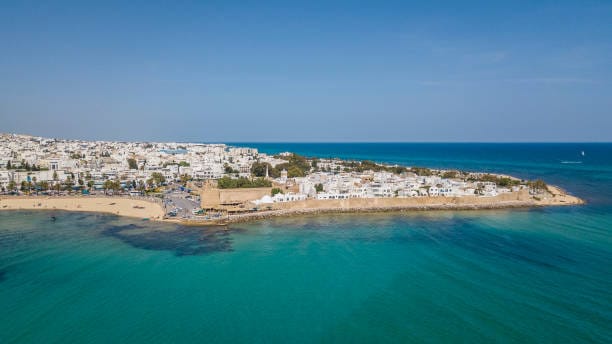
Departure to Hammamet
Overnight stay at the hotel
Breakfast at the hotel.
Depending on your flight time, we transfer to the airport.
The tour ends at the airport for check-in and security formalities and to board the flight home.
END
Register here for the trip and further details will be sent
https://forms.gle/3AkTSZBDDWe2gFhd8
Travel@hodophileexperience.com
Rates:
Solo Traveller – on request
02 pax EUR2095 Per person
03-04 pax EUR1635 Per person
05-07 pax EUR1425 Per person
08-12 pax EUR1185Per person
12-14pax EUR1098 Per person
Accommodation in hotel (double room shared)
Double room for single use: surcharge + €220
30% payment required on booking
Remaining payments can be done in 2 instalments with the final payment, 4 weeks before departure.
Cancellation fees apply – for further details see:
https://hodophileexperience.com/index.php/about-our-trips/


Will be sent with full itinerary when confirmed

Will be sent with full itinerary when confirmed

Click here to check the visa requirements
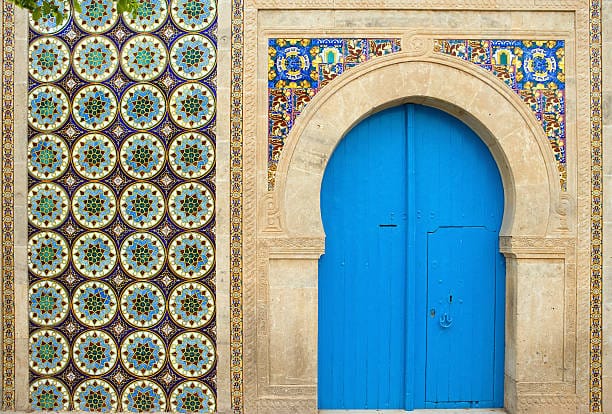
UNESCO World Heritage Sites Colourful, Vibrant Local Bazaars and Handicrafts
Medina of Tunis Tozeur
Archaeological Site of Carthage Ksar Ghilane
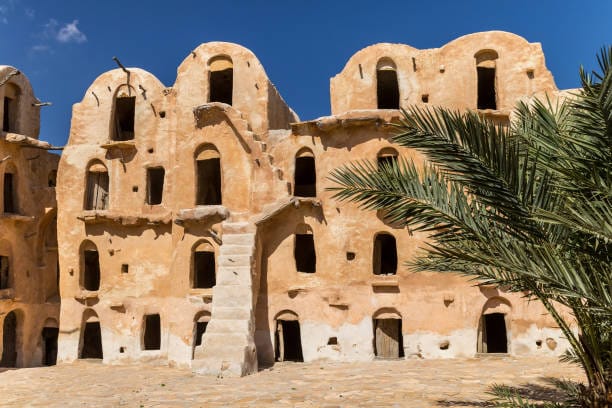
Amphitheatre of El Jem Troglodyte houses
Medina of Sousse
Kairouan
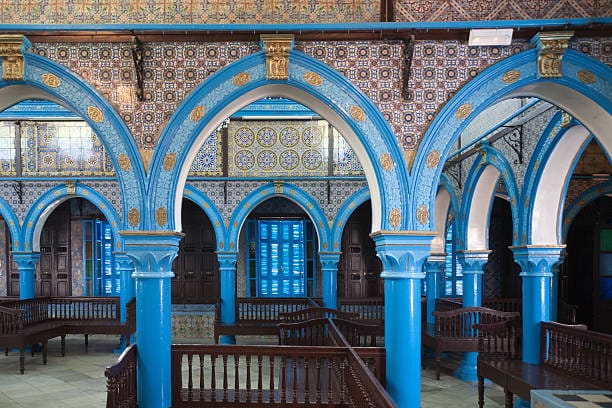
Djerba: Testimony to a settlement pattern in an island territory